The Story
Why it exists.
The beginning
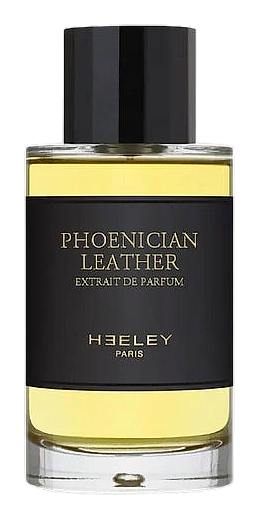
Phoenicia was a maritime civilization that moved goods, ideas, and aromatics across the Mediterranean, flourishing around 1200 BCE. Labdanum was one of their most prized materials, gathered from the sticky resin of the cistus plant native to Mediterranean coastlines. James Heeley built Phoenician Leather around this single resin, making it the focal point of the composition. The 2025 reformulation refines the original in subtle ways, preserving what made the fragrance distinctive while introducing quiet improvements to its balance and depth.
What makes labdanum unusual is its contradiction: smoky woods and amber and dry fruit, all at once. Most perfume ingredients commit to one register. Labdanum refuses. Heeley doesn't resolve this tension, he amplifies it, surrounding the resin with birch's tar-like bite, frankincense that lifts rather than weighs, and dates that bring a honeyed sweetness the ancient Phoenician traders would have recognized. The combination is simultaneously ancient and precise.
The evolution
The opening hits with frankincense and birch, not bright, not sharp, but immediate in the way smoke is when you're close enough to feel it. Within minutes, the leather arrives: smooth, almost rubbery, not the saddle-leather of equestrian fragrances but something with more warmth, more skin. The dates arrive quietly, sweetening the edges of the labdanum. Incense threads through the heart without dominating. By hour four, the honeyed quality has settled, the smoke has mellowed, and what remains is a warm amber-sandalwood foundation that stays close to the skin but persists. Longevity is outstanding, easily extending beyond 15 hours on most skin types. It doesn't fill a room; it marks territory subtly, the way someone who belongs there would.
Cultural impact
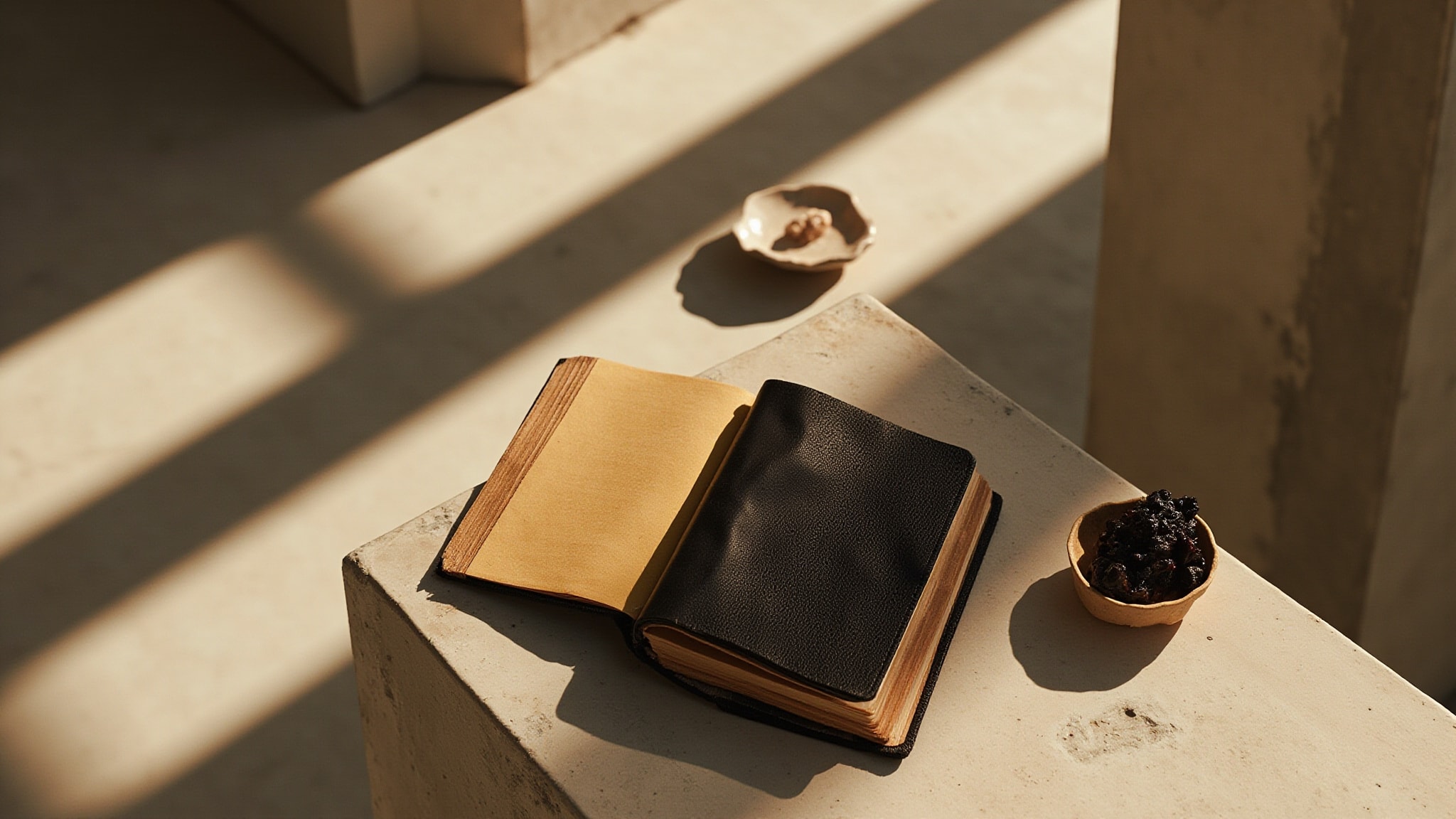
Phoenician Leather draws from the ancient trade routes of the Mediterranean, where merchants carried frankincense, labdanum, and leather goods across seas connecting civilizations. James Heeley grounds the fragrance in traditional leather craftsmanship techniques that predate modern synthetic alternatives. The labdanum-date combination references Mediterranean resin traditions, connecting the fragrance to ancient practices rather than the direction most contemporary niche fragrances have taken. It stands apart from current trends by drawing on established perfumery roots rather than chasing the latest innovations in synthetic materials.