The Story
Why it exists.
The beginning
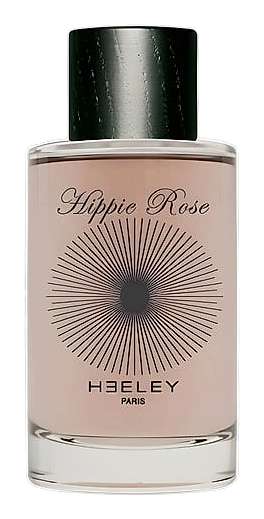
The name says everything. Hippie Rose arrived in 2011, carrying the spirit of a California desert morning and the perfumed air of a Himalayan temple in a single breath. James Heeley wasn't making a nostalgic gesture, he was translating a feeling: the moment you decide the known path isn't the only one. The fragrance captures that specific freedom, not as rebellion but as air. Fresh, wide, yours. Rose takes the scenic route here, passing through patchouli and incense rather than arriving at some polished destination. It's rose for people who prefer the company of wind to climate control.
What makes this work is the restraint. Bulgarian rose could easily tip into something soft, predictable, the kind of rose you'd find in a gift shop. But Heeley grounds it in patchouli and vetiver, materials that keep the flower connected to the earth it grew from. The frankincense adds a spiritual dimension without becoming religious. It's the difference between incense that perfumes a room and incense that perfumes a thought. Together, these materials create a rose that feels earned rather than delivered, worn rather than applied.
The evolution
The opening arrives bright and citrusy, bergamot and pink pepper making an entrance that doesn't announce itself too loudly. Within minutes, the rose enters. Not the cut flower variety. This one has roots. The patchouli deepens as the top notes settle, creating a mid-section that's simultaneously floral and grounded. Then the base arrives: frankincense first, thin wisps of temple smoke that don't overwhelm but linger. Vetiver and musk follow, settling close to the skin like warmth retained after sunset. Six to eight hours later, what's left isn't residue, it's memory. The kind that makes you want to smell it again.
Cultural impact
Hippie Rose found its audience at a moment when niche perfumery was still defining itself, not trying to smell like luxury or status, but like conviction. The name itself is a statement, a reference to a cultural movement that valued authenticity over polish. It became a quiet favorite among those who wanted rose done differently, people who found the usual glass-box florals insufficient for a world with actual weather in it.