The Story
Why it exists.
The beginning
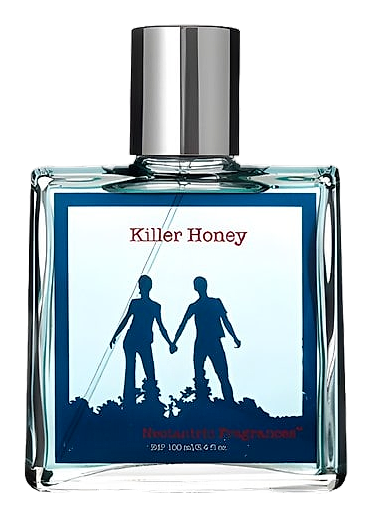
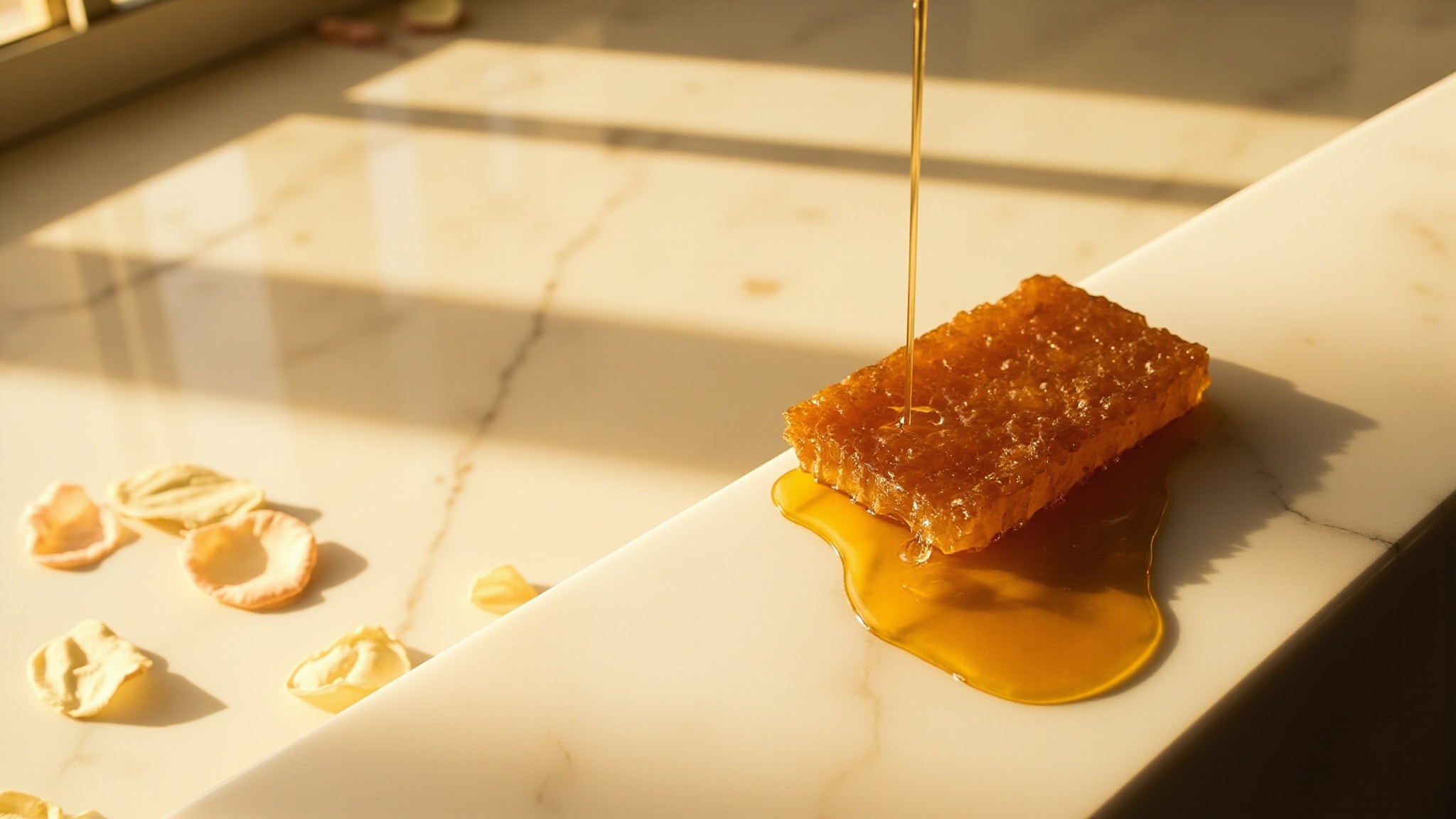
Killer Honey arrived in 2012 from Neotantric. The perfume opens with a honeyed sweetness that feels almost deceptively inviting. Beneath this apparent softness, patchouli provides an earthy, grounding presence. The composition balances sweetness with depth, avoiding the purely floral character of more conventional offerings. The interplay between these elements creates something that rewards attention.
On some skin, apricot arrives as a sun-warmed fruit at peak ripeness, soft and golden. On others, it takes a greener quality, reminiscent of a rose garden after rain. This variation in how the scent develops keeps Killer Honey interesting on repeat wearings. The patchouli at its heart prevents the sweetness from becoming simplistic or one-dimensional. Even in its most beautiful expressions, this fragrance maintains a grounded, earthy quality that adds depth.
The evolution
The opening announces itself with confidence. Ylang-ylang brings narcotic sweetness while pink pepper adds a calculated spark. Within twenty minutes, the apricot softens, turning from fruit into something warmer, rounder. Jasmine arrives quietly, threading through the heart alongside patchouli's earthy counterweight. By hour two, the composition has settled: florals recede, leaving rose and benzoin to build something balsamic and grounding. The labdanum lingers longest, resinous and ambery, providing warmth that stays close.
Cultural impact
Killer Honey occupies a specific niche: sweet enough to polarize, complex enough to reward repeat wearing. Apricot can present differently depending on skin chemistry, appearing as a sun-ripened fruit to some and a green rose garden to others. This variability invites continued exploration. The fragrance offers different dimensions on different occasions, never quite settling into predictability.