
The Story
Why it exists.
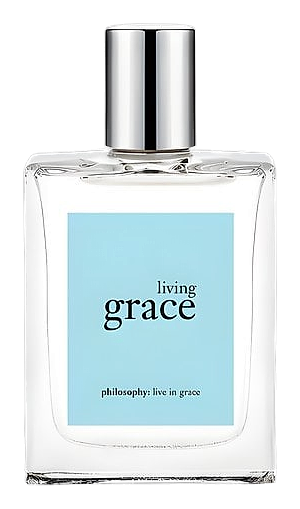
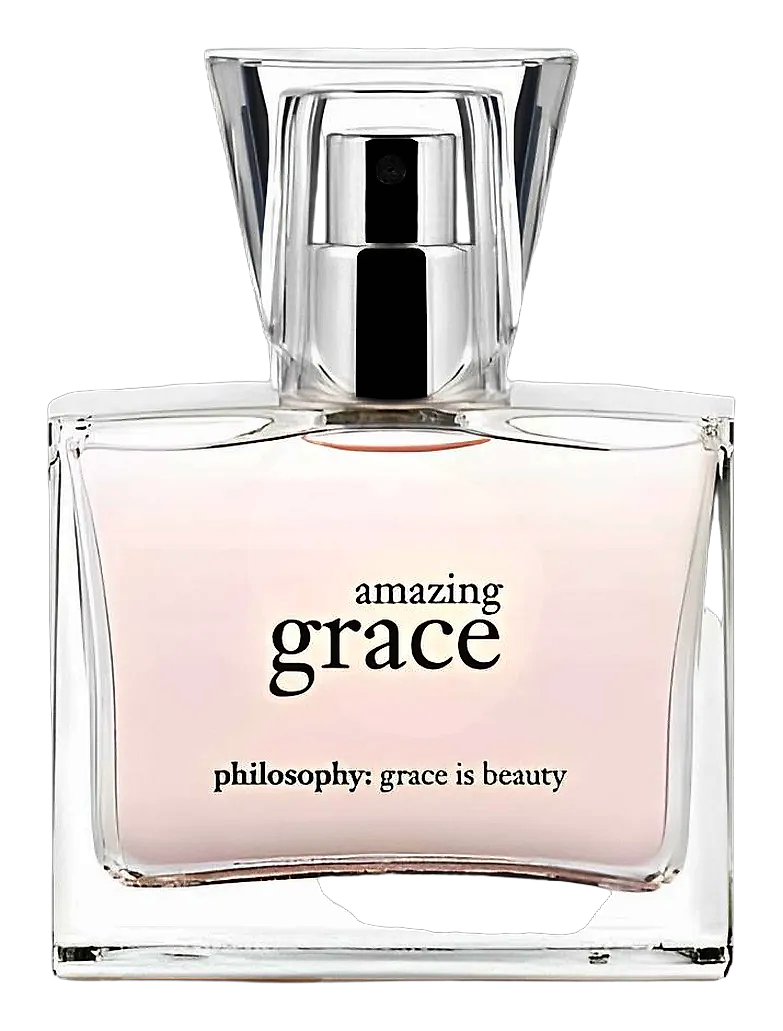
Tanya Petrakov created Amazing Grace in 1996 for Philosophy, a brand built on clinical skincare precision. Where other houses leaned on exotic materials and narrative myth-making, Philosophy brought scientific thinking to scent. The fragrance was an extension of that DNA. The brief wasn't "create a perfume", it was "create the idea of clean." Of skin that has just been washed and decisions that have just been made. The name itself says what it needed to be: present without apology. Grace that doesn't announce itself. That positioning, skin, not performance, has kept this one in rotation for decades. Not because it's groundbreaking. Because it's honest.
If this were a song
Community picks
Dreams
Fleetwood Mac
The Beginning
Tanya Petrakov created Amazing Grace in 1996 for Philosophy, a brand built on clinical skincare precision. Where other houses leaned on exotic materials and narrative myth-making, Philosophy brought scientific thinking to scent. The fragrance was an extension of that DNA. The brief wasn't "create a perfume", it was "create the idea of clean." Of skin that has just been washed and decisions that have just been made. The name itself says what it needed to be: present without apology. Grace that doesn't announce itself. That positioning, skin, not performance, has kept this one in rotation for decades. Not because it's groundbreaking. Because it's honest.
What makes the composition interesting is its commitment to restraint. Bergamot opens clean, not sharp. Grapefruit adds a quiet tartness that prevents the citrus from reading synthetic. Mandarin orange brings just enough sweetness to keep things from feeling like furniture polish. When the heart arrives, freesia and rose, they don't announce themselves. They settle. Jasmine adds body without sweetness, keeping the florals from reading girlish. Then the base: a single note, musk, used to create the impression of clean skin rather than skin with perfume on it. That's the trick. The fragrance doesn't smell like fragrance. It smells like the best version of having done nothing at all.
The Evolution
The opening lasts about fifteen minutes, bright, citrusy, barely-there. Then the grapefruit fades first, leaving the bergamot and mandarin to soften into something rounder. The florals arrive quietly, freesia stepping forward before the rose and jasmine blend into a warm middle that doesn't demand attention. The whole heart phase reads like one continuous note: soft, feminine, unobtrusive. What lingers longest is the musk. It arrives late, around the third hour, and becomes the only thing left on skin by hour four. Not a projecting base, not a sillage monster. Just the faint impression of clean skin, still there when everything else has gone. On fabric: bergamot and citrus for an hour, then silence. On skin: the full arc, intimate and close.
Cultural Impact
Amazing Grace found its audience in people who wanted presence without performance, a fragrance that worked as an everyday signature rather than a special occasion statement. The moderate sillage and shorter wear time positioned it well for the "clean girl" aesthetic that would dominate decades later, though it launched in 1996. It's been a reliable staple for over two decades because it promises one thing and delivers it: clean from start to finish, with no complexity or drama to navigate.
The House
United States · Est. 1996
Philosophy entered the fragrance world as an extension of its dermatological skincare expertise, bringing a clinical precision to scent creation that set it apart from traditional perfume houses. Founded by Cristina Carlino in 1996 as a Phoenix-based skincare brand, Philosophy leveraged its background in skin science to develop fragrances that prioritized skin compatibility alongside olfactory artistry. The brand gained recognition for its signature scent families, particularly the popular Pure Grace and Amazing Grace collections, which became cornerstone offerings in its fragrance portfolio. These lines showcased Philsophy's ability to translate simple, recognizable accords into elevated sensory experiences. Over time, the brand expanded its scent offerings to include seasonal limited editions and themed collections, often centered around evocative concepts like summer landscapes, winter imagery, and floral gardens. Philosophy occupies a distinctive position in the fragrance market by positioning itself at the intersection of beauty science and accessible luxury, appealing to consumers who value both efficacy and emotional resonance in their scent choices.
If this were a song
Community picks
The scent has the quality of morning light through thin curtains, present but never aggressive. It sounds like something you'd hear playing quietly in a clean room, not a performance space. The bergamot opens like a high piano note, then drops into something warmer and more sustained. Feels like something made in 1996 and never needed to change.
Dreams
Fleetwood Mac