The Story
Why it exists.
The beginning
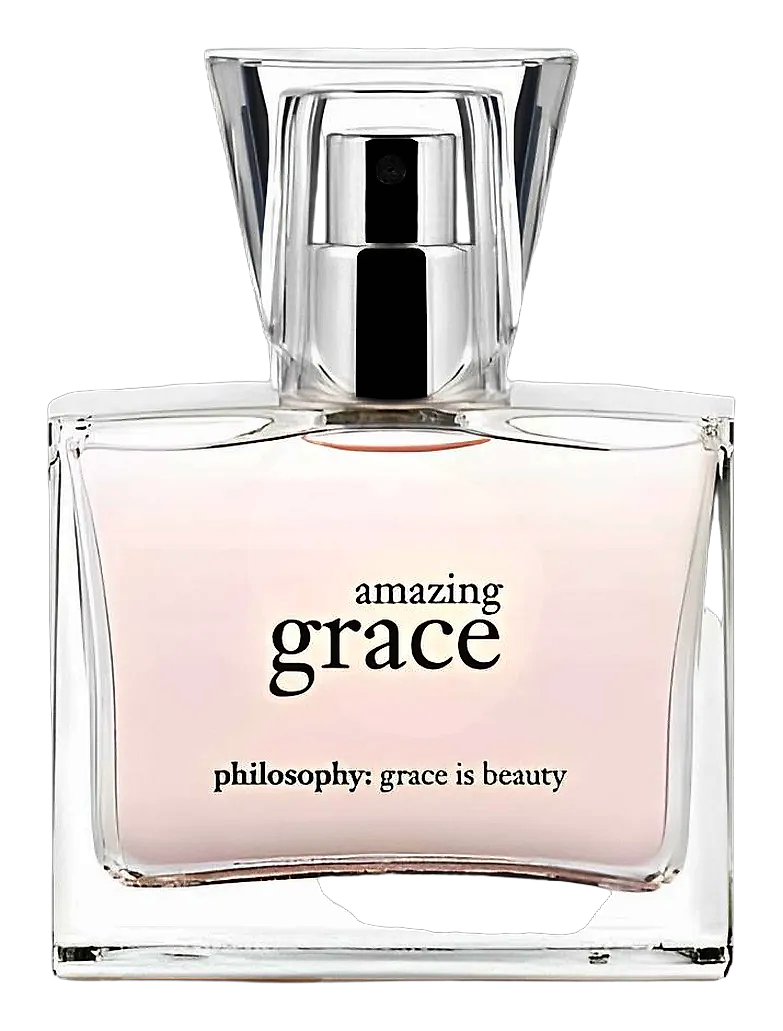
Philosophy built its name on the idea that what you put on your skin should work with it, not fight it. Pure Grace, created by perfumer Tatyana Petrakov in 2003, translates that clinical thinking into the most literal fragrance concept imaginable: soap and water, elevated. The brand didn't reach for exotic materials or complicated narratives. They asked a simpler question, what does 'clean' actually smell like, and how do you make it last?
The note structure is deceptively spare. Lavender and bergamot open the composition, then yield to water lily and jasmine before a clean musk base anchors everything to skin. There's nooud, no incense, no smoke. Just the familiar green of soap, the brightness of citrus, and white florals that smell like air rather than flowers. The restraint is the point. This is a fragrance that trusts its own simplicity.
The evolution
The opening hits sharp, bergamot and lavender arrive together, bright and herbaceous. Within minutes, the citrus fades and water lily steps forward, bringing a cool aquatic quality that softens everything. The jasmine doesn't announce itself. It arrives quietly, almost as an afterthought, while the lavender recedes into the background. By the second hour, you're left with clean skin and a quiet musk that stays close for another two to three hours. Pure Grace doesn't transform. It simplifies. The arc is brief and consistent, bright opening, clean heart, intimate close.
Cultural impact
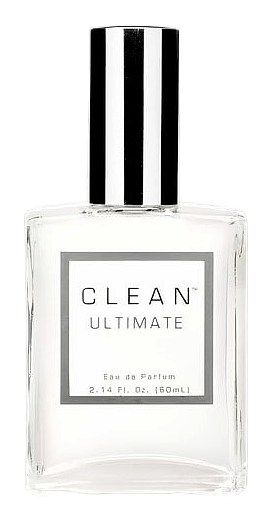
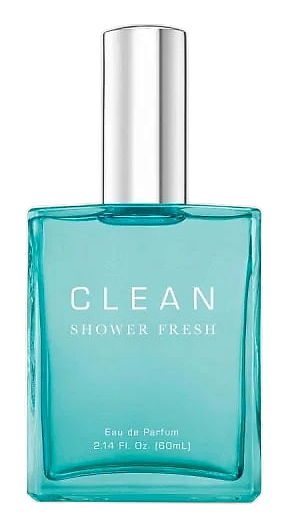
Pure Grace occupies a specific corner of fragrance culture, the one people land on when they decide they want to smell clean without smelling like they're trying. It sits alongside Clean Ultimate and similar aquatics as a reference point for that soap-and-water aesthetic. Since 2003, it's remained a quiet staple for people who prefer their fragrance to be present but unobtrusive.