Tatyana Petrakov
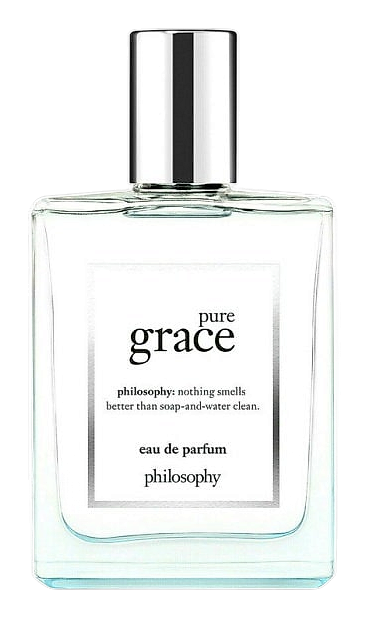
Tatyana Petrakov has spent over four decades translating emotion into scent. She came up through an era when women perfumers were rare, building her expertise across multiple houses before her work on Philosophy’s Amazing Grace in 1996 made her a quiet household name. The fragrance—clean, enduring, endlessly wearable—became a bestseller and introduced millions of people to her restrained, sophisticated sensibility. Rather than chase trends, Petrakov carved out a distinct path: she works slowly, prefers to let a fragrance develop its own personality rather than force it into a category. Her influence extends beyond her own formulas. Her daughter, Sofia Petrakov, now runs Submissive Perfume, a niche house the two developed together. Working alongside family has given Petrakov a rare luxury—the ability to mentor without ego, to hand off ideas and watch them grow into something neither of them could have made alone. She remains active, still creating, still skeptical of anything that tries too hard.
The hits
Notable creations

The signature
How Tatyana composes
Petrakov gravitates toward citrus, clean white florals, and soft musks, building compositions that open bright and settle into something warm and lived-in. She favors transparency over sillage projection—fragrances that reveal themselves gradually rather than announce arrival. Her work with Coty on a collaborative citrus scent demonstrated her ability to find depth in freshness, balancing tart top notes against a more textured base. She is known for carefully calibrating bergamot’s bitterness against softer supporting notes, creating fragrances that feel both structured and gentle. Her style avoids heaviness; even her richer compositions maintain an airy quality, as though the scent is always slightly escaping its wearer.
Philosophy
What drives Tatyana
Petrakov believes a fragrance should feel like a secret kept well—personal, specific, never announcing itself. She resists the pressure to chase seasonal collections or cater to algorithmic taste, favoring instead the slow craft of work that lasts. Her approach prioritizes clarity over complexity: fewer elements, chosen with precision, allowed to breathe. She has spoken about drawing inspiration from memory and the physical world rather than trend forecasting. When developing a fragrance, she asks what feeling it should carry, not what market it should capture. This instinct has kept her work feeling fresh long after launch dates—Amazing Grace continues to sell decades after its debut precisely because it answers no one’s expectations but its own.
The houses
Maisons Tatyana composes for
In the same league