



















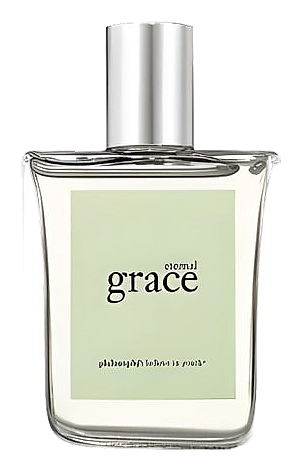





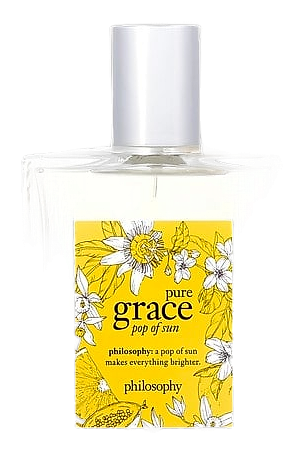



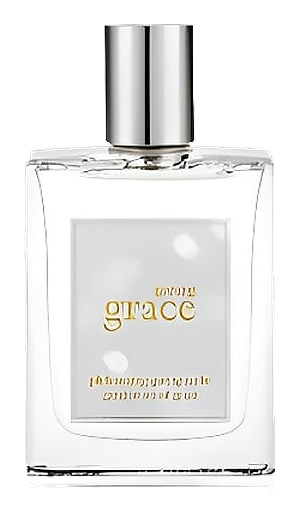


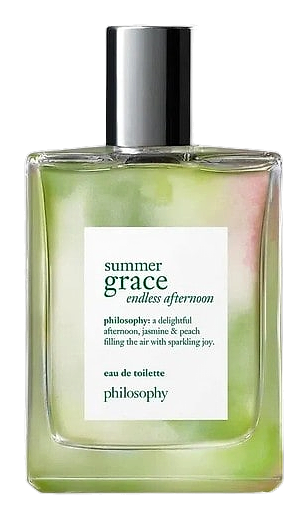






The Heritage
The Story of Philosophy
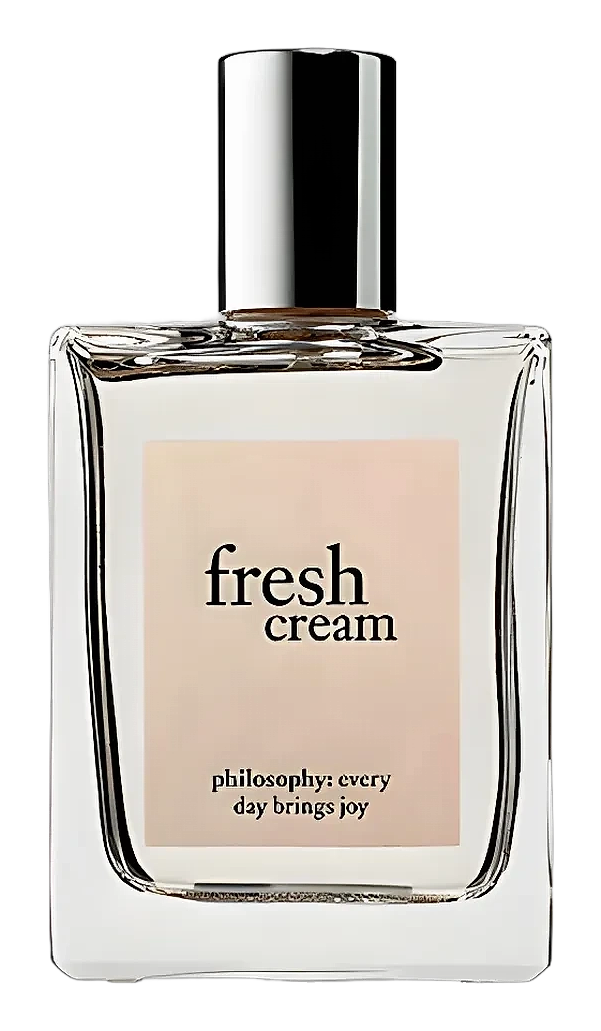
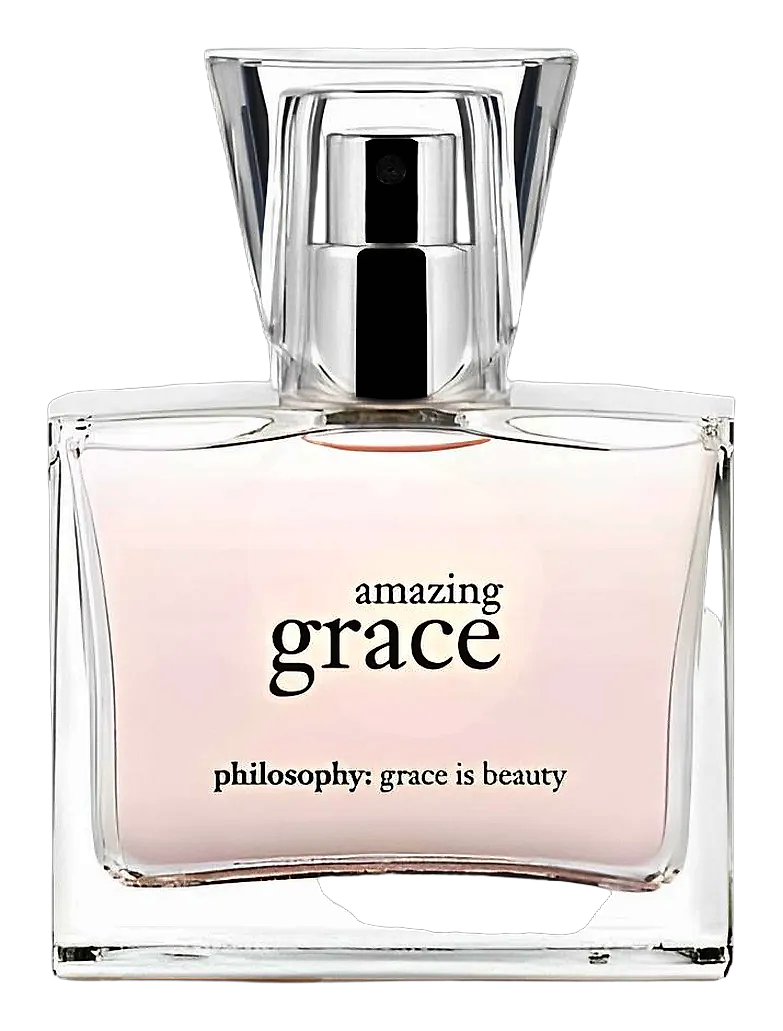
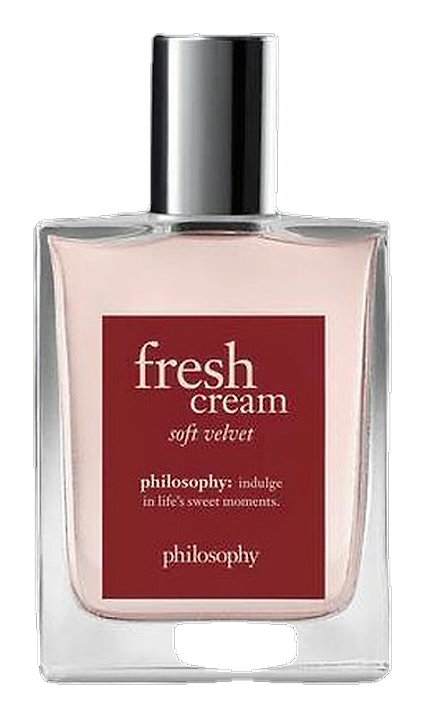
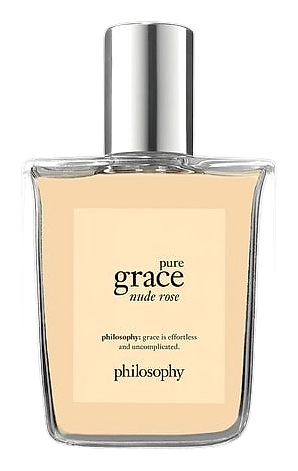
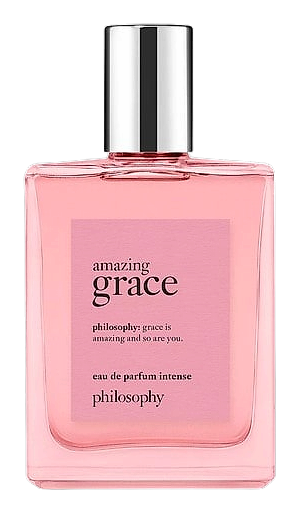
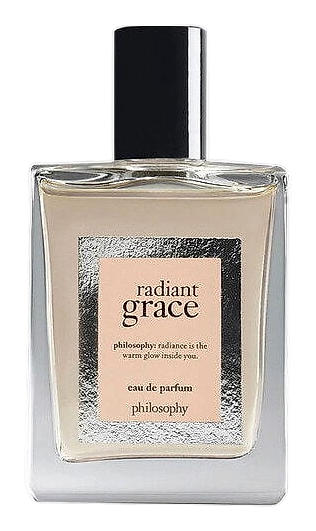
Philosophy entered the fragrance world as an extension of its dermatological skincare expertise, bringing a clinical precision to scent creation that set it apart from traditional perfume houses. Founded by Cristina Carlino in 1996 as a Phoenix-based skincare brand, Philosophy leveraged its background in skin science to develop fragrances that prioritized skin compatibility alongside olfactory artistry. The brand gained recognition for its signature scent families, particularly the popular Pure Grace and Amazing Grace collections, which became cornerstone offerings in its fragrance portfolio. These lines showcased Philsophy's ability to translate simple, recognizable accords into elevated sensory experiences. Over time, the brand expanded its scent offerings to include seasonal limited editions and themed collections, often centered around evocative concepts like summer landscapes, winter imagery, and floral gardens. Philosophy occupies a distinctive position in the fragrance market by positioning itself at the intersection of beauty science and accessible luxury, appealing to consumers who value both efficacy and emotional resonance in their scent choices.
Heritage
The story of Philosophy begins with Cristina Carlino, an entrepreneur who built the brand from her background in dermatological skincare. In 1996, she founded the company in Phoenix, Arizona, initially focusing on skincare formulations designed to deliver clinical results in accessible formats. Carlino's background included an innovation that would shape the brand's identity: she reportedly developed the "lunch-time peel," a formulation that provided in-office treatment results at home without causing redness or irritation. This approach to democratizing professional-grade skincare became a founding principle for the company. Philosophy expanded beyond its skincare origins to enter the fragrance category, applying the same evidence-based philosophy to scent development. The brand maintained its headquarters and operational base in the Phoenix area during its early growth phase. In 2007, The Carlyle Group, a global investment firm, acquired Philosophy, marking a significant transition for the brand. The company later changed hands again as part of subsequent corporate restructuring within the beauty industry. Throughout these ownership changes, Philosophy continued to release new fragrance collections, including its well-known seasonal limited editions. The brand's heritage reflects an unconventional path in perfumery, one rooted in science rather than traditional artisanal fragrance house origins, yet one that resonated with consumers seeking the intersection of wellness and beauty.
Craftsmanship
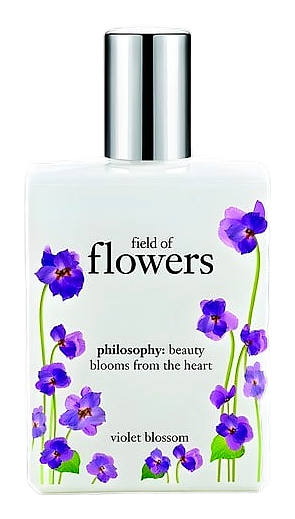
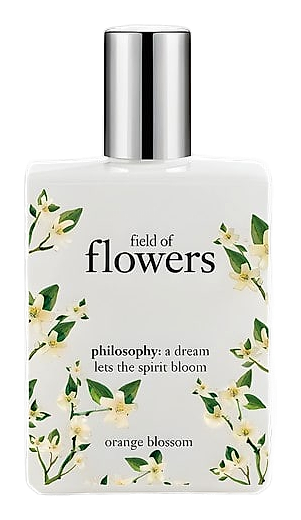
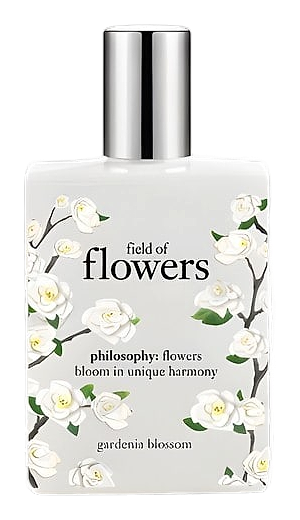
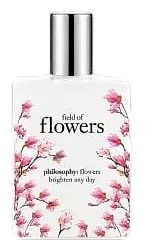
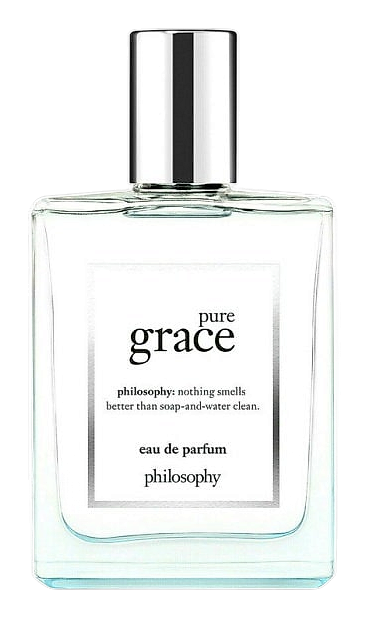
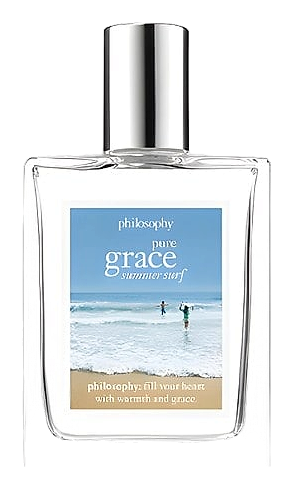
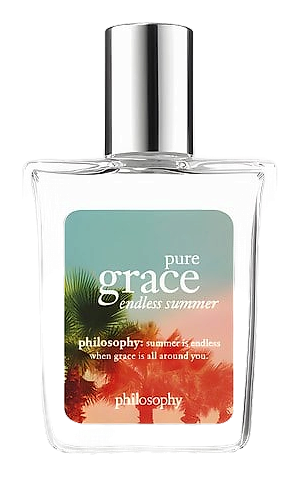
While Philosophy does not publicly identify specific perfumers for its fragrance lines, the brand's craftsmanship approach draws from its dermatological heritage. Fragrance development within the company follows protocols informed by skincare science, including careful attention to skin compatibility and wearability. The brand's seasonal limited editions showcase systematic craftsmanship in translating thematic concepts into olfactory compositions. For instance, the Snow Globe series and Snow Angel fragrance represent coordinated efforts to capture winter imagery through scent, while summer releases like Pure Grace Summer Surf and Pure Grace Endless Summer translate warm-weather moods into wearable formats. The Field of Flowers collection demonstrates the brand's approach to botanical themes, with Orange Blossom as a 2012 release representing floral exploration. Philosophy formulations undergo evaluation for how they interact with skin, reflecting the brand's roots in skincare product development. Ingredients are selected to ensure skin-safe profiles alongside olfactory appeal, particularly in product lines that function as both fragrance and body care. The Fresh Cream Warm Cashmere release from 2018 exemplifies this approach, offering a comfort-forward scent profile designed for everyday wear. Quality processes emphasize consistency across product formats, allowing consumers to layer fragrances through shower gels, body lotions, and perfumes within the same scent family.
Design Language
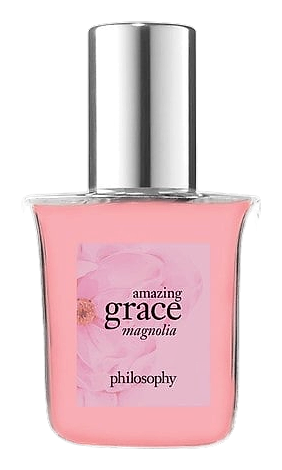
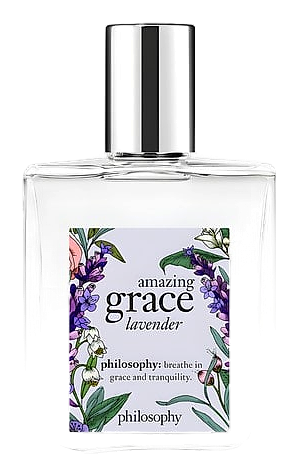
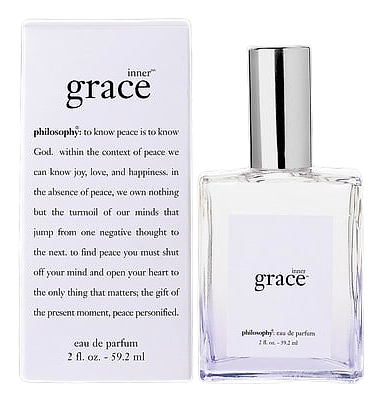
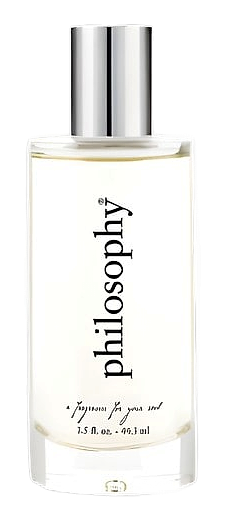
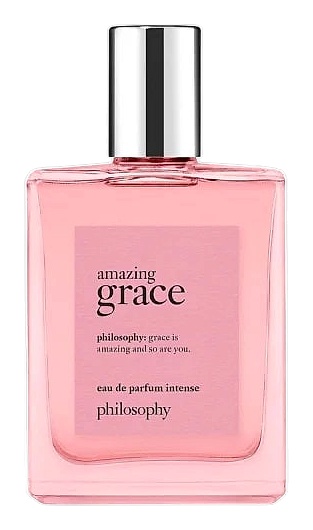
The visual identity of Philosophy fragrances reflects the brand's clean, minimal approach to beauty. Packaging typically features white and soft neutral backgrounds with understated typography, creating a clinical yet approachable aesthetic that connects to the brand's skincare origins. Bottle designs favor simple, rounded silhouettes with minimal ornamentation, often using frosted glass or soft opaque finishes. The overall effect positions Philosophy products as accessible yet refined, avoiding both clinical sterility and excessive luxury posturing. Seasonal limited editions receive distinctive packaging treatments that evoke their thematic concepts, such as winter motifs for the Snow Globe releases and ocean-inspired imagery for surf-themed fragrances. The brand's logo and identity system maintain consistency across decades, with the company name presented in a clean, modern typeface. Photography and advertising campaigns emphasize skin, wellness, and natural beauty rather than elaborate fantasy scenarios. This aesthetic consistency helps Philosophy maintain a recognizable identity even as it releases diverse fragrance collections. The connection between fragrance and skincare extends to packaging that often includes body care and fragrance in coordinated sets, reinforcing the brand's holistic approach to personal scent.
Philosophy
Philosophy approaches perfumery with the same evidence-driven mindset that characterized its skincare origins. Rather than positioning itself as a house of rare natural materials or centuries-old fragrance traditions, Philosophy brings clinical thinking to scent creation, asking how fragrances interact with skin chemistry and how they can enhance daily rituals. The brand's name itself reflects a commitment to articulating its values and approach openly. Philsophy's fragrance philosophy centers on the idea that scent should feel like an intuitive extension of self rather than an overpowering statement. This guiding principle informed the development of its most recognizable scent families, including the minimalist Grace collection and the seasonal Pure Grace variations. The brand also emphasizes the connection between fragrance and personal care routines, often designing products that bridge the gap between perfumes and body care. This integration reflects a broader wellness orientation that Carlino embedded in the company from its skincare days. Philsophy fragrances typically feature clean, approachable compositions that avoid aggressive sillage in favor of intimate, skin-close presence. The brand's approach to limited edition releases demonstrates a belief in the emotional power of scent to capture specific moments, seasons, and moods.
Key Milestones
1996
Cristina Carlino founds Philosophy in Phoenix, Arizona, establishing the brand as a skincare company with a focus on dermatological formulations
1996
Carlino reportedly develops the "lunch-time peel" concept, enabling professional-grade skincare results in home-use formats without irritation
2007
The Carlyle Group acquires Philosophy, marking a significant ownership transition for the brand
2012
Philosophy releases Field of Flowers Orange Blossom, expanding into the floral fragrance category
2017
The brand introduces Pure Grace Summer Surf, continuing its seasonal limited edition strategy
2018
Philosophy releases multiple limited edition fragrances including Amazing Grace Limited Edition, Fresh Cream Warm Cashmere, Snow Angel, and Pure Grace Endless Summer
At a Glance
Brand profile snapshot
Origin
United States
Founded
1996
Heritage
30
Years active
Collection
4
Fragrances released
Avg Rating
3.9
Community sentiment
Release Rhythm


