
The Story
Why it exists.
The beginning
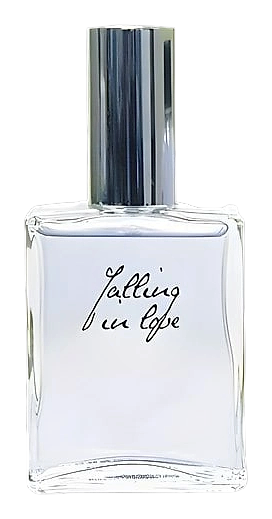
Bruce Corrigan designed Falling In Love in 2000 with a specific emotional brief: capture the scent of new romance itself. Not a literal interpretation of flowers or dates, but the feeling, that lift in the chest, the sweetness that sneaks up on you. Philosophy, a brand built by Cristina Carlino in 1996 from dermatological skincare roots, brought clinical thinking to the brief. The question wasn't just what smells good. It was what smells like falling in love. Corrigan answered with blackberry, jasmine, and vanilla, materials that could translate electricity into skin chemistry.
The real achievement in Falling In Love is how it handles blackberry without letting it tip into jam. The fruit carries natural tartness that wants to go sweet and heavy. Jasmine's green floralcy and the musk base pull against that sweetness, keeping the composition modern and skin-like rather than dessert-like. Vanilla does the romantic work, warm, soft, familiar, but it's grounded by the musk that runs through the base and the heart. The result is sweet without being childish, fruity without being one-note. It's the kind of balance that sounds simple but requires real restraint.
The evolution
The opening hits bright and tart, blackberry that reads almost effervescent, like berries that have just been picked. Thirty minutes in, jasmine and lily of the valley arrive to soften the tartness, adding a clean floral layer that transforms the initial brightness into something warmer and more approachable. The vanilla in the heart is what you notice next, sweet, creamy, a little romantic. It doesn't compete with the blackberry; it harmonizes. The drydown strips everything back to musk and vanilla. Intimate. Warm. The kind of trace that stays close to skin for a couple of hours after the initial 3-4 hour arc fades. Like the scent left behind on someone's neck after a first date.
Cultural impact
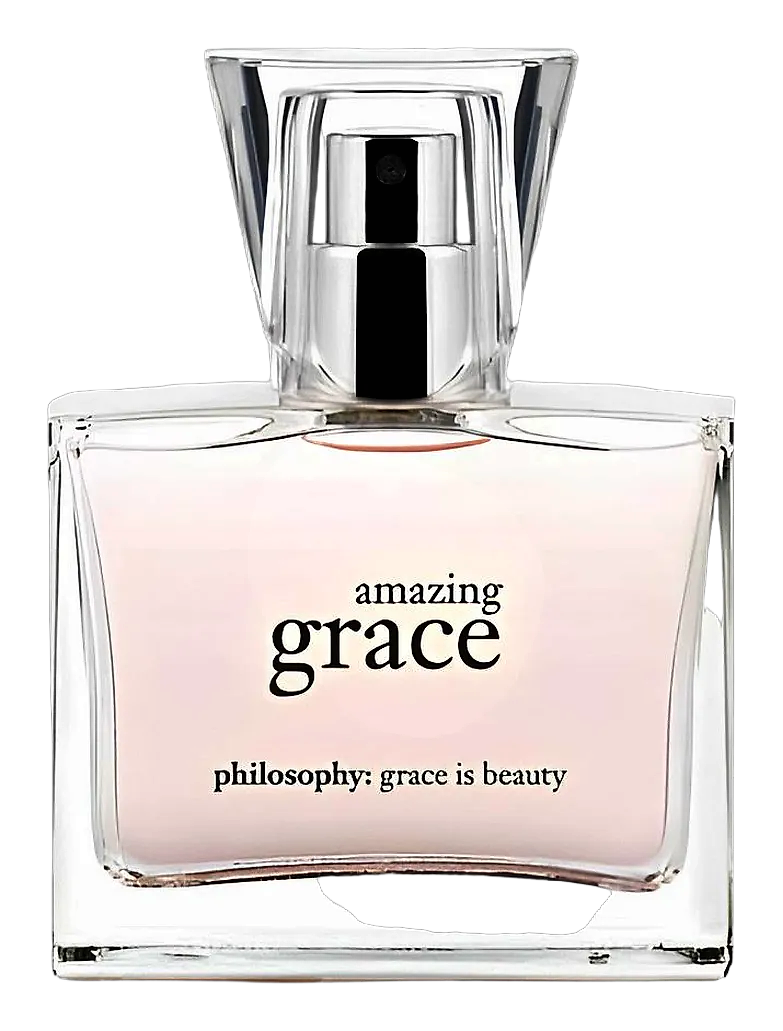
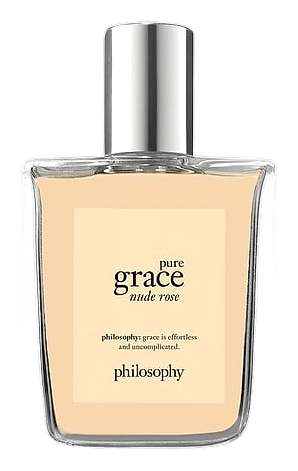
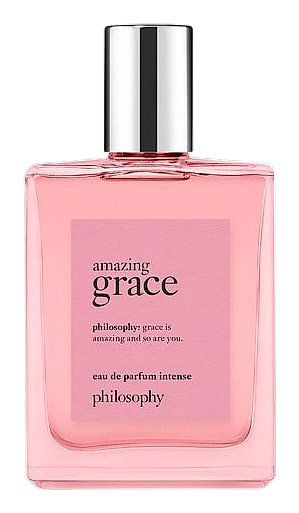
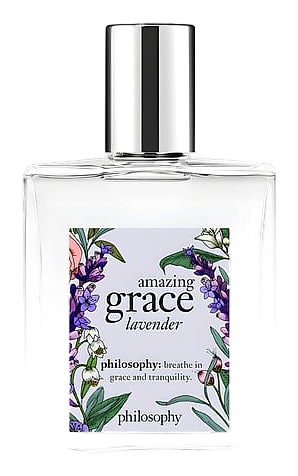
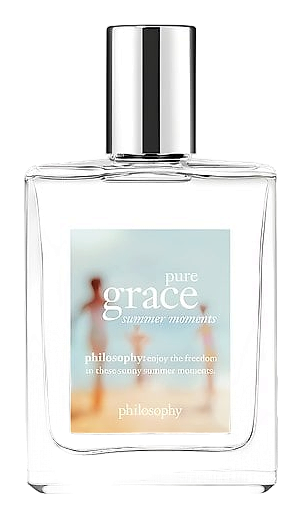
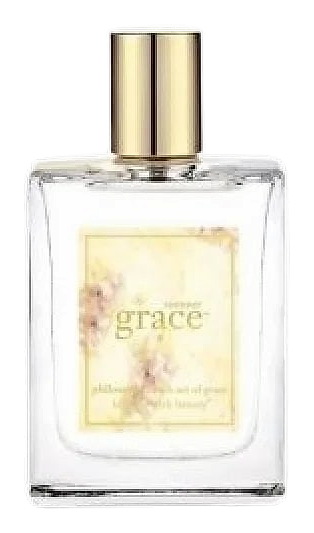
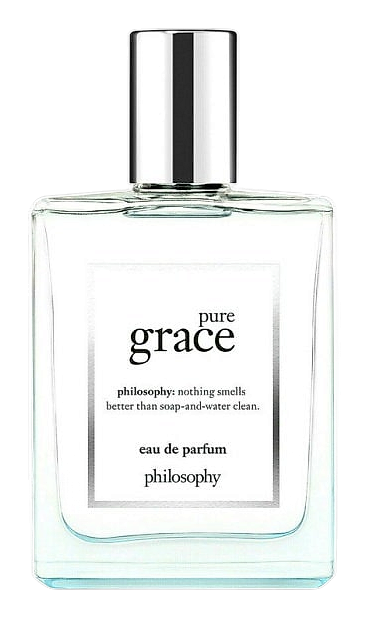
Falling In Love arrived in 2000 as a fruity-floral that refused to shout. While contemporaries were building loud projections and heavy sillage, Philosophy offered something quieter, a scent that belonged to skin rather than announcing itself. The blackberry-vanilla combination positioned it as romantic and approachable, which made it a natural fit for everyday wear, professional settings, and anyone who wanted fragrance to feel intuitive rather than performative. Fans of the Philosophy line often pair it with Amazing Grace or Pure Grace, other skin-close scents that share the same philosophy of scent as extension of self.
The House
PhilosophyPhilosophy entered the fragrance world as an extension of its dermatological skincare expertise, bringing a clinical precision to scent creation that set it apart from traditional perfume houses. Founded by Cristina Carlino in 1996 as a Phoenix-based skincare brand, Philosophy leveraged its background in skin science to develop fragrances that prioritized skin compatibility alongside olfactory artistry. The brand gained recognition for its signature scent families, particularly the popular Pure Grace and Amazing Grace collections, which became cornerstone offerings in its fragrance portfolio. These lines showcased Philsophy's ability to translate simple, recognizable accords into elevated sensory experiences. Over time, the brand expanded its scent offerings to include seasonal limited editions and themed collections, often centered around evocative concepts like summer landscapes, winter imagery, and floral gardens. Philosophy occupies a distinctive position in the fragrance market by positioning itself at the intersection of beauty science and accessible luxury, appealing to consumers who value both efficacy and emotional resonance in their scent choices.
The Creator
Bruce CorriganCorrigan's technical background left its mark on his compositional style. He favored clean, well-structured fragrances where each material had a clear purpose.