
The Story
Why it exists.
The beginning
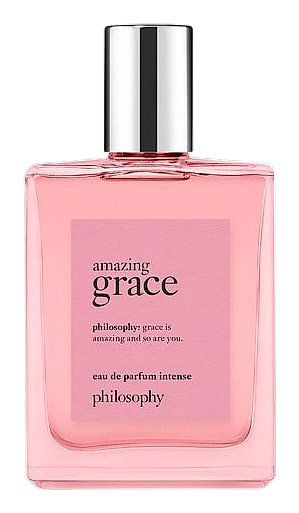
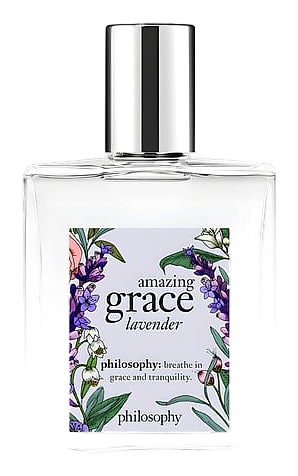
Amazing Grace Lavender arrived in 2022 as an evolution of Philosophy's most recognizable fragrance family. The brief was simple: take the whisper-soft floral DNA that made the original a bestseller and push it somewhere new. Cecile Hua reached for lavender bud, not as a supporting note, but as the lead. The result is a fragrance that carries the house's signature softness while introducing something herbaceous and bright. It's the kind of reinvention that only works when you know exactly what you're building from.
What makes this composition interesting is the tension between clarity and softness. The bergamot and grapefruit open sharp and immediate, they demand attention in the first minutes. But the lavender bud pulls against that brightness, adding an herbal depth that keeps the citrus from reading as a generic fresh scent. The blackcurrant in the top does quiet work too, lending a tartness that prevents the grapefruit from floating off into cartoon territory. By the time the heart arrives, the composition has already made its case: this isn't lavender as an afterthought. It's lavender as the point.
The evolution
The opening hits bright, bergamot and grapefruit with an undertone of blackcurrant that adds just enough tartness to keep it from smelling like window cleaner. The citrus reads clean and present for the first thirty minutes, maybe forty-five on skin that runs warm. Then the lavender bud arrives. Not all at once, it creeps in alongside the lily of the valley, softening the herbal edge into something creamier, more aromatic. The raspberry in the heart is a quiet sweetness that never announces itself. By hour three, the composition has settled into its base. Musk wraps close to the skin. Jasmine adds a warm floral weight. Pink pepper keeps things interesting with a subtle spice that catches on the exhale. The drydown is intimate by design, you have to lean in to find it, and that's the point.
Cultural impact
Amazing Grace Lavender fills a specific gap in the market: fresh, clean fragrance without the clinical sharpness that alienates people who find citrus too aggressive. It belongs to a lineage of everyday-wear scents that prioritize skin compatibility over sillage, the kind of fragrance you reach for on a Tuesday morning when you want to smell good without thinking about it. The lavender note brings something herbal and real to a category often dominated by synthetic freshness.
The House
PhilosophyPhilosophy entered the fragrance world as an extension of its dermatological skincare expertise, bringing a clinical precision to scent creation that set it apart from traditional perfume houses. Founded by Cristina Carlino in 1996 as a Phoenix-based skincare brand, Philosophy leveraged its background in skin science to develop fragrances that prioritized skin compatibility alongside olfactory artistry. The brand gained recognition for its signature scent families, particularly the popular Pure Grace and Amazing Grace collections, which became cornerstone offerings in its fragrance portfolio. These lines showcased Philsophy's ability to translate simple, recognizable accords into elevated sensory experiences. Over time, the brand expanded its scent offerings to include seasonal limited editions and themed collections, often centered around evocative concepts like summer landscapes, winter imagery, and floral gardens. Philosophy occupies a distinctive position in the fragrance market by positioning itself at the intersection of beauty science and accessible luxury, appealing to consumers who value both efficacy and emotional resonance in their scent choices.
The Creator
Cécile Hua a.k.a. Cécile KrakowerCécile favors natural materials and technical innovation. She pioneered the first natural passion fruit extract in perfumery using a proprietary CO2 extraction technique, a testament to her willingness to push boundaries in ingredient development.