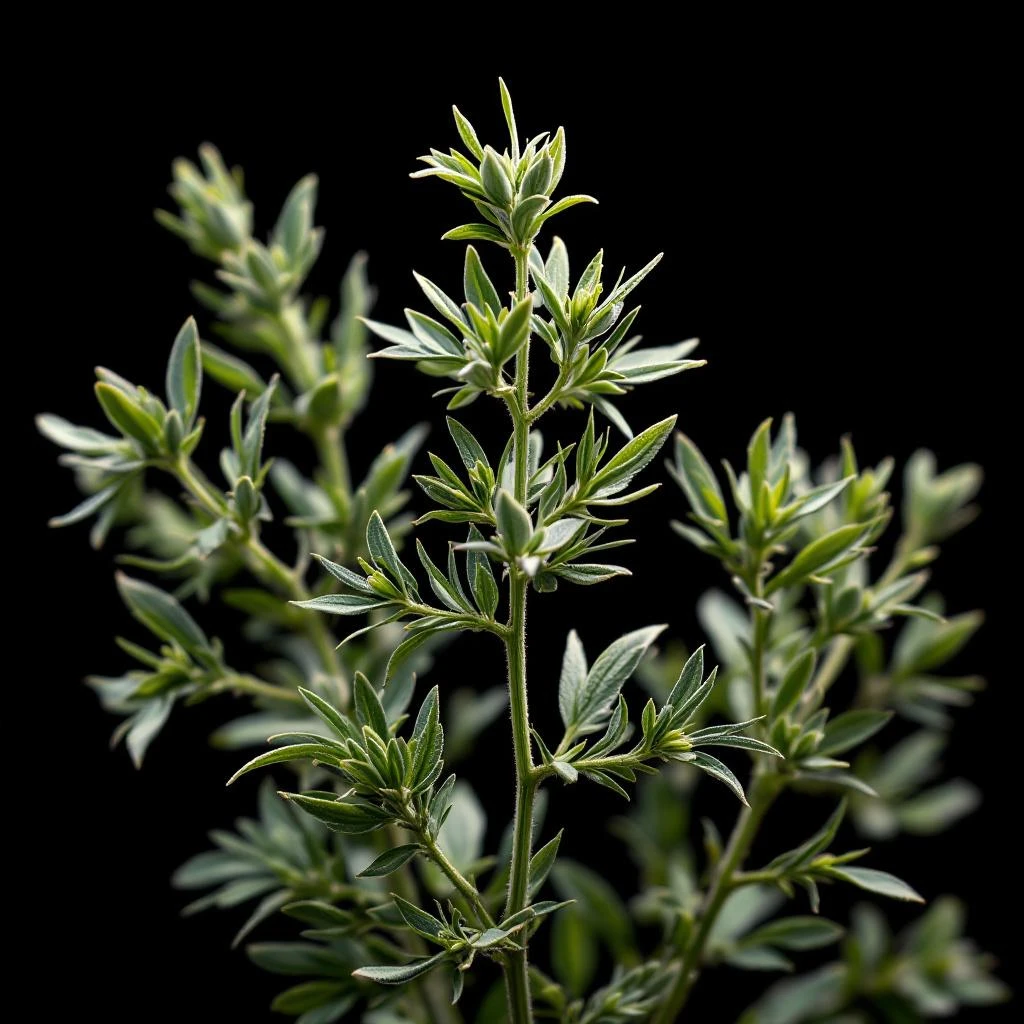
Lavender Bud
Lavender bud delivers a crisp, herbaceous floral with clean, cool character. Its calming nature brings balance to compositions, creating gentle dry-downs that linger with quiet elegance.
Character
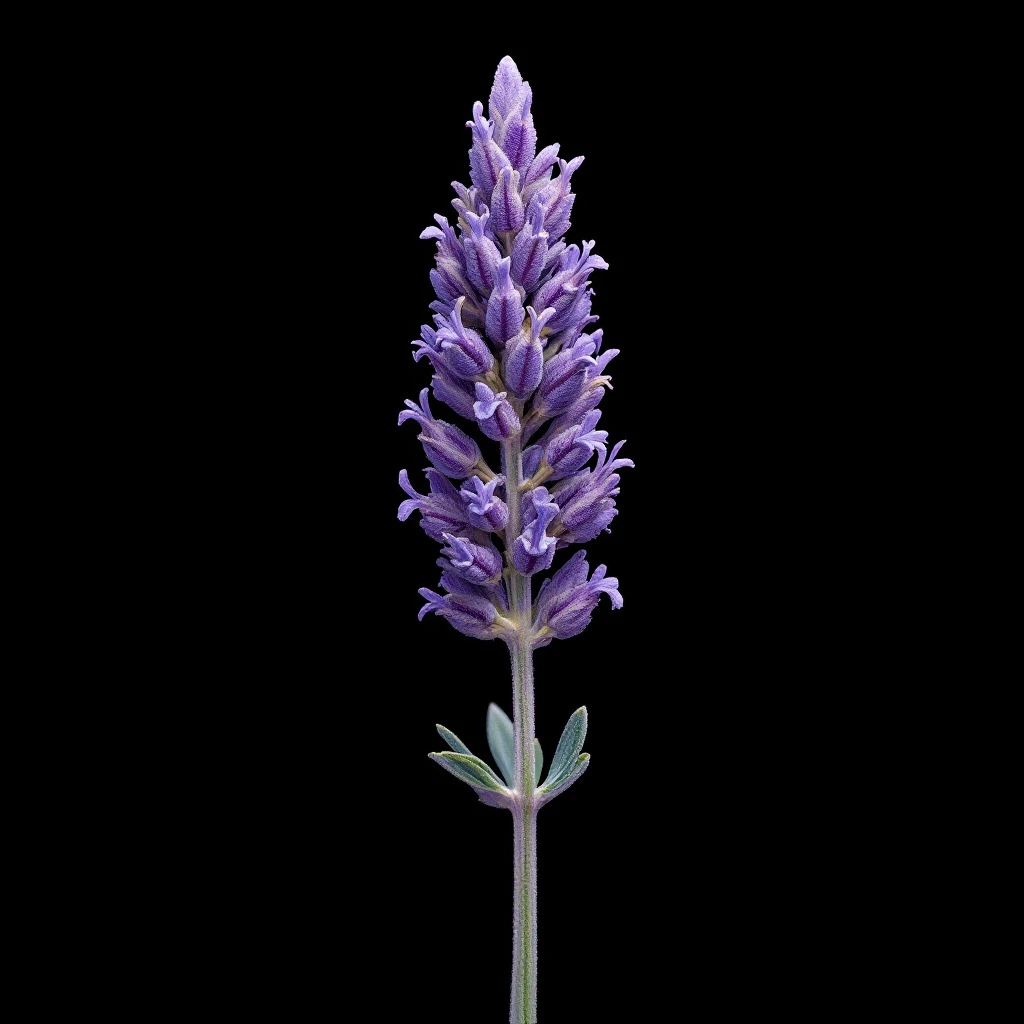
How it smells
Crisp, herbaceous floral with calming depth.
The word lavender comes from the Latin "lavare," meaning "to wash" — a nod to its ancient role in bathing rituals.




Origin
France
Archaeologists uncovered a perfume factory from 2000 BCE in ancient Egypt that used lavender alongside coriander, laurel, and myrtle. The Egyptians employed it as perfume and incense.
Lavender featured in herbal baths of both Egyptian and Roman cultures. The Romans spread lavender throughout Europe, introducing it to Provence where it found ideal growing conditions in warm, dry Mediterranean lands.
By the 18th century, the south of France had made lavender farming its central economic function, giving rise to the distinguished perfume industry in Grasse. The name itself derives from the Latin "lavare" — to wash — reflecting centuries of use in bathing and aromatic preparations.
Wears it best
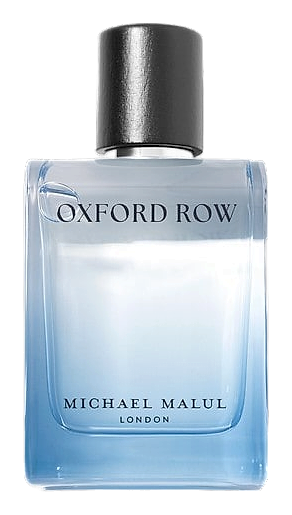
Fragrances featuring Lavender Bud
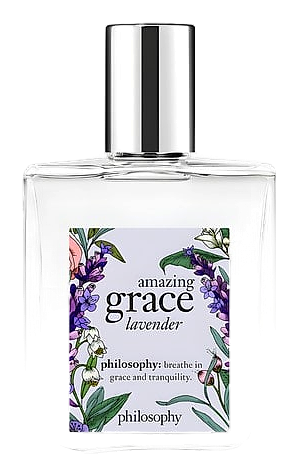
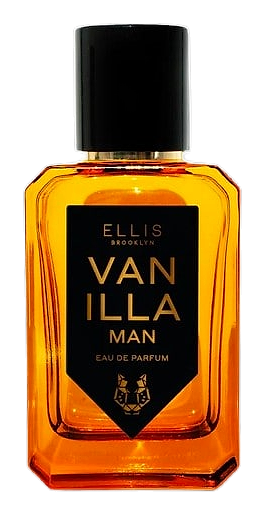
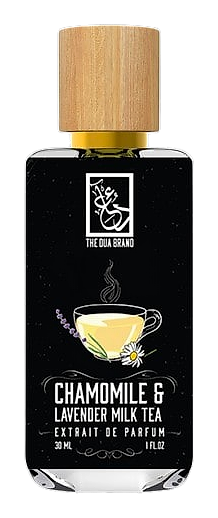
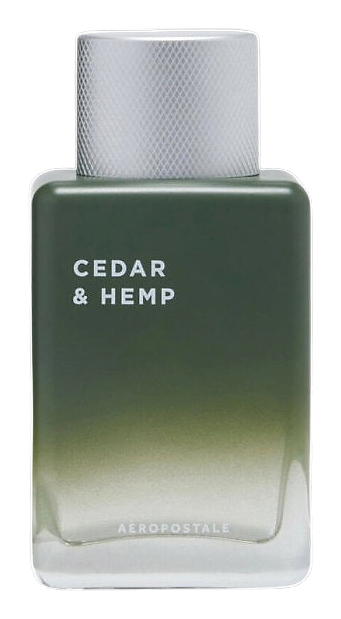
Brands
Brands known for Lavender Bud
Good to know
Questions, answered
The essentials on Lavender Bud in perfumery: how it smells, where it comes from, and how it behaves on skin.
What does lavender bud smell like in perfumery?
Lavender bud produces a clean, floral, herbaceous scent with subtle camphorated coolness. It bridges fresh and warm fragrance families, pairing well with citrus, florals, and woody bases.
What concentration of lavender bud do perfumers use?
Perfumers typically use lavender bud extracts at 5-20% concentration in fragrance compositions. It works effectively as a heart note and remains stable across most fragrance bases.
How does lavender bud differ from lavender essential oil?
Lavender bud refers to the unopened flower clusters, while essential oil comes from flowering tops. The bud form offers superior retention in alcohol-based perfumes and appeals to natural perfumers for its concentrated aromatic profile.
Where does the best quality lavender bud come from?
Provence, France remains the benchmark source, though Bulgaria and England also produce quality material. Altitude and Mediterranean climate create optimal growing conditions for high-linalool lavender.
What fragrances pair well with lavender bud?
Lavender bud combines naturally with citrus (bergamot, lemon), florals (rose, jasmine), and woody bases (cedar, sandalwood). It also anchors chypre and fougere compositions.
Why has lavender remained a perfumery staple for centuries?
Ancient Egyptians used lavender in perfumery around 2000 BCE. By the 18th century, Provence had built its economy around lavender farming, establishing the foundation for modern fine fragrance.
Does lavender bud help fragrances last longer?
Lavender bud acts as both fragrance component and fixative. Its molecular structure helps extend the longevity of lighter top notes when used as a fragrance foundation.
What makes lavender bud distinct from lavender flowers?
Lavender bud describes the unopened flower clusters harvested before full bloom. These buds contain concentrated aromatic compounds, making them particularly valued for sachets, potpourri, and natural perfumery applications.