Chamomile Bud
Chamomile Bud delivers soft, apple-sweet florals with hay and herbal warmth. This rare perfumery material adds a calming, grounding heart to fine fragrances.
Character
How it smells
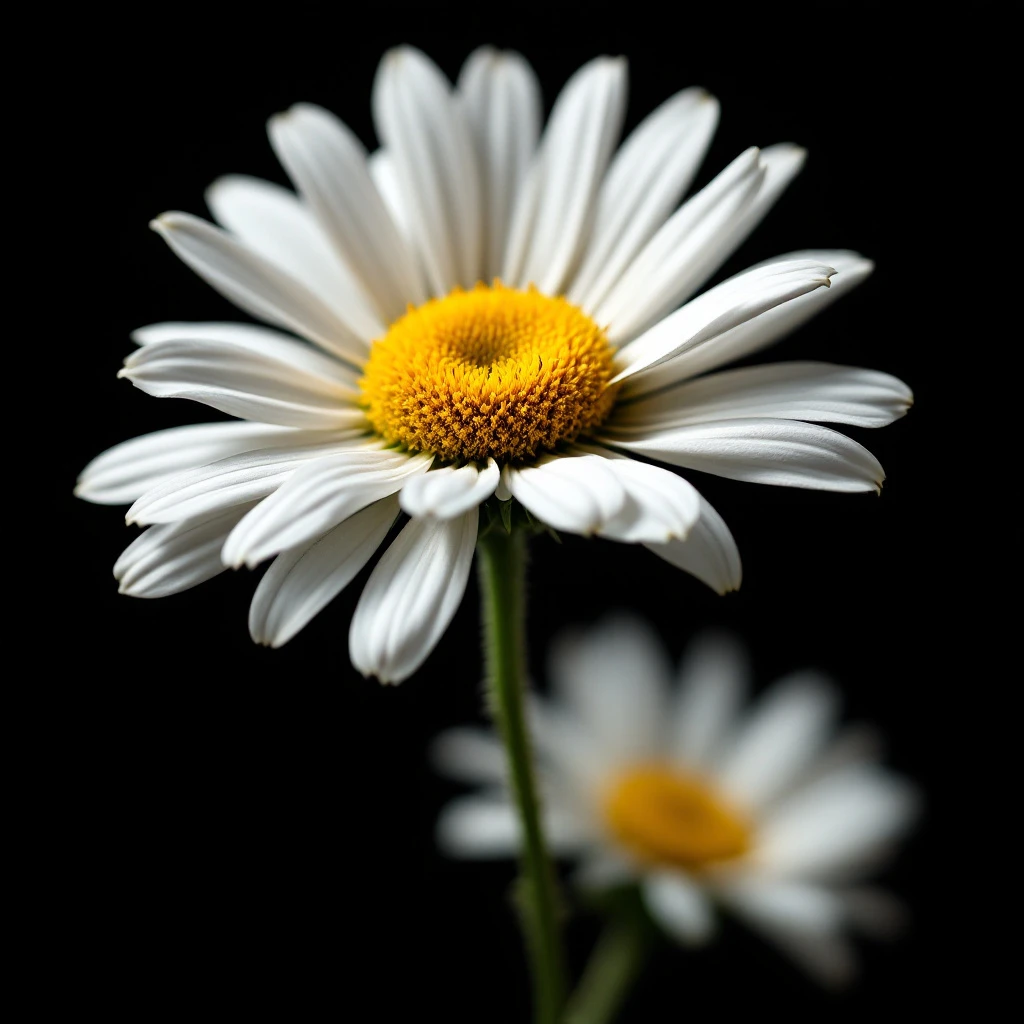
Soft apple and hay—the quiet heart of soothing scent.
Chamomile owes its vivid blue oil to chamazulene, an anti-inflammatory component that forms during steam distillation and carries therapeutic value beyond fragrance.
Pairs beautifully with

Origin
Germany
The name chamomile traces to the Greek khamaimelon, meaning earth apple—a nod to both the low-growing plant and the apple fragrance of its blooms. Ancient Egyptian physicians recorded chamomile in medical papyri around 1550 BCE, while Greek physicians Hippocrates and Galen documented chamomile treatments for fever and digestive complaints. Roman physicians continued this tradition, establishing chamomile as a staple across Mediterranean healing practices. Egyptian priests considered chamomile sacred, often dedicating it to Ra, the sun god.
The Egyptians also used chamomile extensively in cosmetics and perfumes. Greeks applied chamomile in salves and beverages, while Romans favored it in bath preparations and as a flavoring agent. Trade routes eventually carried chamomile to Central Europe, where folk medicine traditions adopted it widely. By the 17th century, chamomile appeared in European gardens and apothecaries throughout the continent.
British herbalists recorded chamomile use after Roman legions introduced it to the island. This ancient lineage of therapeutic and aromatic use gradually informed its modern application in perfumery, where it appears in fine fragrances as a subtle, calming heart note.
Wears it best
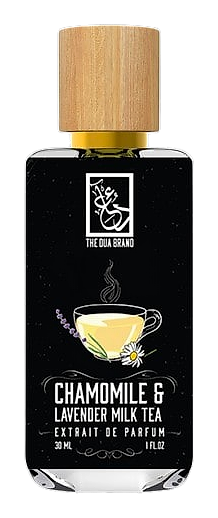
Fragrances featuring Chamomile Bud
Brands
Brands known for Chamomile Bud
Good to know
Questions, answered
The essentials on Chamomile Bud in perfumery: how it smells, where it comes from, and how it behaves on skin.
What does chamomile smell like in perfume?
Chamomile in perfume smells softly floral with sweet apple and hay notes. Its profile includes herbal and slightly bitter undertones that lend a natural, calming quality. The combination creates a gentle sweetness that works well as a bridging note in fragrance compositions.
Why does chamomile oil appear blue?
Chamomile oil appears blue because of chamazulene, a compound formed during steam distillation. Heat transforms matricin, a compound present in the flower, into chamazulene, which produces the characteristic deep blue color. Roman chamomile oil lacks this vivid coloring and has a milder scent.
What role does chamomile play in perfumery?
Chamomile functions as a heart to base note in perfumery. It adds soft floralcy and a calming effect to fragrance compositions. Perfumers often position it alongside lavender, bergamot, or geranium to enhance herbal depth and create soothing drydown moments.
Is chamomile commonly used in fragrances?
Chamomile remains a relatively rare material in perfumery despite its long history. Sources indicate it serves mostly as a fragrance and skin conditioning ingredient in cosmetics. Natural chamomile brings complexity that synthetic alternatives struggle to replicate fully.
Where does chamomile originate?
Chamomile (Matricaria chamomilla) originates from Europe and Western Asia. German chamomile dominates commercial cultivation and perfumery use. Egypt, Hungary, and France also produce significant quantities of high-quality chamomile oil.
What is the botanical name for chamomile used in perfumery?
The botanical name for German chamomile is Chamomilla recutita. This species produces the blue oil prized in perfumery. Roman chamomile carries the botanical name Chamaemelum nobile and produces a different, milder aromatic profile.
What does the word chamomile mean?
Chamomile derives from the Greek words khamaimelon, combining khama (on the ground) and melon (apple). The name references both the plants low-growing habit and the apple-like fragrance of its fresh blooms.
What blends well with chamomile in fragrance?
Chamomile pairs naturally with lavender, bergamot, and geranium. It also complements other herbal materials like clary sage and basil. Warm base notes including sandalwood and vanilla round out chamomiles gentle, calming character.





