The Story
Why it exists.
The beginning
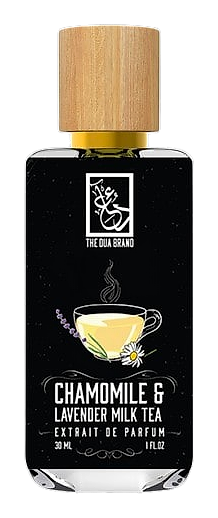
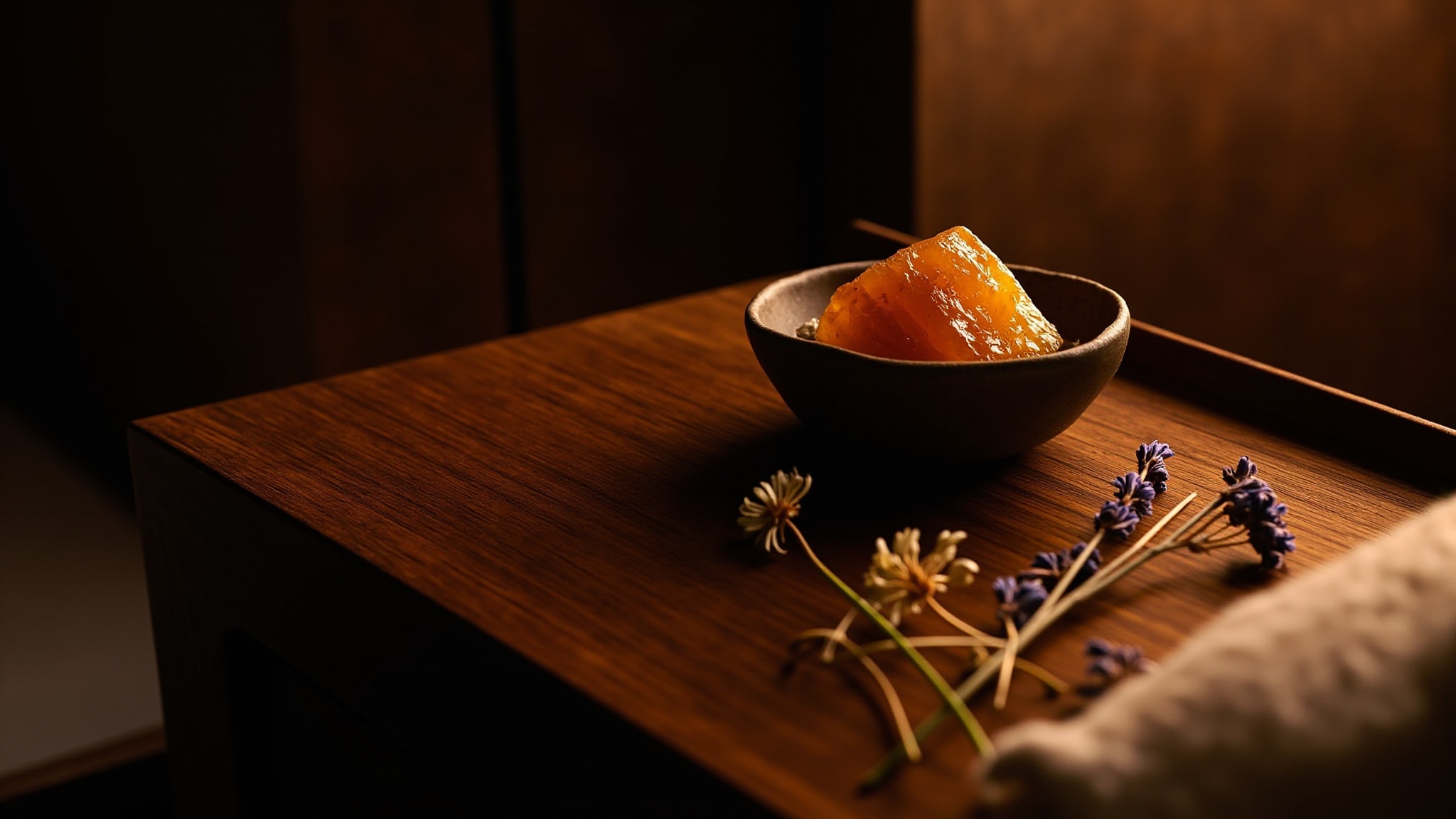
Tea is a ritual without pretense. You make it at the end of the day because the day asked too much of you. That's the idea behind Chamomile & Lavender Milk Tea, not a tribute to a specific cup, but a translation of that gesture. The Dua Brand looked at what makes a calming tea work: chamomile's sedative properties, lavender's relaxing effect, the way raw honey and sweet almond milk deepen that feeling into something you want to stay inside. Then they built a fragrance from those same materials. Chamomile bud, lavender bud, honey, almond milk. Nothing invented. Just the honest aromatics of a ritual that works.
What makes this composition interesting is the tension between bitter and sweet. Chamomile and lavender buds both carry a slightly bitter, almost medicinal quality, the kind of note that signals calm rather than announces it. But raw honey and almond milk push back against that bitterness, adding a gourmand roundness that makes the herbal notes feel like comfort food instead of folk remedy. Neither side wins. The fragrance lives in the negotiation.
The evolution
The opening hits first, chamomile and lavender arriving together, herbaceous and slightly bitter, like crushed buds between your fingers. There's no delay. The honey and almond milk arrive within minutes, softening the herbal bite into something warmer, creamier. The heart phase is where this fragrance earns its name: the milk-tea accord takes over, sweet and close, the kind of scent that stays near the skin rather than announcing itself. By the drydown, the honey has deepened and the almond milk has settled into something skin-like, almost lactonic. The herbal quality never fully disappears, it lingers beneath the sweetness, grounding the composition and preventing it from becoming overly sugary. Throughout the wear, there's a gentle evolution where each note takes its turn in the foreground before receding, creating a dynamic yet cohesive experience.
Cultural impact
Chamomile carries a distinctly Western herbal sensibility, while milk tea draws from East and Southeast Asian culture. This combination creates an unexpected bridge between culinary traditions and fragrance artistry, using familiar comfort flavors translated into olfactory form. The result speaks to how scent can evoke memory and place without relying on heavy-handed representation. Chamomile brings its subtle floral bitterness, while the milk tea element adds creamy sweetness and gentle warmth.