The Story
Why it exists.
The beginning
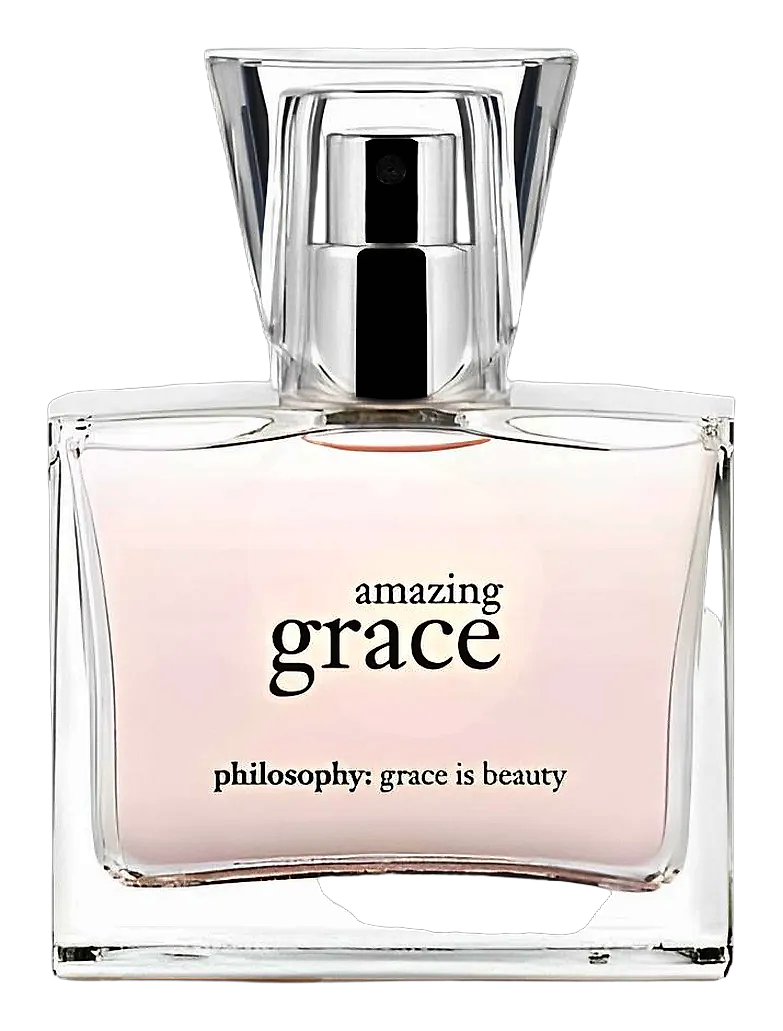
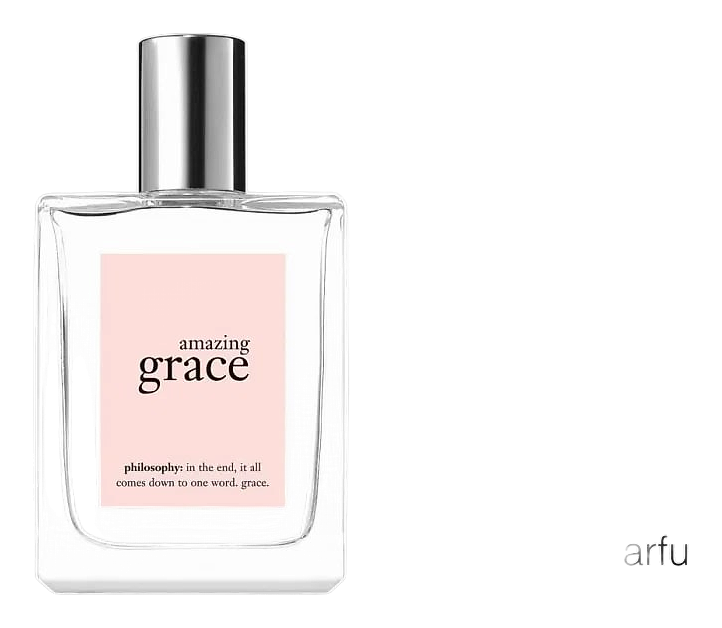
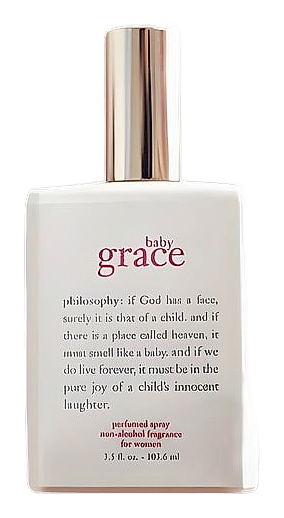
Philosophy built its fragrance identity around the Grace collection, Pure Grace, Amazing Grace, and now Baby Grace, arriving in 2006. The brand's approach to scent has always been clinical and intuitive: how does a fragrance interact with skin, and what does it give the wearer without asking anything in return? Baby Grace answers that question quietly. It is an extension of the Grace family's softer register, named for the tenderness and simplicity of early moments.
The structure is unusually stripped-back for a 2006 release. Talc and white musk anchor both the opening and the heart, with mimosa providing the only real floral warmth. The yellow floral accord, mimosa's signature, adds a honeyed, slightly powdery sweetness that doesn't compete with the talc. It's a composition that trusts restraint, building comfort through repetition rather than complexity.
The evolution
There is no dramatic arc here, and that honesty is the point. The talc opens soft, almost imperceptibly, before the white musk arrives and stays. Mimosa threads through the heart, lending a warm yellow quality that keeps the scent from feeling clinical. By the drydown, white musk and talc have merged into something close and quiet, the smell of skin that just showered, of sheets changed on a Tuesday morning. On most skin types, this lingers for four to six hours before fading to nothing. It never fills a room. It doesn't try.
Cultural impact
Baby Grace occupies a specific corner of the Grace universe: the softest, most intimate iteration. It appeals to wearers who want scent to feel like a second skin rather than a statement. Similar fragrances include Sarah Horowitz Parfums Perfect Veil and Kenzo Flower, though Baby Grace is more consistently powdery than either.