
The Story
Why it exists.
The beginning
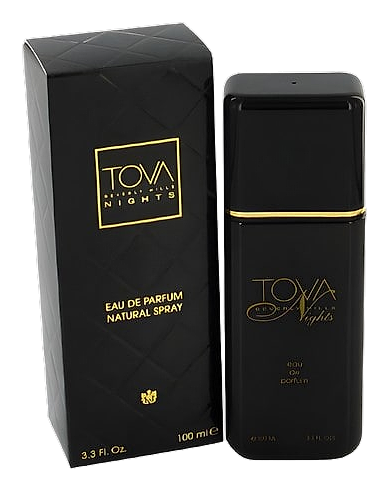
Tova Nights arrived in 1997, part of a brand built on the idea that elegance shouldn't require a runway to access. Tova Beverly Hills had spent fifteen years earning trust through consistency, the same signature scent, the same reliable quality, the same direct relationship with customers who kept coming back. Nights was an extension of that philosophy. Not a departure. A deepening.
What makes Nights interesting is the way it stacks its florals without tipping into sweetness. Violet and lily open cool and green, then the heart layers peony, lilac, iris, and jasmine, a dense floral arrangement that should overwhelm but doesn't, because the white pepper and green notes keep everything crisp. It's a composition that trusts the wearer to handle complexity without decoration.
The evolution
The opening hits with cool violet and the unexpected brightness of Bosc pear, a combination that reads almost citrus-like until the green notes settle it. For the first thirty minutes, the white pepper keeps things sharp. Then the hand-off happens: lilac and peony take over, iris adds that powdery depth, and suddenly you're in the heart of the fragrance, lush, evening-lit, floral without apology. The drydown is where it earns its name. Sandalwood and patchouli ground the florals into something warm and close, musk wraps around what remains, and the whole thing settles into a skin-warm powder that lingers for four to six hours. On fabric, it outlasts skin.
Cultural impact
Tova Nights has remained in continuous production since 1997, which is its own kind of statement. While trend-driven releases come and go, this one found its audience and kept them. The powdery violet and iris heart echoes the aesthetic of classics like Anais Anais, but with a cooler, greener opening that feels distinctly late-nineties. Wearers describe it as the fragrance of someone who doesn't need approval, composed, quiet, and lasting.