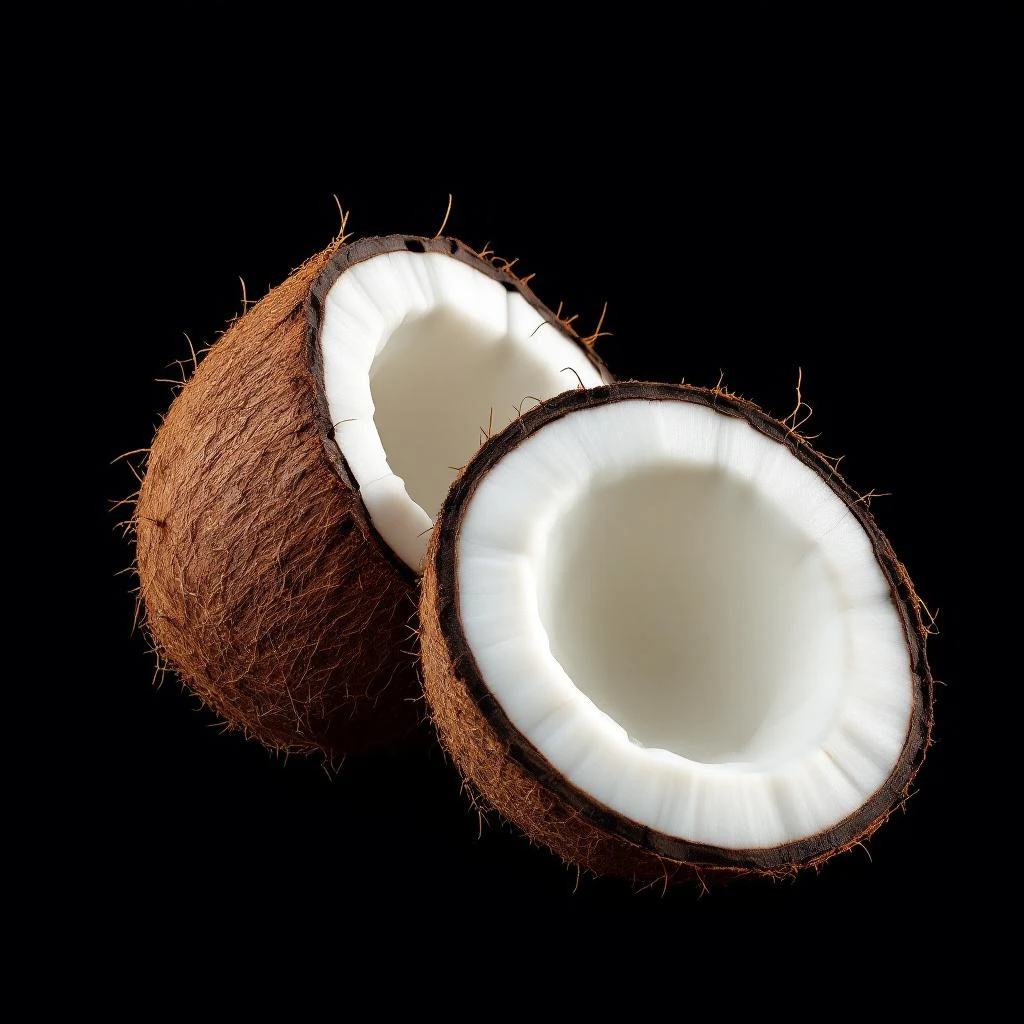
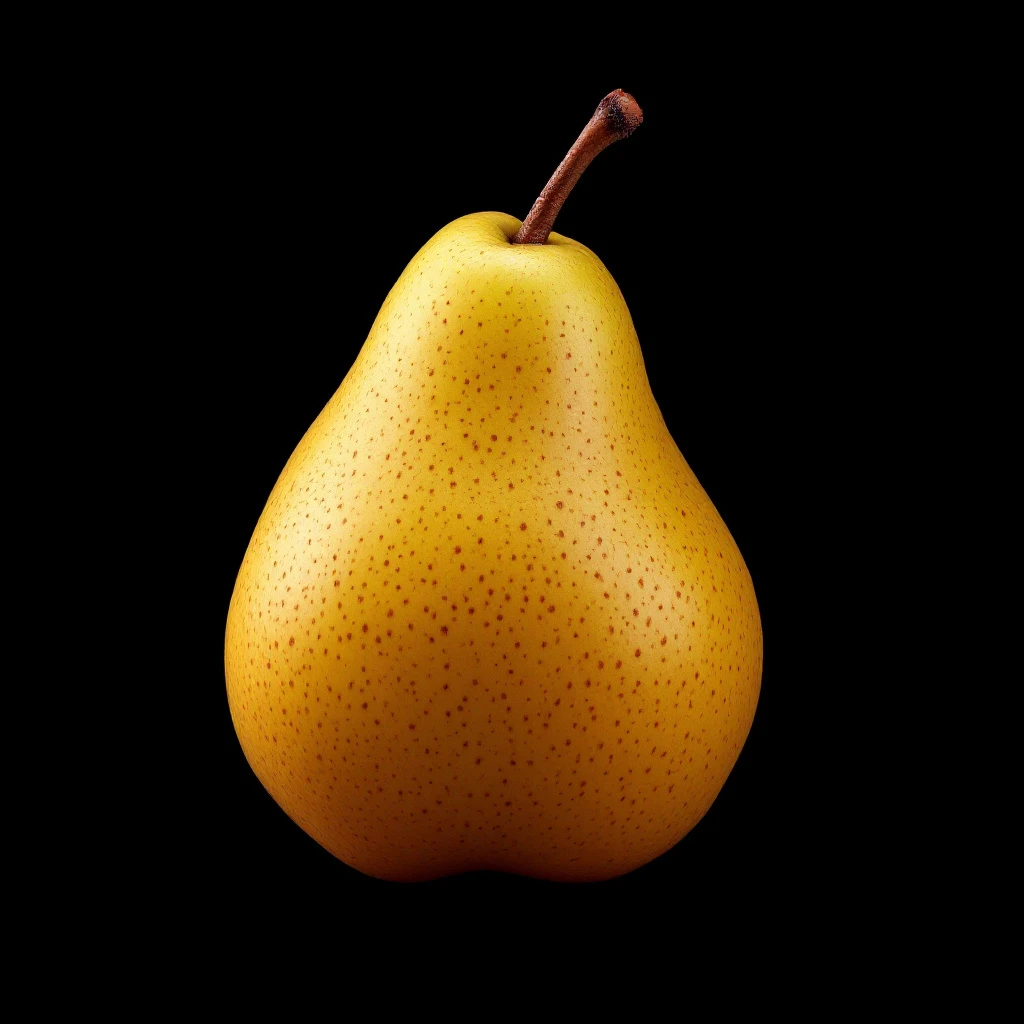
Bosc Pear
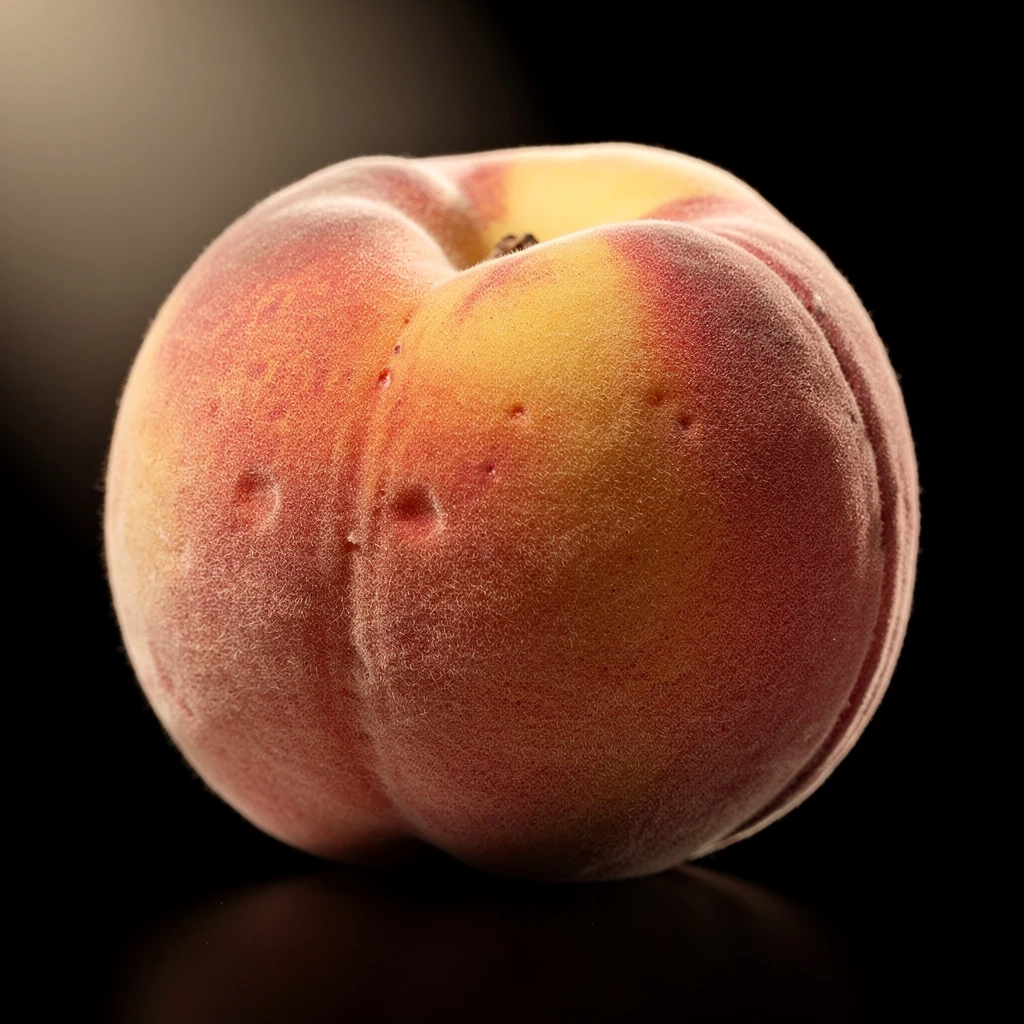
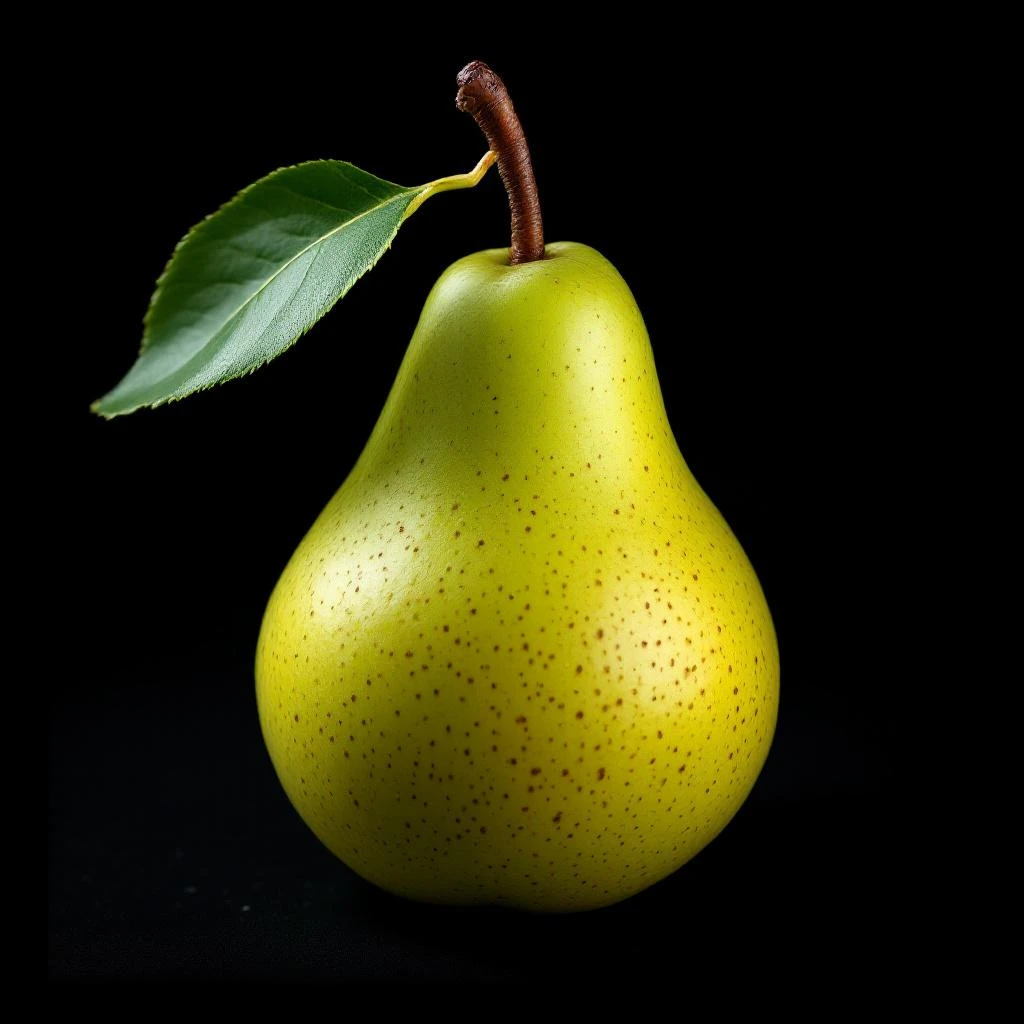
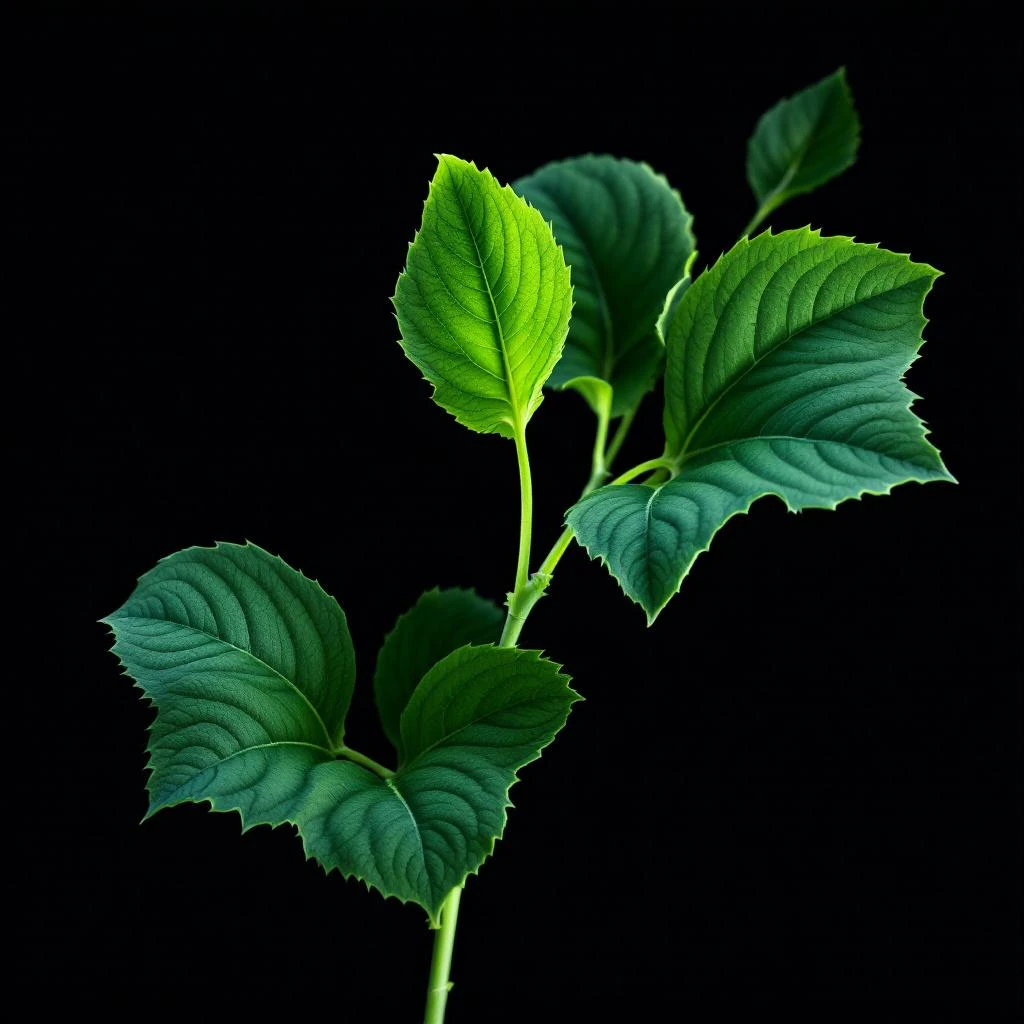
Bosc Pear brings a warm, honeyed sweetness to perfumery that distinguishes it from sharper, greener pear varieties. Its russeted skin and buttery flesh inspire a rich, aromatic interpretation that bridges candied fruit and sophisticated florals.
Character
How it smells
Russeted warmth. Honeyed sweetness. Sophisticated fruit.
The term 'bosky' in English, meaning a shady grove or woody place, shares roots with Bosc. The pear earned its name from French horticulturist Jean-Baptiste Bosc.






Origin
France
The Bosc pear emerged in the early 1800s along the Rhône River valley, likely in France, and quickly spread across Europe as a prized table fruit. Named for French horticulturist Jean-Baptiste Bosc, it became celebrated for its firm flesh, complex sweetness, and the distinctive bronze-brown russeting on its skin. By the mid-19th century, it had traveled to North American orchards, where it remains a commercial staple.
In perfumery, pear arrived later than other fruit notes, arriving as aromatic chemistry advanced enough to capture the fruit's elusive profile. Bosc became the preferred reference pear among perfumers for its warmth and sophistication, replacing earlier, greener pear interpretations.
Wears it best
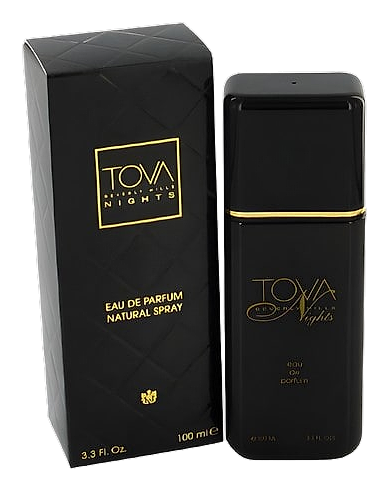
Fragrances featuring Bosc Pear


Brands
Brands known for Bosc Pear
Good to know
Questions, answered
The essentials on Bosc Pear in perfumery: how it smells, where it comes from, and how it behaves on skin.
What makes Bosc Pear distinct in perfumery?
Bosc Pear offers a warm, honeyed interpretation of pear that differs from the sharp, green qualities of Williams pear. Its russeted, aromatic character reads as riper and more sophisticated in fragrance compositions.
Is Bosc Pear a natural or synthetic ingredient?
Pear notes in perfumery are primarily nature-identical, meaning aromatic compounds are replicated in the lab to match the scent of the ripe fruit. Natural pear blossom absolute may also appear in formulations.
What fragrance families pair well with Bosc Pear?
Bosc Pear bridges chypre, floral, and oriental families with ease. It adds warmth and sweetness to woody compositions and rounds sharp green top notes in citrus fragrances.
How does Bosc Pear smell compared to other pear varieties?
Bosc Pear smells warmer and more aromatic than green pear varieties like Williams. It carries honeyed, slightly floral, and subtly woody qualities that feel more candied and autumnal.
Why is Bosc Pear named the way it is?
The variety honors Jean-Baptiste Bosc, a French horticulturist active in the early 19th century who helped establish it as a preferred cultivar in European and American orchards.
Does Bosc Pear have aromatic relatives in perfumery?
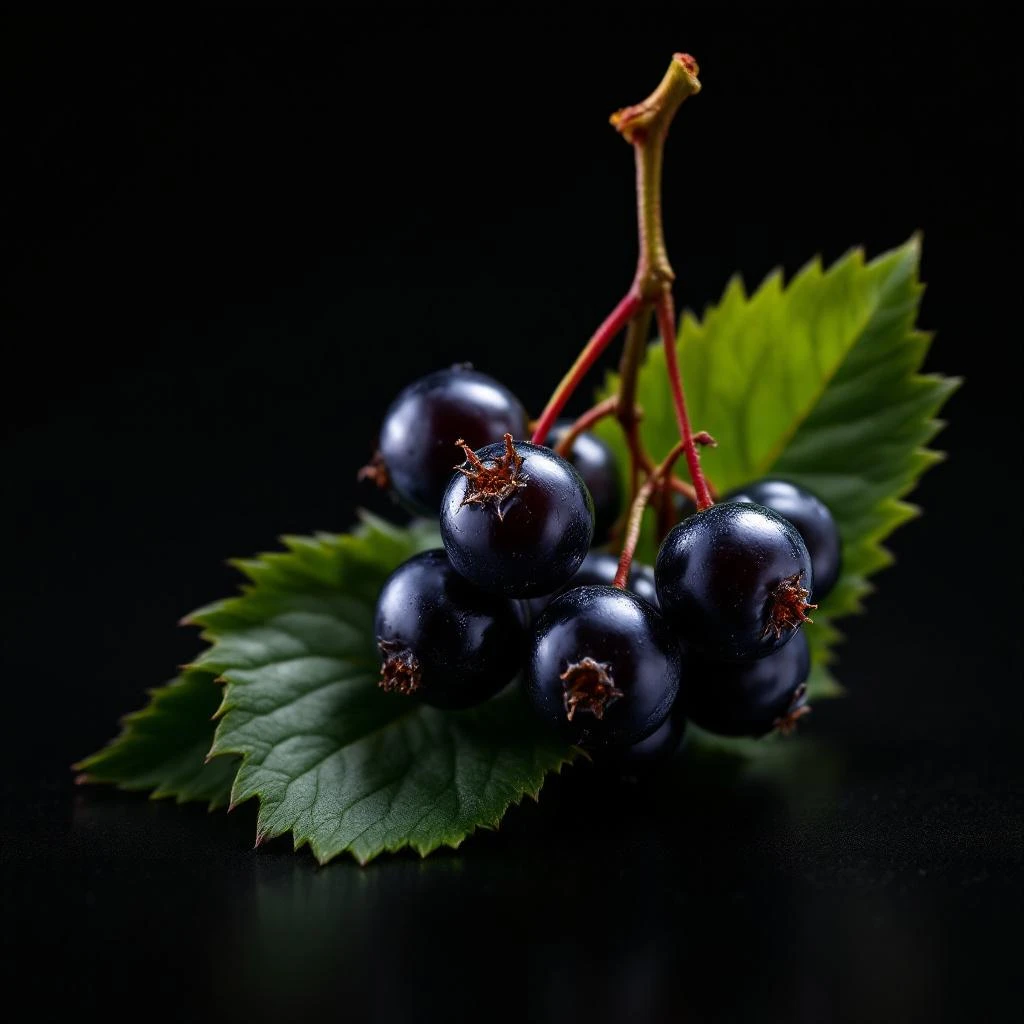
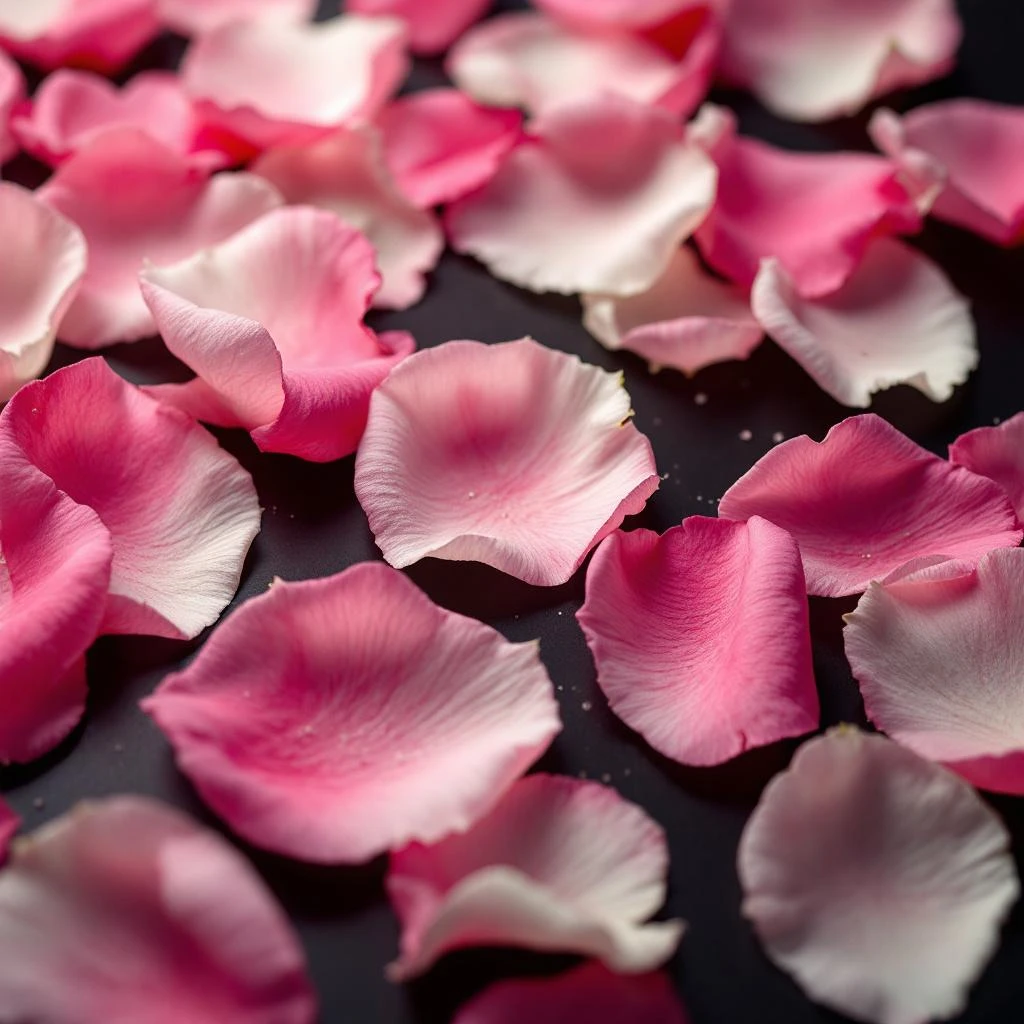
Pear blossom absolute, also from Pyrus communis, appears in fine fragrance as a floral complement to the fruit note. Apple and quince share similar aromatic profiles and often appear alongside Bosc Pear in fruit accords.
What molecules define the Bosc Pear scent in fragrance?
Isoamyl acetate provides the characteristic pear ester, while ethyl butyrate adds juicy, ripe fruit quality. These molecules, combined with floral absolutes, produce the warm Bosc profile perfumers seek.
Where do commercial pear fragrance ingredients originate?
Nature-identical pear compounds are produced globally by aroma chemical manufacturers. Natural pear blossom absolute for fine fragrance originates primarily from France and Italy, where pear cultivation is concentrated.