Rose Petals
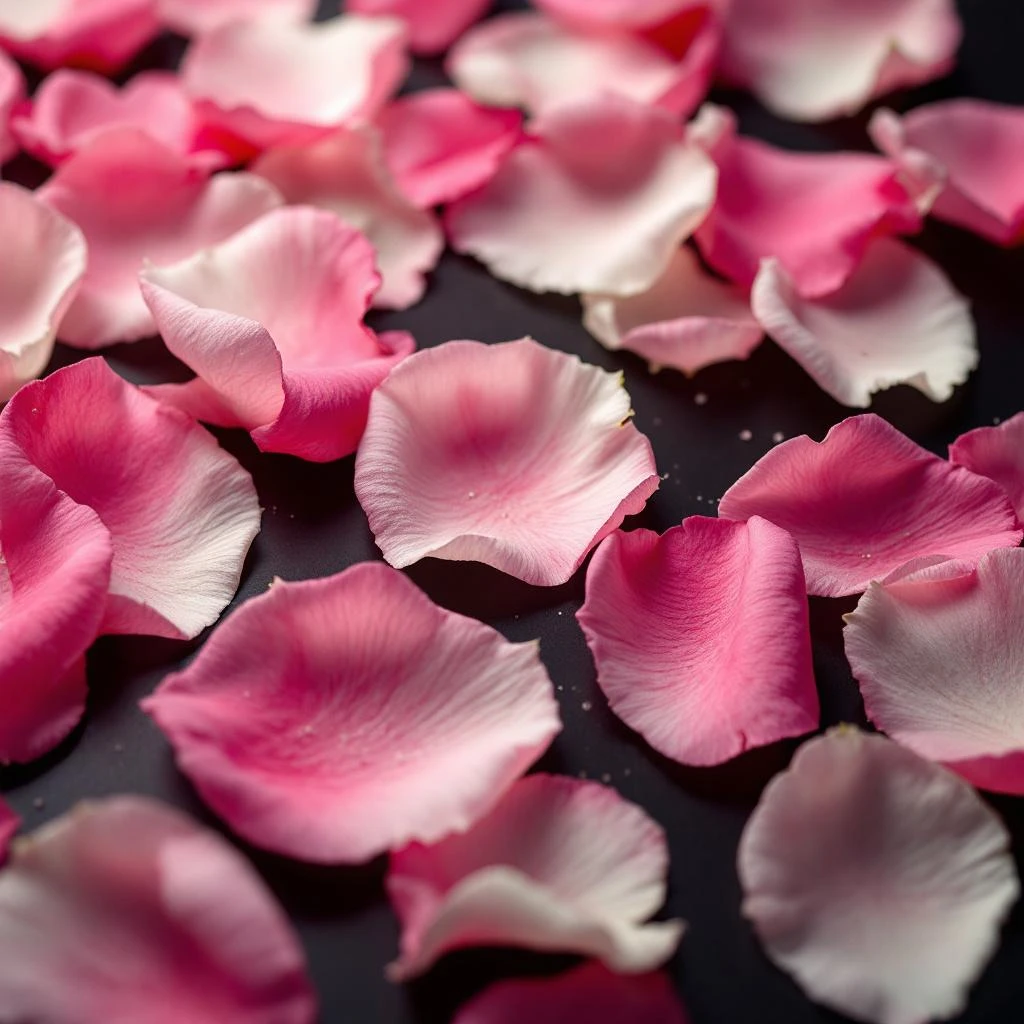
The queen of florals. Rose petals yield two prized extracts used as heart notes and natural fixatives across fine fragrance: Damask and Centifolia rose. Their scent profile spans honeyed sweetness, spicy warmth, and dewy freshness.
Character
How it smells
Perfumery's most iconic heart note, cherished across millennia.
It takes roughly 5,000 kilograms of rose petals to produce just one kilogram of rose Otto essential oil through steam distillation.








Origin
Iran
The rose's use in fragrance traces back over three millennia. Ancient Egyptians extracted perfume from rose petals for religious rituals and beauty treatments, while Persians and Greeks further developed rose unguents. During lavish Roman banquets under Emperor Nero, rose petals carpeted floors and hung from ceilings to perfume the air.
The pivotal breakthrough came in the 11th century when Persian physician Ibn Sina refined steam distillation, allowing perfumers to isolate rose water for the first time. By the 18th century, Arab and Berber communities in Morocco had industrialized rosewater production. In 1840, Jean-François Houbigant created "Eau de Cologne à la Rose," cementing rose's place as a cornerstone ingredient of modern perfumery.
Today, Damask and Centifolia remain the two most prized species, cultivated across Iran, Turkey, Morocco, and France's Grasse region.
Wears it best
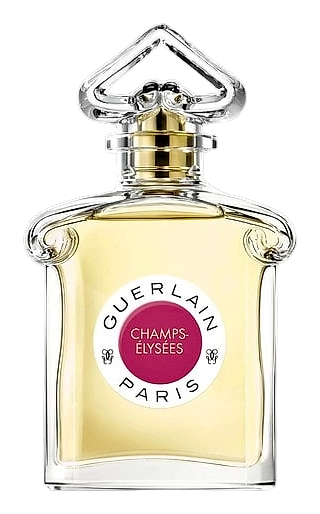
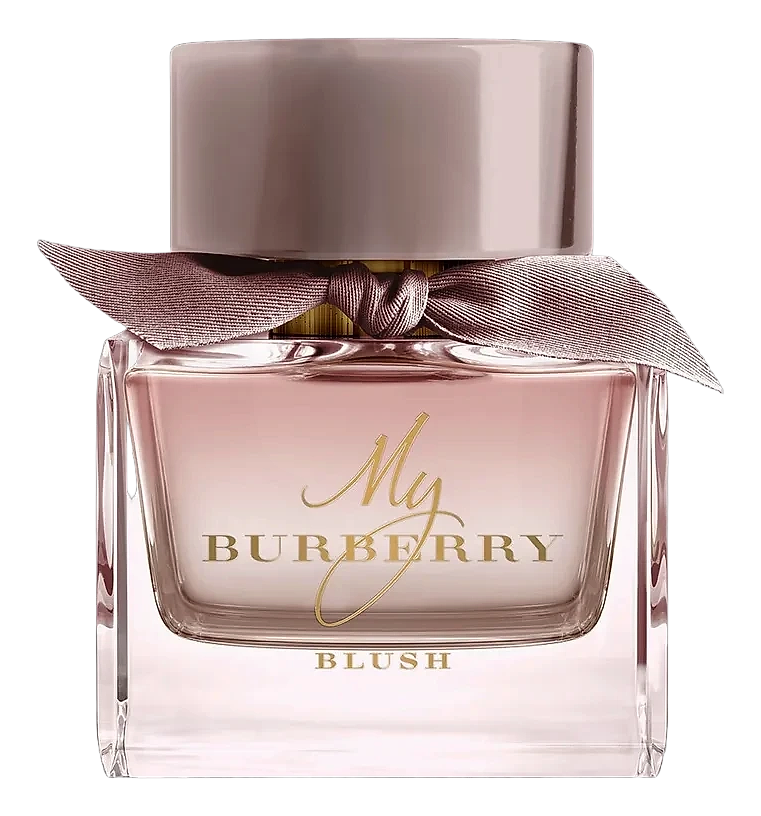
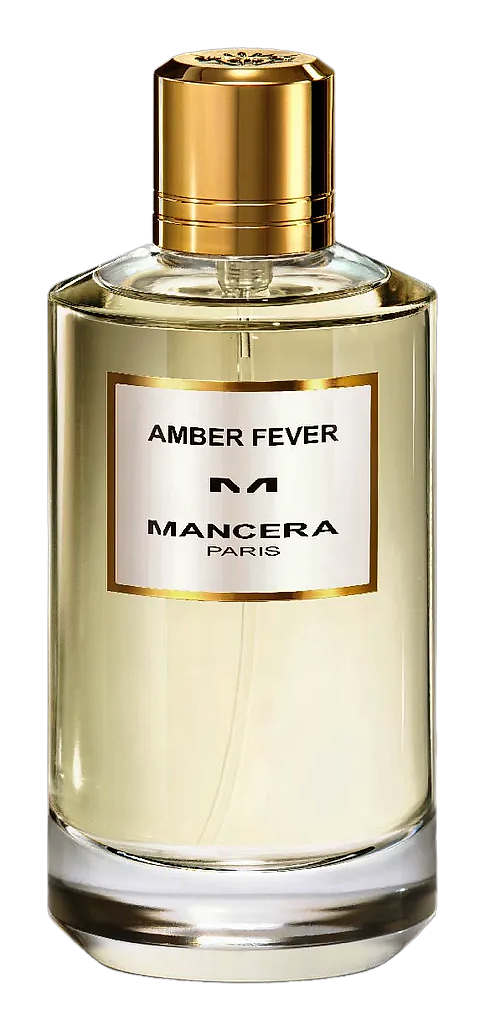
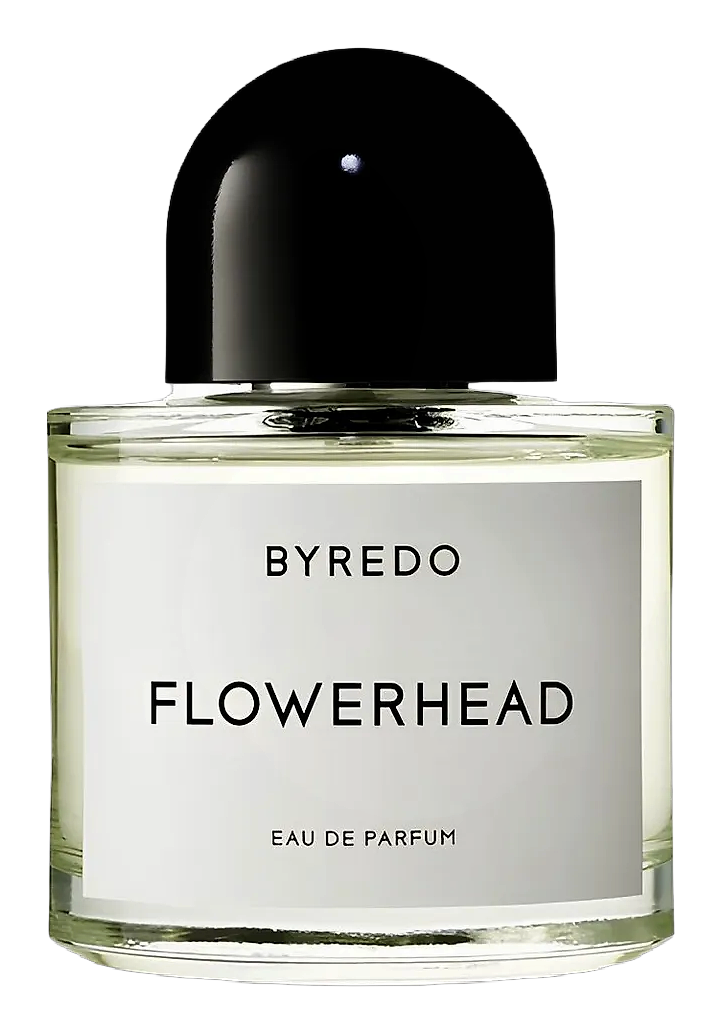
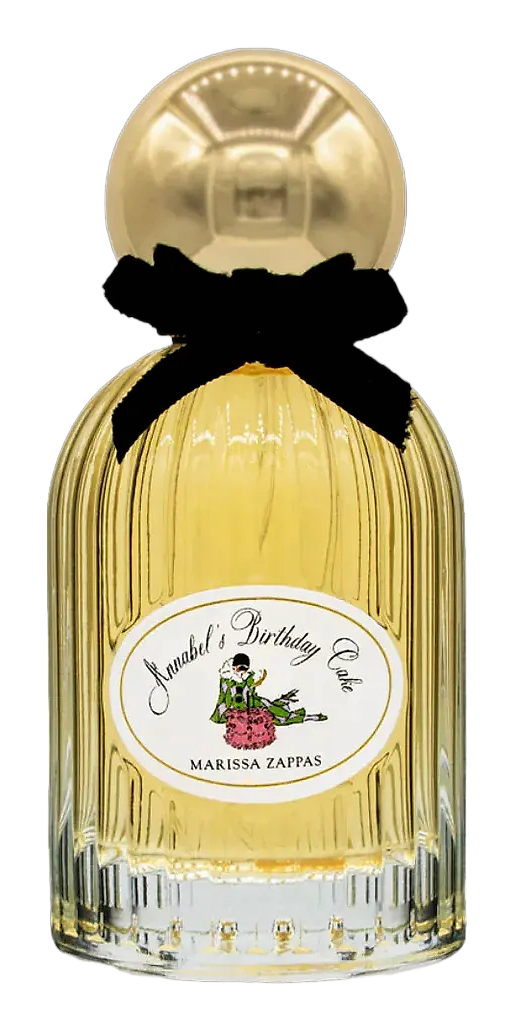
Fragrances featuring Rose Petals
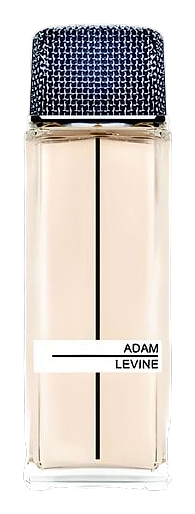
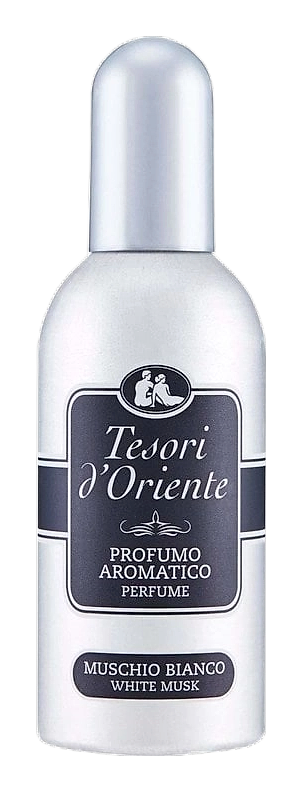
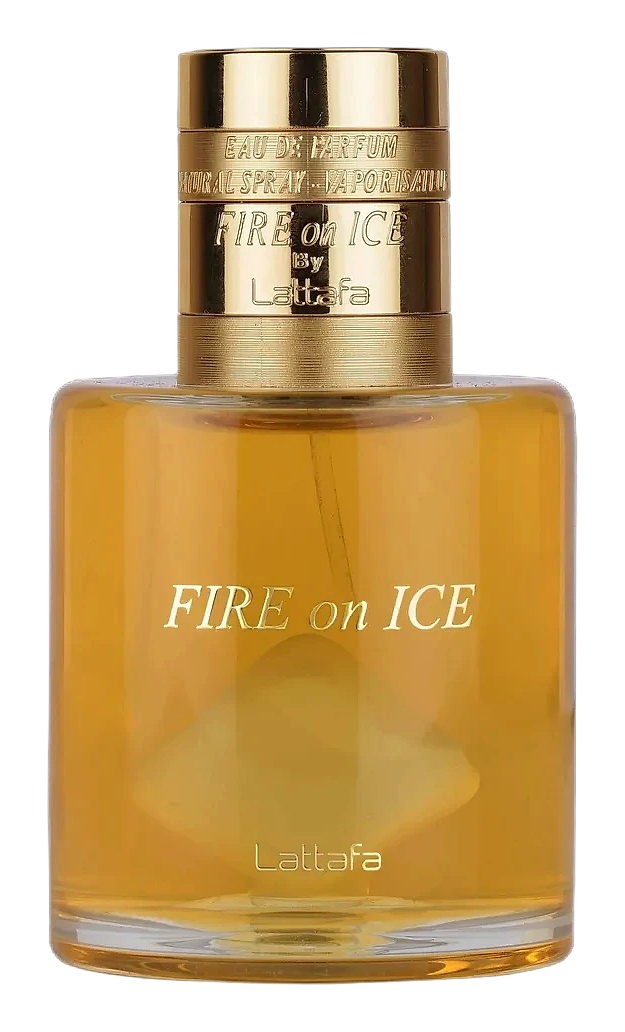
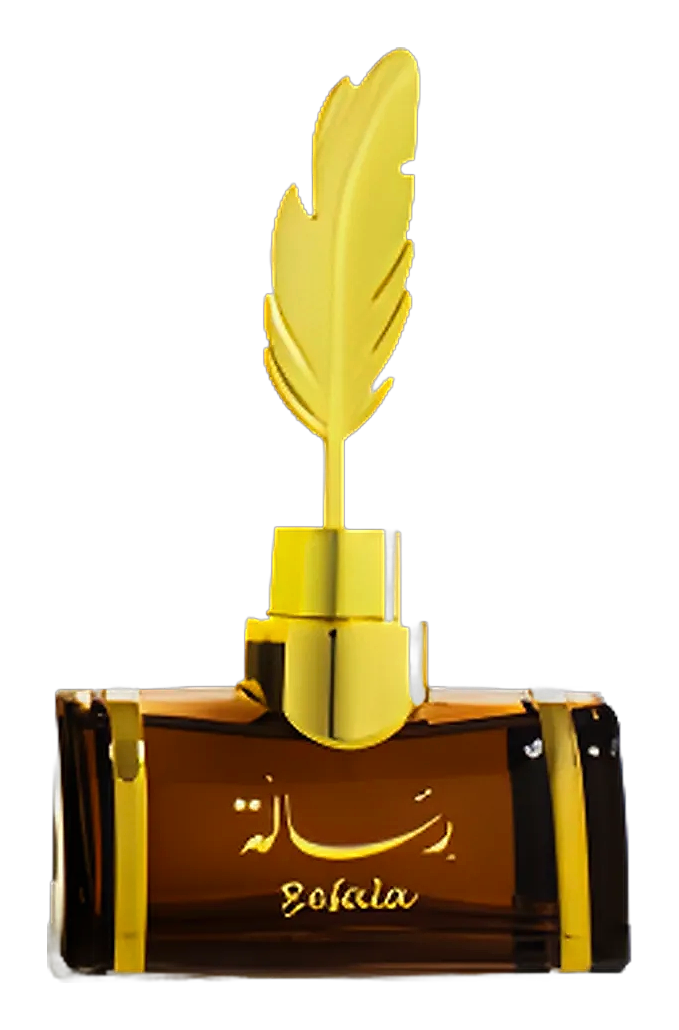


Brands
Brands known for Rose Petals
Good to know
Questions, answered
The essentials on Rose Petals in perfumery: how it smells, where it comes from, and how it behaves on skin.
What does rose petals smell like in a fragrance?
Rose petals in perfumery present a multifaceted floral profile combining honeyed sweetness, warm spice, and dewy freshness. No single rose smell exists—varieties like Damask contribute rich, complex warmth while Centifolia offers a softer, greener character. Perfumers layer rose with citrus, musks, or green notes to emphasize either its romantic or spicier dimensions.
How many rose petals are needed to make rose perfume?
Rose perfume production requires enormous quantities of blooms. Steam distillation needs roughly 5,000 kilograms of freshly harvested rose petals to yield just one kilogram of rose Otto essential oil. This scale explains why genuine rose extracts command premium prices compared to香水中的其他花香原料。 The sheer volume required makes authentic rose a marker of luxury formulation.
Are rose petals natural or synthetic in perfume?
Both natural and synthetic rose materials exist in perfumery. Natural rose extracts come from Damask or Centifolia rose petals through steam distillation or solvent extraction, producing rose Otto or rose absolute. Synthetic rose compounds—such as phenylethyl alcohol, geraniol, or rose oxide—mimic rose notes for consistency and cost-effectiveness. Many fragrances blend both to balance realism with performance stability.
What are the two main rose varieties used in perfumery?
Only two rose species dominate fine fragrance: Damask rose (Rosa × damascena), also called Turkish or Bulgarian rose, yields deeply warm, complex fragrance material; Centifolia rose (Rosa × centifolia), known as May rose or Grasse rose, offers a softer, greener, more delicate scent. Both species grow across Iran, Turkey, Morocco, and France's Grasse region, each harvest timed to peak bloom in May or early summer.
Can rose petals replace other floral notes like jasmine?
Rose and jasmine offer distinct olfactory characters. Jasmine presents indolic, exotic warmth while rose delivers honeyed, dewy, slightly spicy floralcy. Rose functions as a natural fixative that slows fragrance evaporation and deepens bouquet complexity, making it a versatile heart note rather than a direct substitute for jasmine's tropical richness. Many perfumers pair them for layered floral effects.
Is rose fragrance sustainable?
Sustainable sourcing has become a pressing concern as rose farming is labor-intensive and water-dependent. Companies increasingly prioritize eco-friendly cultivation, organic farming, and fair trade partnerships with rose farmers in producing regions. Certification programs and direct-trade relationships help protect both farmer livelihoods and biodiversity in traditional rose-growing areas like Taif, Bulgaria, and Grasse.
Which extraction method produces rose Otto versus rose absolute?
Steam distillation creates rose Otto (rose essential oil), prized for its high concentration and complex aroma requiring massive quantities of petals. Solvent extraction produces rose absolute, which offers a warmer, more honeyed scent profile and a higher aromatic yield per flower batch. Each material serves different formulation purposes depending on desired fragrance character and application.
Why do rose petals scatter in Roman banquets matter for perfumery history?
Ancient Roman excess with rose petals signaled rose's prestige before perfumery even developed extraction science. Rose petals were strewn at lavish banquets under Emperor Nero for atmosphere rather than concentrated scent, but this cultural reverence drove demand for more potent forms. Once Ibn Sina's distillation breakthrough arrived, the cultural prestige of rose gave it an immediate foundation in perfume formulation.




