The Story
Why it exists.
The beginning
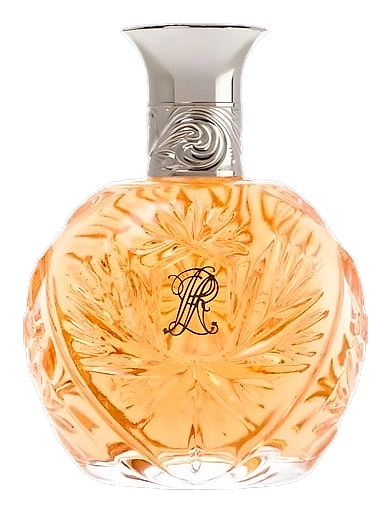
Ralph Lauren launched Safari in 1989, and the name carries its weight. The African savanna, wide horizons, golden light, the romance of open space. Dominique Ropion built the composition around that idea: the scent of adventure translated into something wearable. Not literal safari notes. The feeling of it. The freedom of wide air and warm dust, caught in a bottle. Ropion understood that the fantasy was the point. He designed Safari to open like morning in a tent, bright, green, edged with something untamed, then soften into florals that felt like skin warmed by the sun. The name gave it permission to be big. The craft made it stick.
The aldehydes do something unexpected here. They don't soften the green notes, they lift them. Galbanum and hyacinth hit sharp, almost bitter, but the aldehydes give them a champagne-like effervescence that keeps the opening from feeling harsh. That's the Safari trick: green that sparkles instead of stings. The heart is where Ropion's skill shows. Jasmine and rose are the obvious stars, but the supporting cast, narcissus, orris root, lily of the valley, adds a honeyed complexity that prevents the florals from going pretty. Combined with rosemary in the heart, the composition leans spicy rather than sweet. The base of moss, amber, cedar, patchouli, sandalwood, and vetiver is substantial.
The evolution
The opening announces itself immediately. Aldehydes hit first, that waxy, slightly soapy brightness that dates the fragrance to 1989 without making it feel old. Then the green arrives: galbanum and hyacinth, sharp and slightly bitter, like stems crushed underfoot. The citrus (mandarin, blackcurrant) adds a tartness that keeps things from getting too heavy. Over the next two to three hours, the florals take over. Jasmine and rose dominate, but they're not soft, the narcissus and orris root add a honeyed depth that gives the heart weight. Lily of the valley provides that clean, slightly green floral note that bridges the top and heart. The rosemary keeps everything grounded, adds a slight herbal edge that prevents the florals from going pretty. The drydown is where Safari earns its name. Moss and amber create a warm, slightly animalic base. Cedar, patchouli, sandalwood, and vetiver add depth, woody, slightly earthy, with vetiver's smoky edge. The drydown lasts for hours.
Cultural impact
Safari arrived in 1989, a moment when the fragrance industry was shifting away from bold chypres toward lighter, fresher scents. It held its ground. That confident, unapologetic character, green and aldehydic, woody and warm, represents a certain era of fragrance wearing: when scents projected, lasted, and demanded presence in a room. The women who wore Safari weren't asking for approval. They knew what they wanted. That attitude has kept the fragrance relevant long past its launch, finding new wearers who appreciate that it doesn't hedge.