Calendula
Calendula brings warmth to perfumery through its honeyed, hay-like sweetness. This Mediterranean bloom—commonly called marigold—has moved from ancient remedies into modern fragrance as a treasured botanical absolute. Its gentle character softens and rounds compositions without overwhelming.

Character
How it smells
Golden petals. Honeyed warmth. A gentle botanical that softens and rounds blends.
Just one drop of calendula absolute per kilogram of fragrance blend acts as a fixative, slowing the evaporation of more volatile top notes.









Origin
Egypt
Calendula officinalis earned its scientific name from the Romans, who observed the flower bloomed reliably on the first day of each month—calendula means little calendar in Latin. Ancient Egyptians valued calendula extensively for medicinal and cosmetic purposes, incorporating it into oils and ointments. Greek physicians including Dioscorides documented its therapeutic uses in their medical texts.
Medieval European monasteries cultivated calendula abundantly in their medicinal gardens, using it for everything from wound healing to coloring butter and cheese. The flower's journey into perfumery accelerated during the twentieth century as absolute extraction techniques became more refined and accessible. Unlike essential oils produced through steam distillation, absolutes capture the full aromatic spectrum of delicate botanical materials that heat would damage.
Calendula absolute represents this careful, solvent-based approach to preserving the flower's warm, honeyed character. Today, Egyptian and Moroccan producers lead cultivation, taking advantage of the hot, dry conditions that calendula thrives in. The ingredient remains relatively uncommon in mainstream fragrances, appearing most often in botanical and natural-orientated compositions where its soft, warming quality adds subtle complexity.
Wears it best
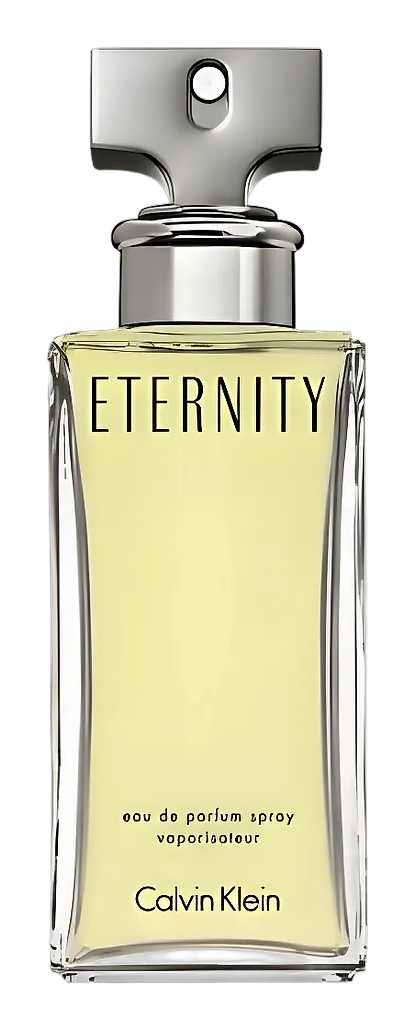
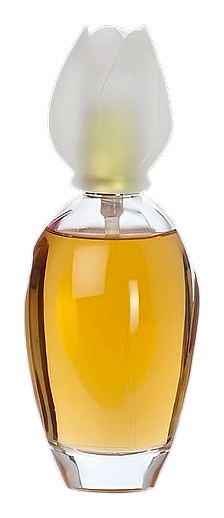
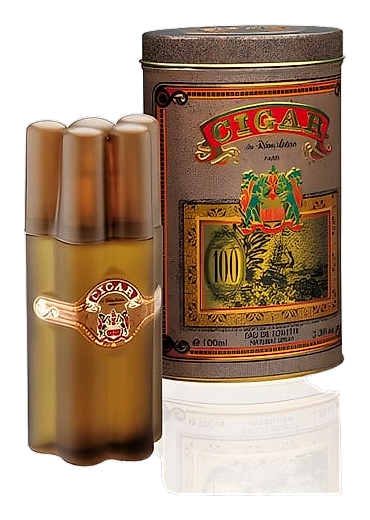
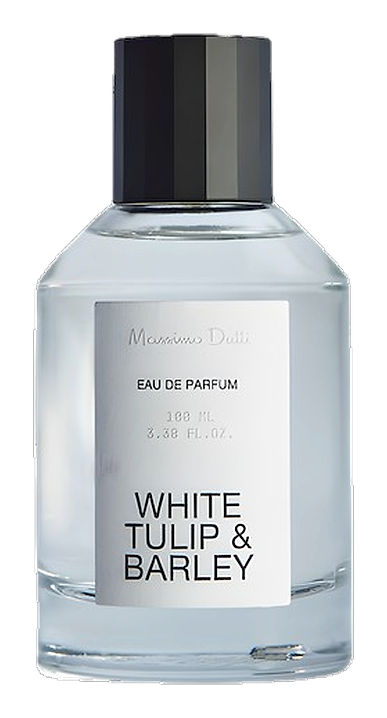
Fragrances featuring Calendula
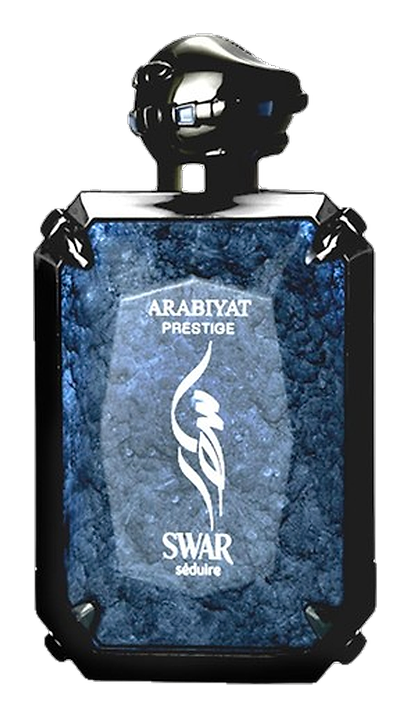
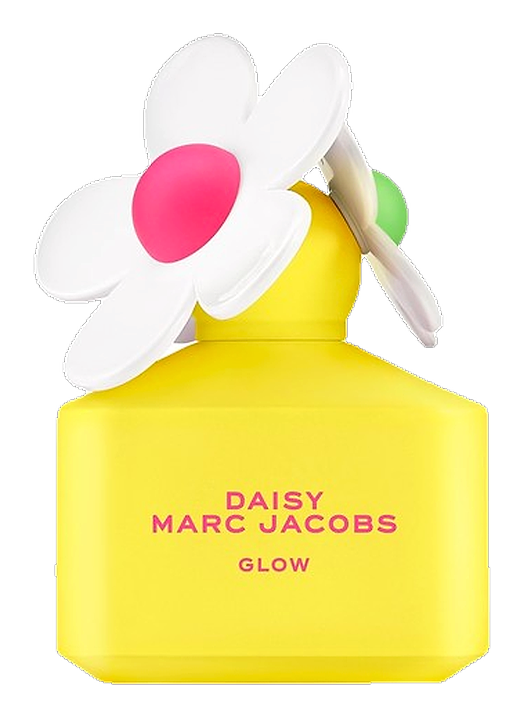

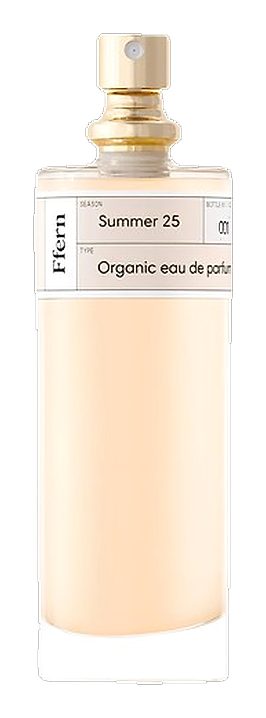
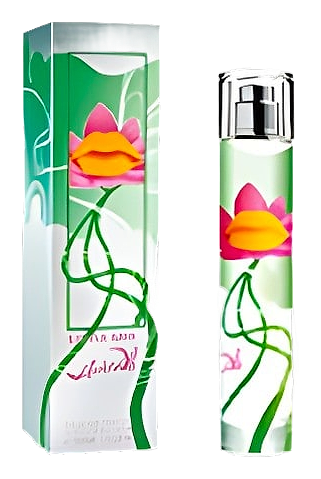
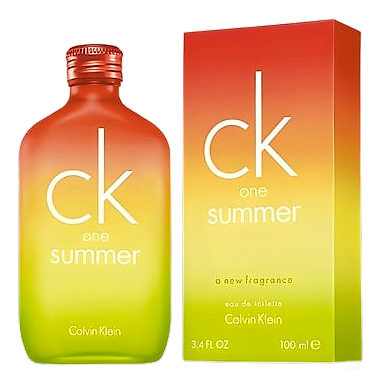
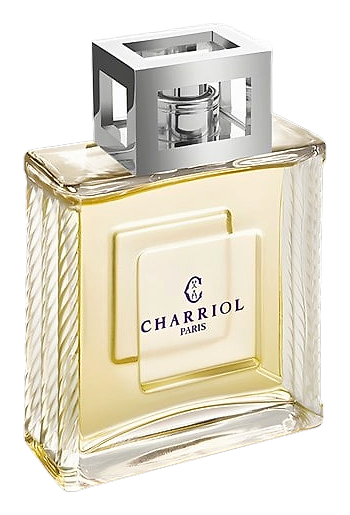
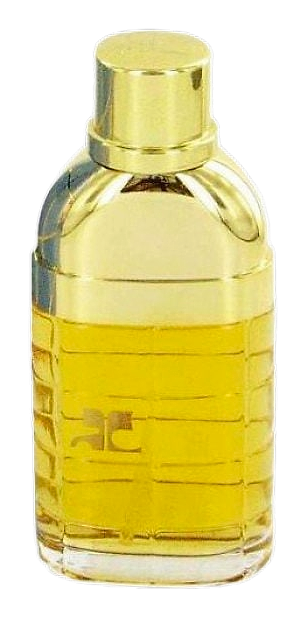
Brands
Brands known for Calendula
Good to know
Questions, answered
The essentials on Calendula in perfumery: how it smells, where it comes from, and how it behaves on skin.
What does calendula smell like in perfumery?
Calendula absolute has a warm, honeyed, slightly hay-like aroma with subtle herbal and earthy undertones. It functions as a modifier rather than a dominant note, adding gentle warmth and softness to fragrance compositions.
Is calendula the same as French marigold used in gardens?
No. Common garden marigolds belong to the Tagetes genus and have a sharper, more pungent scent. Calendula officinalis is a different species with a softer, honeyed fragrance profile suited to perfumery.
How is calendula absolute different from calendula-infused oil?
Calendula absolute is a highly concentrated aromatic extract produced through solvent extraction, yielding a viscous material. Infused oils use simpler maceration methods and lack the aromatic intensity and complexity of true absolutes.
What fragrance families use calendula most often?
Calendula appears most frequently in warm florals, chypres, and green fragrance families. Perfumers value it as a fixative and modifier that adds soft botanical depth without competing with primary notes.
How much calendula absolute do perfumers actually use?
Extremely little. A single drop per kilogram of fragrance concentrate is typical. This economical usage reflects both the ingredient's potency and its role as a supporting element rather than a主角.
Does calendula have any allergenic concerns?
Calendula is generally well-tolerated, though as with any natural material, sensitivities can occur. Professional perfumers use it at controlled dilution levels following industry safety guidelines.
Why does calendula absolute cost more than some other botanicals?
The modest yield from solvent extraction, combined with the volume of fresh petals required, contributes to higher production costs. The multi-step process also requires specialized equipment and expertise.
What extraction method preserves calendula's aromatic qualities best?
Solvent extraction producing an absolute captures calendula's full aromatic profile most effectively. Steam distillation would compromise the delicate, heat-sensitive compounds that give calendula its characteristic warmth.





