The Story
Why it exists.
The beginning
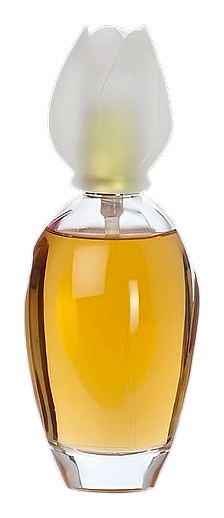
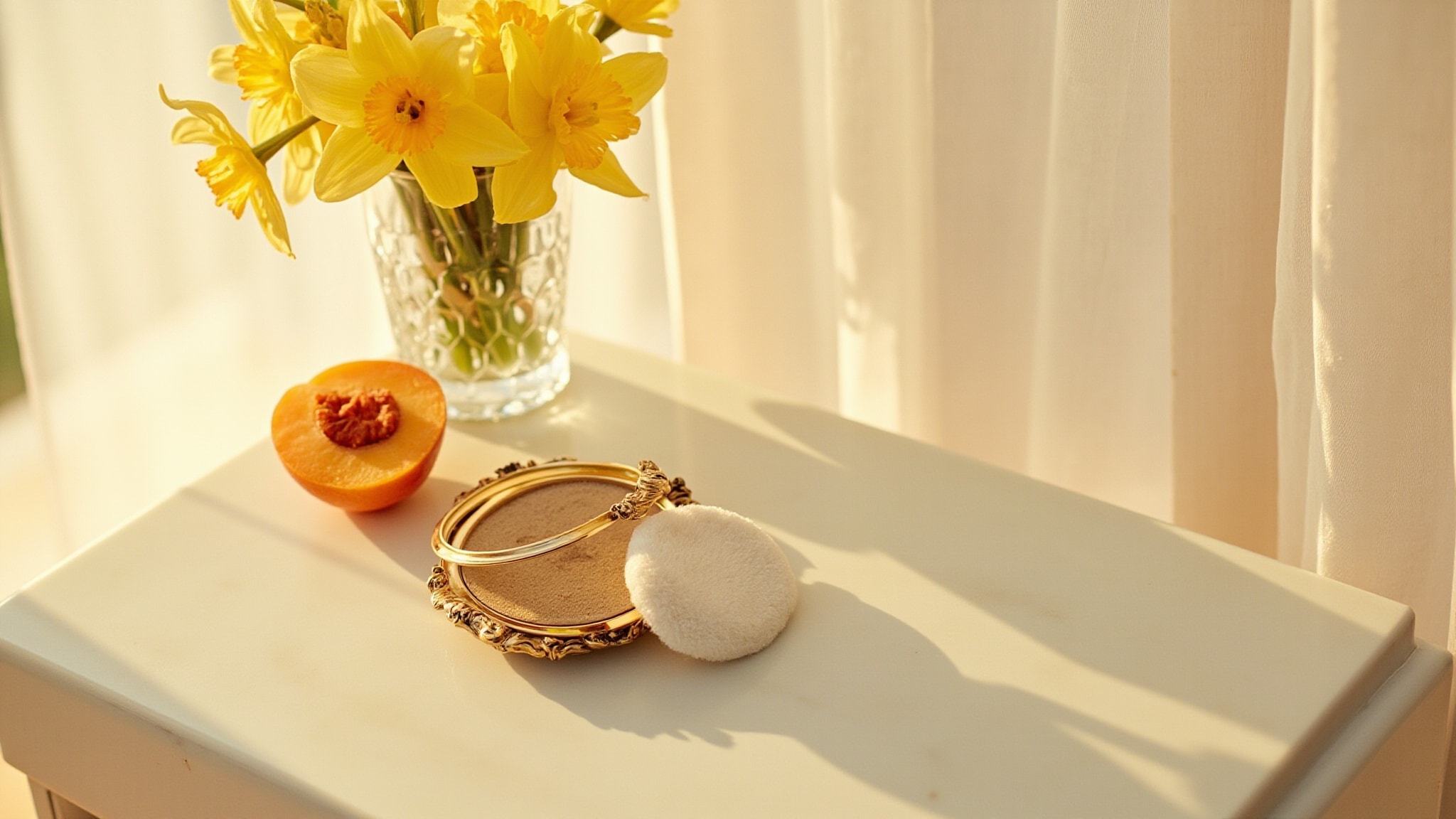
Chloé Narcisse arrived in 1992 as a distinctive addition to the Chloé fragrance collection. IFF crafted the composition around a central accord that was unusual for its era: yellow florals, specifically daffodil, or narcisse, as the structural backbone rather than a supporting player. The intention was clear: build a fragrance that smelled like spring captured in concentrate, but with enough complexity to reward the wearer who stayed with it. The name itself anchors the whole exercise in the flower's botanical identity. The daffodil note carries both honeyed sweetness and a green, almost bitter quality that prevents the fragrance from sliding into something merely pleasant, giving it an edge that rewards attention.
What makes Narcisse unusual is the daffodil's role. Narcissus absolute carries a green, almost bitter quality alongside its honeyed sweetness, it's not a clean floral. It's a floral that argues with itself. Chloé made it the protagonist, then surrounded it with apricot and orange blossom to keep the composition warm, and cushioned it in sandalwood, vanilla, and musk to ensure the bitter edge never became harsh.
The evolution
The opening is all apricot and orange blossom, soft, immediately approachable, the kind of sweetness that reads as sunny. The daffodil arrives and the composition shifts, the honeyed note in the narcisse cutting against the fruit, adding a green sharpness that prevents the fragrance from sliding into something simple. The jasmine and rose oil amplify the floral weight but the bitter undertone keeps everything grounded. As the fragrance develops, the spicy notes begin to assert themselves, warm, slightly resinous, and the yellow florals begin to recede without disappearing entirely. The base is where Narcisse earns its reputation: sandalwood, vanilla, and musk form a soft powdery trail that lingers close to the skin. The tolubalsam adds a faint resinous quality that prevents the drydown from becoming merely sweet.
Cultural impact
Narcisse holds a specific place in the vintage fragrance conversation as a discontinued chypre that has outlasted many of its contemporaries through sheer staying power. The yellow floral structure, daffodil as the dominant note, remains relatively uncommon. The fragrance continues to attract those who appreciate its unusual combination of honeyed sweetness and green, slightly bitter complexity. Its discontinued status has made it a quiet grail for enthusiasts who can't find its equal in the current market.