




























Heritage
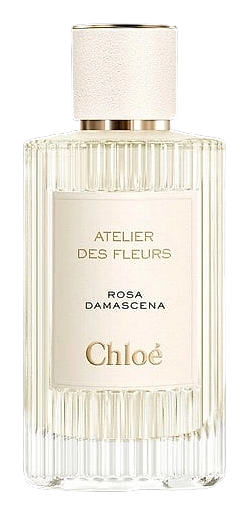
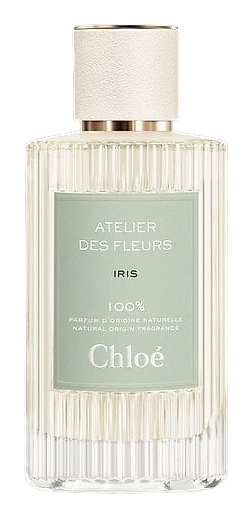
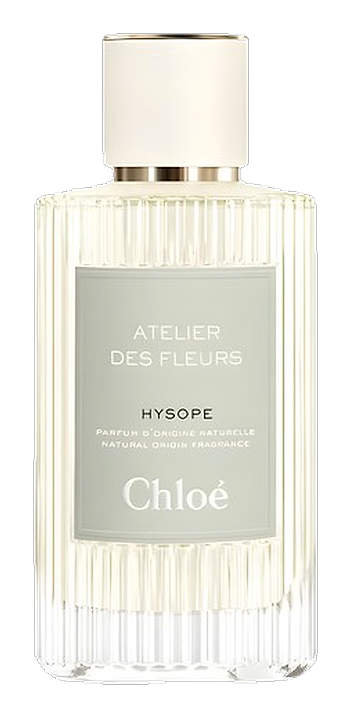
A house, in its own words
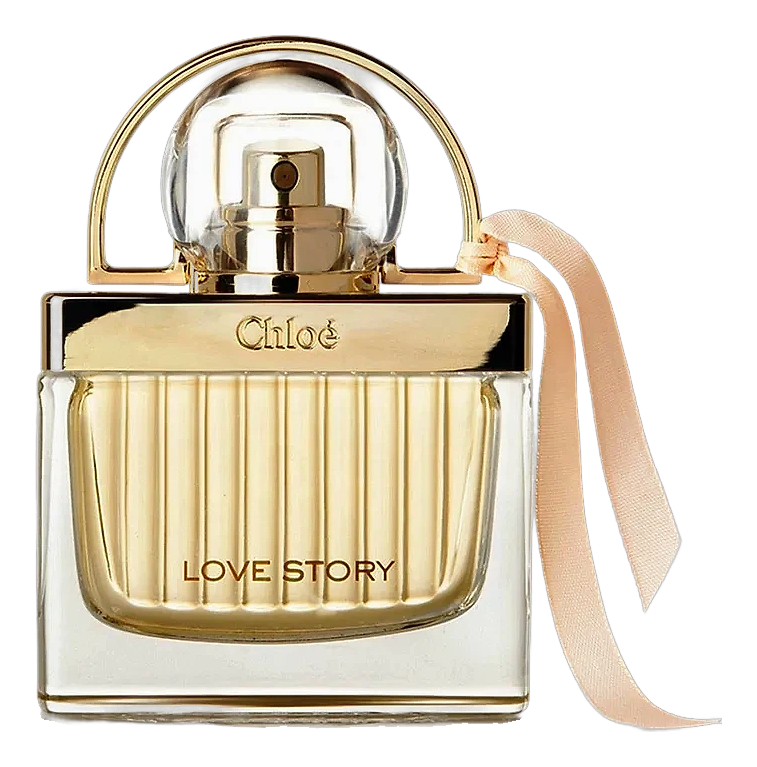
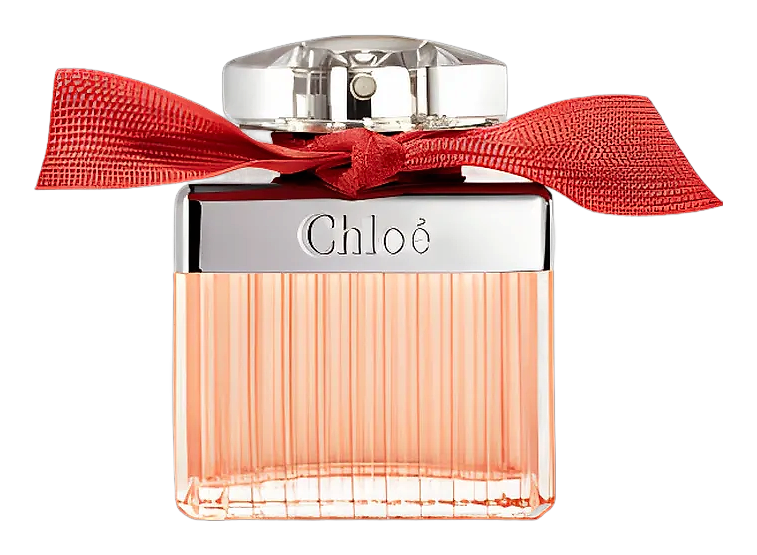
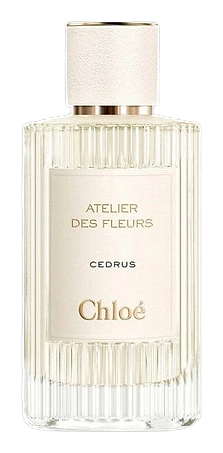
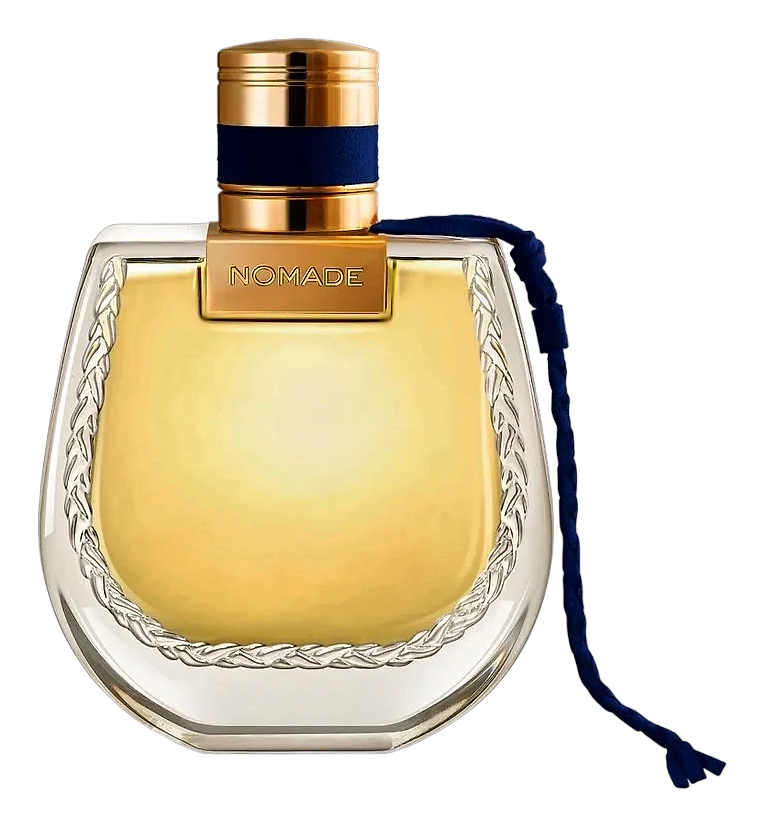
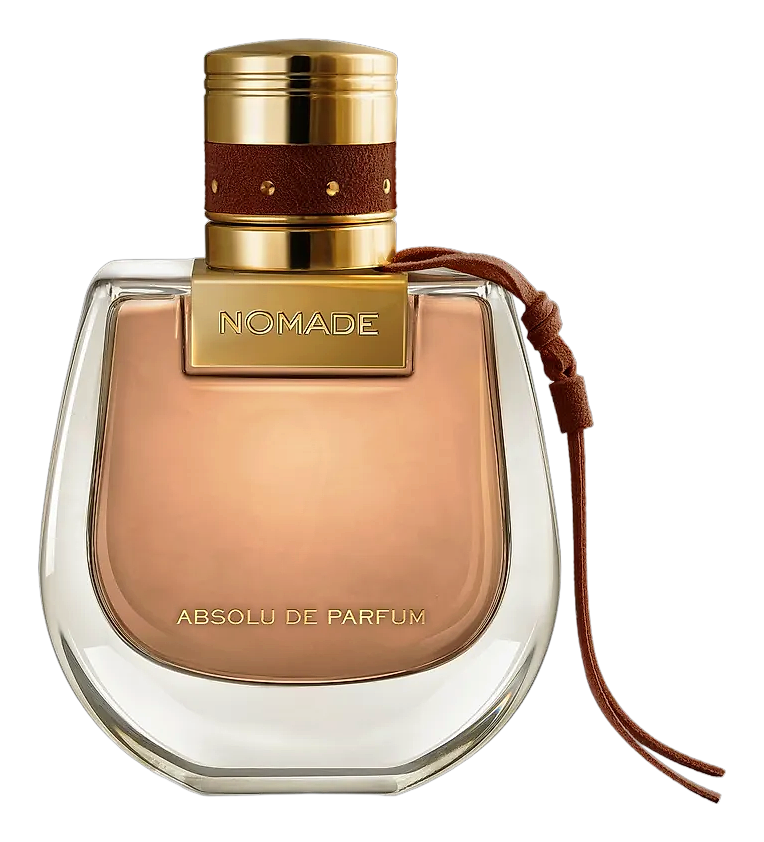
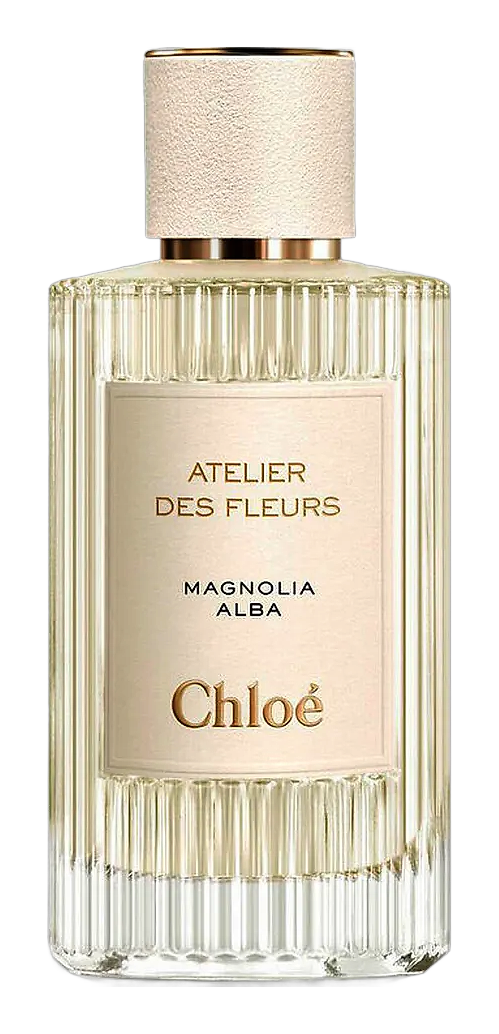
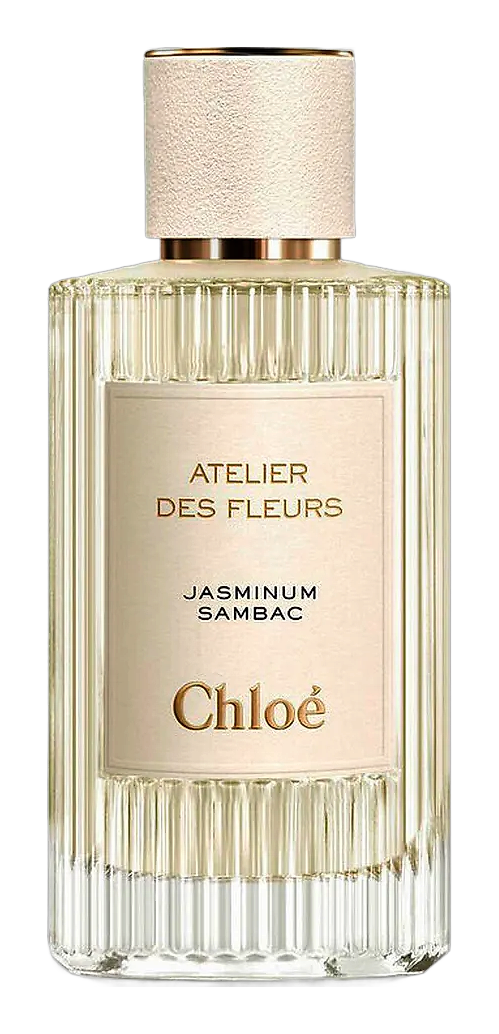
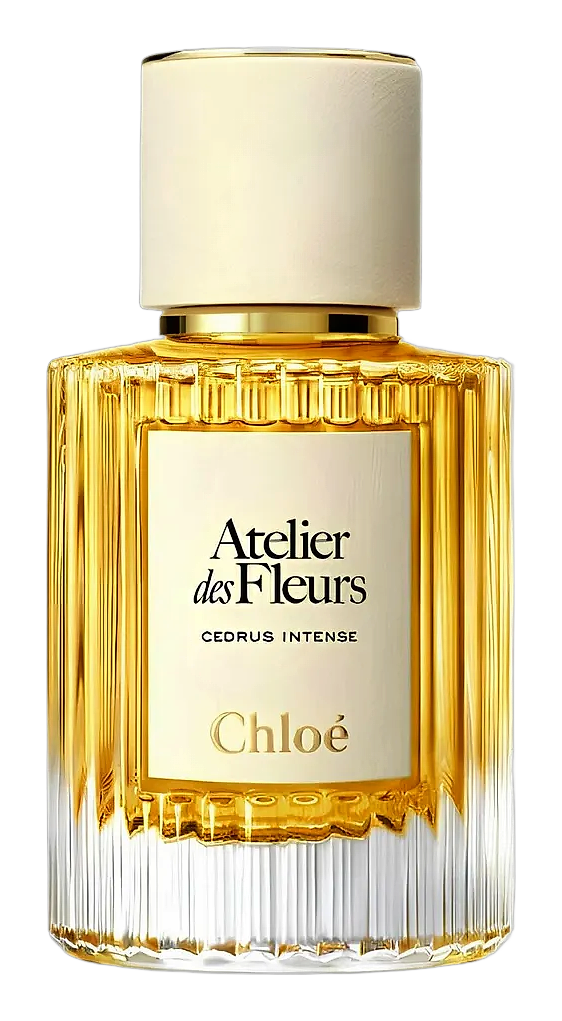
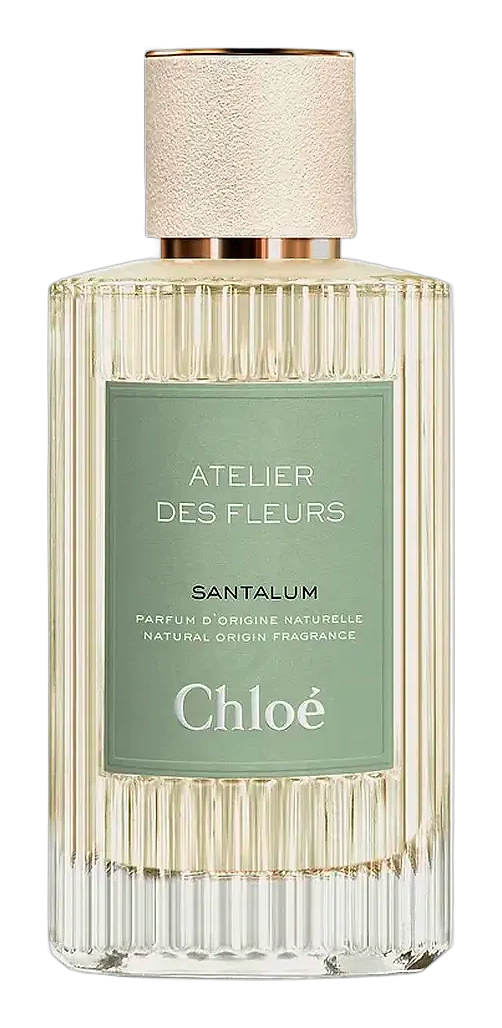
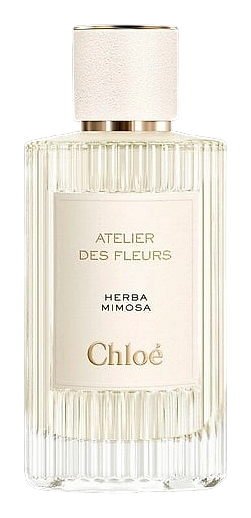
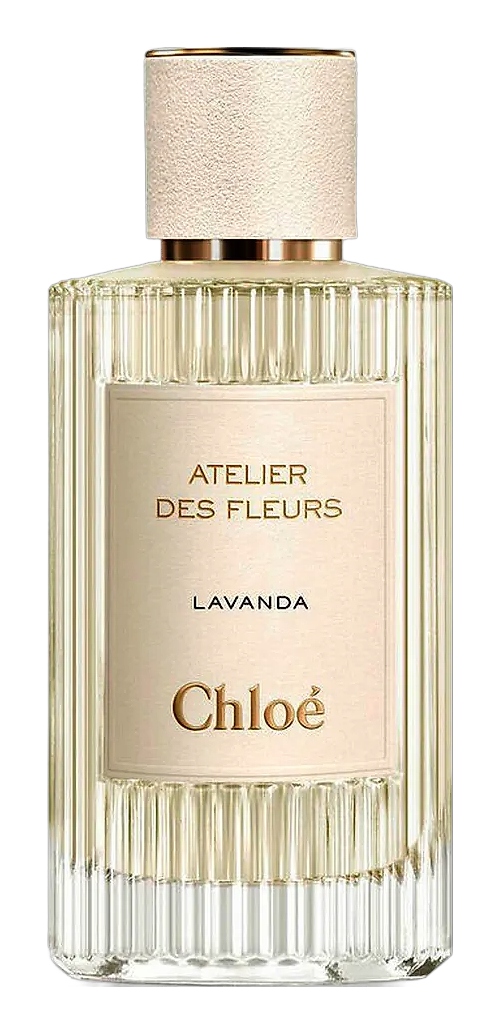
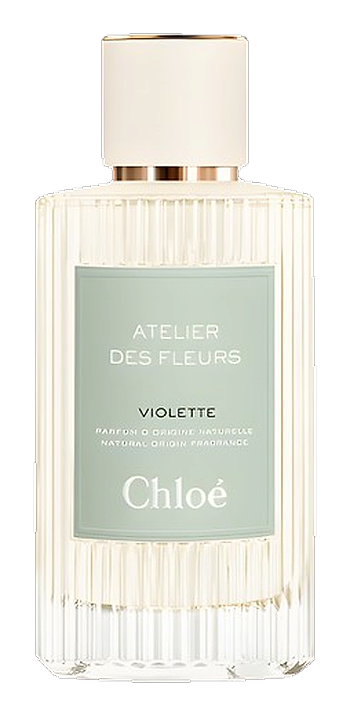
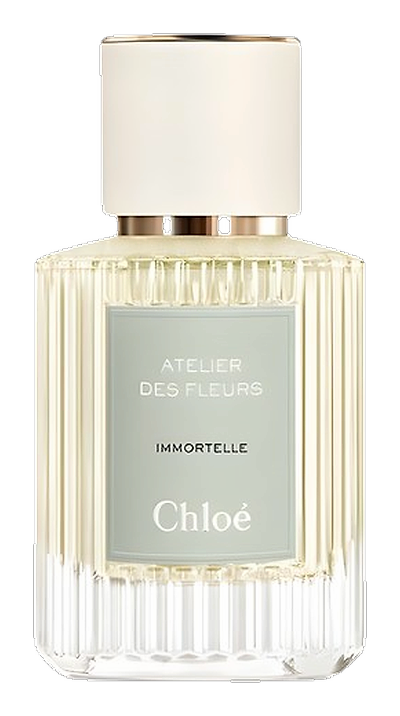
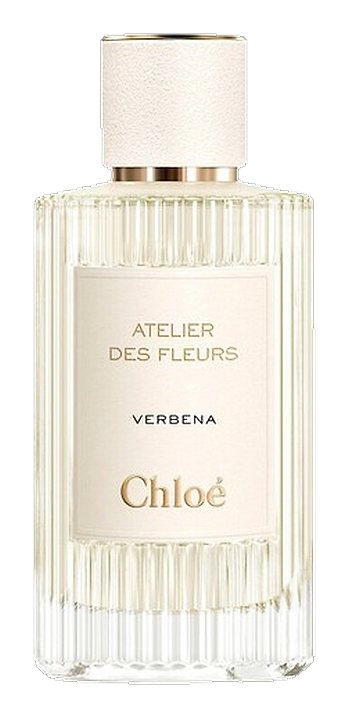
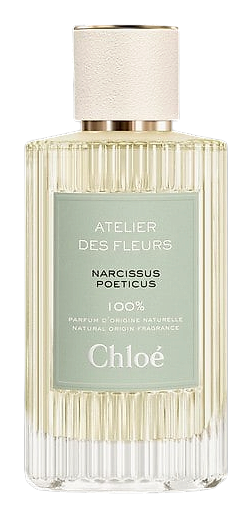
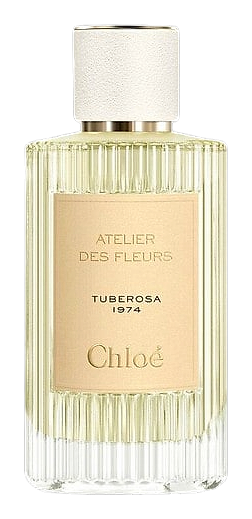
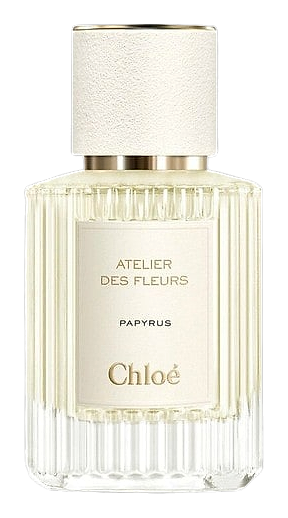
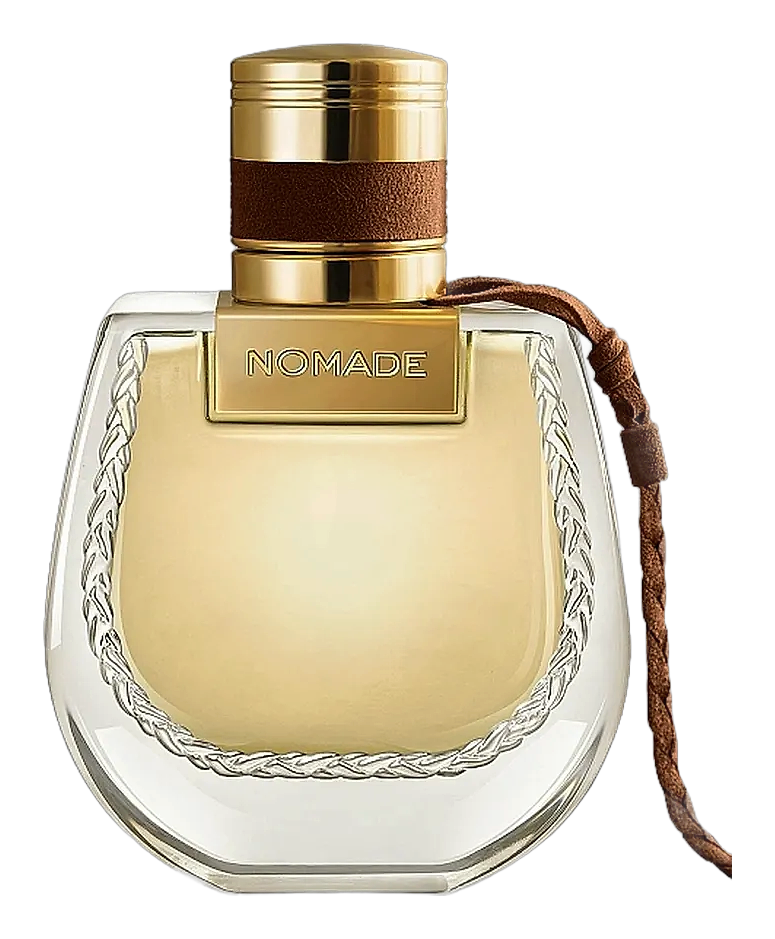
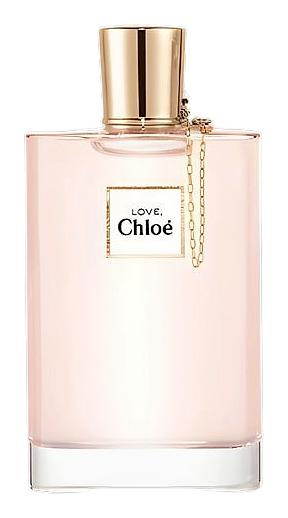
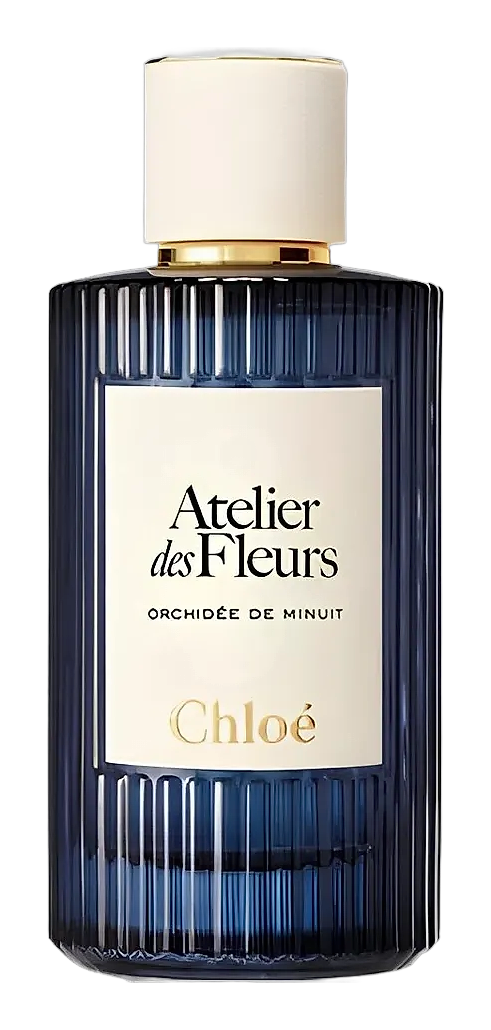
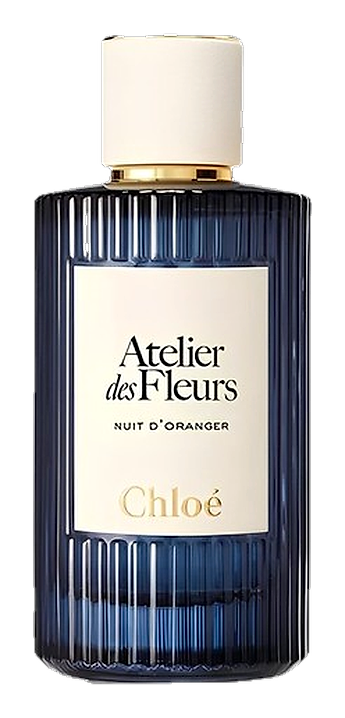
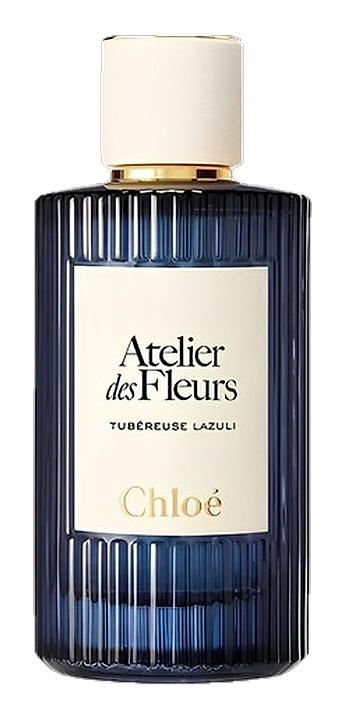
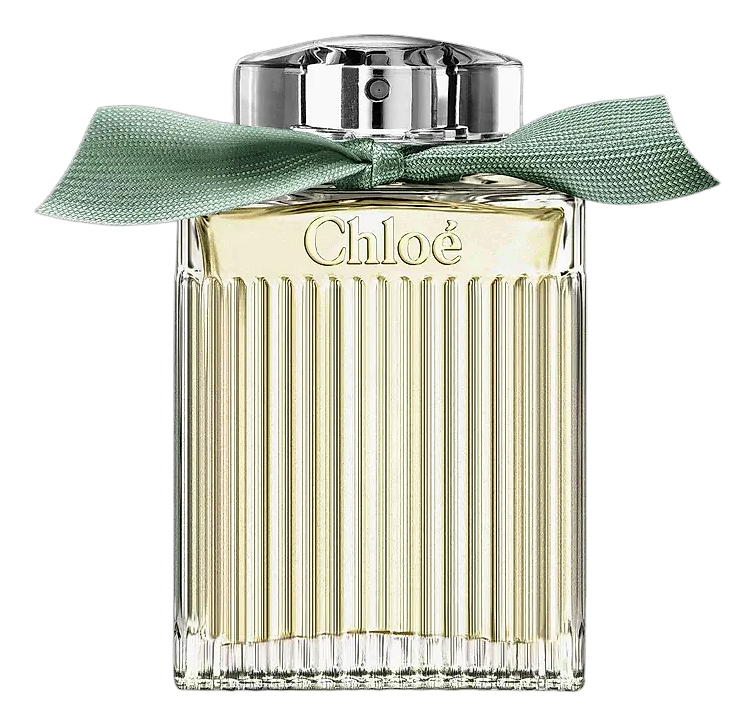
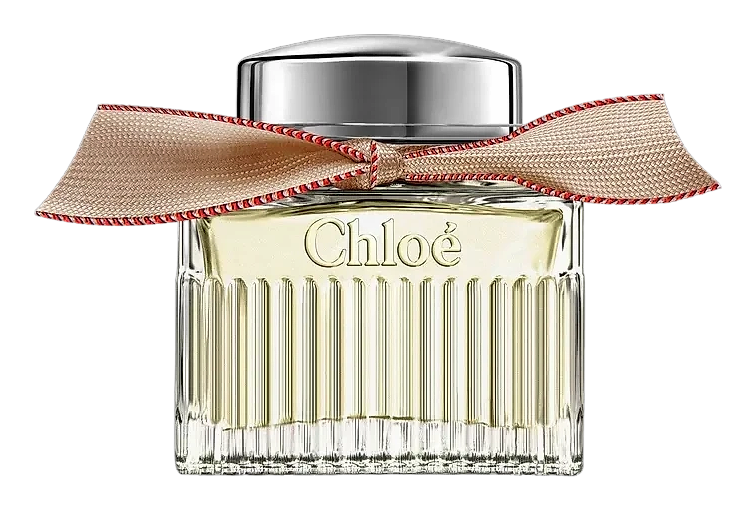
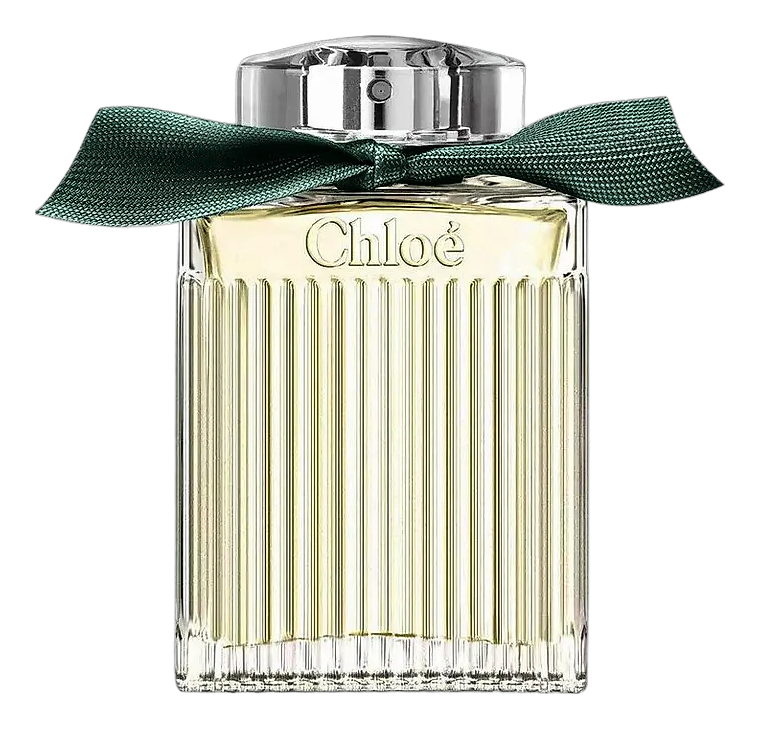
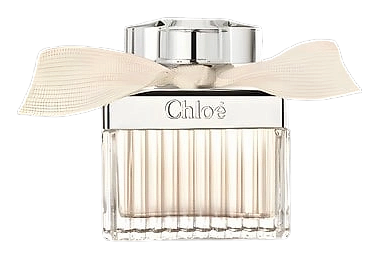
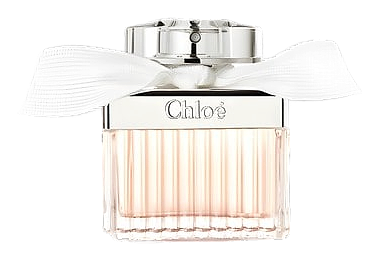
Gaby Aghion founded Chloé in Paris in 1952, an Egyptian-born designer who arrived in the city with little money but a clear vision. She saw a gap between stiff Parisian couture and the casual mood of postwar youth, and she built a house to fill it. She called it luxury ready-to-wear, a category that barely existed before her. In 1953, she partnered with Jacques Lenoir to formalize the business. The Maison staged its first collection at Café de Flore in 1956, a provocatively casual setting for a fashion house. The first standalone boutique opened in 1971, and four years later, in 1975, Chloé entered fragrance with an eponymous debut developed alongside Karl Lagerfeld, then the label's designer. The 2008 launch of Chloé Eau de Parfum marked a definitive moment for the brand's perfume identity, with its now-iconic ribbon-tied bottle and a powdery rose composition that captured the romantic spirit Aghion had always championed. Subsequent creations, including the Roses de Chloé line and the Nomade collection, have continued to expand the house's olfactory vocabulary while maintaining its signature softness. Chloé's creative philosophy centers on romanticism without sentimentality. The house imagines its wearer as independent, intuitive, and drawn to beauty that feels personal rather than performative. Perfume is treated as an extension of the wardrobe: something chosen for mood, for a moment, for the pleasure of it. This is a house that prizes naturalism in its compositions, floral, airy, sunlit, and rooted in raw materials that read clearly rather than abstractly. The Atelier des Fleurs collection, launched in 2019, made this philosophy literal by engaging nine perfumers to create a unified garden of singular florals, each one named after its dominant botanical and built to be layered or worn alone. The result reframed Chloé as a serious player in the niche-adjacent space while preserving the accessibility that defined its original 2008 release. Across every release, the throughline remains consistent: grace, lightness, and an emotional directness that avoids complication.