Mathieu Nardin
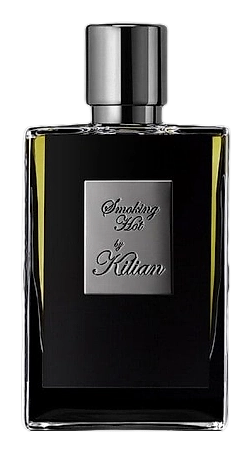
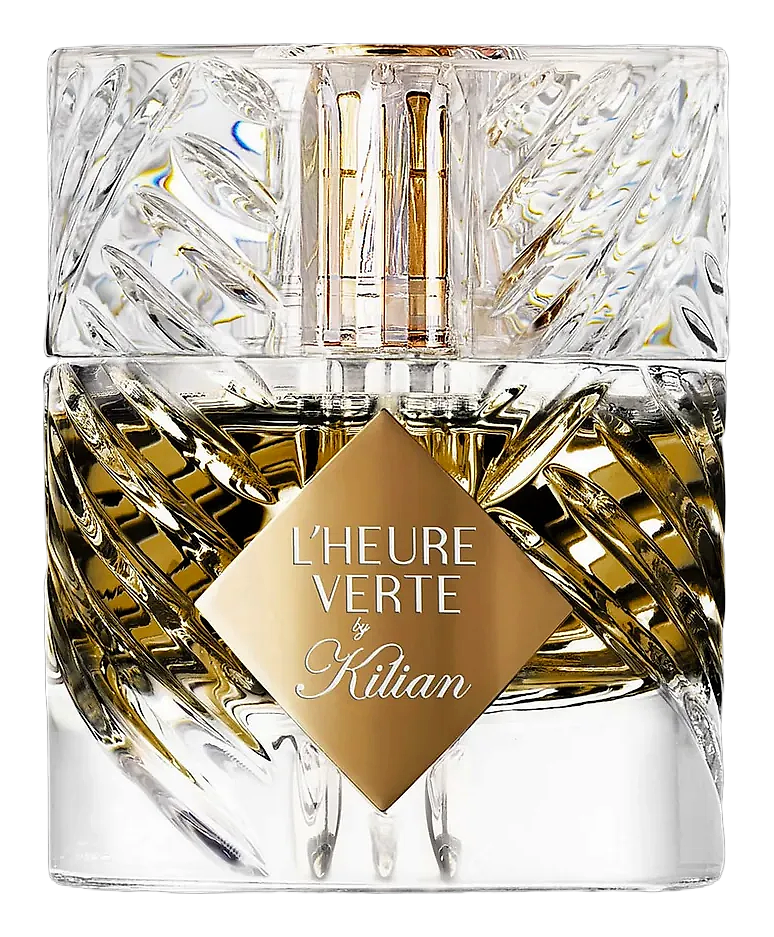
Mathieu Nardin was born in the fields of Grasse, the grandson of rose, jasmine, and verbena growers. His father, grandfather, and older brother are all noses. The path to perfumery was never in question. After a Master’s degree at ISIPCA in Versailles, he joined Robertet in 2009 and earned his first appointment as a perfumer at just 23 years old. He spent his early years in Grasse before relocating to New York in 2013, where the city's cultural energy sharpened his instinct for bold contrasts. In 2018, he joined the creative team at Mane, marking a new chapter alongside a roster of prestigious houses. He built his reputation with fragrances for Etro, Houbigant, Miller Harris, and Kilian, among others. Today he stands among a generation of perfumers who treat tradition not as a constraint but as a living language.
The hits
Notable creations






The signature
How Mathieu composes
A purist at heart, Nardin begins every composition with the ingredients themselves. He favors flowers, citrus, and natural woods, which he considers the inheritance of his Grasse upbringing. Yet he has a real fascination with bolder materials like frankincense and labdanum, which keep his work unpredictable. He enjoys playing with contrasts, surprises, and layered emotions. Working across both prestigious houses and independent labels, he blends classical technique with a contemporary sensibility, creating fragrances that feel both grounded and alive.
Philosophy
What drives Mathieu
Nardin keeps a notebook close at all times, filling it with images, overheard conversations, places, and memories that spark an idea. He describes reading a book as a sensory experience: he smells what he writes. For him, fragrance begins with respect for raw materials, for the land, and for the craft itself. He believes appreciation starts with awareness of the nose as an underused, extraordinary sense. Emotions, personal memories, and close attention to one's own reactions form the foundation of every creation he undertakes.
The houses