Paul Parquet
Paul Parquet entered the world in 1856 on a Paris street that smelled of fresh pastries and coal smoke. As a teenager he slipped into a modest workshop, where a master perfumer taught him the chemistry of essential oils and the discipline of note‑by‑note construction. By his early twenties he earned a place at Houbigant, the venerable house that had supplied French courts for centuries. In 1882 he unveiled Fougère Royale, a blend that married lavender, oakmoss, coumarin and a whisper of citrus. The scent rewrote the rules of masculine fragrance and gave birth to an entire family that still dominates modern shelves. Ernest Beaux later called Parquet the greatest perfumer of his time, a tribute that still echoes in today’s ateliers. After the success of Fougère Royale he helped steer Houbigant through the Belle Époque, guiding new releases while preserving the house’s commitment to quality. He remained active until his death in 1916, leaving a legacy that still informs how perfumers think about balance, structure and the power of a single aromatic archetype.
The hits
Notable creations
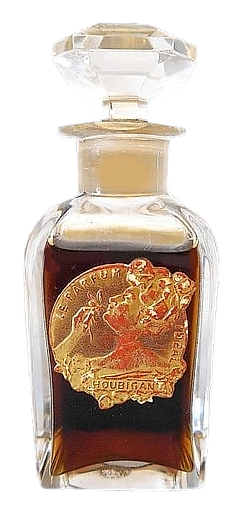

The signature
How Paul composes
Parquet’s technique centered on precise proportion. He measured each ingredient with the care of a chemist, then blended them in a sequence that allowed the most volatile notes to shine before the heart settled. Lavender, coumarin, oakmoss and a touch of citrus formed his signature scaffold. He layered aromatic herbs beneath a veil of soft woods, creating a structure that feels both fresh and anchored. Parquet favored natural absolutes over synthetics, yet he did not shy away from emerging isolates when they added clarity. His drafts often featured a short maceration period, ensuring that the final perfume retained a crisp, clean edge.
Philosophy
What drives Paul
Parquet believed that a perfume should read like a well‑written letter: clear, purposeful, and impossible to ignore. He trusted natural extracts to speak for themselves, avoiding excessive embellishment. For him the heart of a composition lay in the relationship between a crisp top, a harmonious middle and a lingering base. He pursued a quiet confidence, letting lavender’s brightness meet oakmoss’s depth without forcing drama. Parquet often said that a scent must respect the memory it evokes, whether that memory belongs to a summer garden or a quiet study. This respect for authenticity guided every bottle he sent to market.
The houses
Maisons Paul composes for
In the same league