The Story
Why it exists.
The beginning
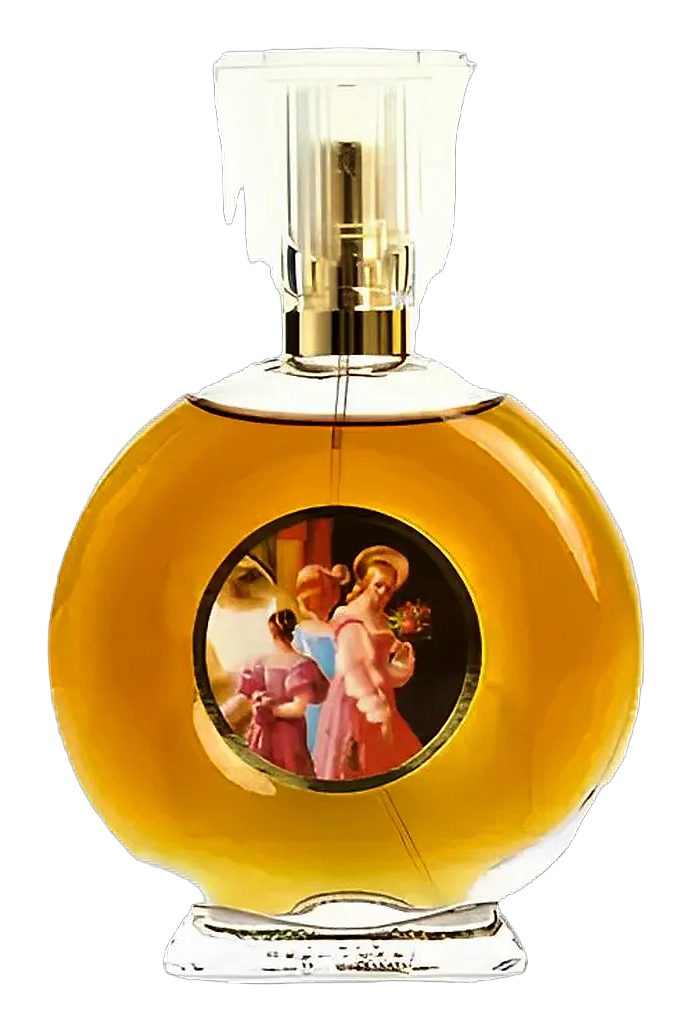
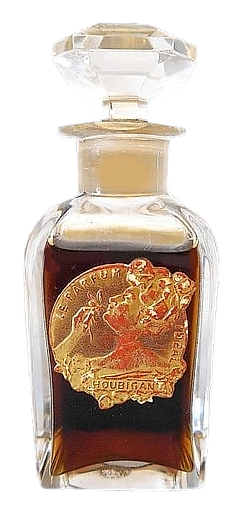
Paul Parquet designed Le Parfum Ideal in 1896. The composition opens with warm spice, a rich and inviting introduction that gives way to yellow and white florals at the center, where the florals interweave with creamy depth and bright highlights. The base of benzoin, ambergris, and sandalwood anchors the whole structure for hours, giving the fragrance its substantial foundation. The progression carries from afternoon into evening, each layer building on the last as the scent unfolds on skin. The structure has a natural persistence that allows it to develop fully over time, revealing new dimensions as the hours pass.
The pyramid here isn't decoration, it's a framework from an era when perfumers built for architecture, not accident. Warm spice meets cool citrus at the opening. Yellow florals (carnation, Bulgarian rose) anchor the heart while white florals (ylang-ylang, jasmine, orange blossom) provide the lift. The base layers sweet balsamic (benzoin, tonka bean) with marine depth (ambergris) and creamy wood (sandalwood), each material chosen for how long it could hold the line. Patchouli and musk complete the foundation. Nothing here is accidental. Nothing is trendy.
The evolution
Carnation and citrus arrive sharp, the opening has a confident presence that announces the fragrance immediately. Within minutes, ylang-ylang softens the edges, creamy and tropical, while Bulgarian rose slides in with its particular spice. The florals interweave, each one tempering and enhancing the others. Jasmine rounds everything out, adding a rounded quality to the heart. Then the benzoin arrives, sweet and resinous, followed by the ambergris lending a marine undertone that most people don't expect. Sandalwood and musk settle into the base, creating a skin-like warmth. The composition reveals itself in stages, the florals giving way to the deeper resins and woods as time passes.
Cultural impact
Le Parfum Ideal exists in the classical French tradition, a product of an era when perfumery was establishing its formal vocabulary. It's not competing with modern niche releases, working within conventions that would later be challenged and subverted. For those interested in the history of the craft, it represents an important example of how traditional materials were combined and balanced. The fragrance demonstrates the principles that governed classical perfumery: layered construction, natural material selection, and a structure designed to unfold over time.