





Heritage
A house, in its own words
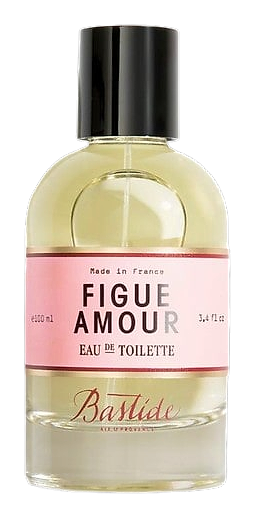
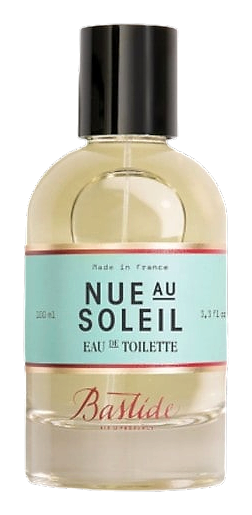
The story of Bastide begins in 1991, when Nicole Houques established the original company under the name Côté Bastide in the South of France. The founding drew from regional tradition, with Houques building the business around artisanal methods and Provençal ingredients. For more than two decades, Côté Bastide operated as a regional cosmetics and fragrance brand, developing a loyal following among visitors to the region and those who appreciated its handcrafted approach. The original company emphasized handmade production techniques and the use of natural ingredients sourced from local producers. In 2016, Frédéric Fekkai and Shirin von Wulffen acquired the company and relaunched it under the Bastide name. Fekkai, previously known for his eponymous hair care brand, brought an elevated vision to the fragrance house, repositioning it as a comprehensive lifestyle and beauty brand. The relaunch coincided with a shift toward clean formulations across all product categories. The company retained the artisanal production philosophy of its predecessor while expanding its fragrance offerings significantly. Post-relaunch, the brand introduced numerous new scents including Lavande in Love (2020), Verveine du Sud (2019), Nue au Soleil (2019), and Figue Amour (2018), each named in French and evoking specific Provençal ingredients or experiences. The brand maintains its headquarters and production in Aix-en-Provence, preserving its regional identity. Bastide positions itself around the rituals and sensory traditions of Provençal life. The brand's communications reference the rhythms of the region: morning light, seasonal harvests, and the everyday practices that structure life in the south of France. Rather than chasing trend cycles, Bastide designs its products for regular, repeated use within daily routines. The company describes its mission in terms of bringing a particular quality of life into the home, connecting the act of applying fragrance to broader ideas of self-care and domestic comfort. The clean formulation approach introduced in the 2016 relaunch reflects a stated commitment to ingredient transparency and product safety. The brand works with artisans it calls Beautisans, framing production as skilled craft labor rather than industrial manufacturing. This terminology appears consistently in brand communications, positioning each product as the result of individual skill and attention. The fragrance collection itself emphasizes single-note inspirations and ingredient-focused compositions rather than complex narrative accords, suggesting an approach that privileges the authenticity of raw materials over conceptual storytelling.