The Story
Why it exists.
The beginning
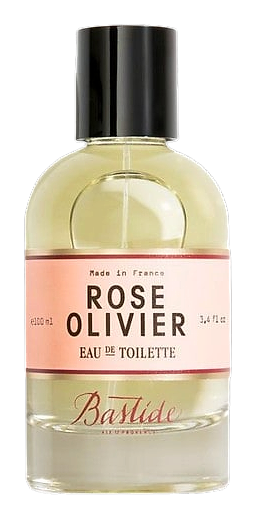
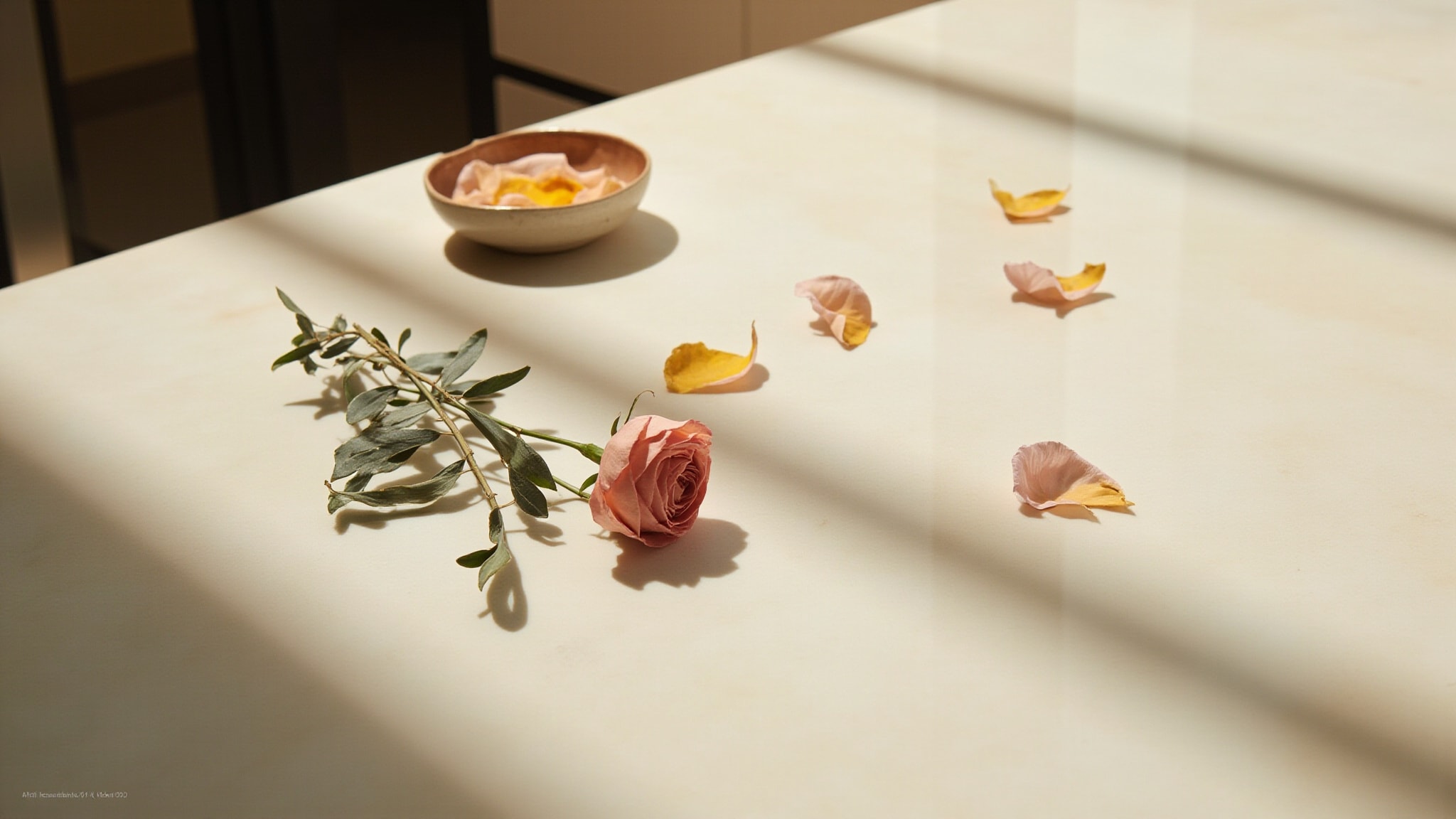
Mathieu Nardin designed Rose Olivier around a single botanical observation: in the south of France, a rose bush sometimes grows intertwined with an olive tree. Their branches meet. Their roots share soil. The rose, according to the brand's own copy, 'takes on woody notes from its olive lover.' This is the fragrance's entire premise, a rose that absorbed something green and grounded from its neighboring growth. Nardin translated that symbiosis into a pyramid where rose isn't the only story. Olive leaf sits in the heart, doing quiet work that prevents the floral from becoming precious.
What makes this composition unusual is the olive leaf. It's not a common heart note, it reads green, slightly bitter, almost medicinal in the way fresh herbs do. Most rose fragrances build downward into sweetness (musk, vanilla, amber). Rose Olivier builds sideways into something herbal and clean. The citrus and olive keep it grounded in something that smells grown, not constructed. Cashmere wood in the base does what cashmere wood always does, it adds warmth without weight, a powdery softness that extends the floral without weighing it down.
The evolution
The bergamot arrives first, sharp, clean, the smell of citrus peel rather than juice. Tangerine adds a soft sweetness underneath. The litchi appears briefly, giving the opening a translucent, almost watery quality. Ten minutes in, the rose pushes through. Not a heavy Damask rose, this is a Grasse rose, lighter, with a honeyed edge that stays elegant. The olive leaf announces itself by subtraction: it keeps the rose from climbing too high, too sweet. The violet and pink peony arrive quietly, adding powdery softness to the floral heart. By the third hour, the base takes over. Musk and cashmere wood create a skin-close warmth. The amber adds a faint resinous depth. White cedar extract keeps everything dry, clean, slightly woody.
Cultural impact
Rose Olivier has found its audience among wearers who want a fresh rose without the vintage associations, something that smells natural and garden-adjacent rather than perfumed and constructed. Its Provençal framing and moderate sillage make it approachable for daily wear. The fragrance occupies a particular space in the rose category, one that appeals to those who appreciate florals but find many rose scents either too heavy or too sweet. It's a composition that manages to feel both contemporary and grounded, drawing on regional ingredients without feeling rustic or underdeveloped.