Cashmere Wood
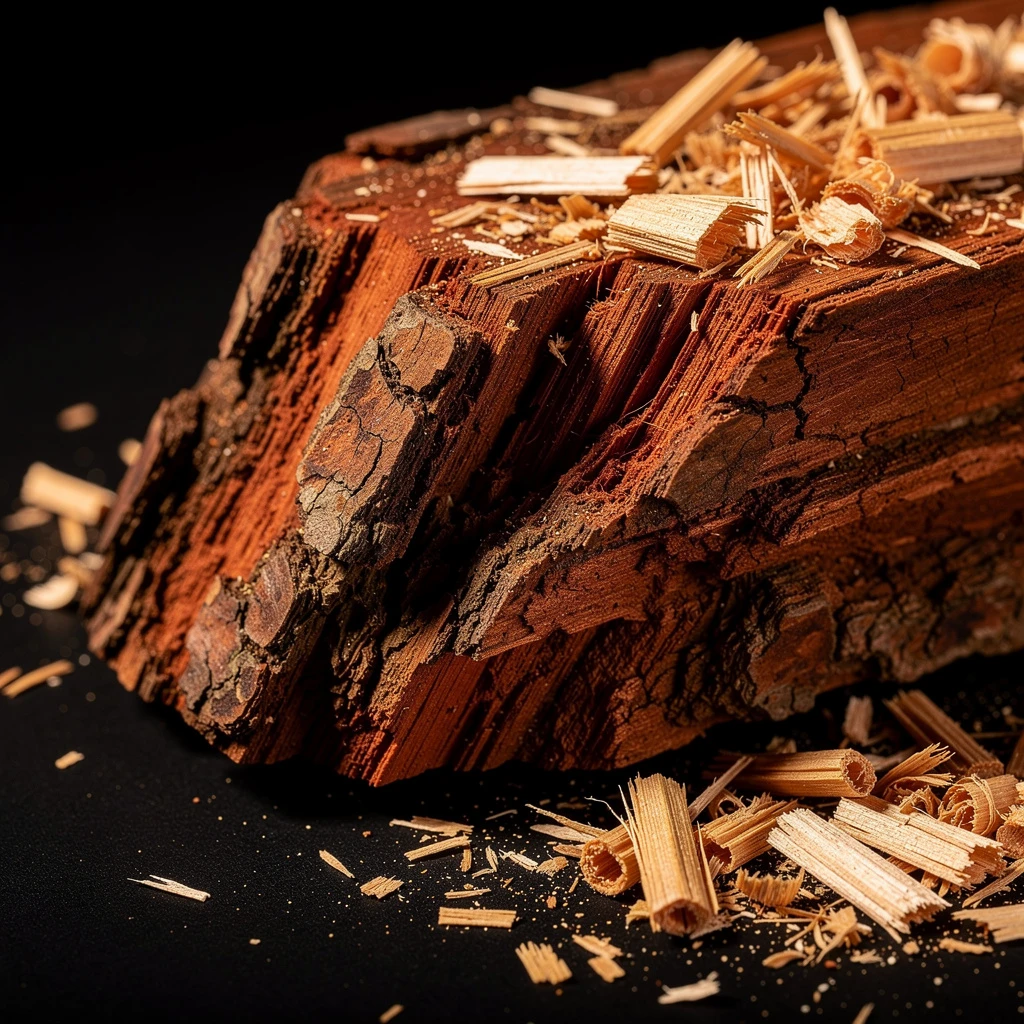
A synthetic aroma chemical that creates a soft, enveloping wood effect in fragrance. Cashmeran delivers powdery warmth with musky undertones, lending a cozy texture to base compositions. It replaces natural materials while adding distinctive character to modern perfumes.

Character
How it smells
Softer than any wood, warmer than any musk
Developed by IFF in 1968, cashmeran was designed to mimic the sensation of wearing cashmere fabric itself.








Origin
USA
The story of cashmere wood begins in the 1960s, when IFF researchers embarked on a mission to create synthetic materials that could replicate luxurious textile sensations. The perfumery industry had long relied on rare and expensive natural ingredients to convey richness and comfort in fragrances. IFF chemists recognized an opportunity to develop a synthetic alternative that could evoke the soft, enveloping feeling of cashmere without harvesting any natural source.
By 1968, cashmeran emerged from these laboratory efforts, representing a breakthrough in synthetic fragrance chemistry. The material quickly gained traction among perfumers seeking to create warm, intimate fragrance experiences at accessible price points, democratizing the sensation of luxury that cashmere represents.
Wears it best
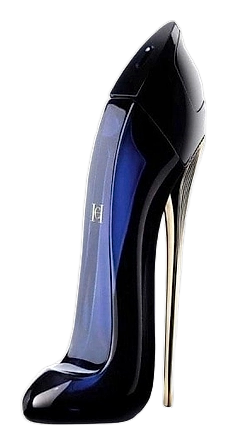
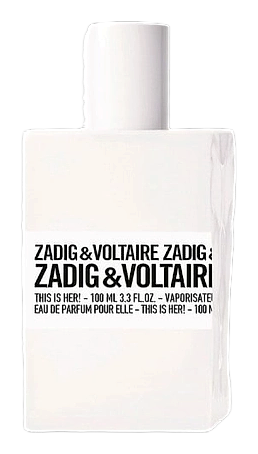
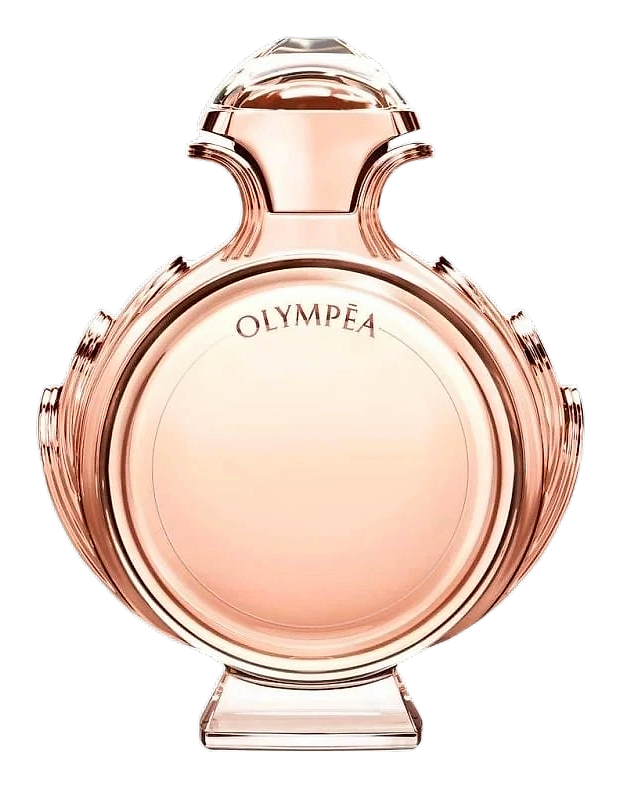
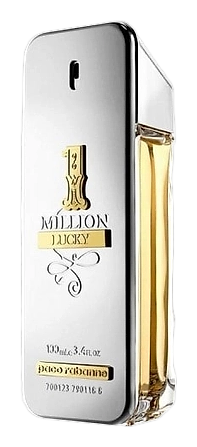
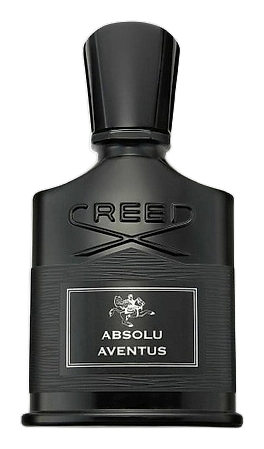
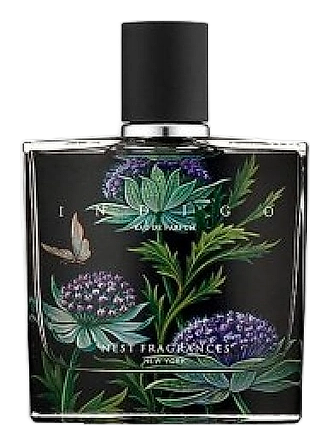
Fragrances featuring Cashmere Wood


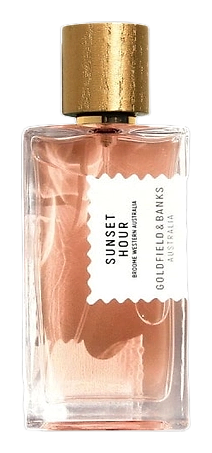
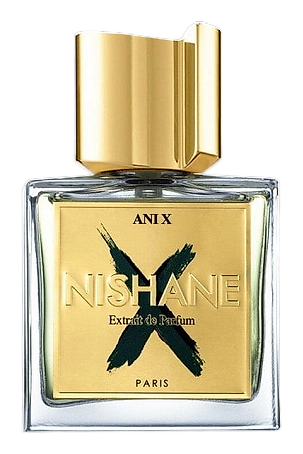

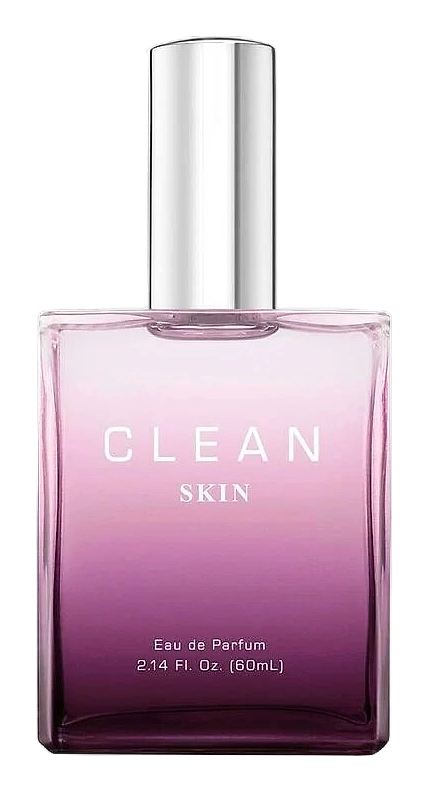
Brands
Brands known for Cashmere Wood
Good to know
Questions, answered
The essentials on Cashmere Wood in perfumery: how it smells, where it comes from, and how it behaves on skin.
What does Cashmere Wood smell like in perfume?
Cashmere Wood smells like a soft, powdery wood with musky undertones. It creates an enveloping, fabric-like warmth reminiscent of wearing a cashmere sweater. The aroma has a cozy, intimate quality that adds texture without overt cedar or sandalwood character.
Why is Cashmere Wood used in perfumery?
Perfumers use cashmere wood because it provides a cost-effective alternative to expensive natural materials while adding unique texture. It creates warm, powdery depth in base compositions and helps fragrances last longer on skin by enhancing fixative properties. Approximately 200 synthetic aroma chemicals are now standard in modern perfumery.
Is Cashmere Wood in perfume natural or synthetic?
Cashmere Wood is entirely synthetic, not derived from any botanical source. Its chemical name is cashmeran, and it was first synthesized in 1968 by scientists at IFF. No part of the cashmere plant or any other natural material is involved in its production.
What famous perfumes contain Cashmere Wood?
Cashmere Wood appears in numerous modern fragrances across luxury and mainstream brands. It is particularly common in oriental and woody compositions where perfumers seek soft warmth. The material gained popularity in the 1980s and 1990s as woody-floral and amber fragrances expanded.
Is Cashmere Wood a top note, heart note, or base note?
Cashmere Wood functions primarily as a base note in perfumery. Its molecules are relatively large, which means it evaporates slowly and stays close to the skin. Perfumers typically add it during the final stages of composition to anchor lighter top and heart notes while providing lasting warmth.
What notes pair well with Cashmere Wood in perfume?
Cashmere Wood pairs well with musks, vanillin, sandalwood, and amber materials. It also complements fruity florals and oriental spice combinations. The material amplifies the warmth of other base ingredients while adding its characteristic powdery softness to the fragrance pyramid.
How is Cashmere Wood extracted?
Cashmere Wood cannot be extracted because it is not a natural material. It is created entirely through synthetic organic chemistry in laboratory settings. IFF researchers first synthesized cashmeran in 1968 using a multi-step chemical process that builds complex molecular structures from simpler compounds.
Is Cashmere Wood used in men's or women's fragrances?
Cashmere Wood is gender-neutral in modern perfumery. Its soft, enveloping character works equally well in men's and women's fragrances. The material became particularly popular in the 1990s for unisex fragrance development, where perfumers sought ingredients that transcended traditional gender boundaries.
In the same family