Orcanox
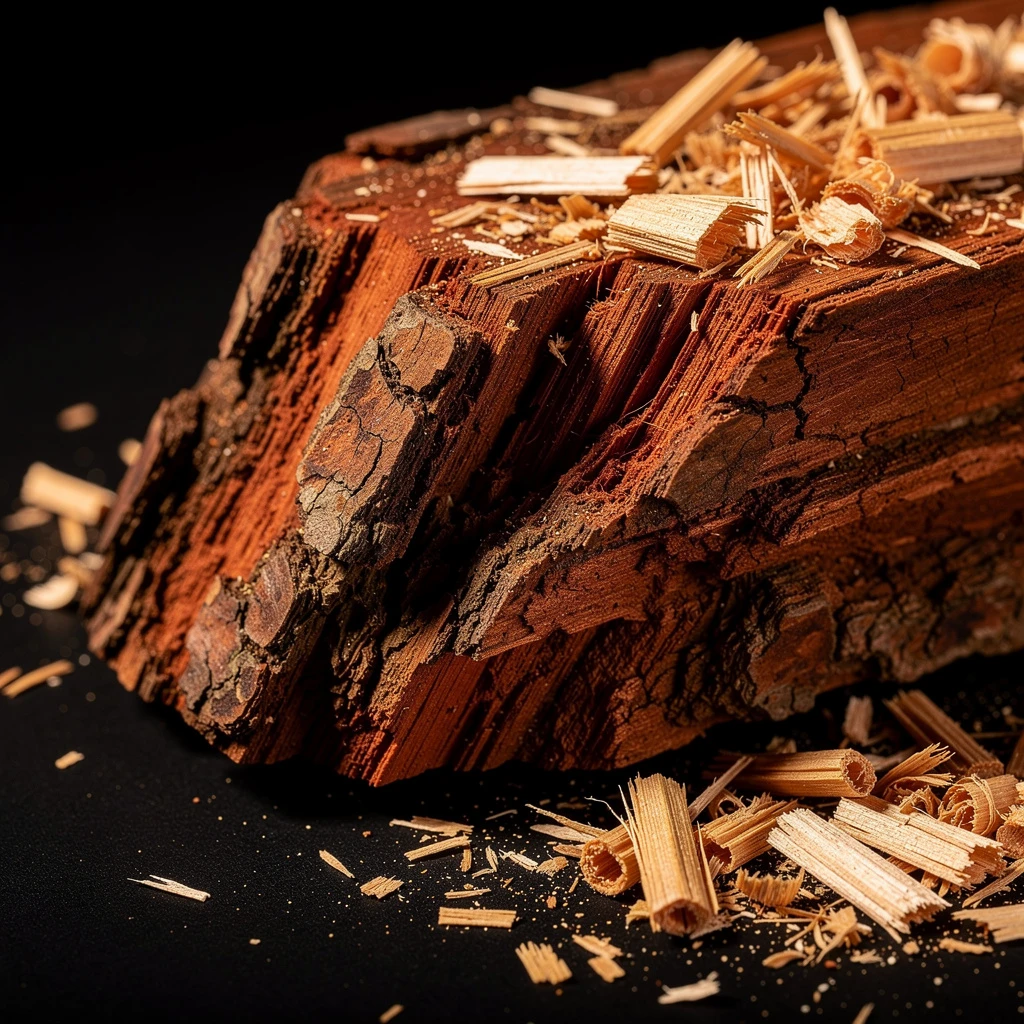
Orcanox™ is a high-performance synthetic ambergris alternative developed by V. MANE Fils, delivering a rich musky-woody character with smoky, leathery depth and exceptional diffusion that modernizes warm oriental and woody compositions.
Character
How it smells
Synthetic ambergris with superior warmth and diffusion.
Orcanox is estimated several times more powerful than standard ambroxan, yet remains nearly impossible to source in small quantities, making it one of perfumery's most exclusive captive materials.








Origin
France
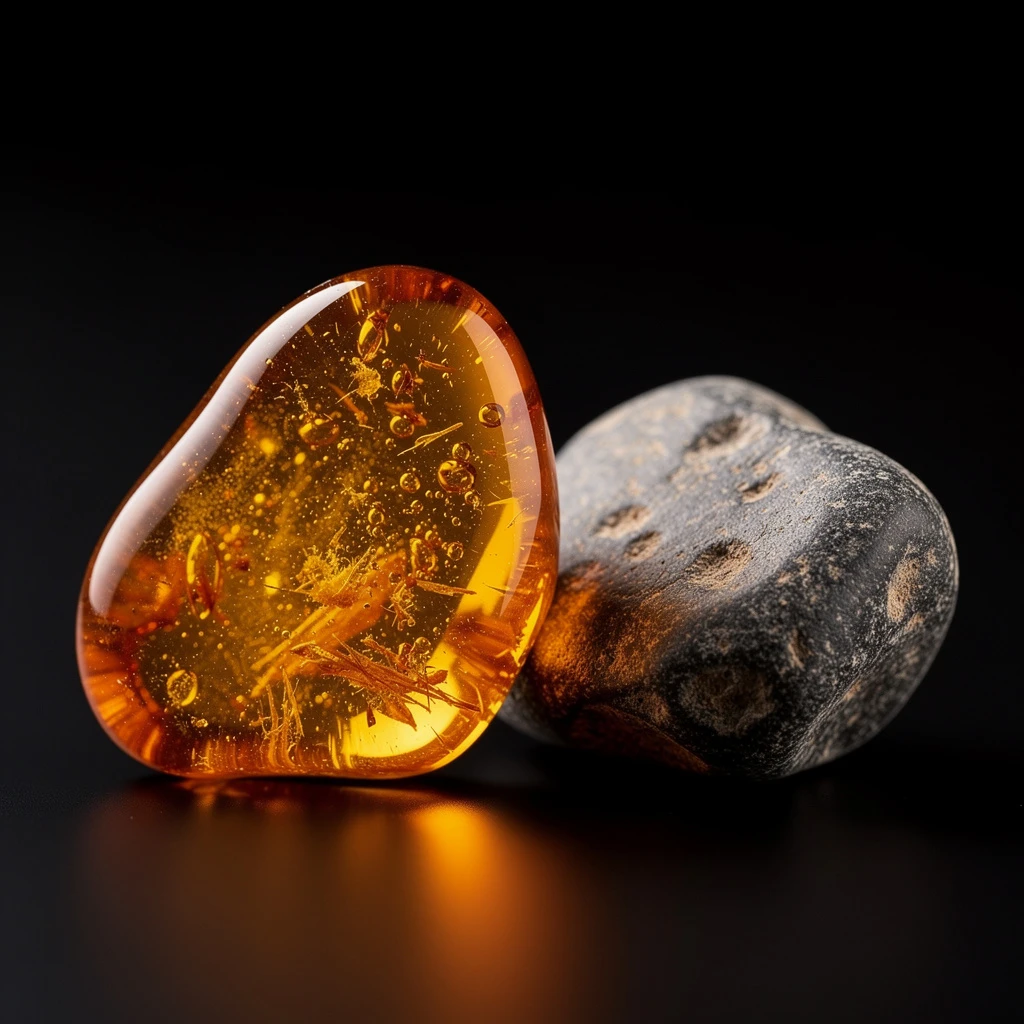
The ambroxide family emerged in 1950 when Firmenich scientists first synthesized ambrox from sclareol extracted from clary sage, replacing whale-derived ambergris with a sustainable alternative. Orcanox, developed by the French house V. MANE Fils, represents a newer generation within this family, designed to replicate ambergris warmth while eliminating ethical and sustainability concerns.
Though sharing the same molecular backbone as Givaudan's Ambrofix and Firmenich's Ambrox Super, perfumers treat each as distinct. The olfactory differences arise from manufacturing-specific trace impurities and minor isomer ratios, demonstrating that in fragrance chemistry, 99% purity and 99. 5% purity are not the same thing.
Orcanox quickly gained recognition in professional perfumery for its richer, more complex profile compared to standard ambroxan, with a modernizing undercurrent of sweetness that shifts compositions toward warmth rather than transparency. As a captive material available only to perfumers working directly with V. MANE Fils, it remains one of the most sought-after and difficult-to-obtain ingredients in contemporary fine fragrance.
Wears it best
Fragrances featuring Orcanox
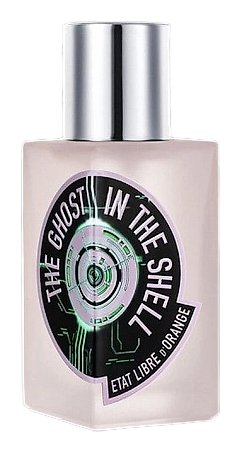
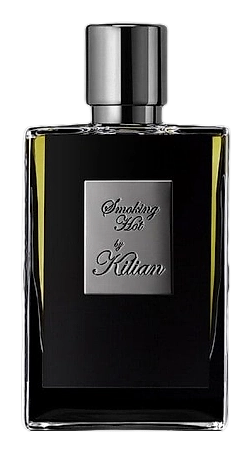
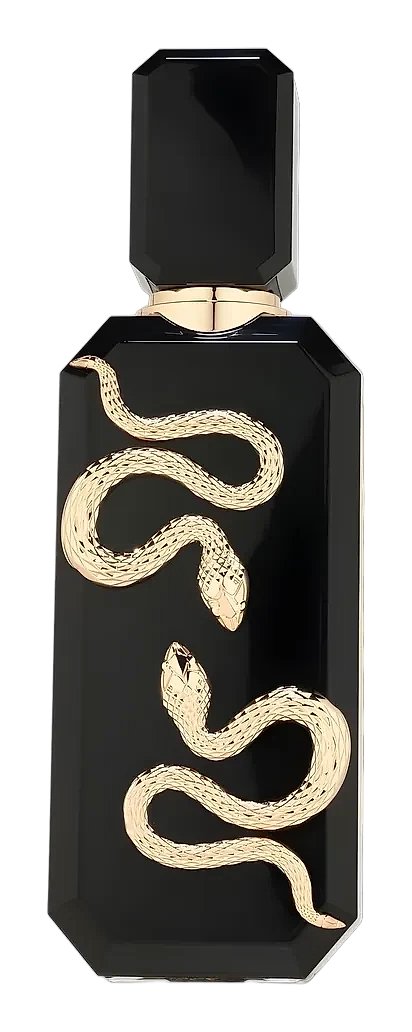
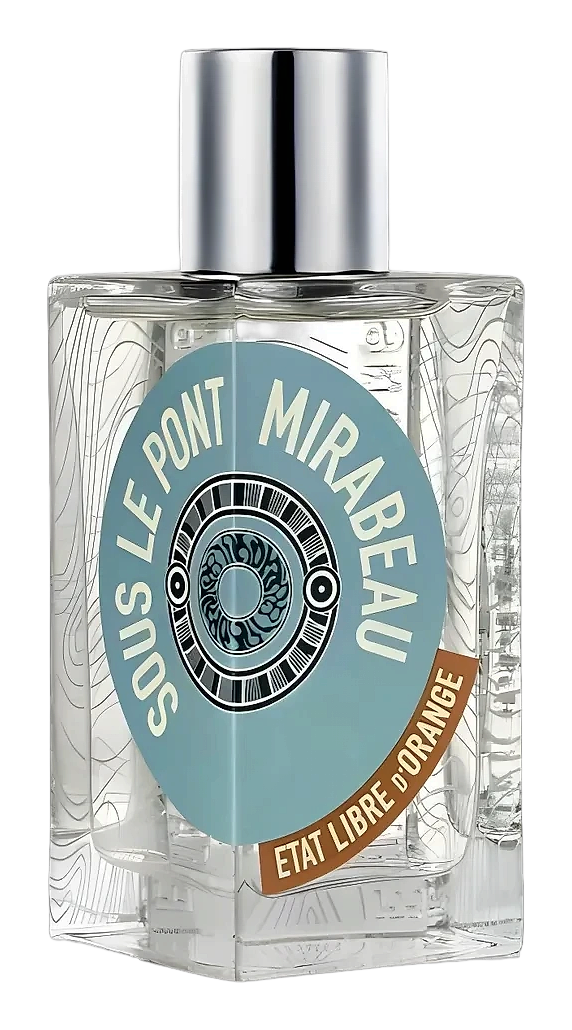
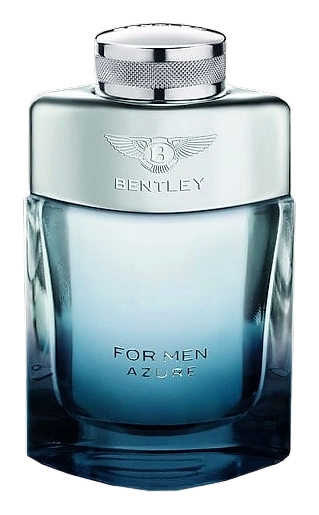
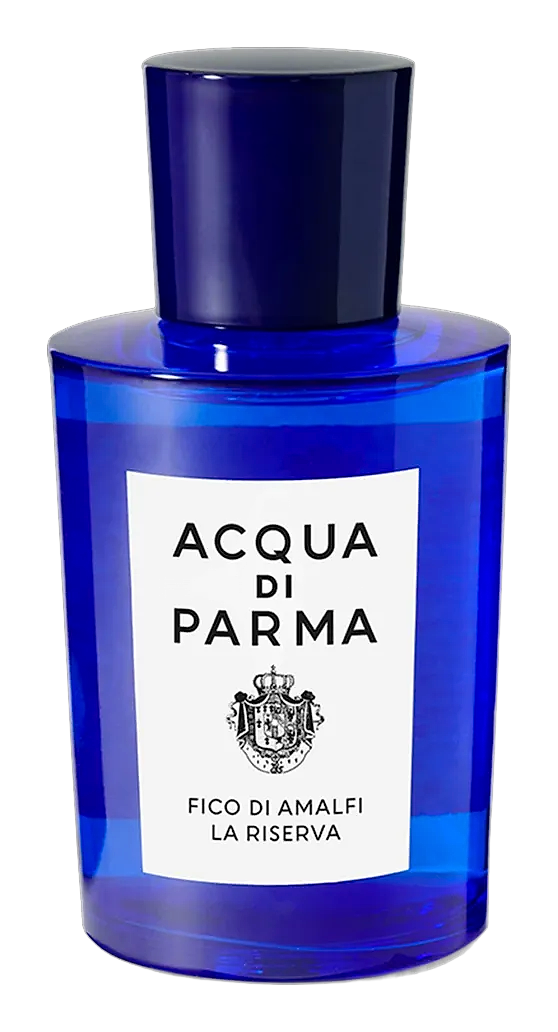
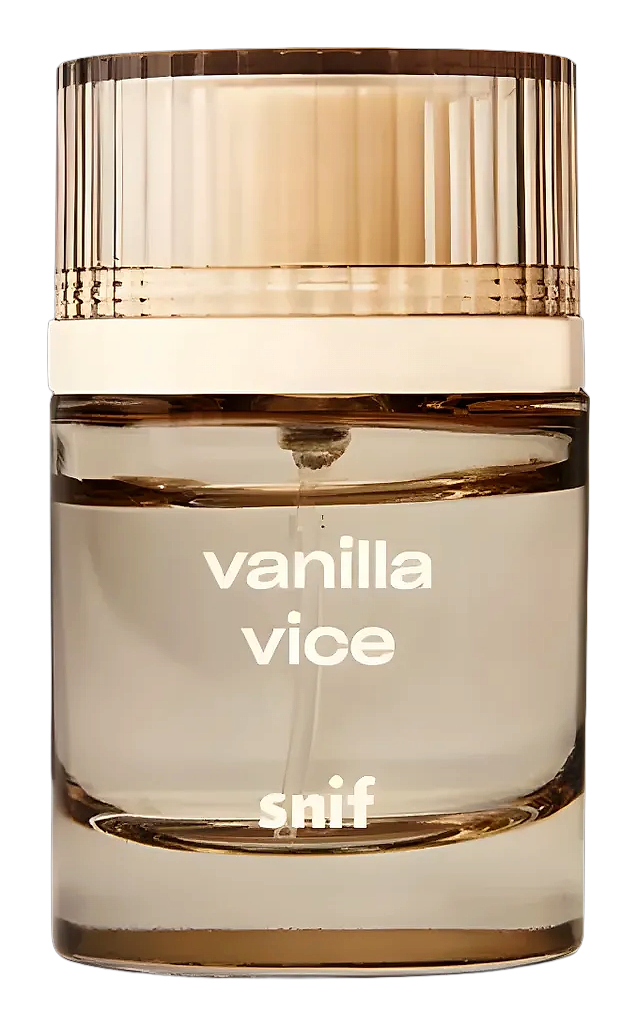
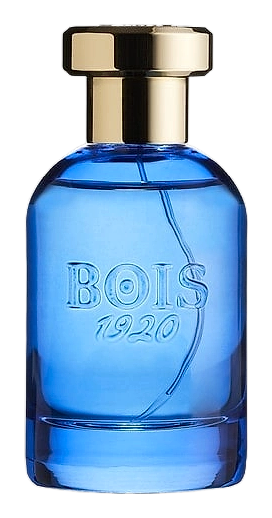
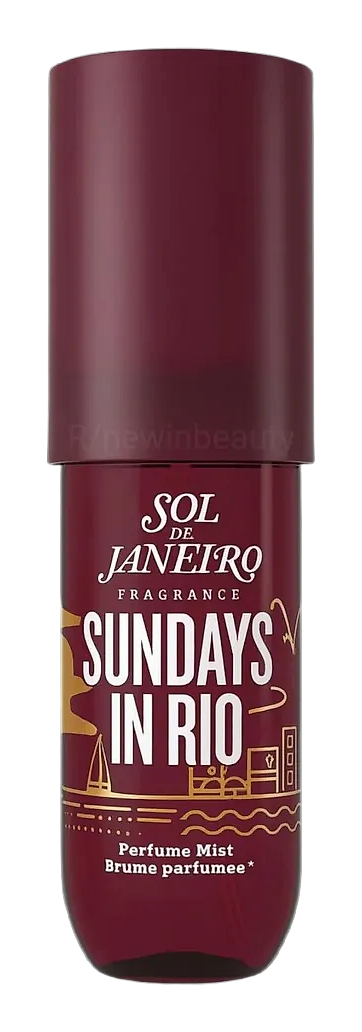
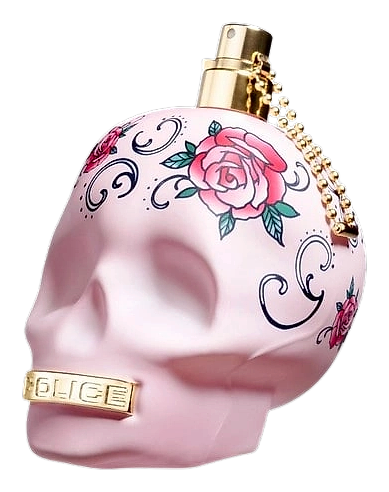
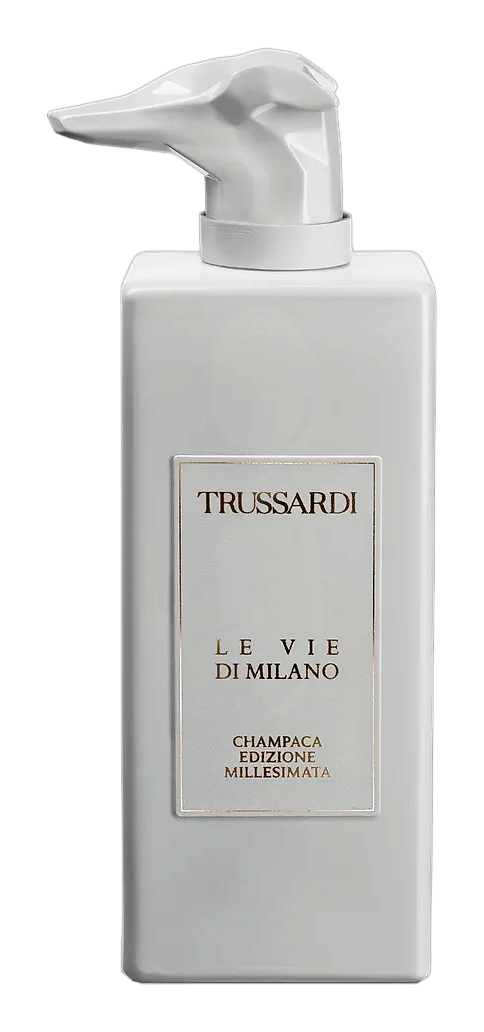
Brands
Brands known for Orcanox
Good to know
Questions, answered
The essentials on Orcanox in perfumery: how it smells, where it comes from, and how it behaves on skin.
What does Orcanox smell like?
Orcanox delivers a warm, musky-woody aroma with smoky undertones and leathery depth, resembling refined ambergris. It is richer and more complex than standard ambroxan, with a distinctive sweetness that modernizes oriental and woody compositions.
What is Orcanox chemically?
Orcanox is an ambroxide with CAS 6790-58-5 and molecular formula C₁₆H₂₈O. All commercial ambroxides share this structure but differ in trace impurities, creating distinct olfactory profiles.
How is Orcanox produced?
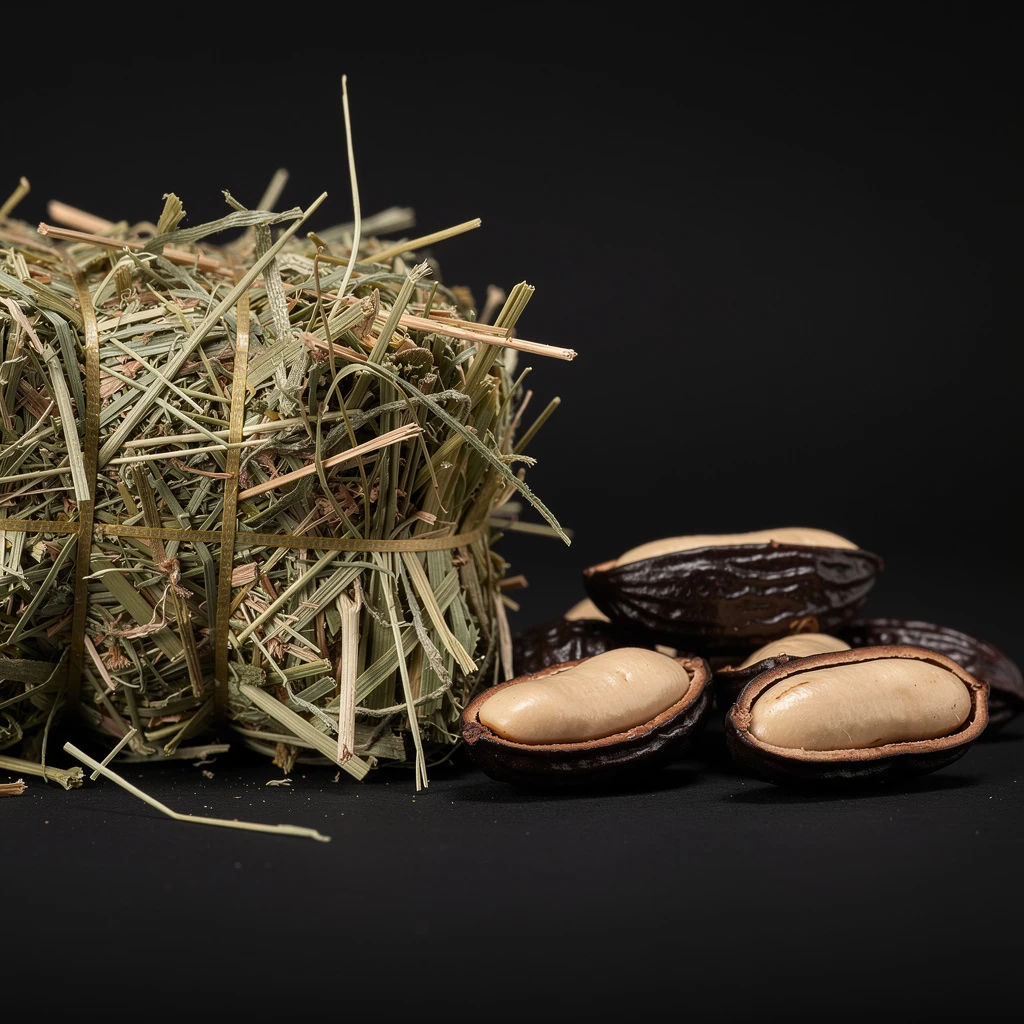
V. MANE Fils synthesizes Orcanox biotechnologically from sclareol, a diterpene alcohol extracted from spent clary sage straw after essential oil distillation.
Why is Orcanox considered special?
Orcanox is several times more powerful than standard ambroxan and significantly more diffusive, yet it remained nearly impossible to obtain in small quantities, making it exceptionally rare in perfumery.
What fragrance families pair well with Orcanox?
Orcanox pairs exceptionally well with florals, woody notes, and orientals. It cushions jasmine and indolic florals with amber warmth while extending oud, patchouli, and labdanum longevity.
How much Orcanox do perfumers use?
Typical usage sits between 2-10% of a fragrance concentrate. At these levels, Orcanox acts as a sillage engine, lifting surrounding materials into a warm, diffusive halo without dominating the composition.
Why did synthetic ambergris replace natural ambergris?
Natural ambergris originates from sperm whale secretions and raises both ethical and sustainability concerns. Synthetic alternatives like Orcanox replicate ambergris warmth and fixative properties without these issues.
What is the global production of ambroxides?
Global production of all ambroxide grades combined reaches roughly 10 tonnes per year, making these materials relatively scarce compared to most fragrance ingredients.
In the same family