The Story
Why it exists.
The beginning
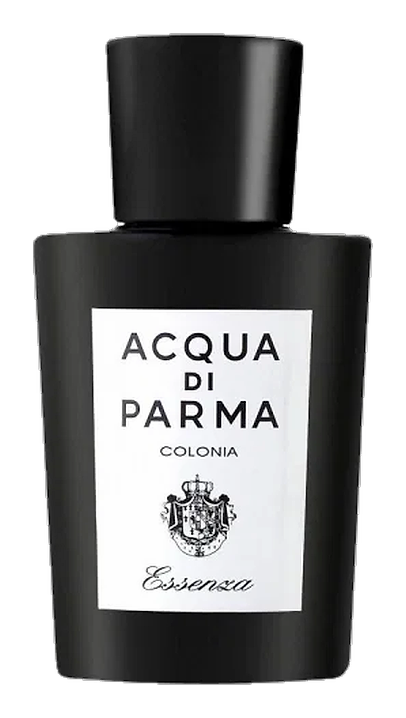
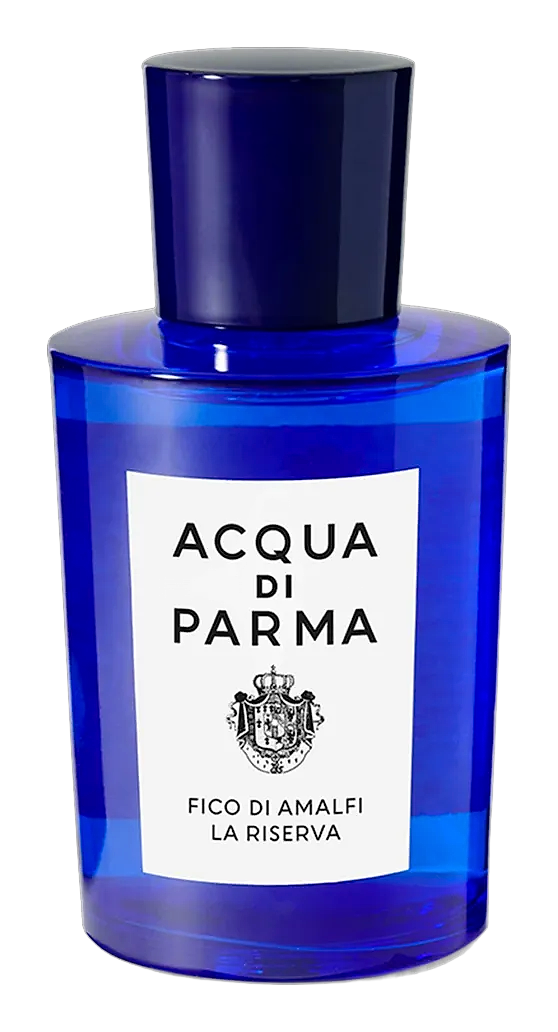
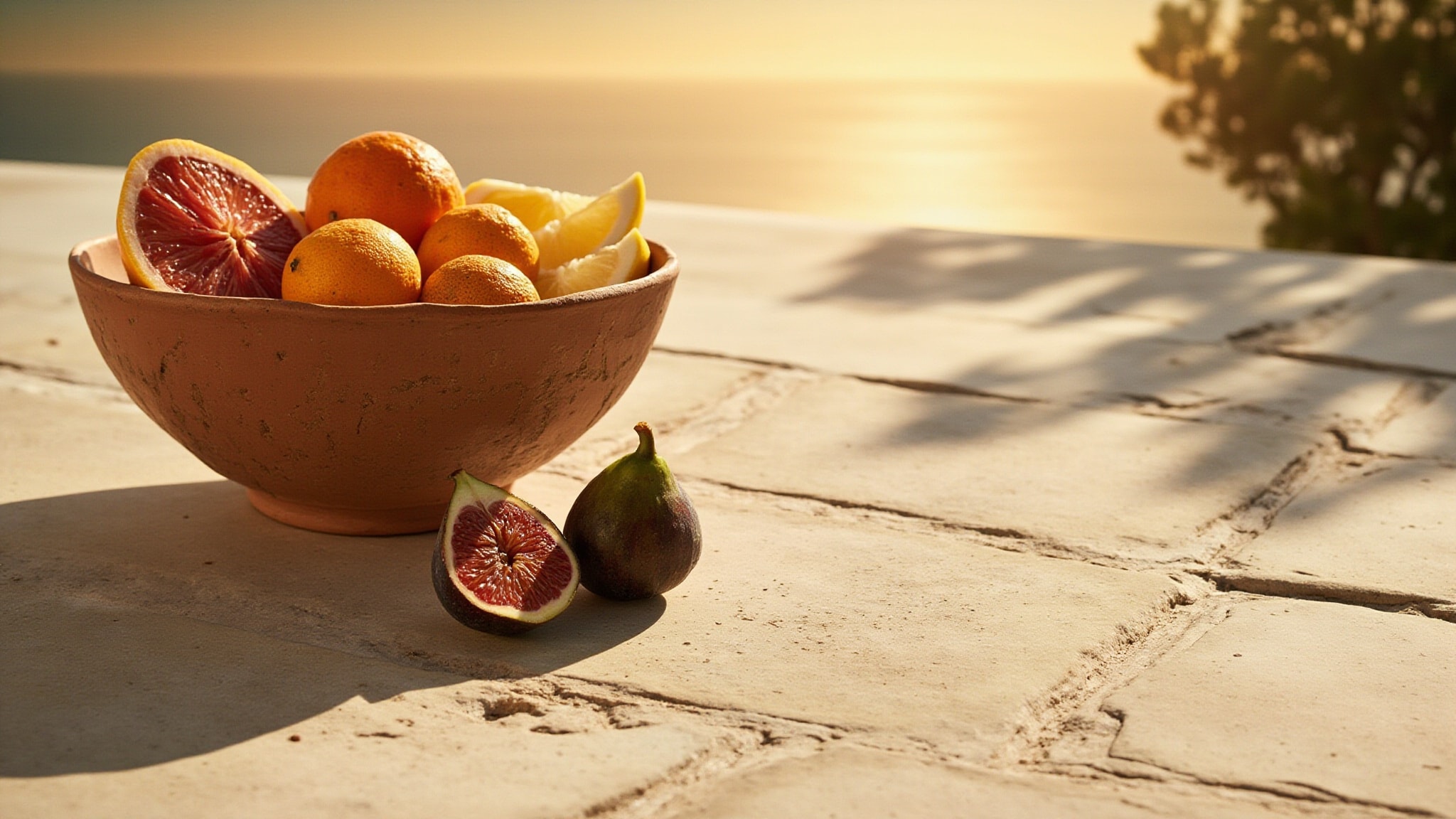
Fico di Amalfi stands as Acqua di Parma's meditation on the Amalfi coast, its light, its groves, the shade beneath fig trees overlooking the Mediterranean. La Riserva takes the same landscape and applies a different technique. The name matters: riserva, like a reserve wine, implies patience. Mathieu Nardin, working with Mane, crafts this interpretation with a different approach to materials and timing. The citrus opening captures the immediate brightness of the coast - grapefruit sharp against orange sweetness, mandarin adding softness, lemon threading through each layer. Orris root enters the heart with the kind of powdery elegance that suggests aged expertise rather than quick construction. The drydown using ambrettolide and tonka bean feels considered rather than conventional, aiming for warmth that lingers without announcing itself. This is not the same fig interpretation as the original Fico di Amalfi.
The note selection for La Riserva reflects a philosophy of Mediterranean patience and refinement. Grapefruit, orange, lemon, and mandarin represent the citrus bounty of coastal Italy - bright, immediate, and sun-drenched. These are not subtle background notes but the opening statement, designed to announce the Amalfi coast with clarity. Orris root brings a different dimension: powdery elegance that connects this fragrance to the more refined traditions of perfumery. Its presence in the heart suggests a desire to balance brightness with sophistication, immediate appeal with lasting interest.
The evolution
The opening unfolds like light breaking over the Amalfi coast. Grapefruit arrives first with sharp clarity, its slightly bitter edge creating focus. Orange follows, rounder and sweeter, softening the grapefruit's bite. Mandarin adds a honeyed quality that makes the citrus feel sun-ripened, while lemon provides bright acidity that keeps the blend lively. The overall effect is Mediterranean brightness without aggression - the kind of morning light that makes you squint but feel alive. As the top notes begin their natural fade within the first twenty minutes, orris root takes center stage with its powdery, violet-scented elegance. This is not a heavy iris; it reads as refined and airy, giving the fig something structured to rest against. Fig appears as a creamy, slightly milky note that brings softness to the powdery orris. The combination feels like shade - cool, gentle, protective. Lemon continues to appear at low intensity, maintaining citrus continuity through the heart.
Cultural impact
Fico di Amalfi La Riserva enters the collection's established universe. The two-month maceration technique shapes the fragrance's character. Rather than making bold declarations, it presents itself with assurance. The formulation appeals to those who already understand what they're seeking in a scent. This is a fragrance built on patience, where time itself becomes part of the creative process, quietly confident in what it offers.