Ambrettolide
Ambrettolide is a prized macrocyclic musk lactone used as a base note in fine fragrances. It delivers a warm, velvety musk with subtle fruity and vegetable nuances reminiscent of fresh ambrette seeds. Perfumers value it for its excellent skin substantivity and skin-musking effect that amplifies fragrance longevity.
Character
How it smells
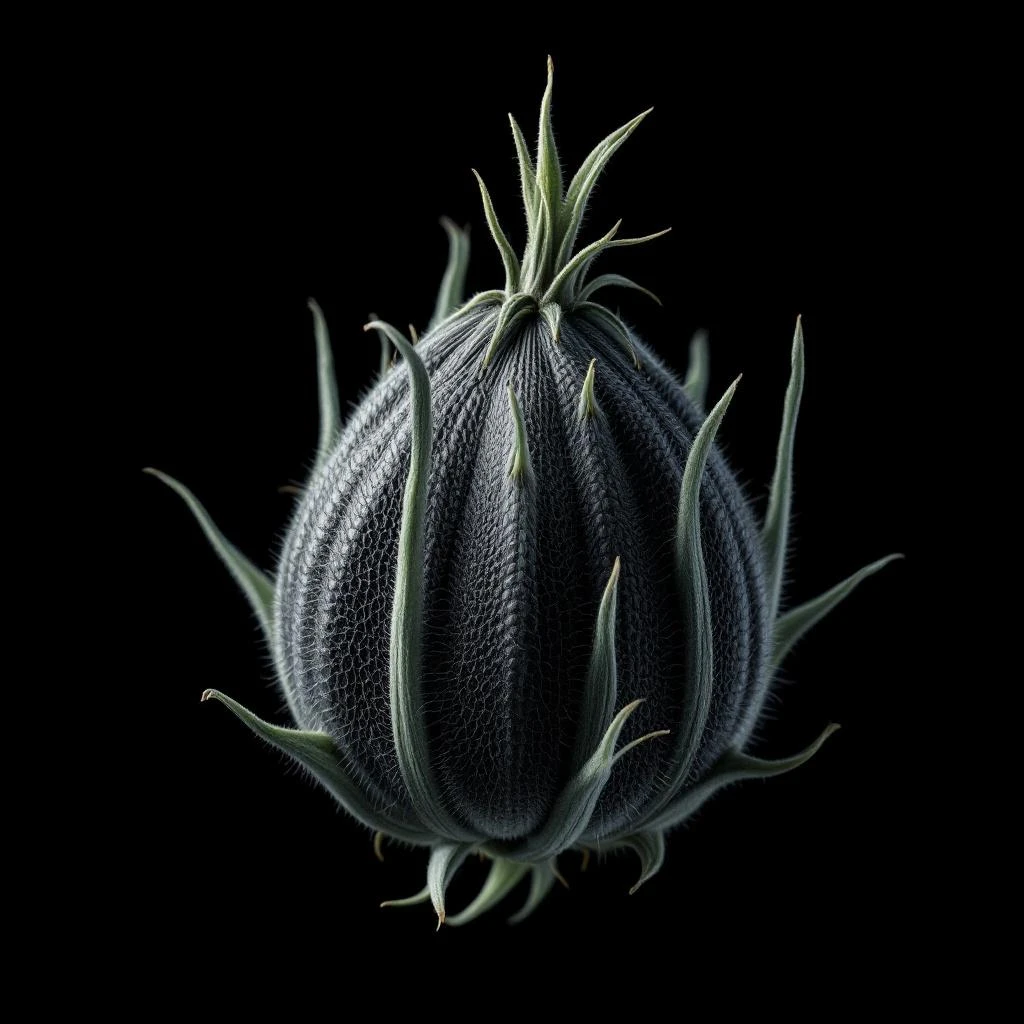
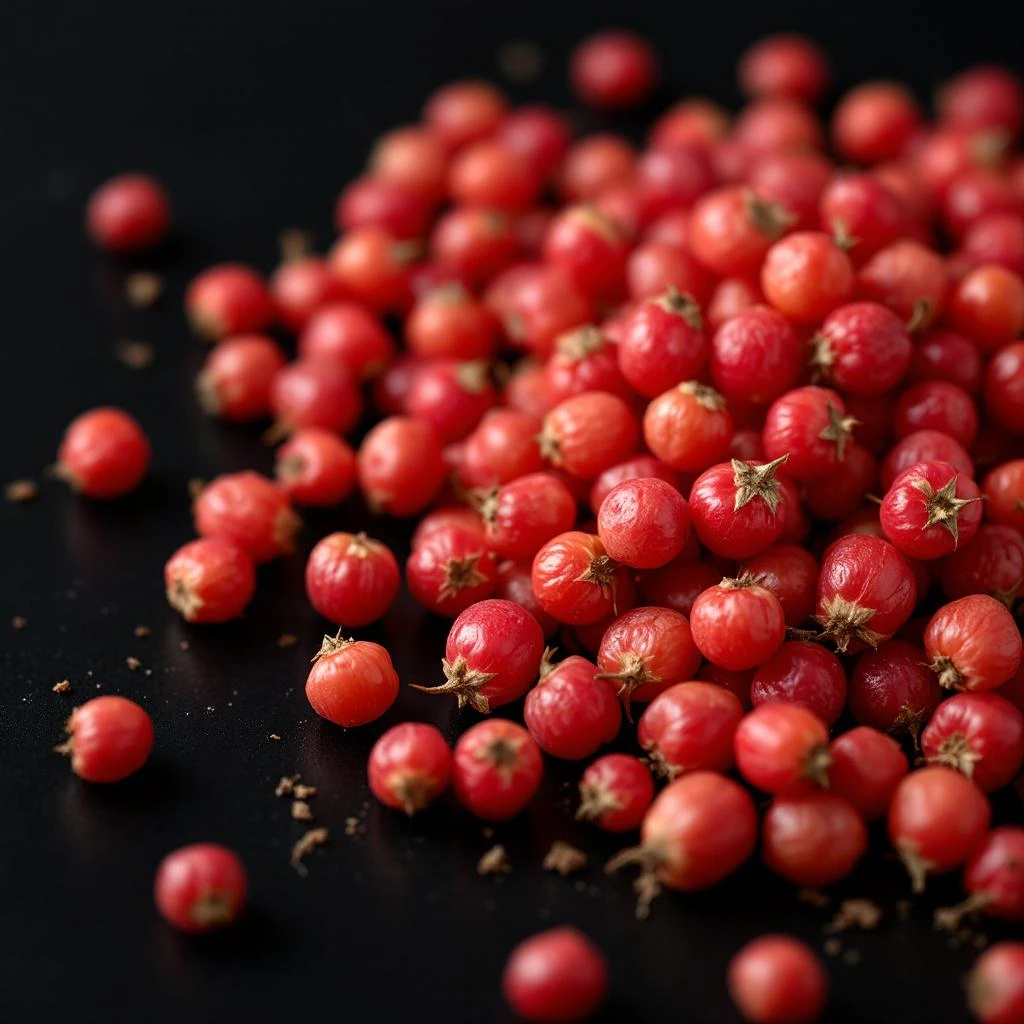
A warm, velvety musk that clones the scent of exotic ambrette seeds.
Ambrettolide owes its name to ambrette seeds, yet the concentrated natural oil contains only trace amounts of the musk; commercial production today relies entirely on biotech synthesis.






Origin
India
Ambrette seeds have been prized in perfumery for centuries, valued for their warm, musky aroma before the animal-derived musk norm was established. The isolated compound ambrettolide was first characterized in 1927, though its commercial synthesis remained elusive for decades.
The dramatic breakthrough came in 1965 when Firmenich chemist Max V. wheels developed a practical synthetic route, unlocking macrocyclic musks for mass-market fragrance use.
This innovation effectively decoupled perfumery from wildlife-derived musks, addressing both ecological concerns and supply chain fragility. Today ambrettolide remains a cornerstone ingredient in premium and niche perfumery, celebrated for its warm, skin-compatible musk character.
Wears it best
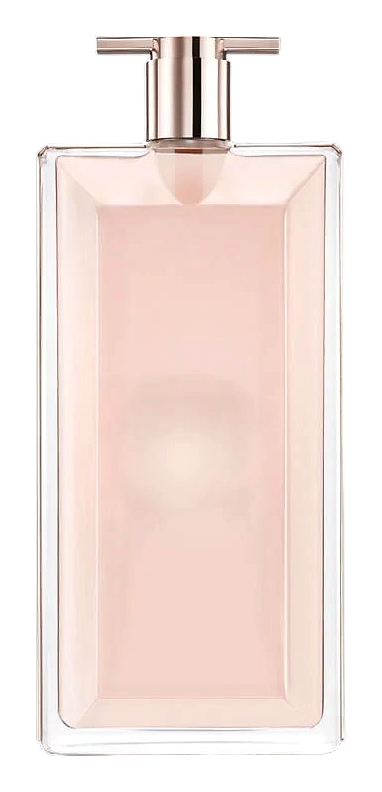
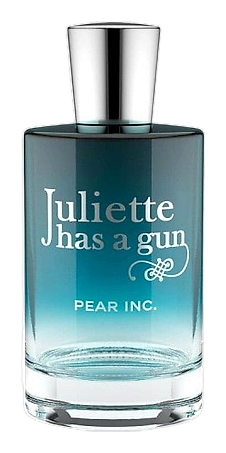
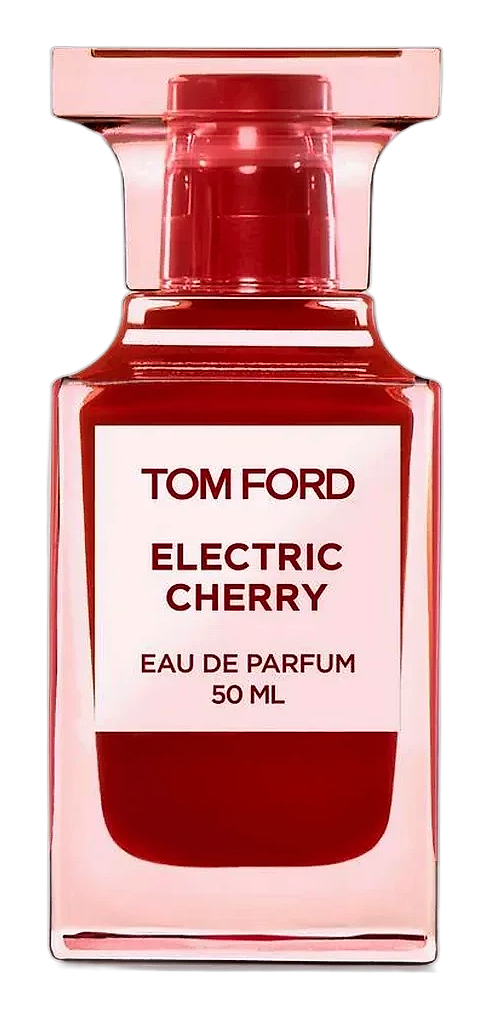
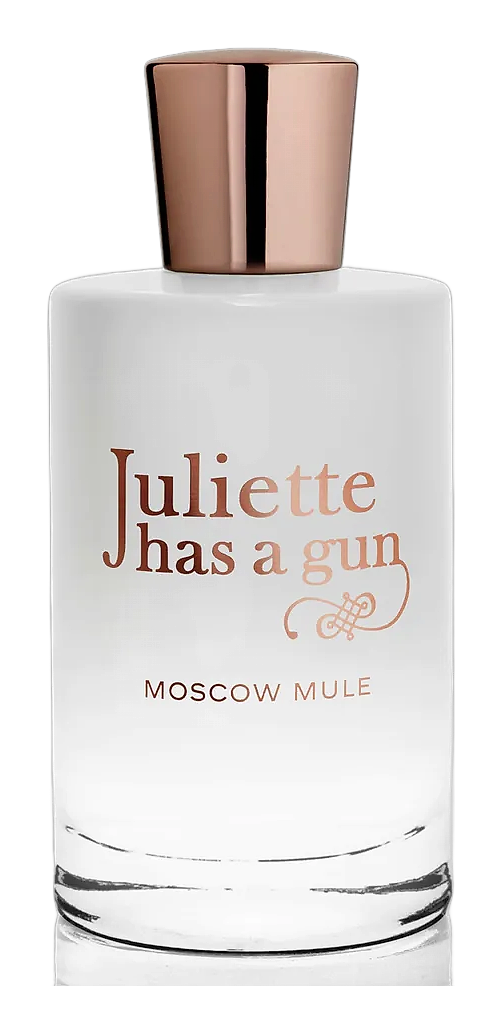
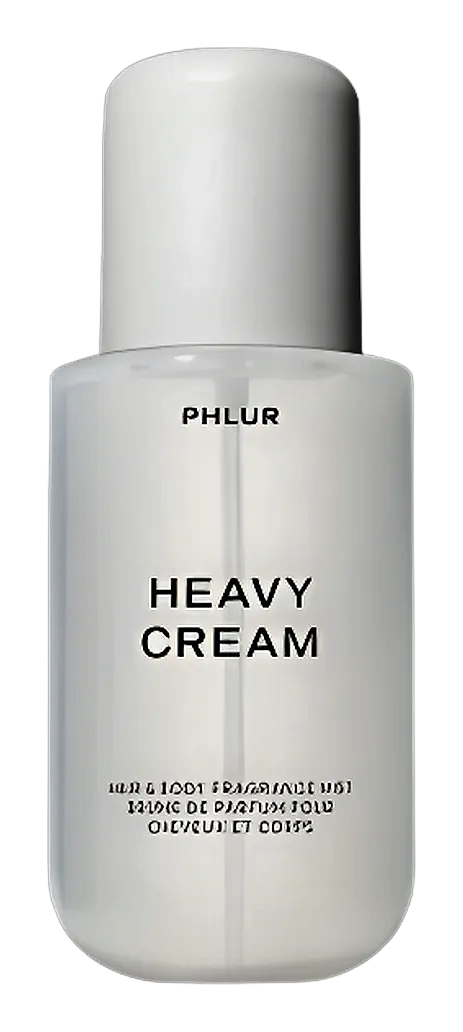
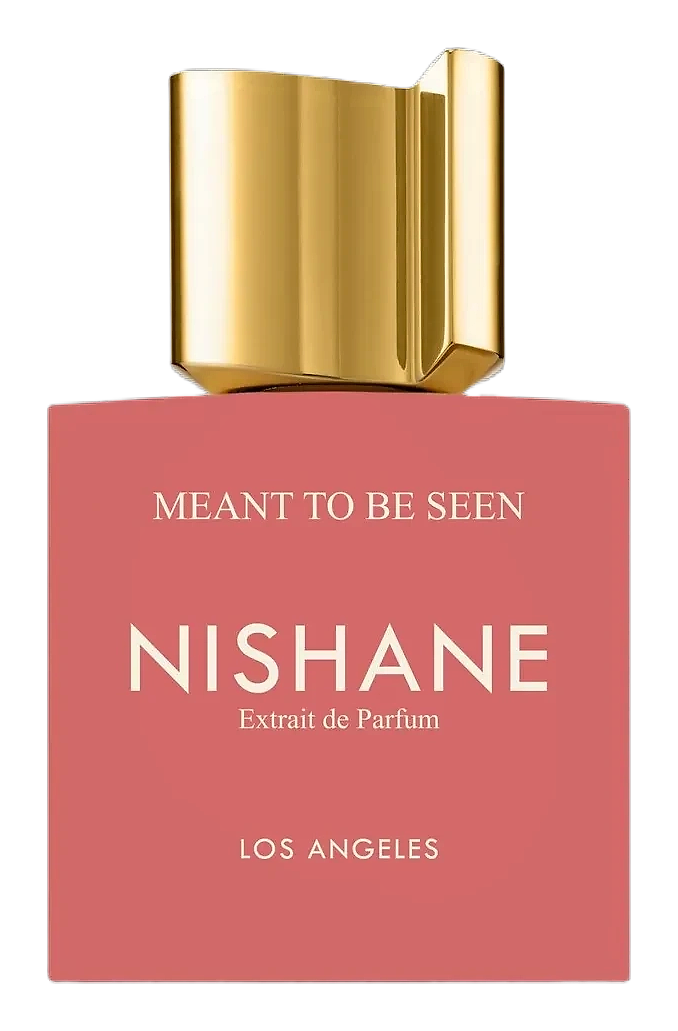
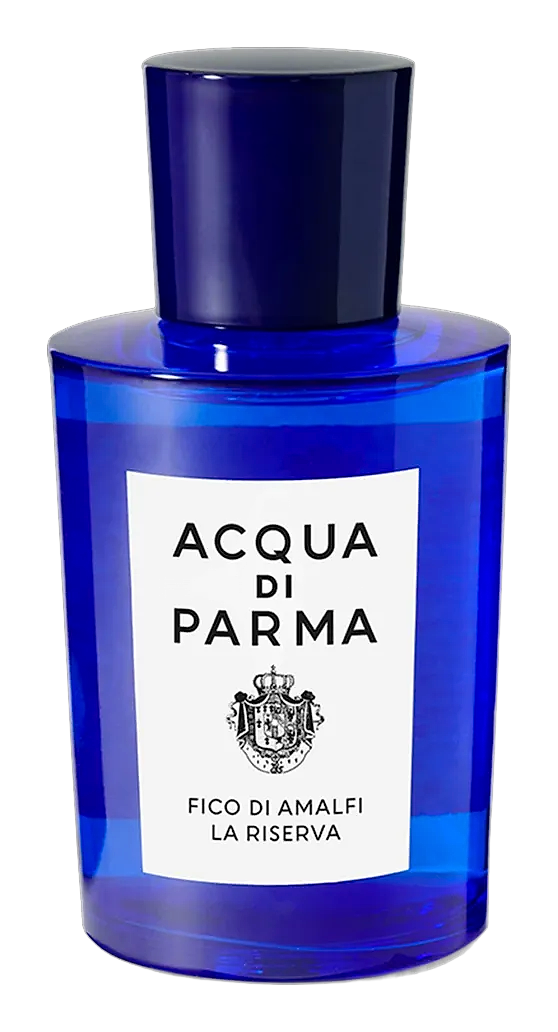
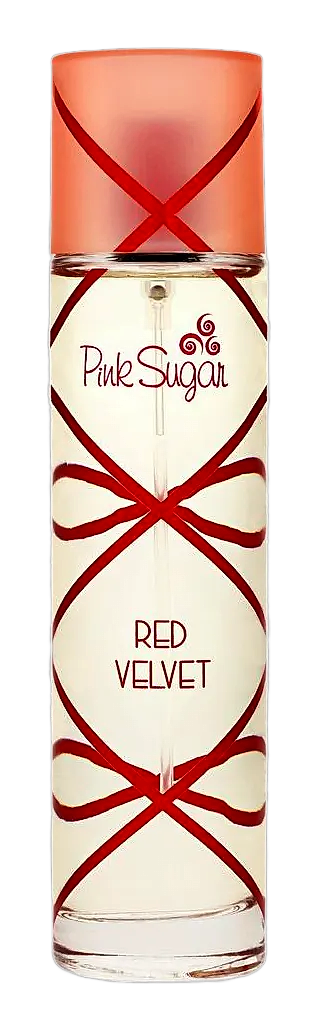
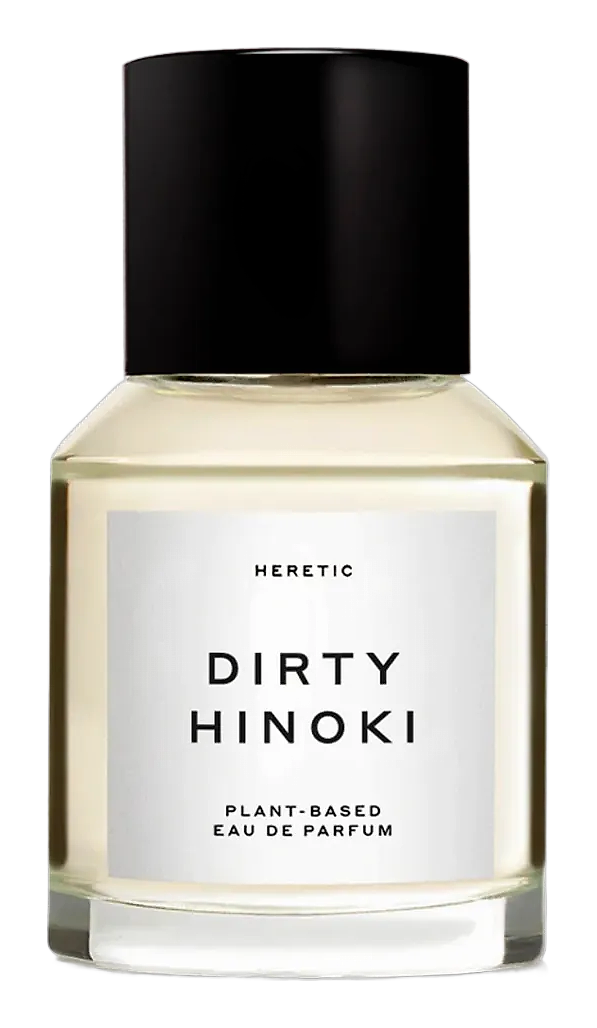
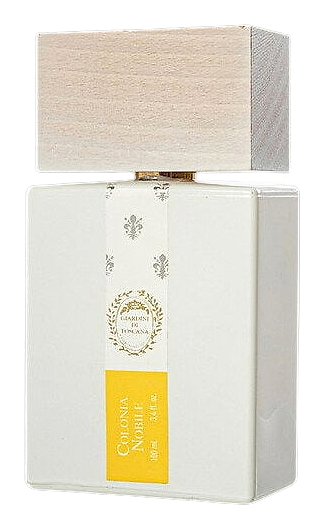
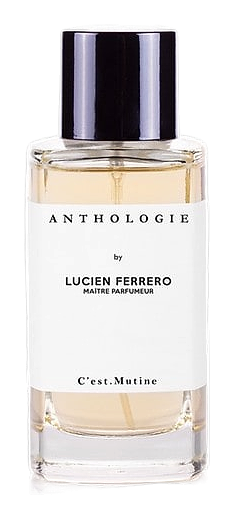
Fragrances featuring Ambrettolide

Brands
Brands known for Ambrettolide
Good to know
Questions, answered
The essentials on Ambrettolide in perfumery: how it smells, where it comes from, and how it behaves on skin.
What does Ambrettolide smell like in perfume?
Ambrettolide smells like a warm, smooth musk with soft fruity and vegetable nuances comparable to fresh ambrette seeds. It registers as clean, velvety, and animalic without harshness, layering naturally with skin chemistry.
Why is Ambrettolide used in perfumery?
Ambrettolide serves as a fixative and base note, lending fragrance exceptional longevity through its outstanding skin substantivity. Synthetically produced since 1965, it offers a sustainable alternative to scarce natural musks.
Is Ambrettolide in perfume natural or synthetic?
Virtually all ambrettolide used in fine fragrance today is synthetically produced via biotech fermentation. Natural ambrettolide exists only in trace concentrations in ambrette seed oil, making botanical extraction commercially impractical.
What famous perfumes contain Ambrettolide?
Ambrettolide appears in countless fine fragrances, including L'Eau d'Issey by Miyake and Voleur by Caron. It is a staple in the family of warm, skin-musking base formulations across prestige and niche lines.
Is Ambrettolide a top note, heart note, or base note?
Ambrettolide functions as a base note. Its large molecular weight grants very high substantivity, meaning it persists onskin for hours and anchors the fragrance pyramid throughout its dry-down phase.
What notes pair well with Ambrettolide in perfume?
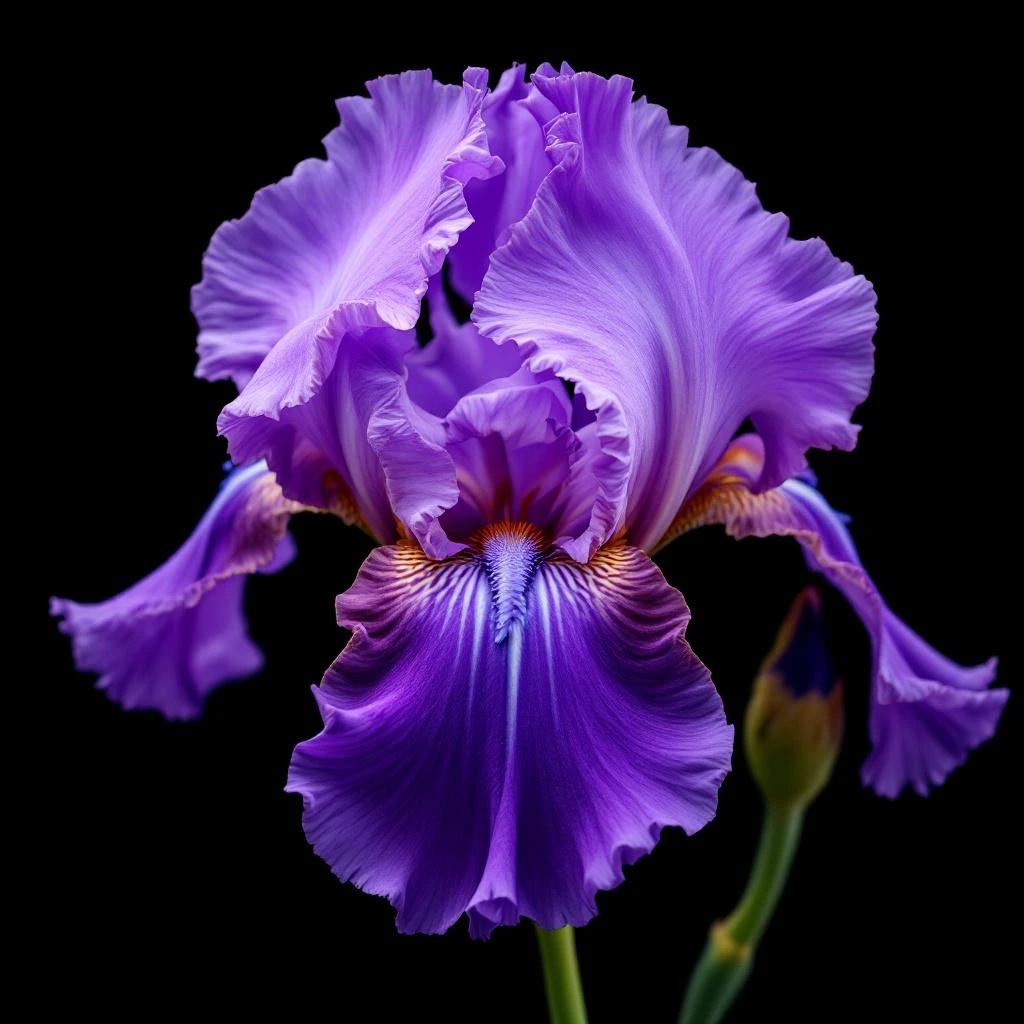
Ambrettolide pairs naturally with other musks, warm ambery woods, vanilla, iris, and lactonic florals. This compatibility makes it a versatile fixing agent across fruity, floral, and oriental fragrance families.
How is Ambrettolide extracted?
Natural ambrettolide is extracted from ambrette seed oil via steam distillation or solvent extraction of Abelmoschus moschatus seeds. Commercial production today uses biotech fermentation of plant-derived feedstocks to achieve large-scale yield.
Is Ambrettolide used in men's or women's fragrances?
Ambrettolide is entirely gender-neutral. Its clean, skin-musking character suits both masculine and feminine fragrance compositions, particularly as a base note anchor in fresh, warm, and oriental formulations.