Ambrette
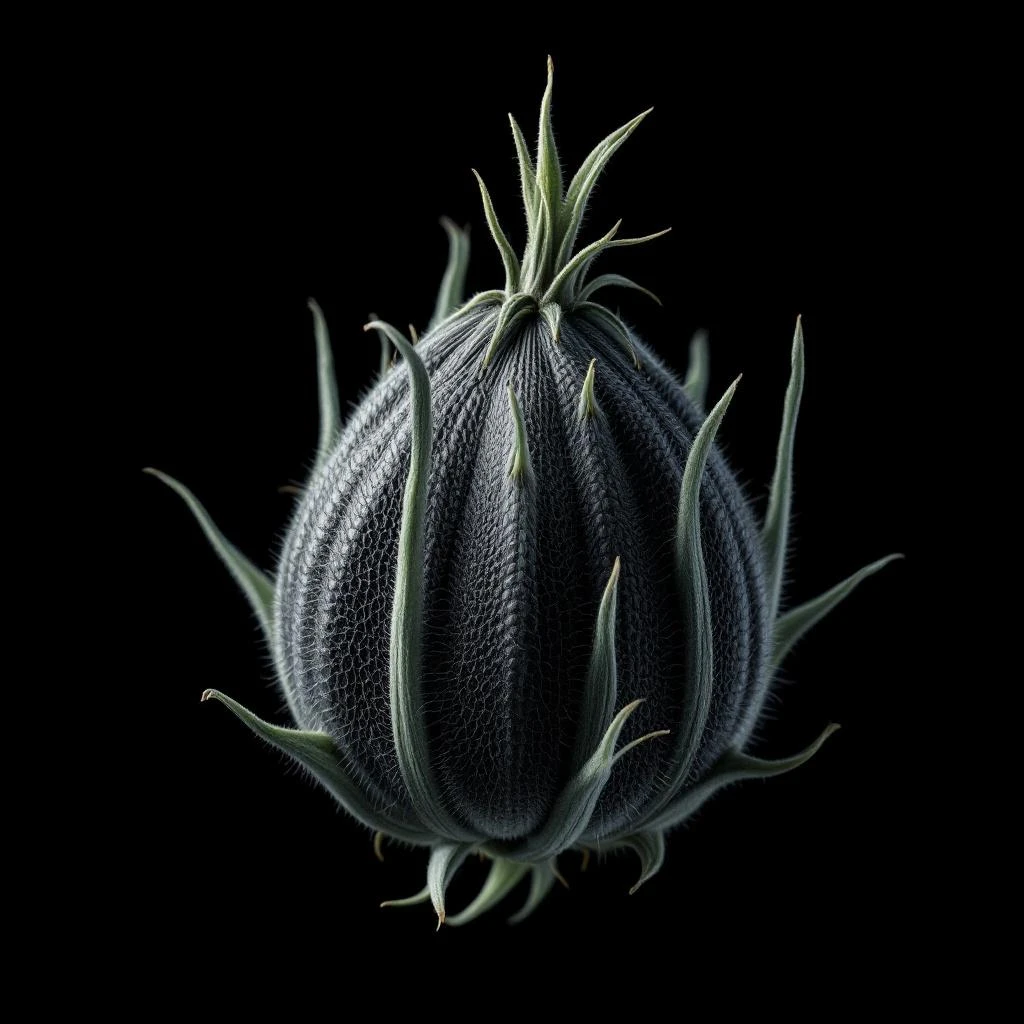
Ambrette seed oil delivers a warm, musky aroma with floral and slightly sweet facets. Pressed from the seeds of Hibiscus abelmoschus, this botanical musk offers a natural alternative to animal-derived musks, prized in fine perfumery for its complexity.
Character
How it smells
A warm botanical musk from tropical mallow seeds
Before synthetic musks existed, ambrette was called the "vegetable musk" because its warm aroma resembled that of the musk deer.









Origin
India
Ambrette seed has deep roots in traditional medicine across South and Southeast Asia, where healers used it for its reputed warming and nerve-calming properties. Indian Ayurvedic practitioners employed the seeds for various preparations, recognizing the plant's aromatic qualities long before perfumery became a formalized craft.
The plant traveled beyond its native regions through trade routes, establishing itself in tropical areas of the Americas, East Africa, and island nations. By the 19th century, European perfumers actively sourced ambrette as a rare botanical musk, valuing it as an ethical alternative to animal-derived materials.
An 1858 cosmetic recipe referencing ambrette as a fragrance additive confirms its established role in early industrial perfumery. Today, ambrette remains a treasured material in niche fragrances, with global production hovering around 60 tons annually, its warm musky character continuing to inspire perfumers seeking natural complexity.
Wears it best
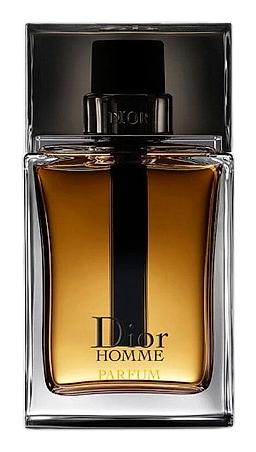
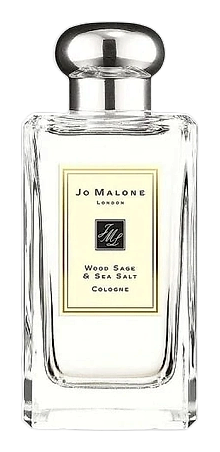
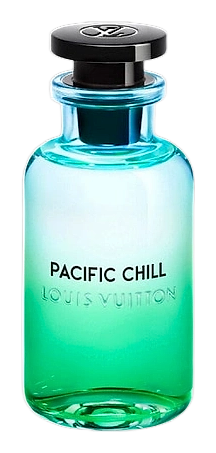
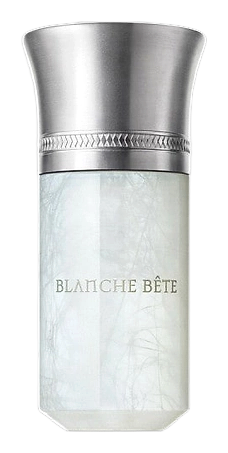
Fragrances featuring Ambrette



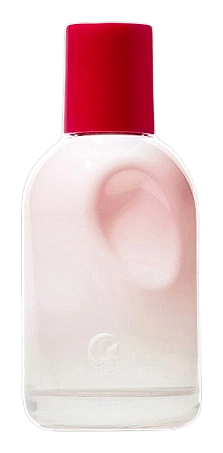
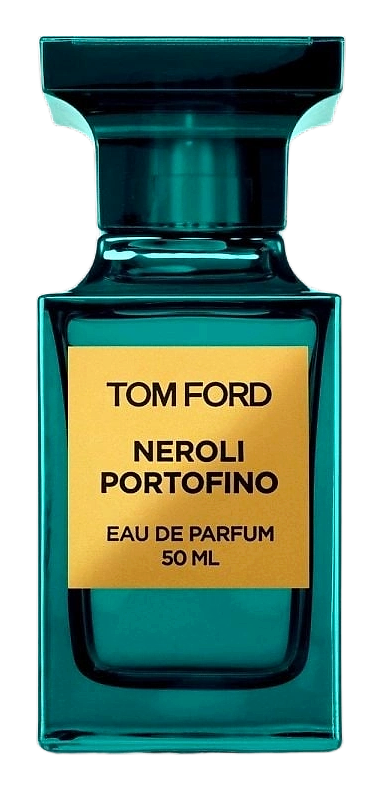
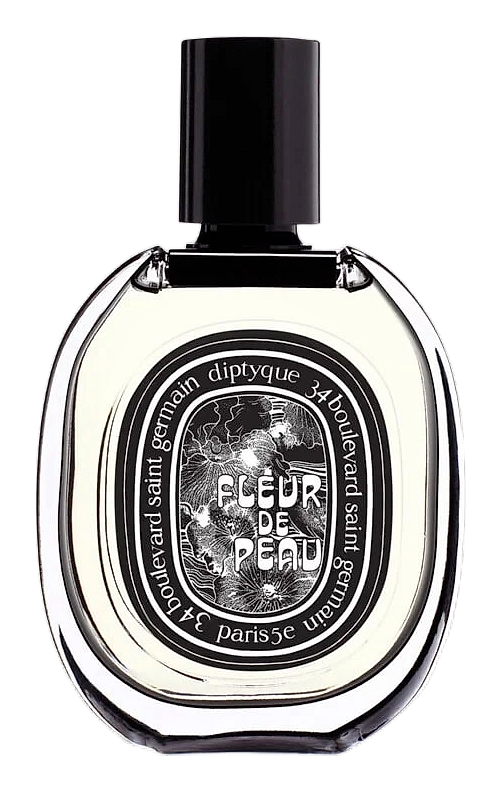
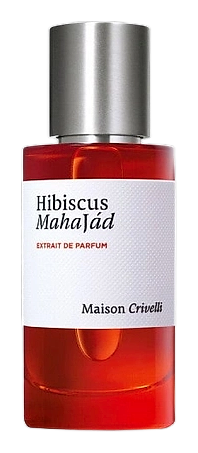
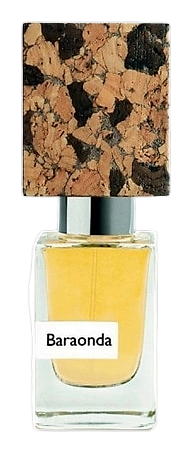
Brands
Brands known for Ambrette
Good to know
Questions, answered
The essentials on Ambrette in perfumery: how it smells, where it comes from, and how it behaves on skin.
What does ambrette smell like?
Ambrette offers a warm, musky aroma with soft floral and slightly sweet facets. It closely resembles animal musk but with a gentler, more vegetal character that synthetic alternatives often lack.
Is ambrette a natural or synthetic ingredient?
Ambrette is entirely natural, sourced from the seeds of the Musk Mallow plant. It provides perfumers with a botanical musk option as an alternative to synthetic musks.
What plant produces ambrette seed oil?
The ingredient comes from Hibiscus abelmoschus, commonly called Musk Mallow or musky hibiscus. Despite the hibiscus name, the plant belongs to the okra family.
Where does ambrette originate from?
India and tropical Asian forests are the primary origin regions. Commercial production also occurs in Ecuador, Indonesia, and Peru, totaling roughly 60 tons globally per year.
How is ambrette oil extracted from seeds?
Producers use solvent extraction to pull aromatic compounds from dried, ground seeds. The process yields a concrete that refiners process further into the final absolute oil.
Does ambrette replace animal musk in perfumery?
Yes, perfumers use ambrette as a sustainable botanical alternative to traditional animal musks. It delivers similar warm, sensual characteristics without ethical concerns.
Can ambrette cause skin reactions?
Pure ambrette absolute is highly concentrated and may irritate sensitive skin when undiluted. Diluted in a perfume formula, it generally poses minimal sensitization risk.
Why is ambrette considered precious in perfumery?
Only about 60 tons of ambrette seed enter the global market annually. Its labor-intensive extraction and limited supply make it a prized material for fine fragrances.