Cashmere Musk
Cashmere Musk translates the intimate sensation of worn fabric into scent—a powdery, warm accord built from synthetic musks and lactones. No cashmere is distilled or extracted; this note exists entirely through perfumery chemistry, designed to evoke the tactile softness of fiber that has absorbed body heat.
Character
How it smells
The warmth of worn fabric, reconstructed in chemistry.
Cashmeran, the backbone of Cashmere Musk, was discovered by accident in 1969 when IFF chemists detected an impurity during gas chromatography analysis of an unrelated fragrance compound.








Origin
United States
Musk has anchored perfumery since ancient Mesopotamia, appearing in Egyptian religious rituals and Chinese court compositions as one of the most prized aromatics. Traditional sources came from the abdominal glands of male musk deer across Himalayan and Siberian regions—extraction typically killed the animal, making the practice increasingly regulated through the 1970s and eventually prohibited in many regions.
Contemporary perfumery shifted almost entirely to synthetic musks, creating entirely new olfactory territories. Cashmere Musk represents a late-twentieth-century refinement within this movement: perfumers sought to translate tactile textile qualities into scent.
The resulting accord emerged from laboratories in the 1970s as fragrance houses developed polycyclic ketones and macrocyclic compounds with velvety, skin-proximate character. Cashmere Musk now appears across gender boundaries, valued for its versatility as a fixative that extends fragrance longevity while adding warmth without overwhelming weight.
Wears it best
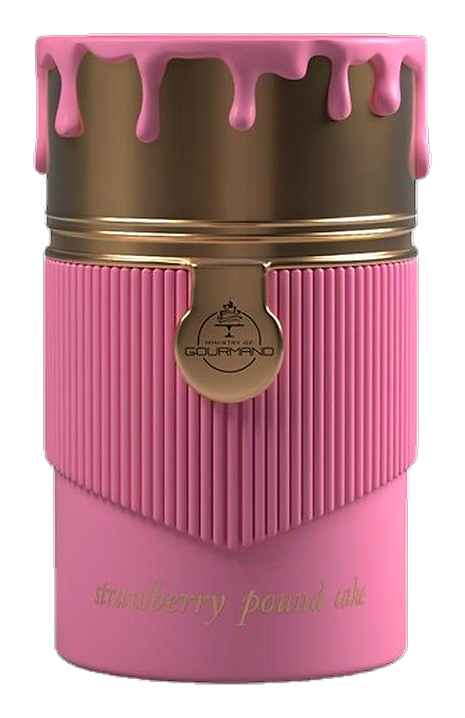
Fragrances featuring Cashmere Musk

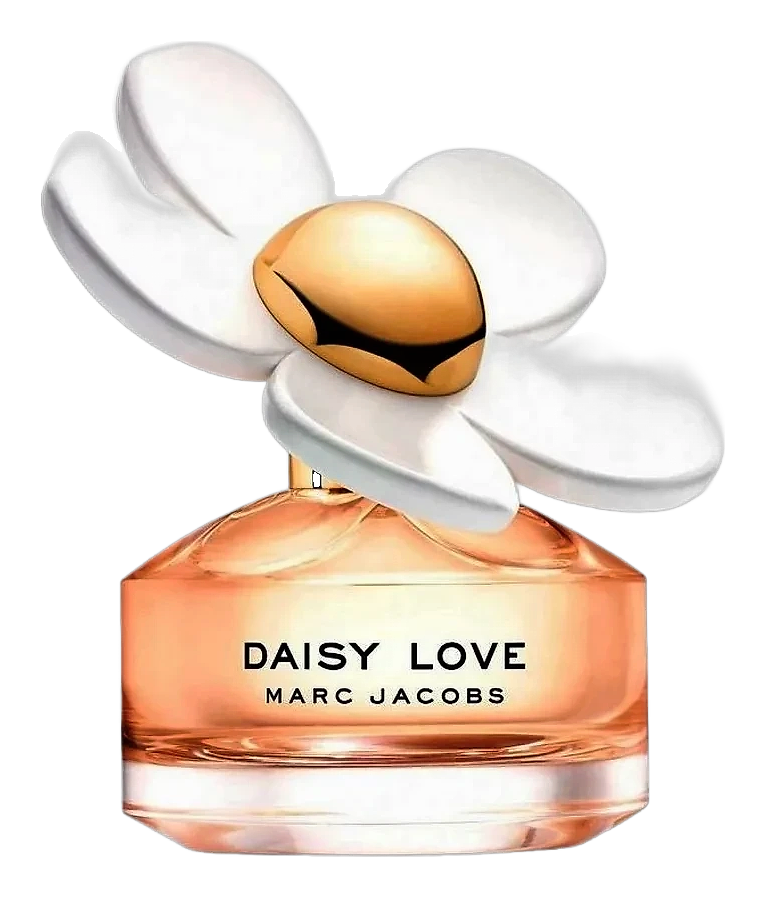


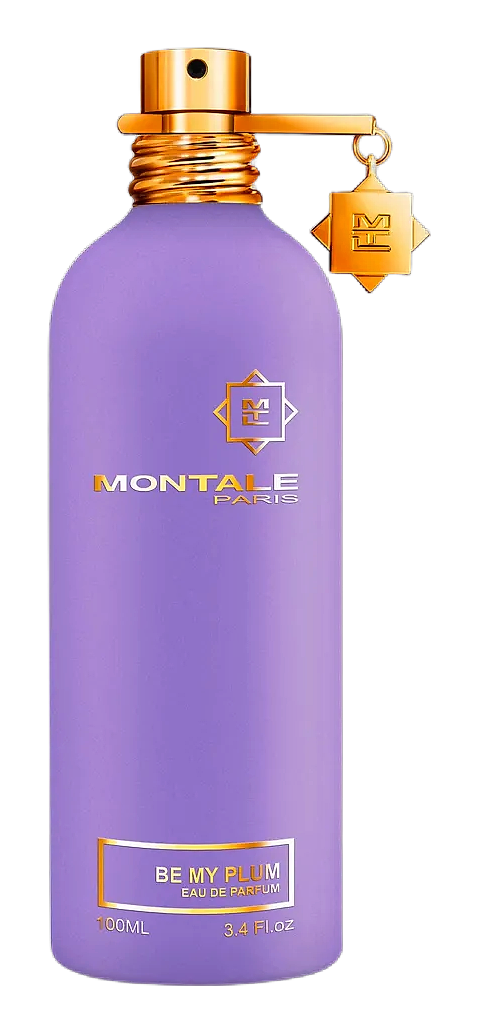
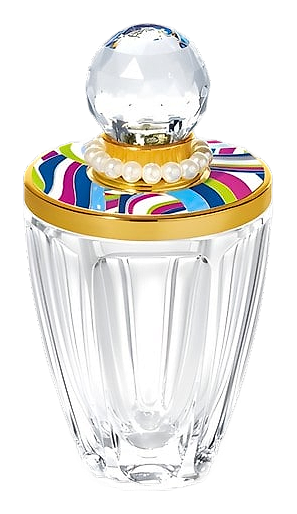
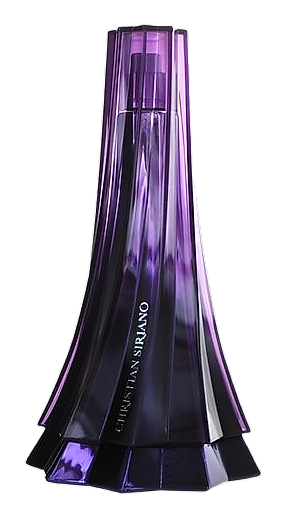
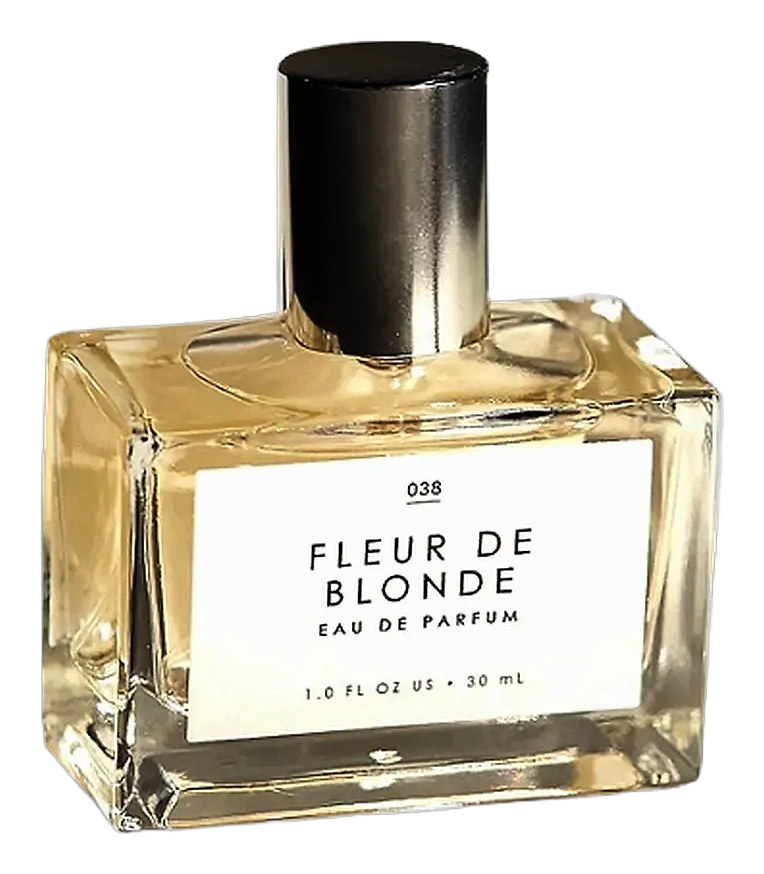
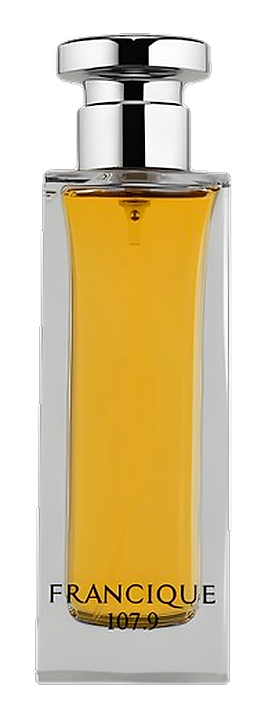
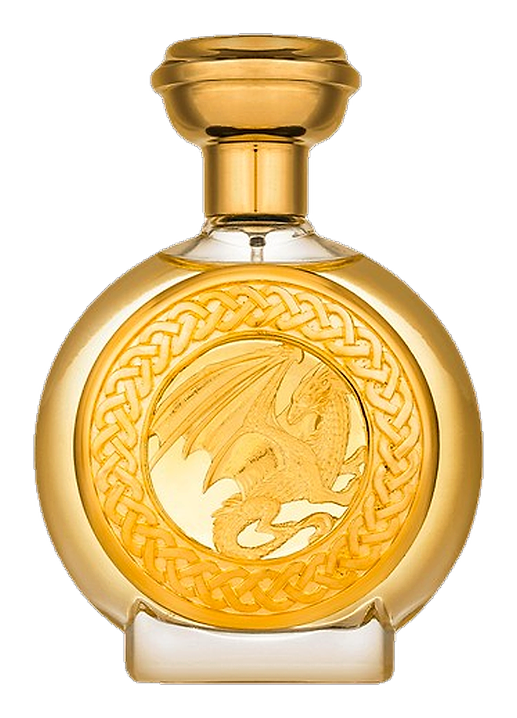
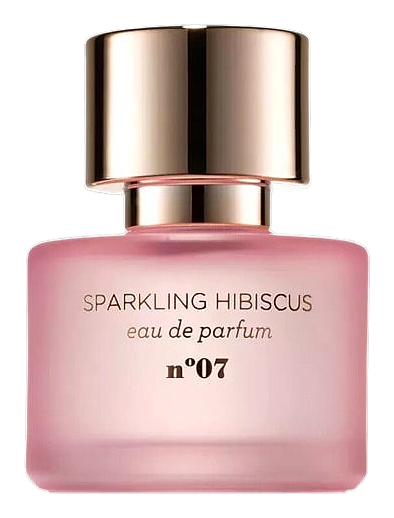
Brands
Brands known for Cashmere Musk
Good to know
Questions, answered
The essentials on Cashmere Musk in perfumery: how it smells, where it comes from, and how it behaves on skin.
What is Cashmere Musk in perfumery?
Cashmere Musk is a constructed fragrance accord that mimics the sensation of soft cashmere fabric against skin. Perfumers build it from Cashmeran, macrocyclic musks, and lactones to create powdery warmth and textile intimacy.
Does Cashmere Musk come from goat fiber?
No natural cashmere essential oil exists. Perfumers synthesize all components from chemical compounds since no one distills goat fiber for fragrance. The note is entirely a perfumery invention.
Who discovered Cashmeran?
IFF chemist John B. Hall discovered Cashmeran in 1969 while analyzing an impurity during gas chromatography work on an unrelated fragrance compound, according to IFF internal documentation.
Why does Cashmere Musk feel like fabric warmth?
Cashmeran's molecular structure produces a velvety, diffusive character that reads as textile rather than conventional perfume. Its skin-proximate presence mimics how worn fabric holds heat without projecting into surrounding air.
Is Cashmere Musk ethical?
Yes. Cashmere Musk uses only synthetic materials, eliminating animal extraction entirely. Modern perfumers favor this approach for its alignment with animal welfare concerns while preserving olfactory richness.
How does Cashmere Musk differ from clean musk accords?
Cashmere Musk is denser and more textured than simple white musk accords. It adds a woody dimension and matte quality that clean musks lack, creating the impression of fabric worn against skin for hours.
What scents pair well with Cashmere Musk?
Cashmere Musk harmonizes with floral, woody, and oriental bases. Perfumers commonly layer it with iris, sandalwood, and ambery notes where it acts as a fixative while adding intimate warmth.
Does Cashmere Musk suit both men's and women's fragrances?
Cashmere Musk adapts across gender boundaries in perfumery. Its warmth and skin-proximate quality support feminine florals, masculine woods, and unisex compositions equally without dominating the overall accord.