
The Story
Why it exists.
The beginning
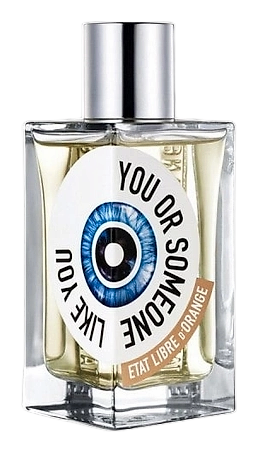
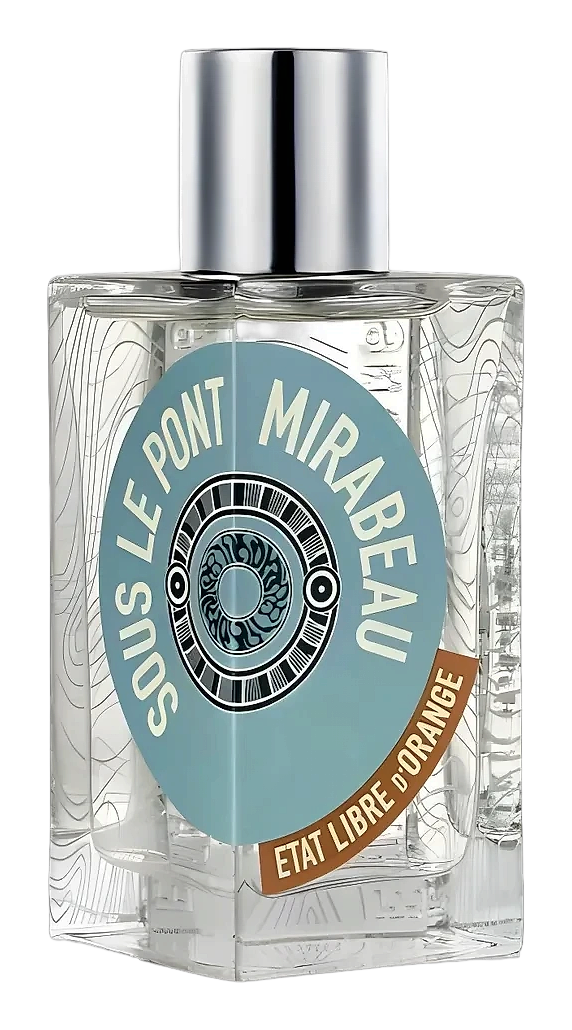
Sous Le Pont Mirabeau takes its name from Guillaume Apollinaire's most famous poem, the one that begins 'Sous le pont Mirabeau coule la Seine' (Under the Pont Mirabeau flows the Seine). That poem is about time, impermanence, and the way water keeps moving even when everything else feels still. It is one of the most recognizable poems in the French language, etched into the cultural memory of anyone who studied literature in Paris. Mathieu Nardin was given this reference and asked to do something with it. The result is not a literal river scent, it is the feeling of standing on a bridge at the wrong hour, when the city is quiet and the water below is doing what water does.Etat Libre d'Orange launched the fragrance in 2023 as part of The Classic Collection, a line that positions itself as the house's more restrained, wearable work. But restraint, for this house, is still a statement.
What makes this composition interesting is the way it handles the aquatic category. The ozonic notes are not the synthetic marine accord you find in every fresh fragrance, they read closer to actual fog, to the damp mineral smell of a river in the early morning. This is partly the violet leaf, which adds a green herbal undertone that prevents the aquatic from becoming generic. The frankincense in the heart is doing quiet work too, it adds a resinous warmth that stops the whole thing from feeling like a cleaning product. Fig leaf in the top is the unexpected move. It is sweet and green and slightly milky, and it keeps the opening from being purely cool.
The evolution
The opening is immediate: bergamot and fig leaf arrive together, bright and green and cool. The pink pepper adds a slight lift, a spice that reads more as freshness than heat. Within five minutes, the ozonic notes take over, not a sudden shift, but a softening, like the moment fog rolls in and the edges of everything become less defined. The aquatic is not aggressive here. It is atmospheric. Violet leaf and frankincense move into the heart and the composition becomes quieter, more meditative. The frankincense does not smell like church, it smells like resin warming on skin, slightly sweet, slightly smoky. This is the longest phase. The drydown takes its time arriving, and when it does, sandalwood and Virginia cedar come through soft and warm. Musk and a touch of vanilla round the edges. On most skin types, the full arc takes 6-8 hours. The sillage is moderate, intimate, not projecting. The next day, the sandalwood will still be there, faint and close, on fabric.
Cultural impact
Sous Le Pont Mirabeau pays homage to Apollinaire's iconic poem about fleeting love and the passage of time along the Seine. The fragrance captures the melancholic beauty of Paris bridges at dusk, where lovers once stood watching the water flow beneath them. Its fig-forward composition evokes the gardens along the riverbanks, while the pepper and citrus elements bring a contemporary edge to this romantic concept. The fragrance represents a modern interpretation of French literary tradition, making poetic allusion accessible through scent.