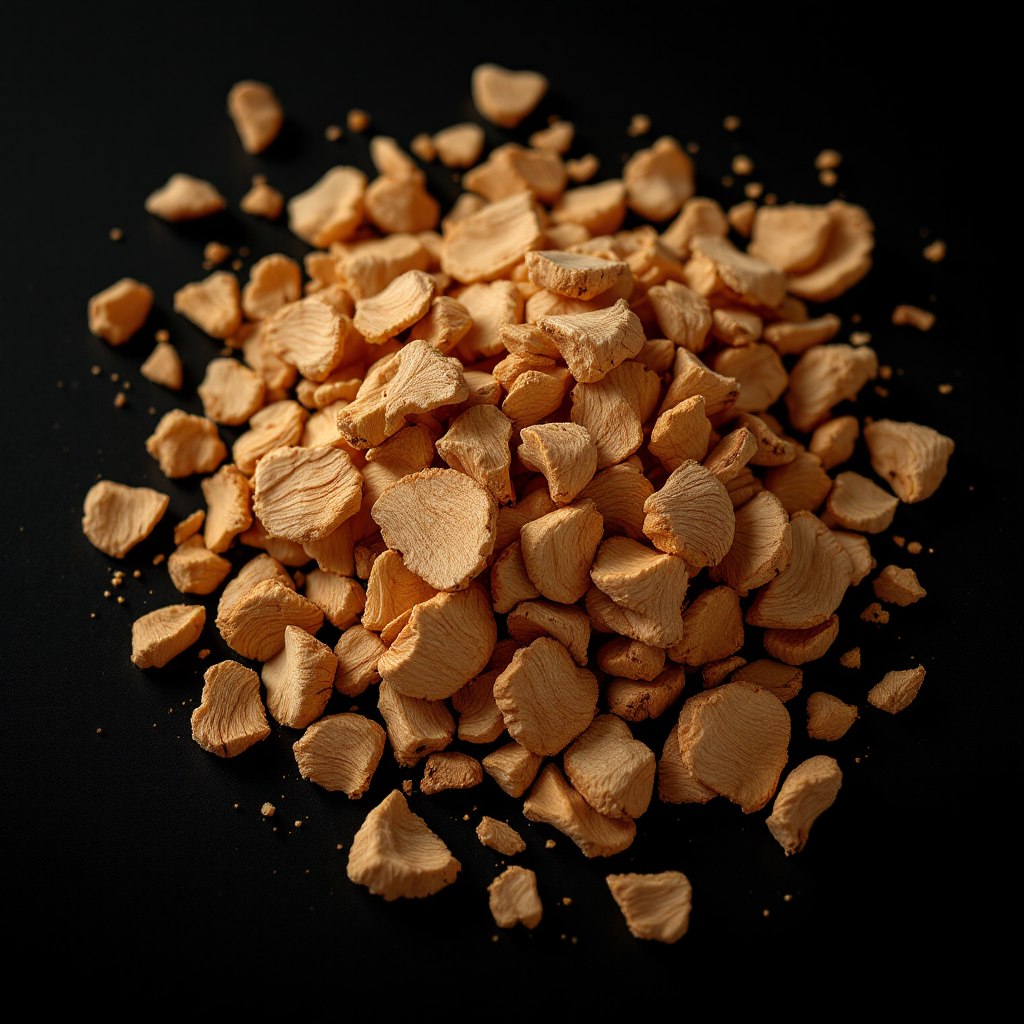
White Cedar
White Cedar delivers a dry, pencil-shavings warmth with delicate camphoraceous top notes that fade into a softly resinous heart. A cornerstone of masculine and unisex compositions, it bridges fresh and powdery with elegant restraint.
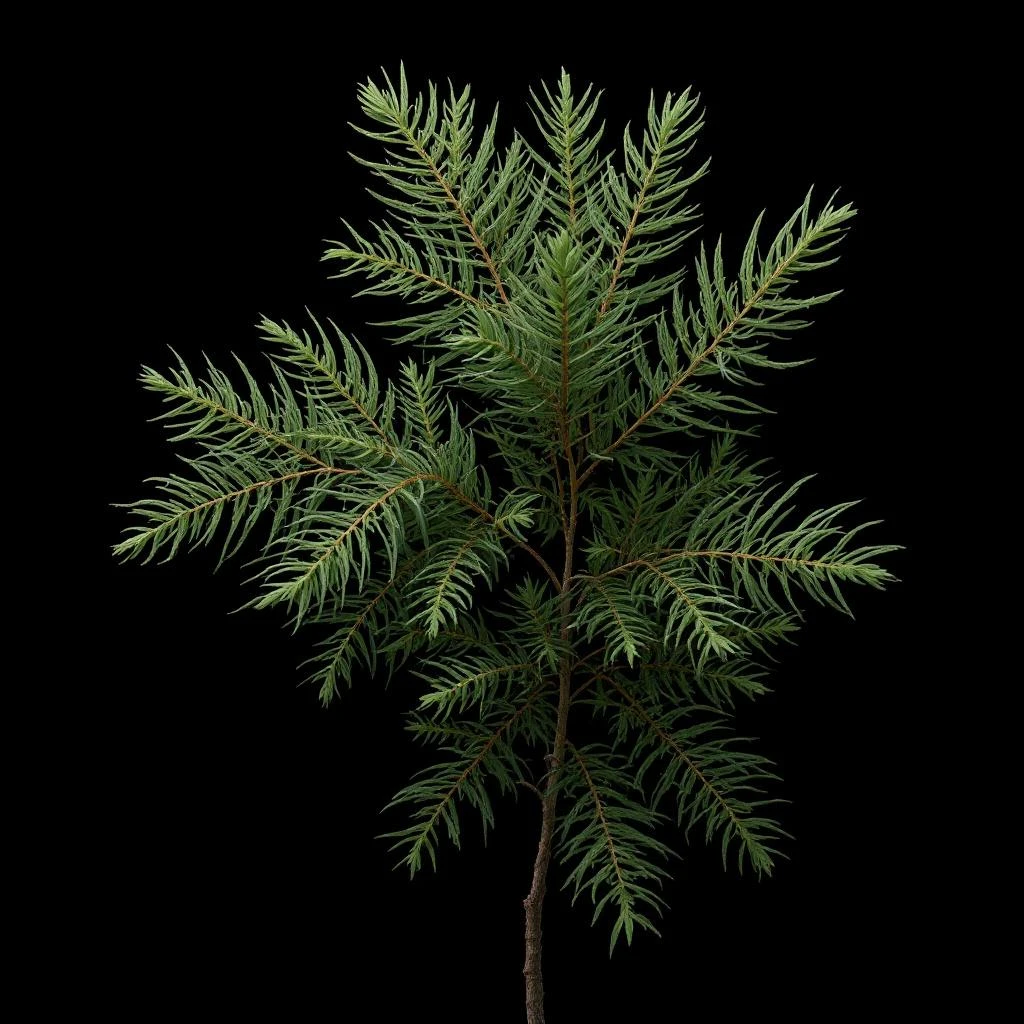
Character
How it smells
The dry, powdery warmth that grounds woody compositions.
White Cedar wood can resist decay for over 1,000 years, earning it the nickname 'the tree of life' among Native American cultures who built their most sacred structures from it.








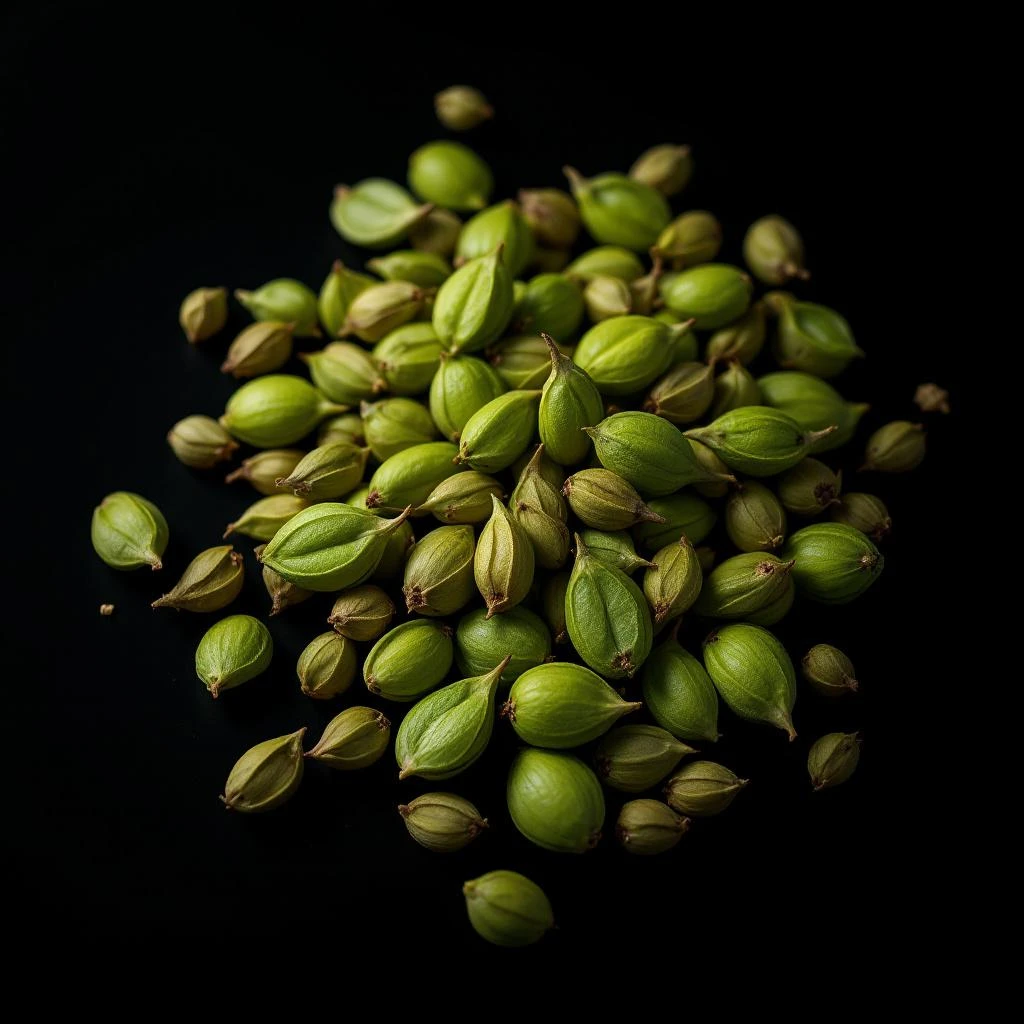
Origin
United States
White Cedar holds one of the oldest documented positions in aromatic history. Ancient Egyptians used Juniperus virginiana oil extensively for embalming and funerary rituals, recognizing its exceptional preservative properties.
The species also held ceremonial significance among Indigenous peoples of North America, who burned the wood in purification rites and used it to craft sacred objects. When European colonists arrived in Virginia, they found towering specimens of what they called 'Red Cedar' with distinctly pale sapwood, establishing early trade routes for the aromatic heartwood.
By the 19th century, American perfumers had established White Cedar as a foundational base note, particularly in men's colognes and fougère compositions. The Lebanon Cedar remains the national emblem, but White Cedar built the foundation of American perfumery.
Wears it best
Fragrances featuring White Cedar

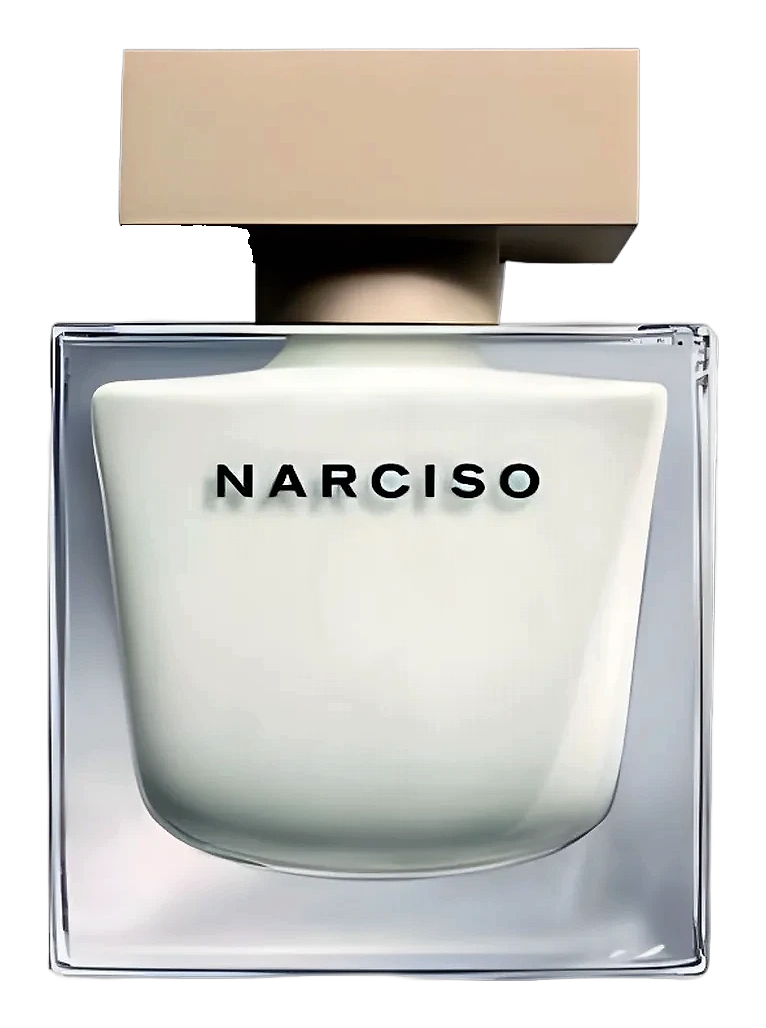

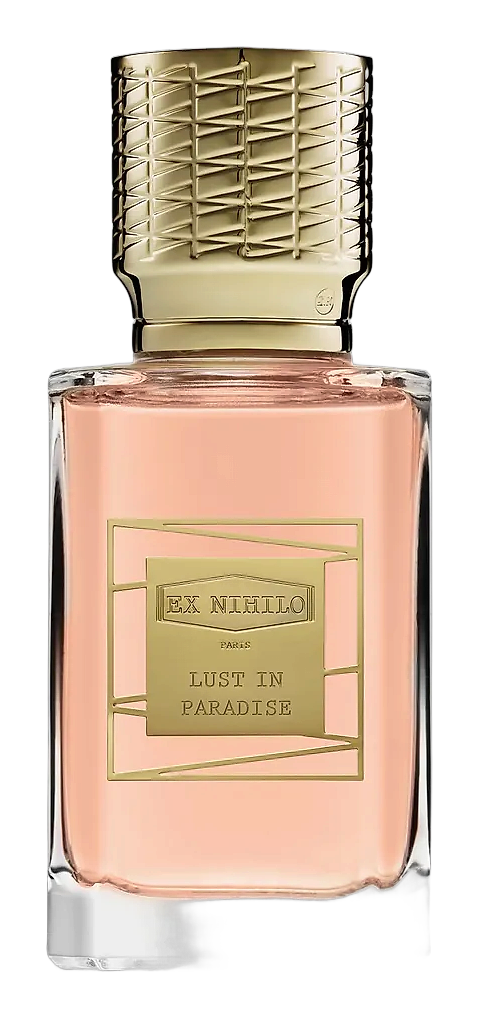
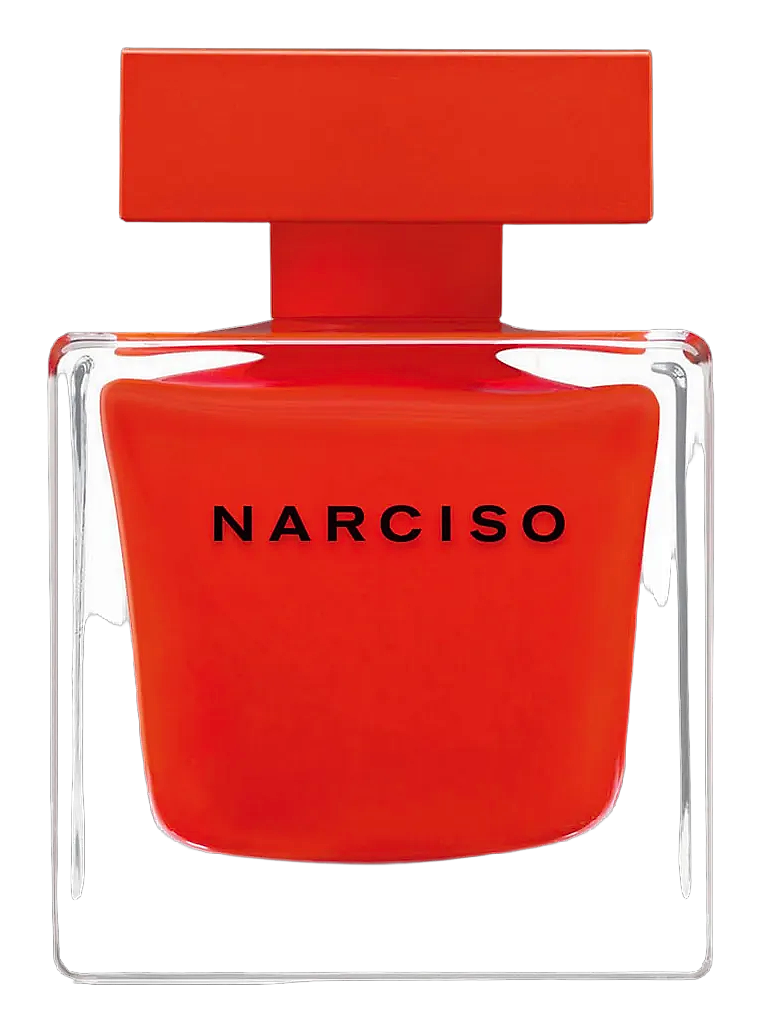


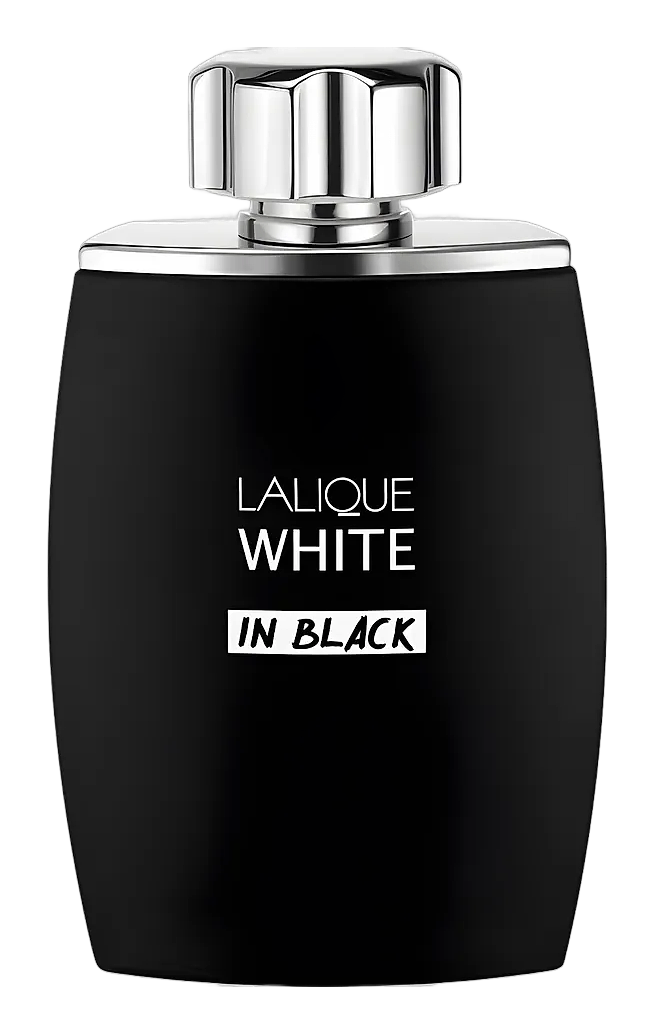
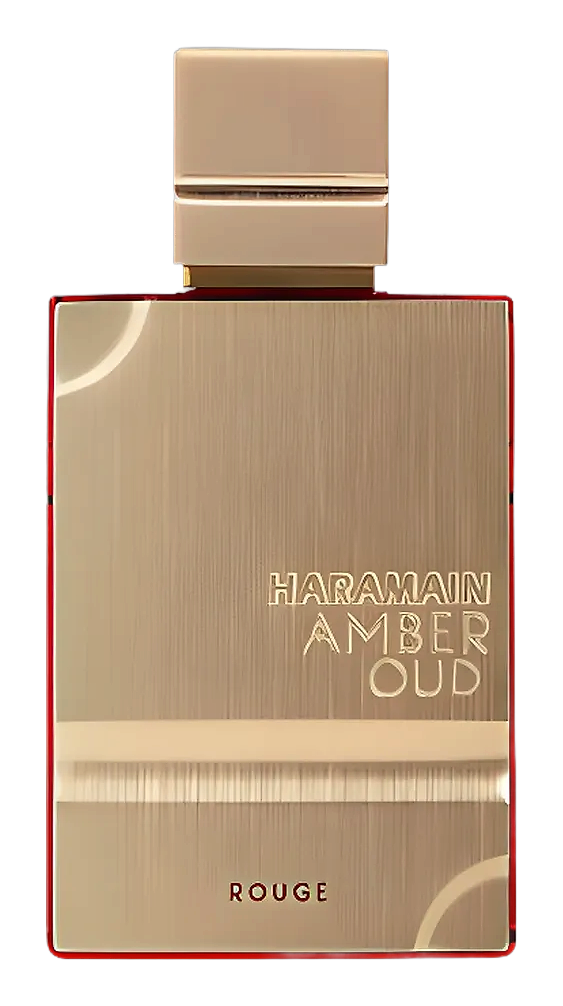
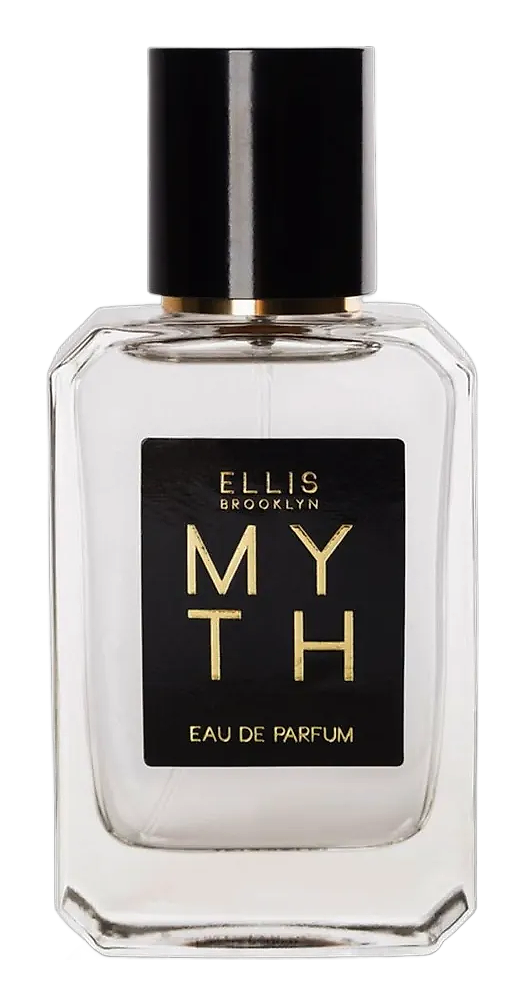
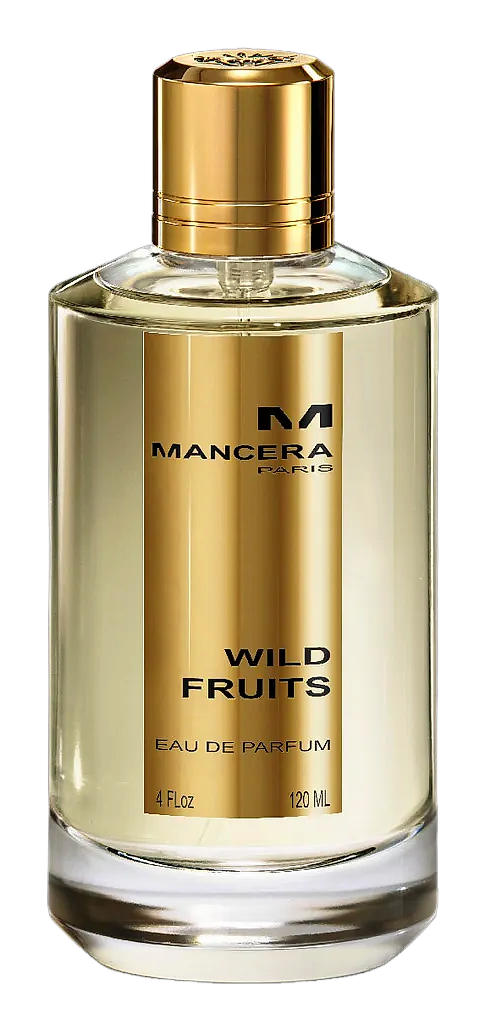
Brands
Brands known for White Cedar
Good to know
Questions, answered
The essentials on White Cedar in perfumery: how it smells, where it comes from, and how it behaves on skin.
What does White Cedar smell like?
White Cedar has a dry, pencil-woody aroma with subtle camphoraceous and resinous undertones. Unlike warmer cedar varieties, it reads as cleaner and more powdery, making it versatile across gender presentations.
Is White Cedar a natural or synthetic ingredient?
White Cedar exists in both natural and synthetic forms. Natural White Cedar oil comes from steam-distilled Juniperus virginiana wood. Synthetic alternatives like cedryl acetate and cedrol replicate specific molecules for consistency and cost efficiency.
What role does White Cedar play in perfumery?
White Cedar functions primarily as a base note, providing dry woody structure and longevity to fragrances. It acts as a fixative, slowing the evaporation of lighter top notes and extending a scent's wear time on skin.
How does White Cedar differ from Atlas Cedar?
White Cedar (Juniperus virginiana) offers a dry, pencil-shavings character with camphoraceous facets. Atlas Cedar (Cedrus atlantica) presents warmer, more balsamic qualities with pronounced spicy undertones and greater difficulty in formulation.
Which fragrance families use White Cedar most often?
White Cedar appears frequently in woody, fougère, and aromatic masculine compositions. It also shows up in contemporary unisex fragrances seeking clean, dry woodiness without heaviness.
What compounds give White Cedar its characteristic scent?
Alpha-cedrene, cedrol, and beta-caryophyllene are the primary aromatic molecules. Alpha-cedrene contributes the distinctive dry, woody top note while cedrol adds subtle resinous depth to the base.
Can White Cedar cause skin sensitization?
White Cedar oil contains naturally occurring sesquiterpenes that may cause sensitization in sensitive individuals. IFRA guidelines regulate its concentration in consumer products, and dilution in a carrier base is standard practice.
What pairing recommendations exist for White Cedar?
White Cedar pairs excellently with lavender, geranium, and oakmoss in classic fougère structures. It complements vetiver, patchouli, and sandalwood in modern woody compositions while brightening heavier bases.