Olive Leaf
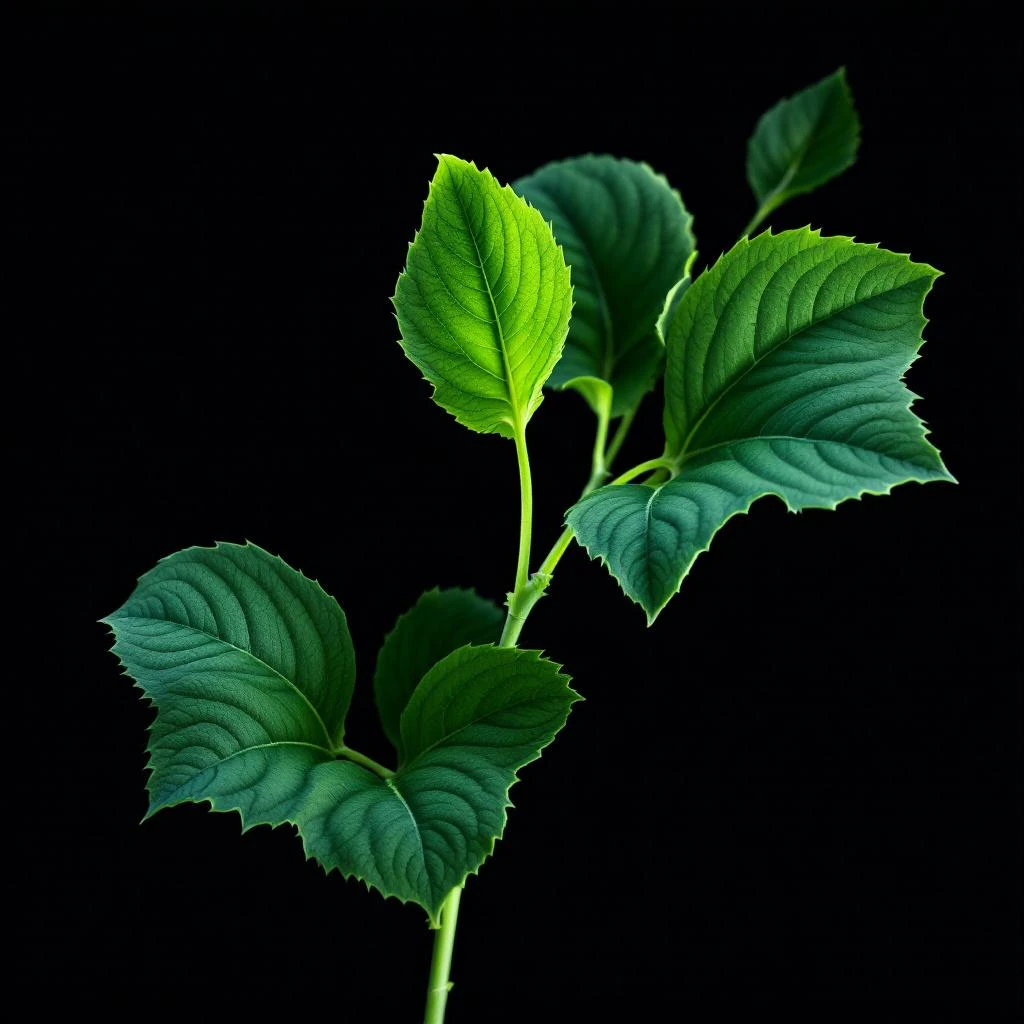
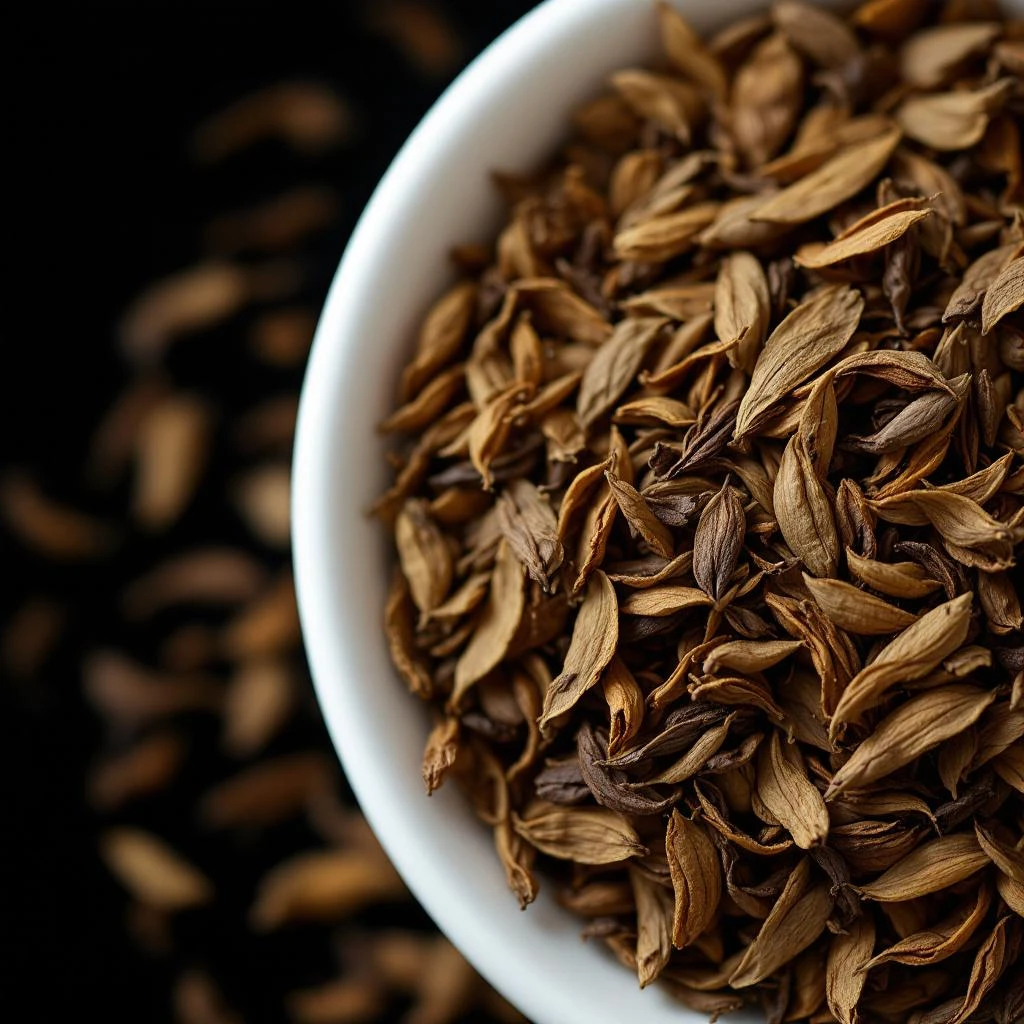
Olive leaf (Olea europaea) brings a Mediterranean green, herbal character to fragrance, capturing the scent of sun-warmed groves in late summer. Its subtle bitterness and fresh, resinous quality lend modern compositions a natural, almost pastoral elegance.
Character
How it smells
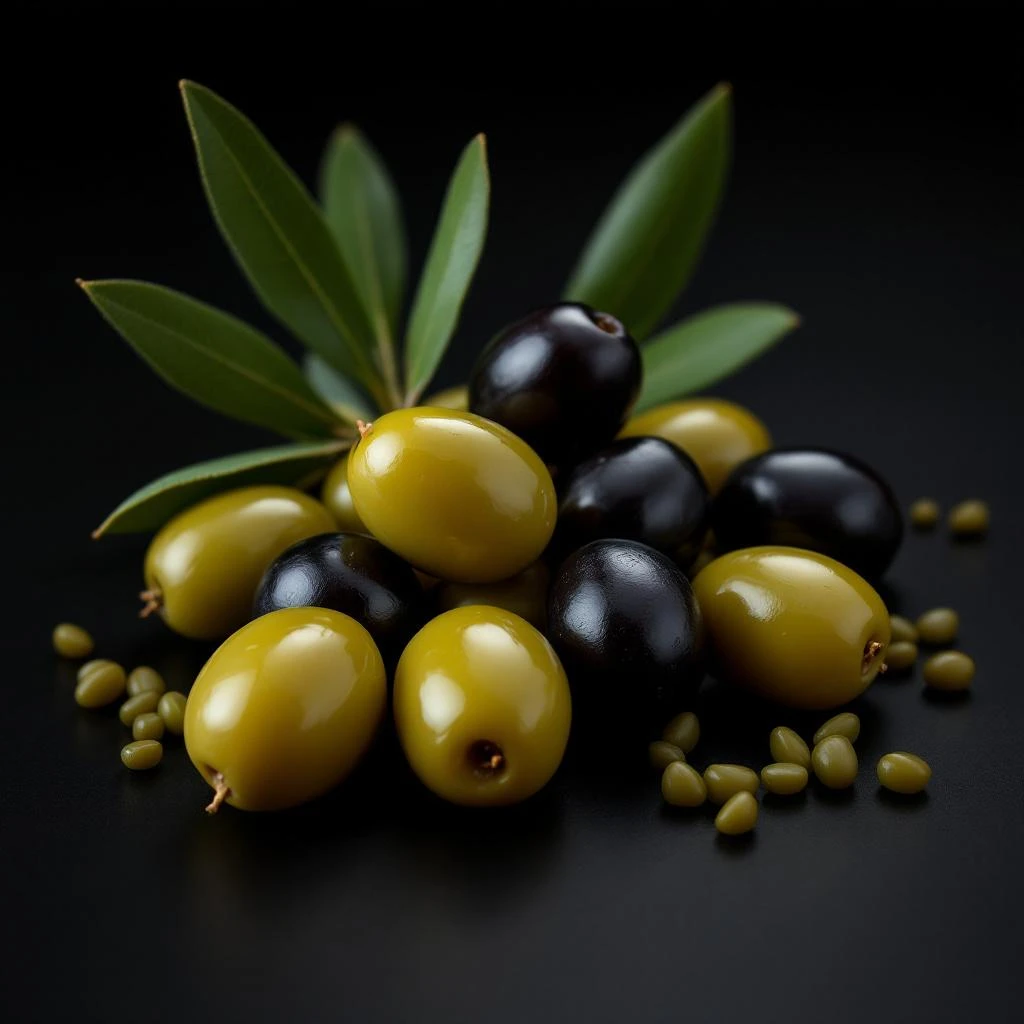
Green, bitter, Mediterranean herbal whisper.
Olea europaea leaves contain oleuropein, a bitter compound that distinguishes the absolute from milder olive flower extracts used historically.








Origin
Greece
The olive tree is among the oldest cultivated plants on earth, with evidence of olive oil production dating back over 6,000 years to the Levant and ancient Egypt. Early Arab perfumers prized the olive plant as a base material, incorporating its oils and macerations into scented preparations, while Egyptian artisans used olive-derived unguents in religious rituals and burial practices.
The tree itself appears in Homer's Odyssey as a symbol of peace and endurance. While the leaves have been used medicinally for centuries (notably for blood pressure and infection in Mediterranean folk traditions), their formal entry into perfumery is comparatively recent.
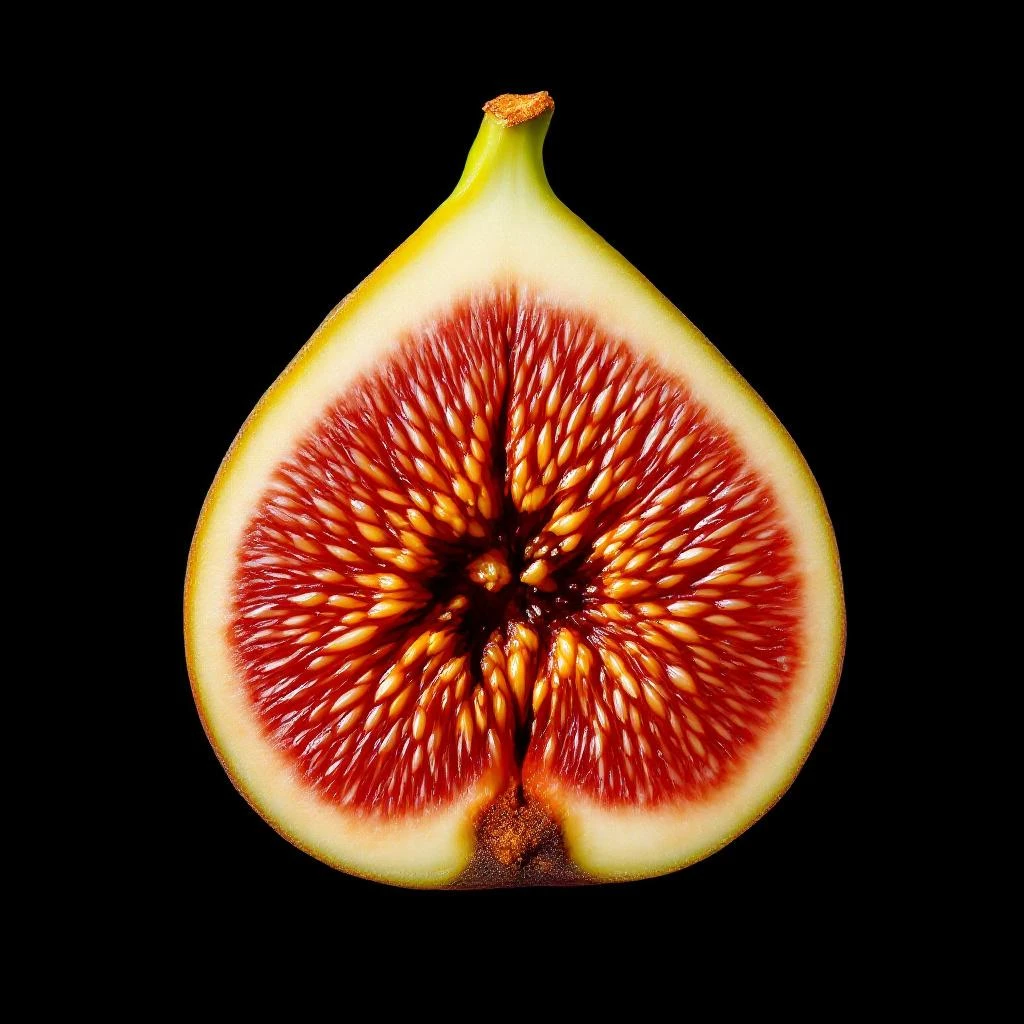
Modern perfumers rediscovered olive leaf in the early 21st century as niche perfumery sought greener, more botanical profiles. Today it appears in select compositions designed to evoke Mediterranean landscapes, pairing particularly well with fig, lavender, citrus, and resinous notes.
Wears it best
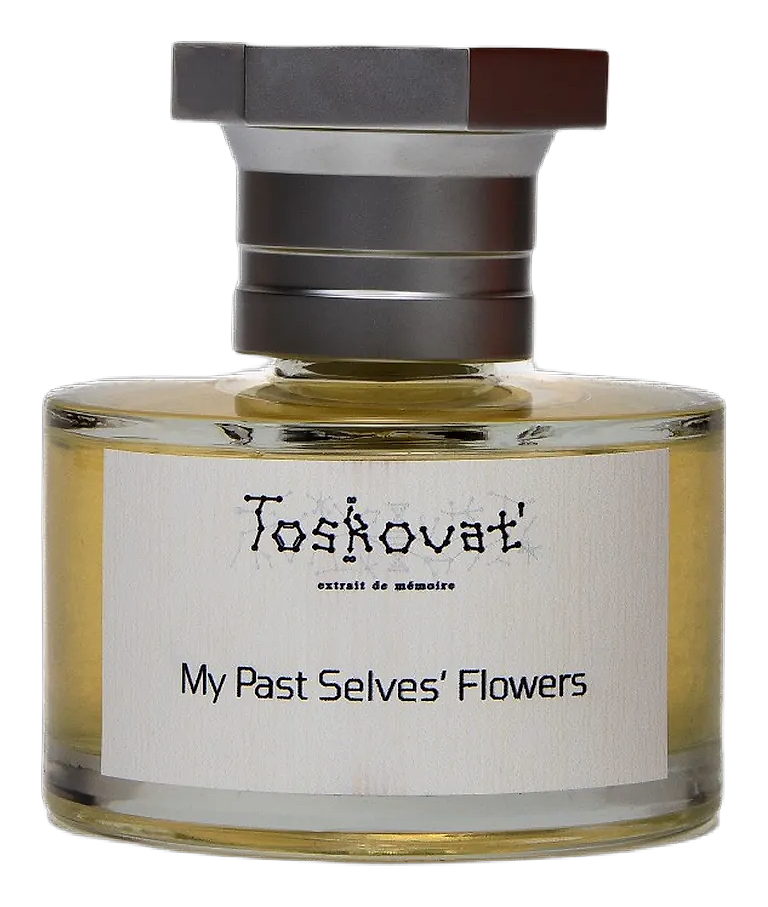
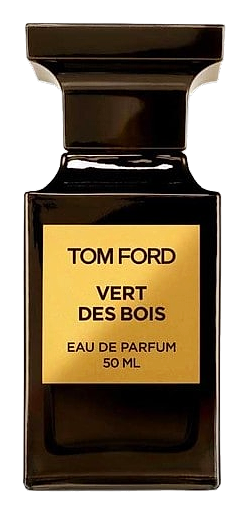
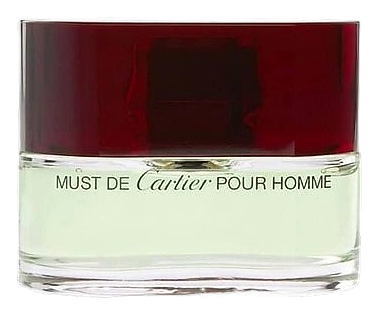
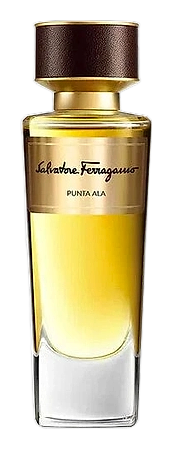
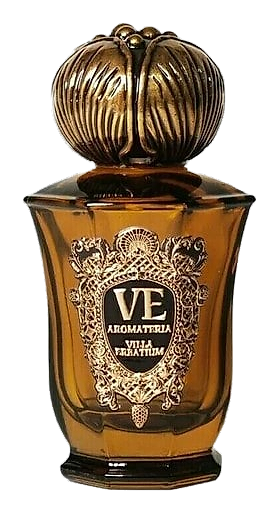
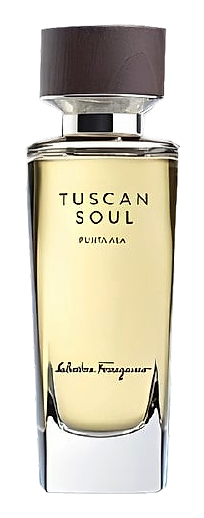
Fragrances featuring Olive Leaf
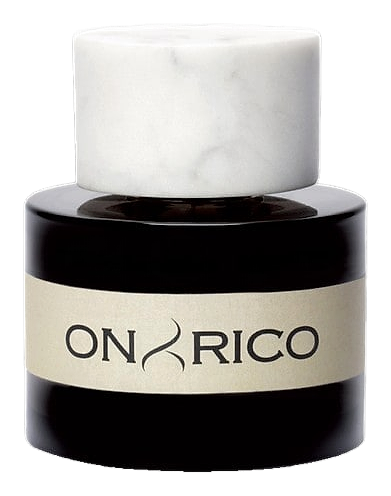
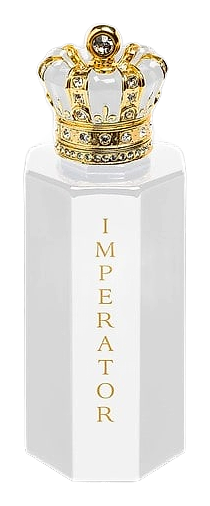
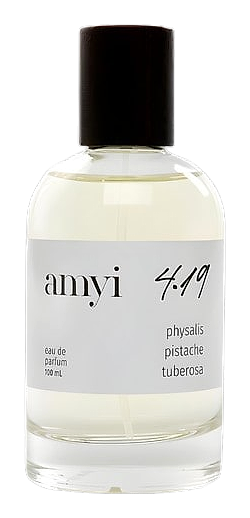
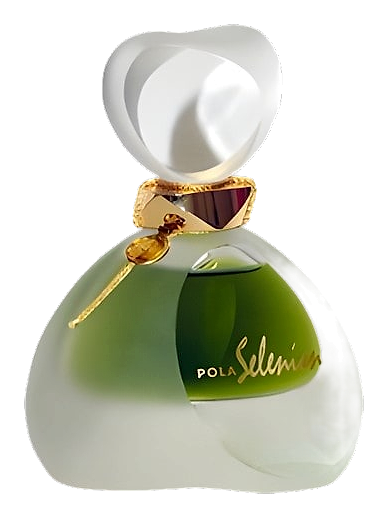
Brands
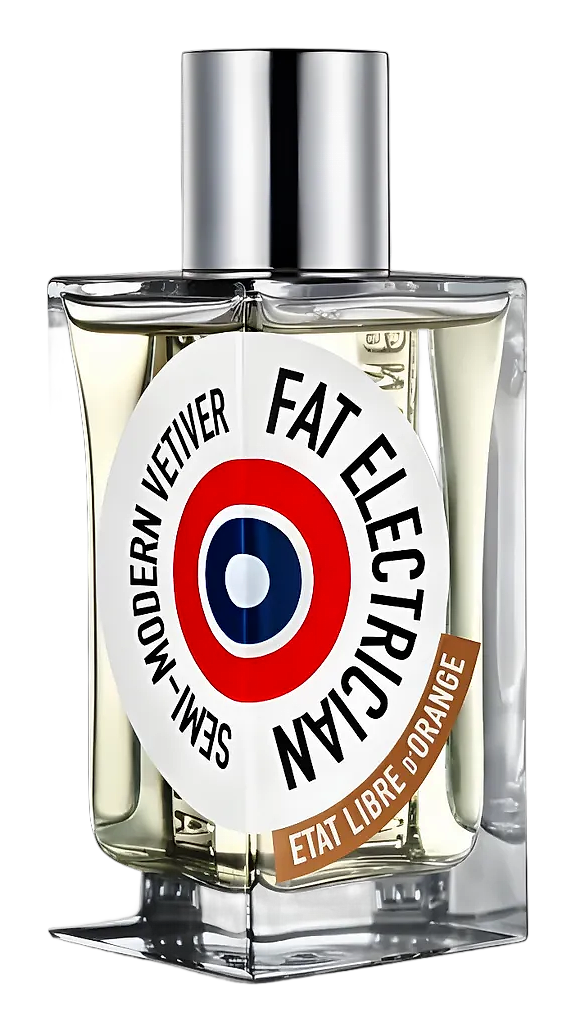
Brands known for Olive Leaf
Good to know
Questions, answered
The essentials on Olive Leaf in perfumery: how it smells, where it comes from, and how it behaves on skin.
What does olive leaf smell like in perfume?
Olive leaf gives a green, herbal, slightly bitter aroma with faint woody and resinous undertones, reminiscent of fig leaf and Mediterranean scrub. It reads as crisp and naturalistic rather than sweet or floral.
Is olive leaf safe for skin in fragrance?
Yes. Olive leaf extract is generally considered safe for cosmetic use at standard perfumery concentrations. As with any botanical extract, individual sensitivity testing is recommended before widespread application.
How is olive leaf extracted for perfumery?
Producers obtain olive leaf extract through steam distillation or supercritical CO2 extraction. CO2 yields a more complex absolute, while steam distillation produces a lighter essential oil with characteristic green-herbal facets.
Where does olive leaf for perfume come from?
Most commercial olive leaf extract originates in Mediterranean countries including Spain, Italy, Greece, and Tunisia, where olive cultivation remains a major agricultural activity and pruning cycles supply ample raw leaf material.
When is olive leaf harvested for fragrance?
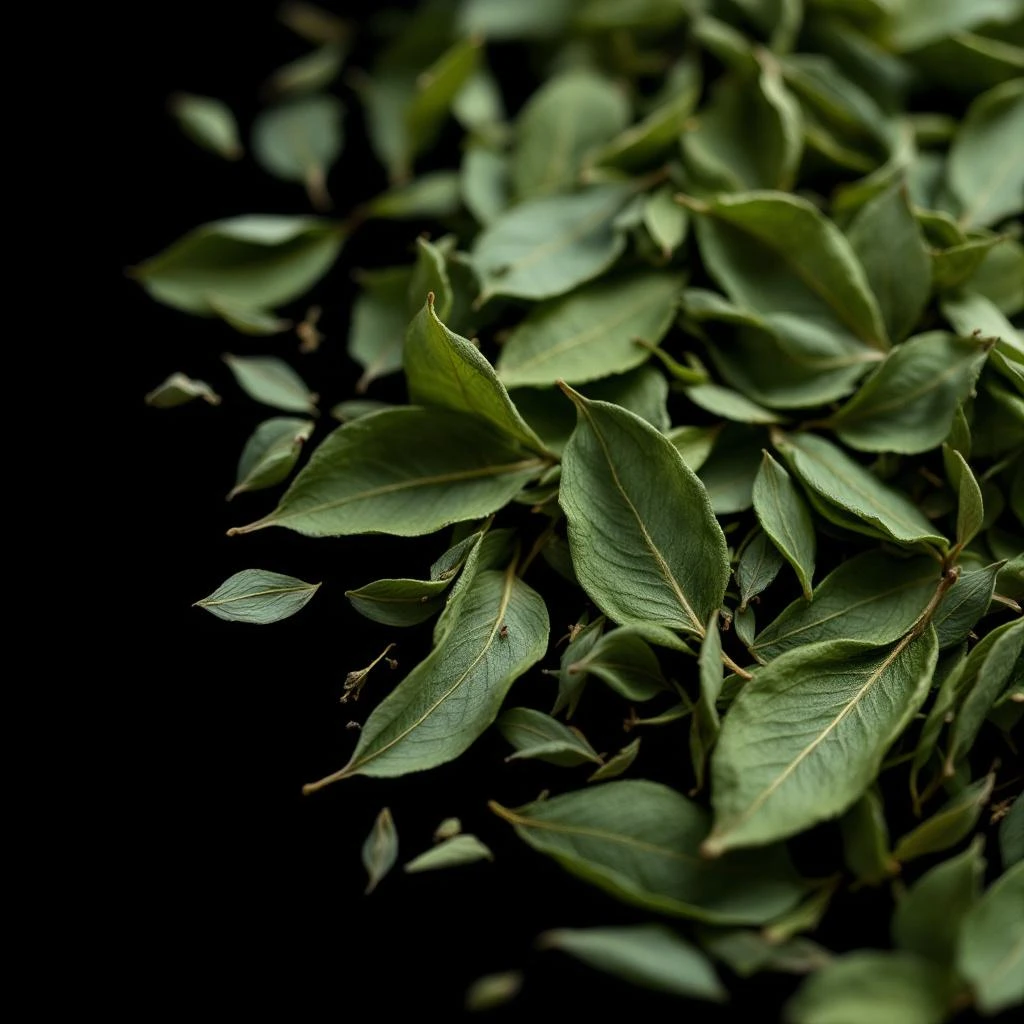
Leaves are typically collected between spring and early autumn during routine pruning. Partial drying before extraction helps concentrate the aromatic compounds and improve yield.
Does olive leaf absolute have a long history in perfumery?
No. While the olive tree itself has been used for millennia, olive leaf specifically entered modern perfumery in the early 21st century as niche perfumers sought greener, more botanical Mediterranean profiles.
What notes pair well with olive leaf in perfume?
Olive leaf blends naturally with fig, citrus oils, lavender, rosemary, and resinous materials like mastic or frankincense. These combinations reinforce its Mediterranean-grove character and add depth to green compositions.
How much olive leaf is needed to make extract?
Yields are low: approximately 50 to 100 kilograms of fresh olive leaves are required to produce one kilogram of finished extract, which contributes to its positioning as a specialty perfumery ingredient.