Pink Peony
Pink Peony captures the lush, multi-layered heart of spring. Its soft, romantic floralcy sits between rose and lily of the valley, bringing airy elegance and a fresh, subtly sweet lift to any composition.
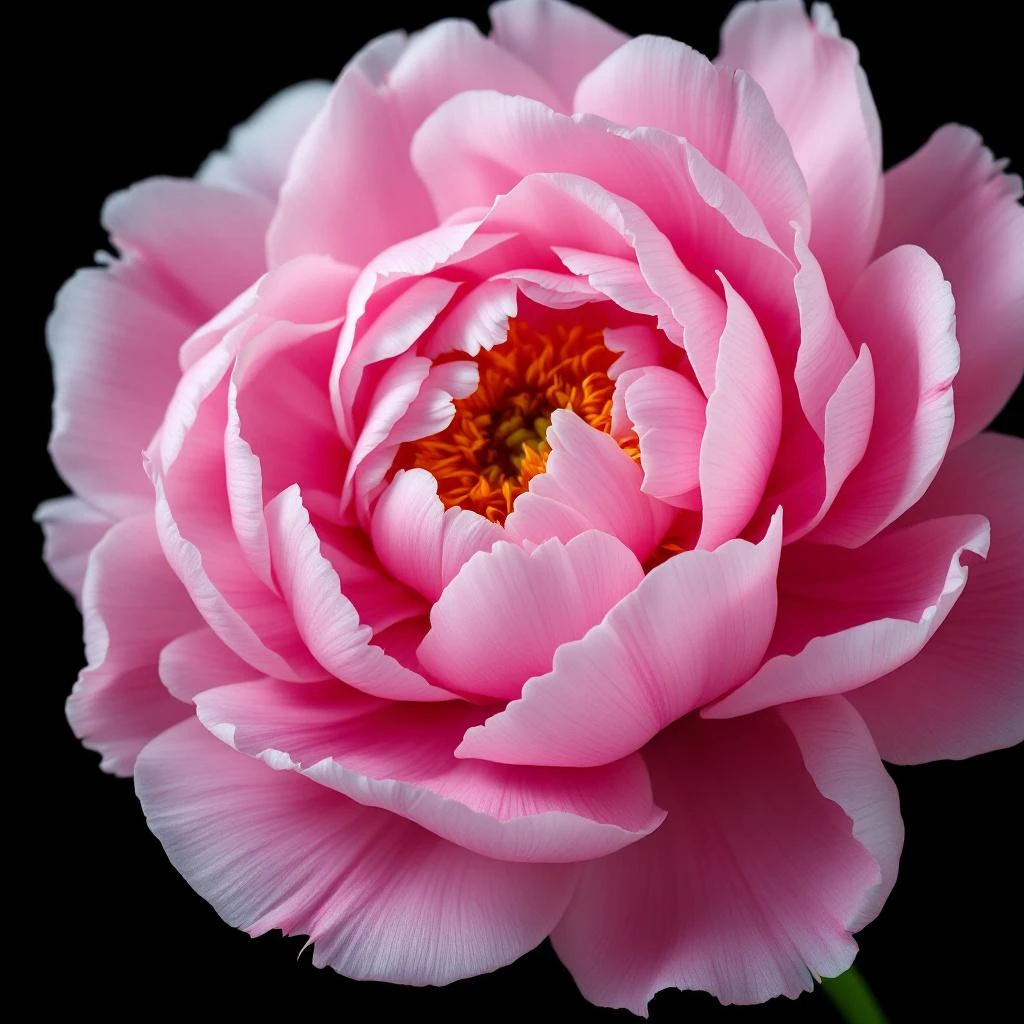
Character
How it smells
Romance bottled in a bloom.
Ancient physicians guarded peony roots as potent medicine, believing the flower itself held healing secrets passed down from Greek mythology.







Origin
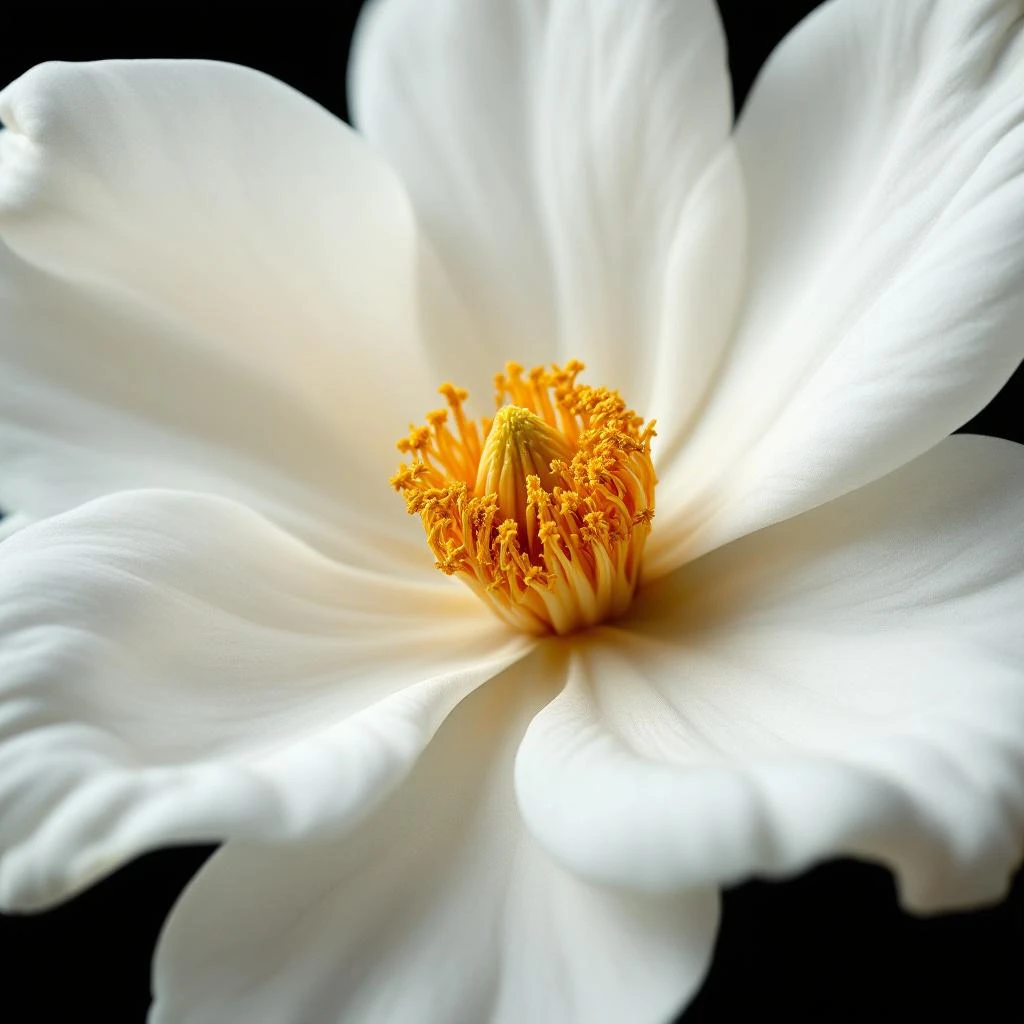
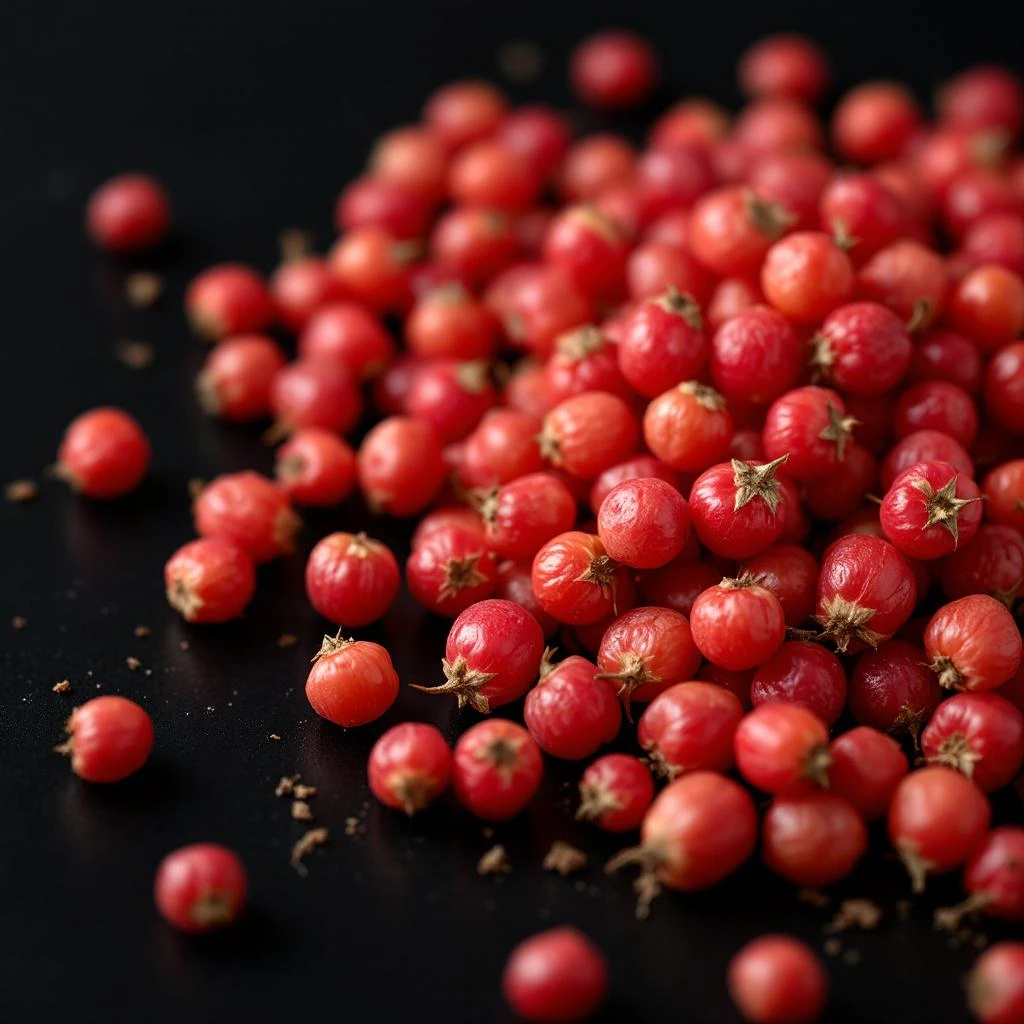
China
Peonies trace their perfumed history to ancient China over two thousand years ago, where they became symbols of wealth, honor, and prosperity in imperial gardens. Chinese nobility prized them as emblems of love and good fortune, their lush petals inspiring artists and poets alike. Greek mythology contributed the flower's name, derived from Paeon, a physician whom Zeus transformed into the bloom to shield him from his mentor's jealousy.
By the Renaissance, European fascination with botanical gardens brought peonies westward, and they soon appeared in cosmetic preparations for aristocratic patrons. Today, pink peony remains a staple of romantic fine fragrances, valued for its delicate, enduring charm.
Wears it best
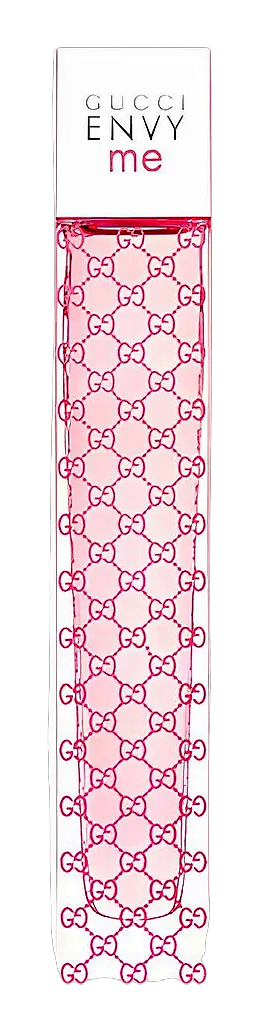
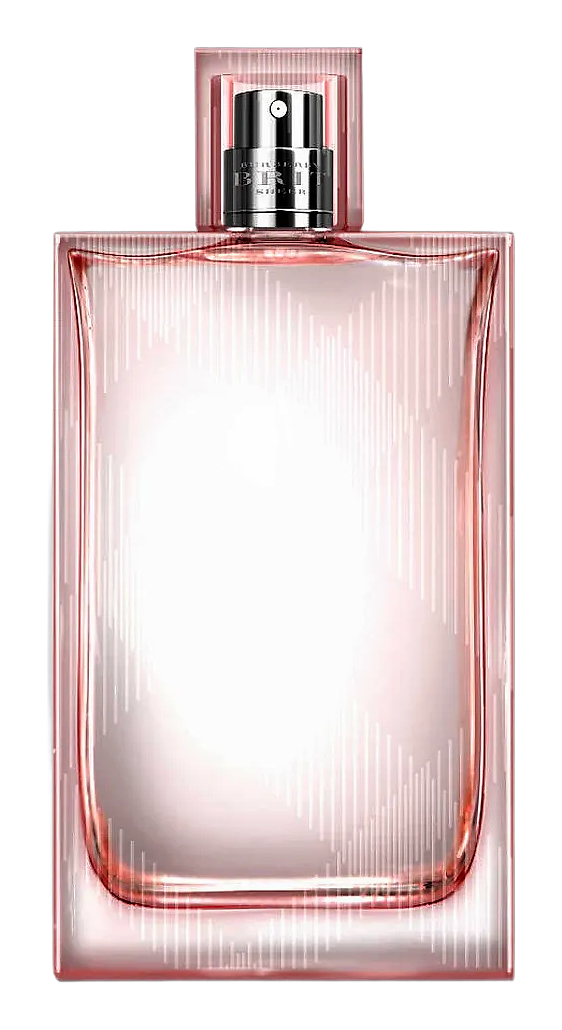
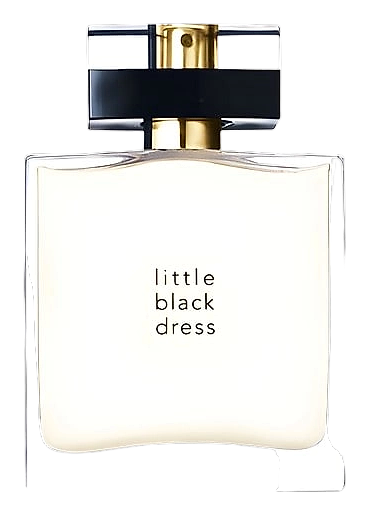
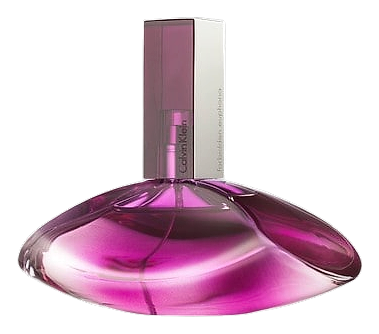
Fragrances featuring Pink Peony


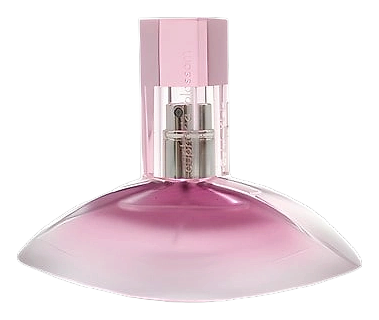
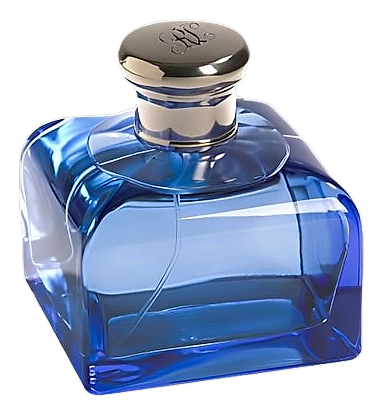

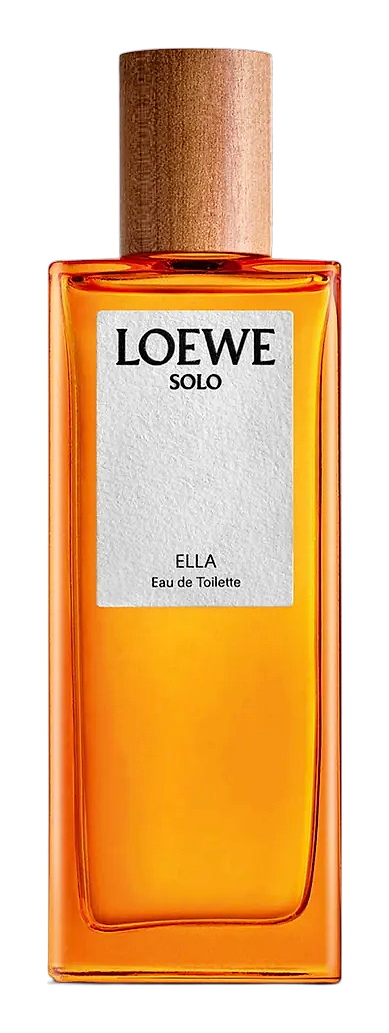
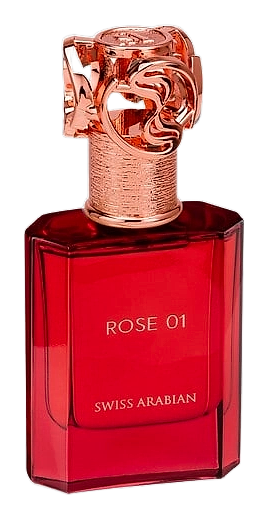
Brands
Brands known for Pink Peony
Good to know
Questions, answered
The essentials on Pink Peony in perfumery: how it smells, where it comes from, and how it behaves on skin.
Is Pink Peony a natural or synthetic ingredient?
Pink Peony is a synthetic reproduction accord. Peonies produce insufficient essential oil for commercial extraction, so perfumers recreate the scent using headspace technology, natural extracts, and carefully calibrated aromatic compounds to match the flower's fresh, floral profile.
What does Pink Peony smell like?
Pink Peony smells fresh and romantic, with soft floral sweetness that recalls rose and lily of the valley. Its watery, airy character brings lightness and elegance, making it a versatile heart note that lifts compositions without overwhelming them.
Which fragrance families pair well with Pink Peony?
Pink Peony pairs naturally with fresh and green compositions, blending beautifully with citrus, green tea, and bamboo. It also softens richer oriental fragrances when combined with amber, sandalwood, or spices, adding elegant floral contrast.
What volatile compounds give Pink Peony its distinctive scent?
Studies identify linalool, geraniol, citronellol, and oxygenated terpenes as key aromatic molecules in peony flowers. These compounds contribute its characteristic fresh, floral, and subtly sweet fragrance profile found in reproduction accords.
Where do peonies used in perfumery originate?
The peony genus Paeonia encompasses approximately 52 species distributed across temperate regions. Major cultivation occurs in China, the Netherlands, Canada, and the United States, with Chinese varieties historically prized for their large, lush blooms.
Does Pink Peony have therapeutic properties in skincare?
Peony extracts contain paeoniflorin and gallic acid, compounds with demonstrated antioxidant and anti-inflammatory properties. These may help neutralize free radicals and soothe skin, though Pink Peony fragrance accords focus primarily on aromatic rather than therapeutic applications.
What perfumes famously feature Pink Peony?
Jo Malone Peony & Blush Suede showcases Pink Peony blended with red apple and jasmine for fresh elegance. Elie Saab Le Parfum incorporates peony alongside orange blossom, jasmine, and honey for radiant warmth. Many contemporary fragrances use peony as a signature heart note.
Why is Pink Peony so popular in modern perfumery?
Pink Peony delivers romantic, approachable florality without the intensity of heavier blooms. Its versatility allows it to anchor fresh daytime fragrances or soften richer compositions, appealing to consumers seeking feminine elegance with modern restraint.



