
The Story
Why it exists.
The beginning
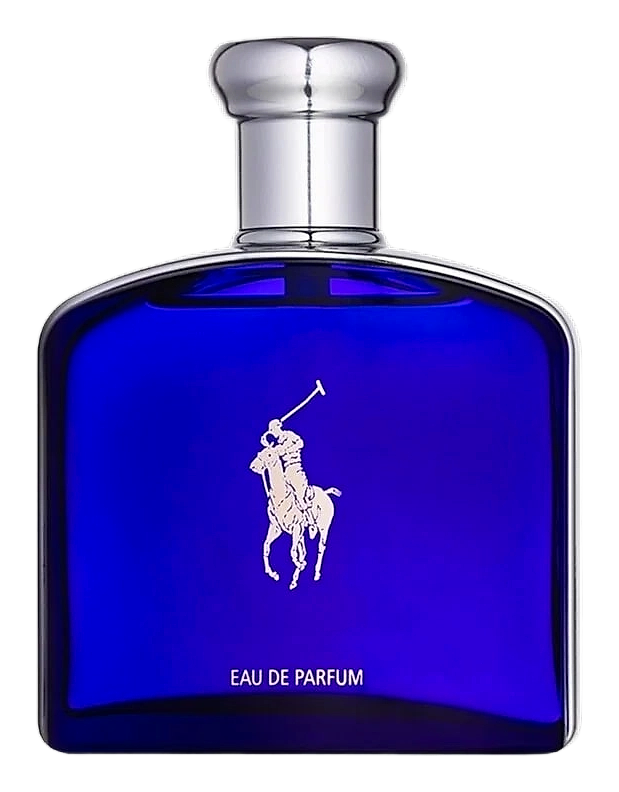
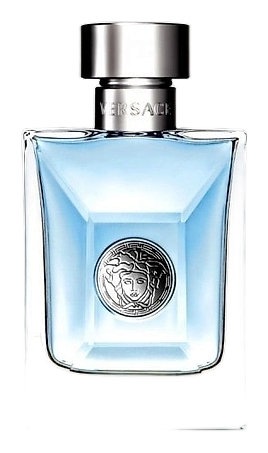
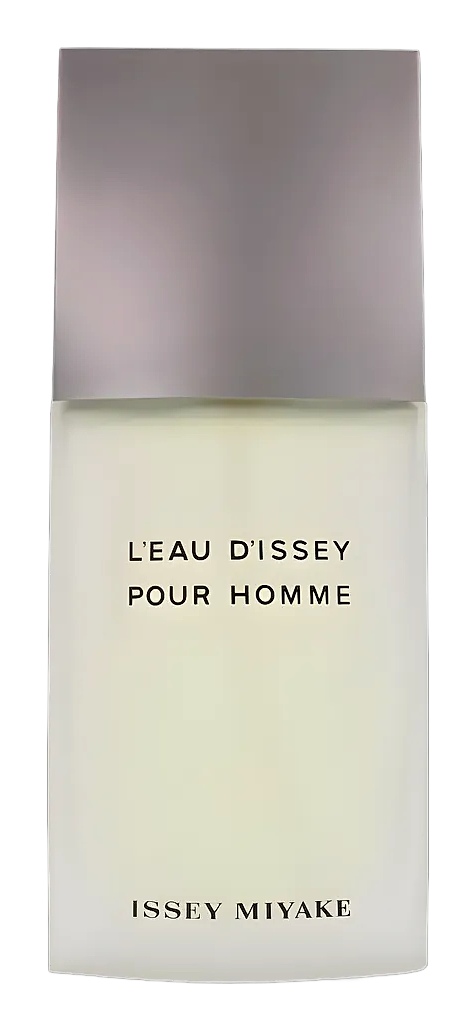
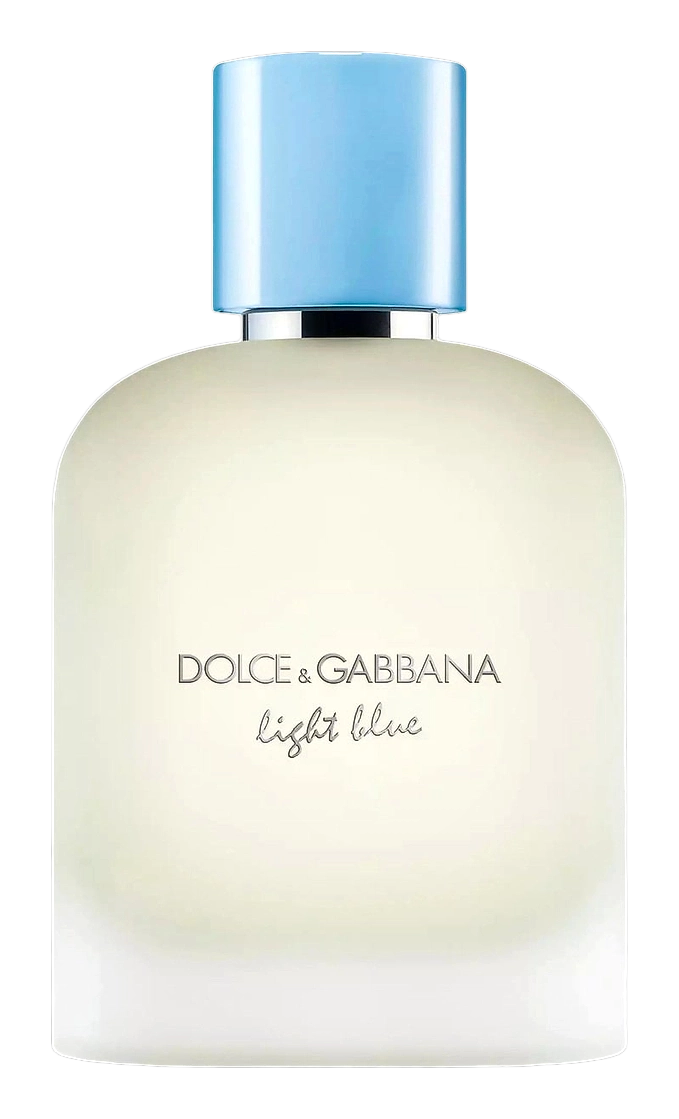
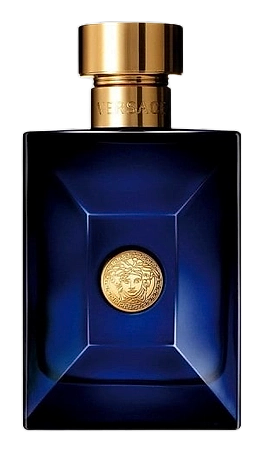
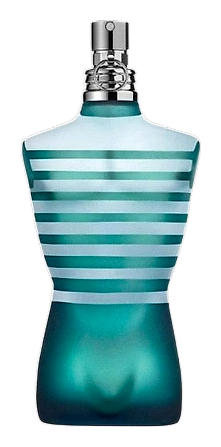
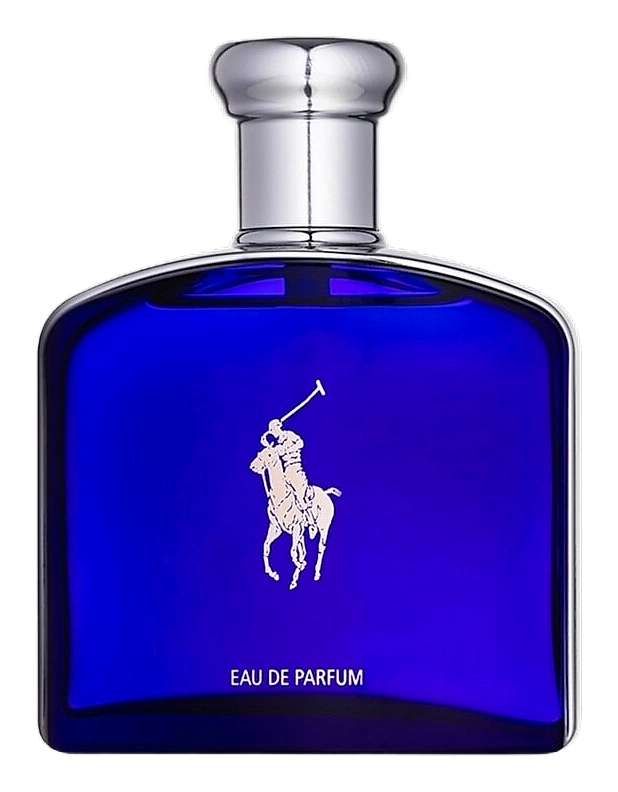
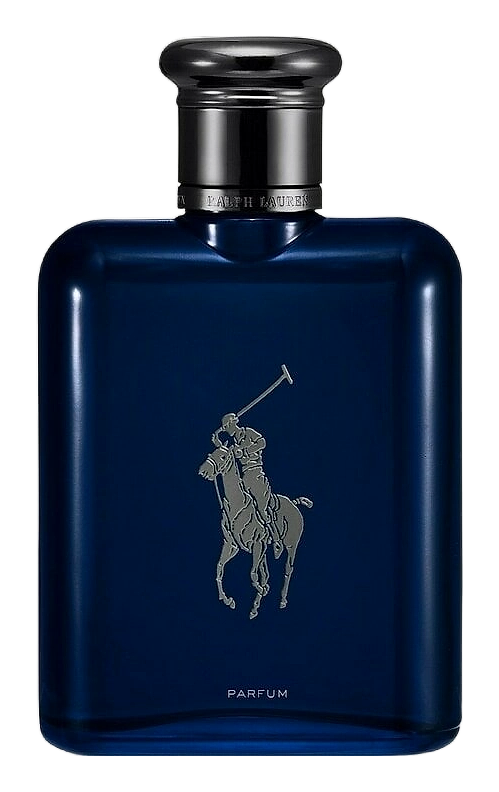
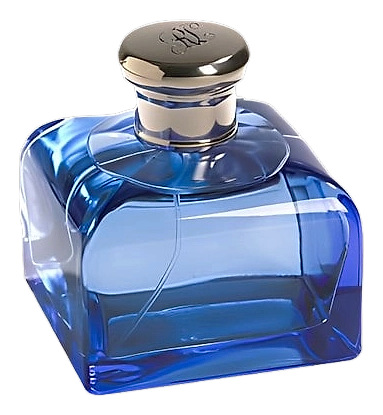
Blue is a departure into aquatic territory, a color-coded step outside familiar template. Where most of the catalog leans into classic, time-tested structures, Blue offers something different. The name signals clarity and openness, a shift in register that invites the wearer into cooler, more expansive territory. True to the best modern fragrances, it never chases trend; instead it opens a fresh chapter in what a scent can be.
The heart notes form the connective tissue of this composition. Lavender brings an herbal, slightly floral warmth that feels both timeless and current. Mint adds a crisp, cool edge that lifts the overall impression and prevents heaviness. Ginger contributes a subtle spiced warmth that rounds the heart without overwhelming it. Together, these materials create a center that feels balanced and intentional. The base anchors the experience with ambrox and dry woods, their clean, skin-like presence offering warmth that settles close and feels natural rather than imposed.
The evolution
The opening announces itself gently, a bright citrus entrance that feels clean and immediate. Lemon and bergamot arrive together, neither dominating, a soft duet rather than a solo. There's a slight transparency to the top notes, an openness that feels inviting rather than aggressive. The elemi resin and pineapple add a subtle resinous sweetness that rounds the citrus without sweetening it. As the fragrance develops, the heart notes emerge to reshape the composition, lavender and mint taking center stage to add depth and coolness. This transition moves from brightness to something more complex, more nuanced. Around the heart phase, the ginger becomes more apparent, bringing a quiet warmth that sits close to the skin. By the time the base arrives, ambrox and dry woods assert themselves, a warm, intimate drydown that behaves like a second skin rather than a statement.
Cultural impact
Blue arrived as part of the fresh, aquatic category that dominated men's fragrance in the mid-2010s. The scent distinguished itself through a cleaner, more citrus-forward interpretation that felt both modern and accessible. Its bright opening and intimate drydown offered something different from the heavier, more projecting fragrances that had dominated the previous decade. The fragrance found its audience among those seeking something uplifting without being aggressive, complex without being demanding. Its continued availability speaks to a lasting appeal that transcends trend.
The House
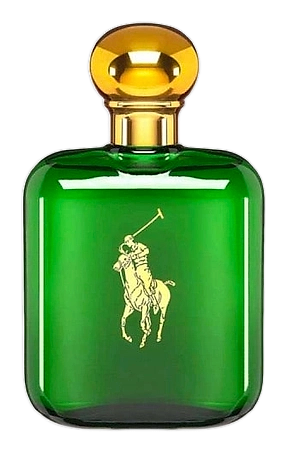
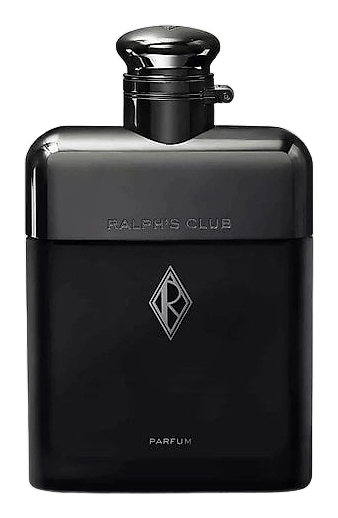
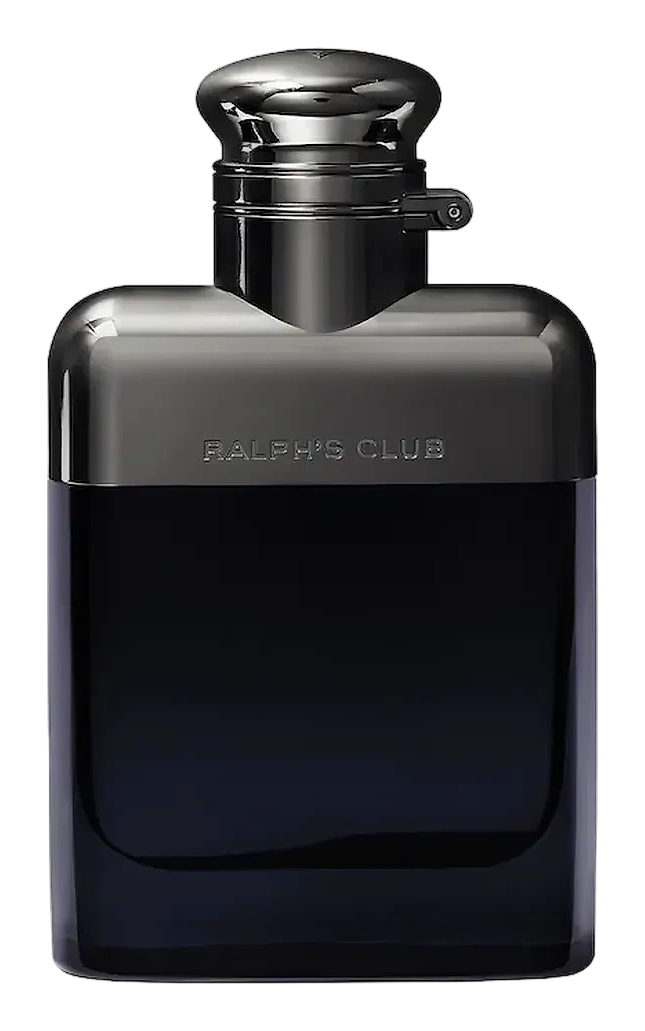
Ralph LaurenRalph Lauren is the quintessential American luxury brand that transformed a $50,000 tie business into a global lifestyle empire. Founded in 1967 by Ralph Lifshitz, a Bronx-born son of Jewish immigrants, the house virtually invented the concept of 'lifestyle' branding. Their fragrance portfolio captures that same all-American spirit, from the rugged masculinity of Polo (1978) to the romantic elegance of Romance (1998). Each scent reflects Lauren's vision of timeless style, whether it is the preppy confidence of the original Polo or the modern sophistication of Ralph's Club. The brand licenses its fragrances through L'Oréal, bringing accessible luxury to a worldwide audience while maintaining that distinctive Ralph Lauren polish.
The Creator
Mathieu NardinA purist at heart, Nardin begins every composition with the ingredients themselves. He favors flowers, citrus, and natural woods, which he considers the inheritance of his Grasse upbringing.