The Story
Why it exists.
The beginning
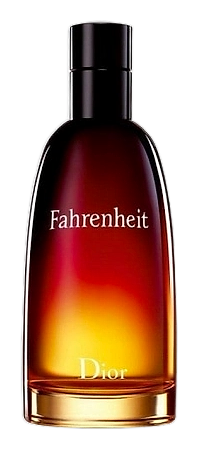
Fahrenheit arrived in 1988 and smelled like nothing else: gasoline, liquid leather, the scent of a specific kind of freedom. It became a classic precisely because it divided opinion. Twenty-three years later, François Demachy faced a question every perfumer at a heritage house eventually answers: what do you do with the legacy when the world has changed? His answer was Aqua Fahrenheit, a reinterpretation built on the same architecture but filtered through a cooler lens. Water to Fahrenheit's fire. The name says it all.
The genius is in what stays and what goes. The leather-vetiver foundation remains, that's non-negotiable DNA. But Demachy opened the top with bright citrus and added an aromatic heart of violet, mint, and basil that the original never had. The result is a flanker that respects its source material while speaking a different dialect. It's Fahrenheit translated into something more wearable, more contemporary, without becoming a different fragrance entirely. The violet is the surprise here: powdery and floral in a composition that could have stayed aggressively masculine. It adds a softness that makes the leather feel like suede instead of biker jacket.
The evolution
The grapefruit and mandarin open sharp and immediate, citrus oils hitting the air with the brightness of a morning commute. Thirty minutes in, the mint and basil arrive together, the herbs cool the citrus down, shift it from sunny to green. Violet comes next, but it doesn't dominate. It floats underneath, adding a powdery sweetness that prevents the whole thing from becoming too austere. The leather appears around the two-hour mark, but it's a softer version than the original. Warm. Close. The vetiver grounds it without the gasoline note that defined Fahrenheit's drydown. By hour four, you're left with leather and violet, intimate and restrained. This is a fragrance that knows when to step back.
Cultural impact
Aqua Fahrenheit arrived in 2011 during a period when masculine fragrances were fragmenting into niche subcategories. Where once a house could dominate an entire fragrance category, the early 2010s saw enthusiasts seeking specificity, fresh vs. warm, aquatic vs. aromatic. Dior's move to create a cooler reinterpretation of their flagship Fahrenheit line reflected this shift. The original Fahrenheit had defined a generation's idea of masculine scent: raw, unconventional, smelling of gasoline and leather. By 2011, that iconoclasm had become familiar. Aqua Fahrenheit represented Dior's answer to a changed landscape: a flanker that honored the house's leather-vetiver signature while speaking the contemporary language of citrus and mint.