


















Heritage
A house, in its own words
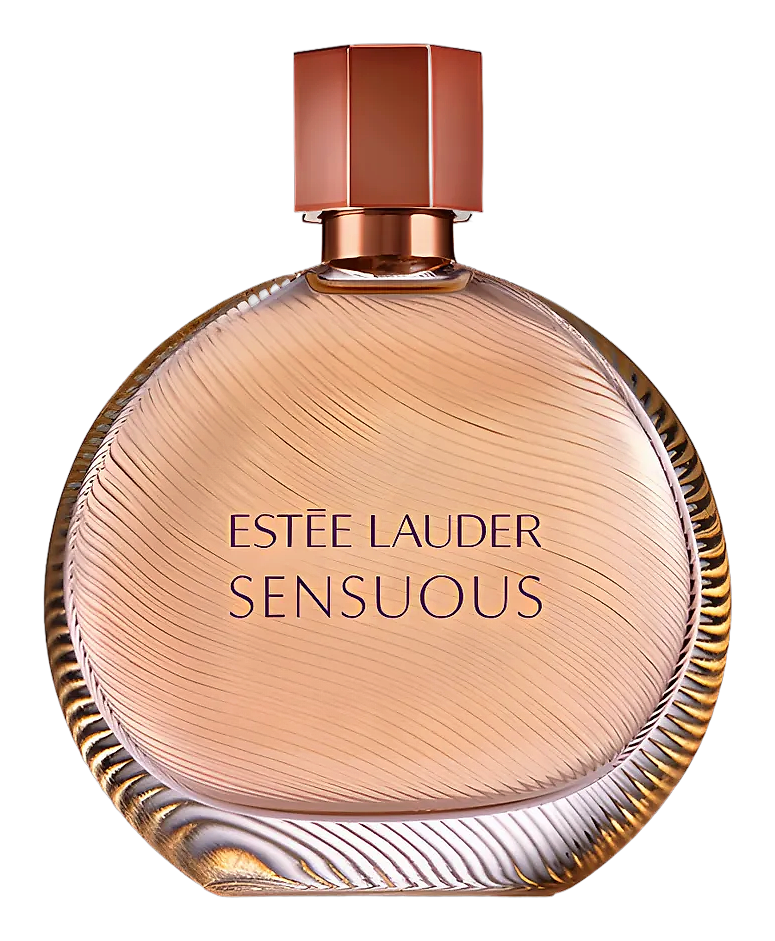
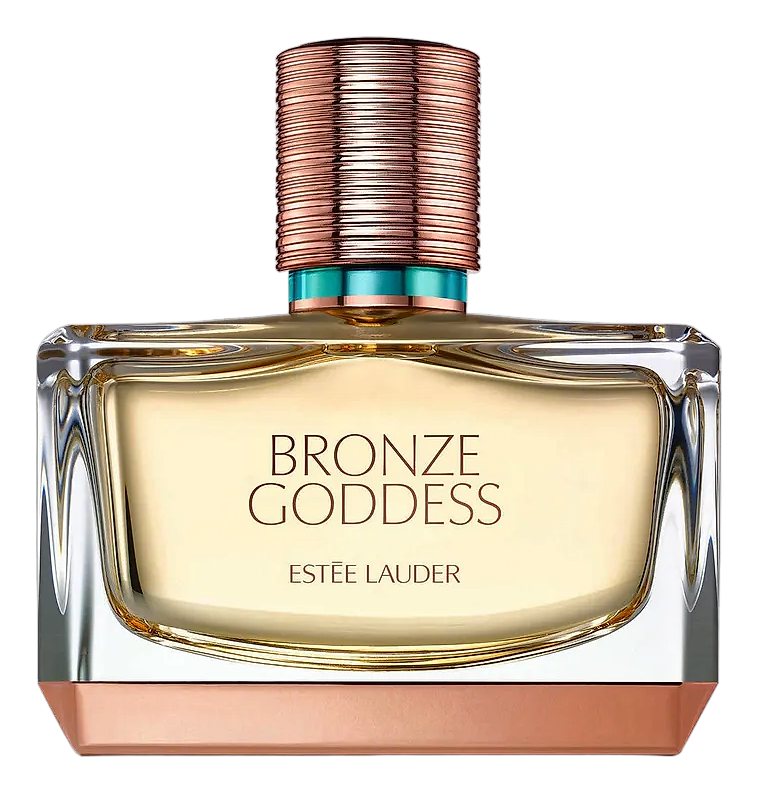
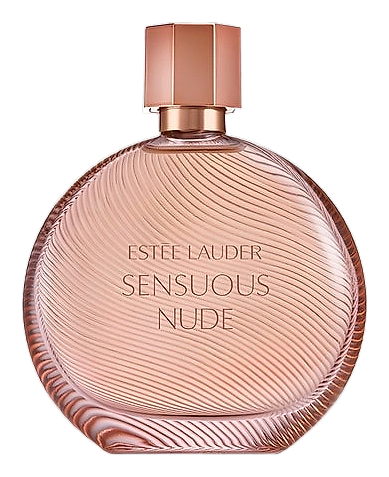
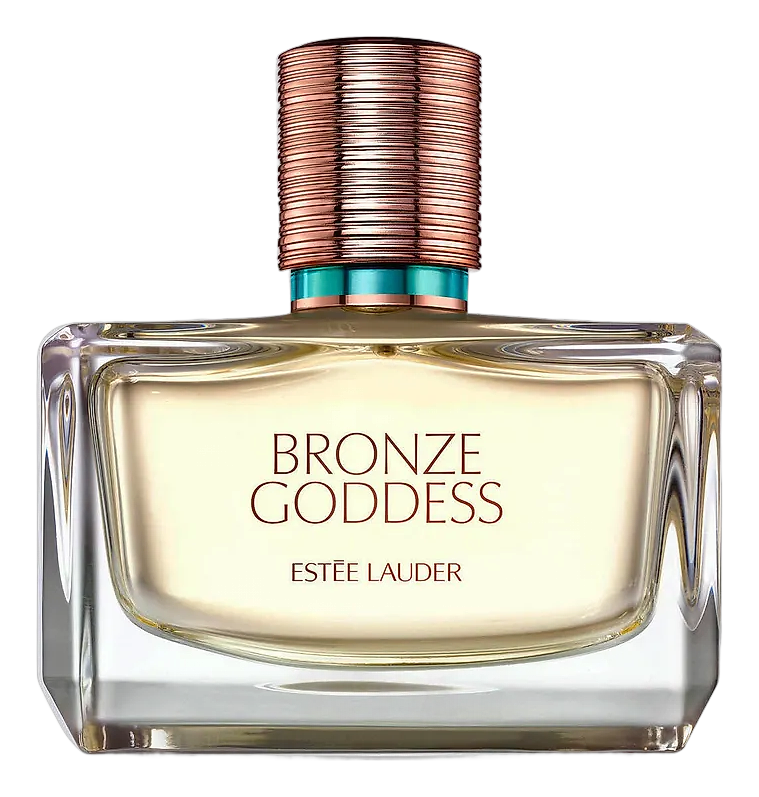
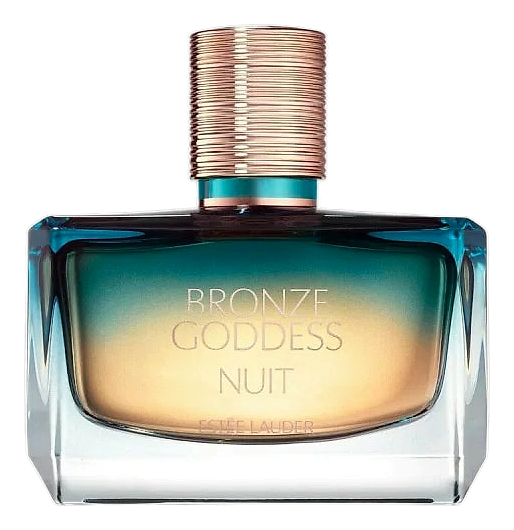
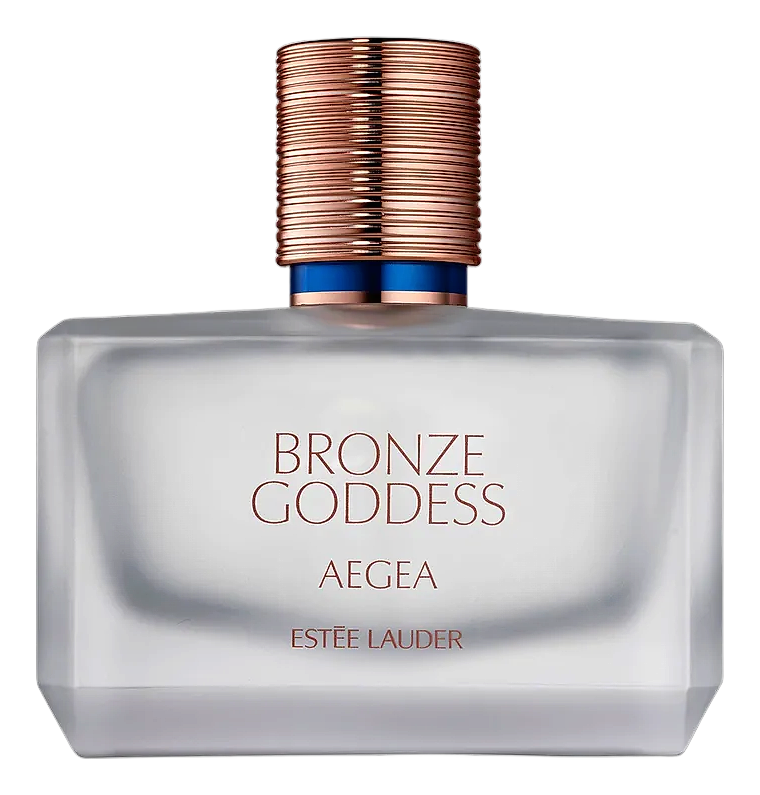
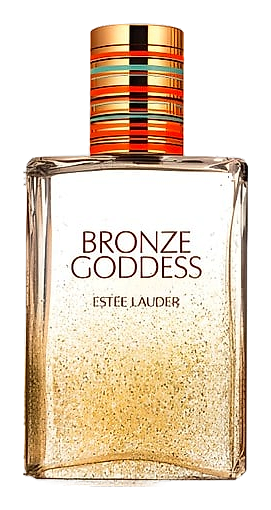
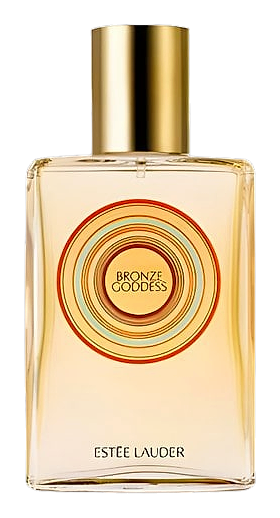
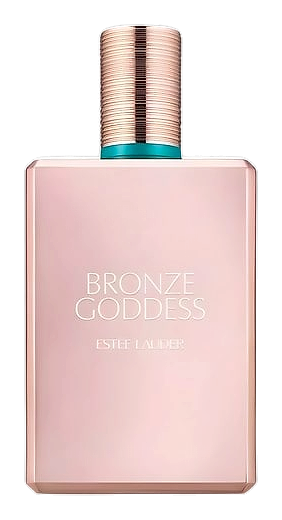
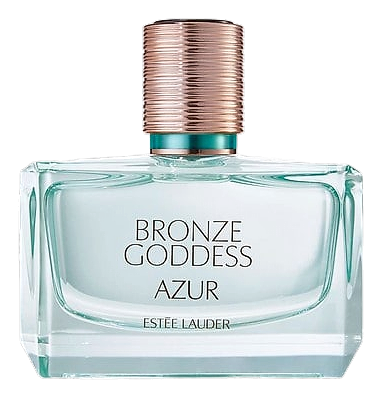
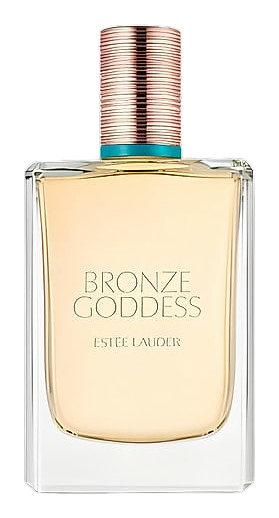
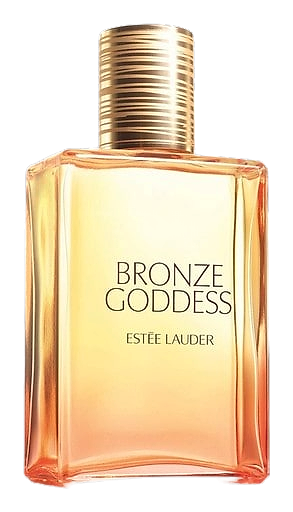
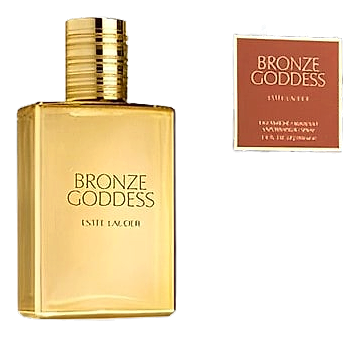
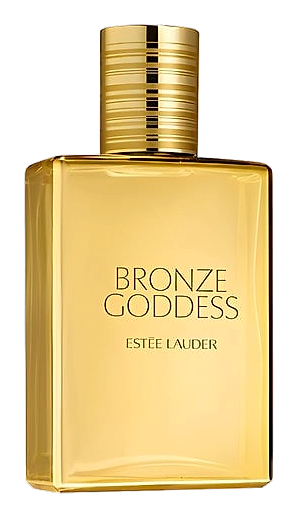
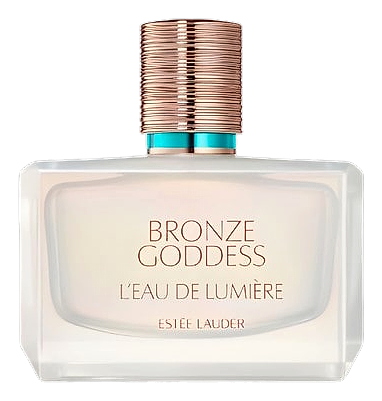
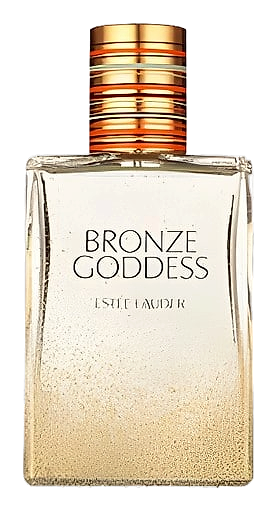
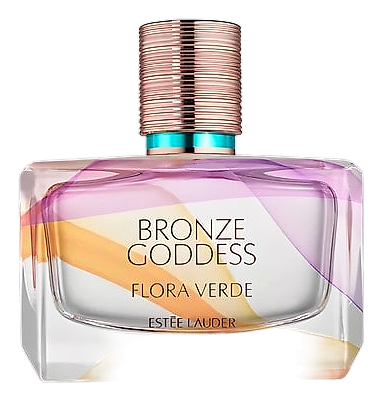
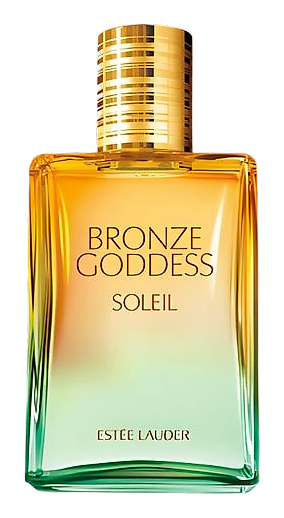
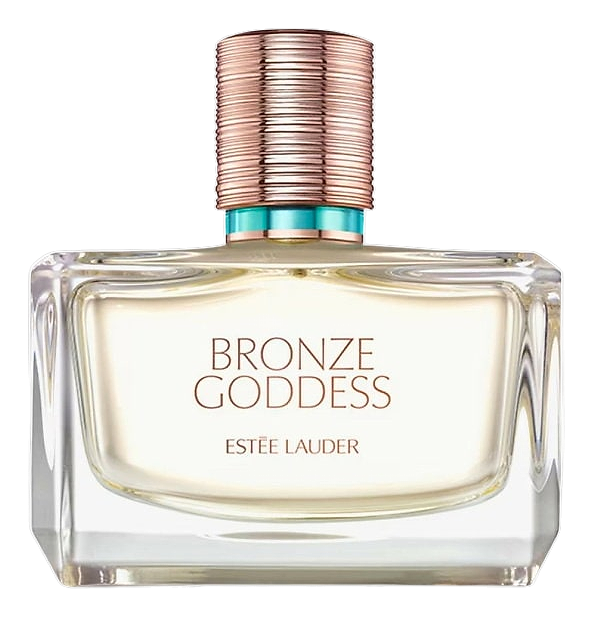
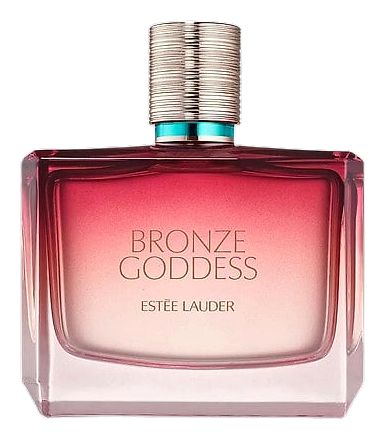
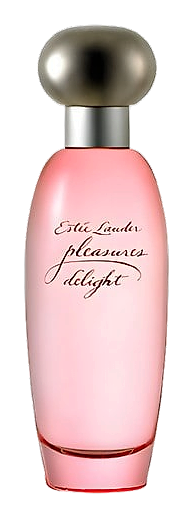
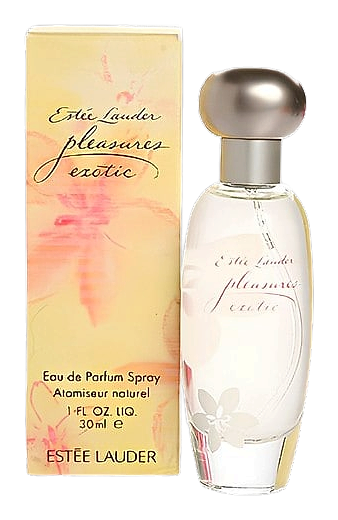
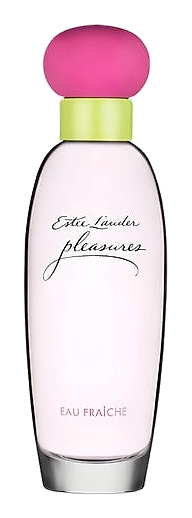
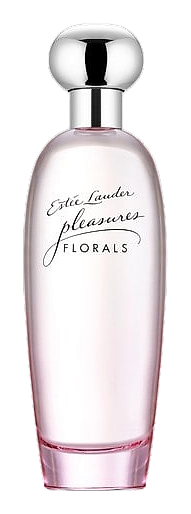
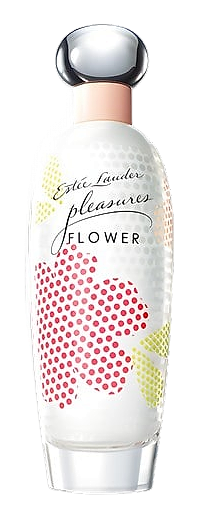
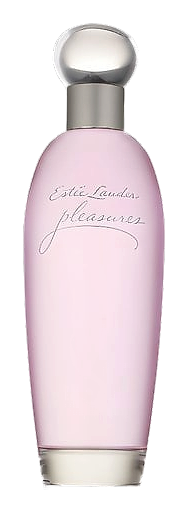
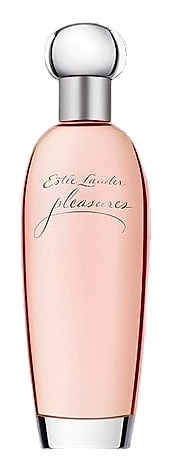
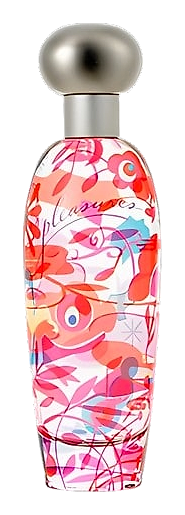
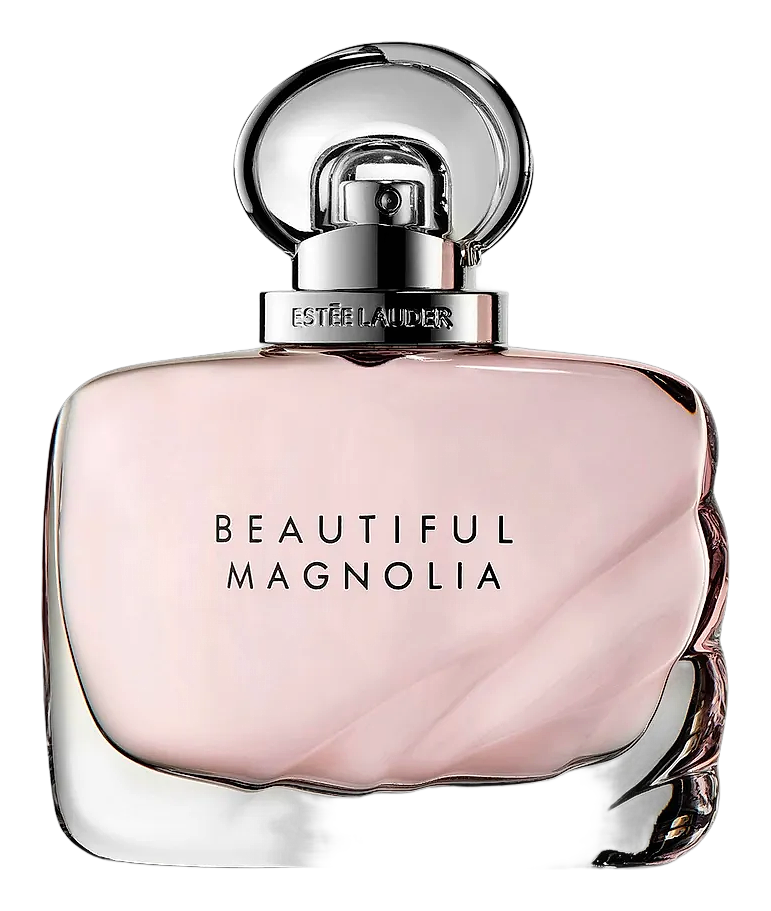
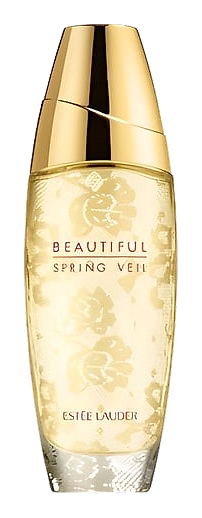
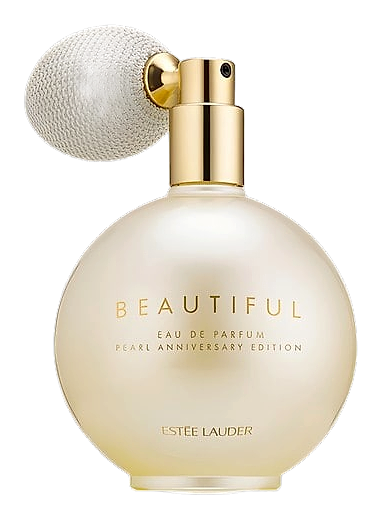
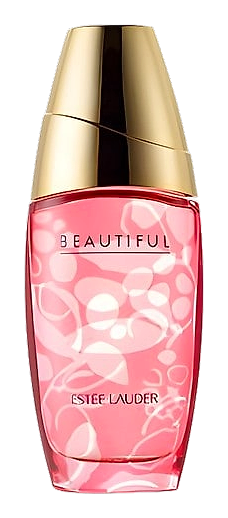
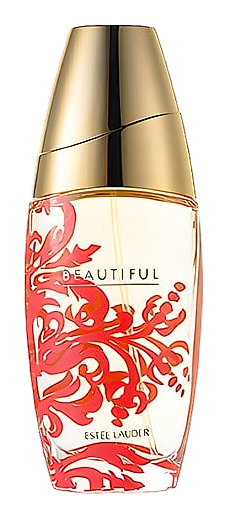
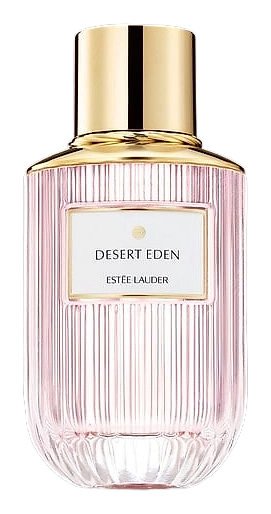
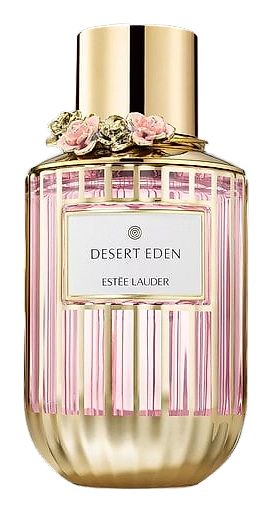
Estée Lauder began in 1946, when Josephine Esther Mentzer and her husband Joseph Lauder launched a small cosmetics venture in New York City. The early years were defined by persistence: Estée personally sold her products in beauty salons and department stores, often offering demonstrations to win over skeptical buyers. A pivotal breakthrough came in 1947, when the company secured its first major order, valued at $800, from Saks Fifth Avenue. The house entered fragrance history in 1953 with Youth-Dew, a bath oil that doubled as a perfume. Before its launch, fine fragrance was largely sold by the drop and reserved for special occasions. Youth-Dew changed that, giving women an accessible, everyday luxury and establishing a model that would influence the industry for decades. Over the following decades, Estée Lauder expanded its fragrance portfolio with iconic compositions including White Linen (1978), Beautiful (1985), and Pleasures (1995). The company also grew through strategic acquisitions, most notably bringing Jo Malone London into the fold in 1999. Through continuous releases and limited editions, the house has maintained a steady presence in fragrance while honoring its founder's original vision of accessible American elegance. Estée Lauder's creative vision rests on the belief that fragrance should be worn daily, not saved for ceremony. This idea, revolutionary when Youth-Dew debuted, continues to shape the house's approach. Each composition is designed to feel wearable, flattering, and emotionally resonant, rather than rarefied or intimidating. The house operates on a duality: classic florals like Beautiful sit alongside warmer, more sensual creations such as Sensuous, while seasonal editions like Bronze Goddess Aegea and Desert Eden capture specific moods and moments. This range reflects an understanding that modern fragrance wardrobes require variety. A single woman might reach for a crisp white floral in spring, a rich amber in winter, and a sun-warmed scent at the beach. Above all, the brand prioritizes accessibility without compromising on quality. Every fragrance is crafted by established perfumers using high-grade materials, yet presented in formats and price points that invite regular use. This democratic spirit, giving women permission to enjoy fine fragrance as part of everyday life, remains the house's defining contribution to modern perfumery.