The Story
Why it exists.
The beginning
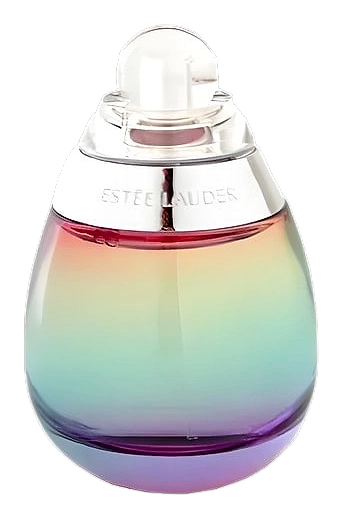
Calice Becker created Beyond Paradise in 2003 with access to something most perfumers never get: ingredients from the Eden Project, the largest botanical conservatory in Europe. Located in Cornwall, England, the Eden Project houses rare and exotic plants under its famous biomes, and Becker used that access to source botanical rarities that had never appeared in perfumery before. Jabuticaba berries, Italian honeysuckle, Natal plum blossom, mahonia, materials with names most people had never heard. The goal was translation: take the idea of a perfect, lush paradise and make it wearable. Not literal, but felt. The name says it all.
What makes Beyond Paradise unusual isn't just the ingredients, it's how Becker handled them. Heavy white florals often become cloying in heat, but the synthetic hyacinth here acts as a cooler, almost aquatic counterweight. Gardenia and jasmine build thick and rich, yes, but the opening keeps them grounded in something cleaner. Ambrette seed, musk mallow, brings a softly animalic warmth to the base that prevents the composition from feeling purely theoretical. It's tropical without collapsing under its own weight.
The evolution
The opening hits like a warm greenhouse. Hyacinth, synthetic, cool, slightly soapy, arrives first with the Eden mist accord, that watery green effect that keeps things from getting too heavy too soon. Bergamot and orange blossom add brightness on top, while jabuticaba brings a tropical berry tartness. The heart is where it earns its name: gardenia leads, jasmine follows close behind, honeysuckle winds through, orchid and mahonia deepen the green-floral richness. Then jasmine takes over in the drydown and refuses to leave. Plum wood grounds it, ambrette and amber warm it, hibiscus adds a final floral softness. Six to eight hours on most skin. Closer and warmer as it settles, never loud, but present. The next morning, jasmine and skin-warm wood are still there.
Cultural impact
Released in 2003 during the peak of the luxury fragrance boom, Beyond Paradise arrived at a moment when consumers wanted escape, tropical fantasies, botanical rarities, the sensation of somewhere else. The Eden Project partnership positioned it as something genuinely different: a fragrance built from plants most perfumers had never worked with. Its discontinuation likely reflects shifting market preferences rather than any failure of the composition itself. Those who remember it tend to describe it with a particular fondness, not for what it did, but for what it was. A lush, confident tropical floral that didn't ask permission.