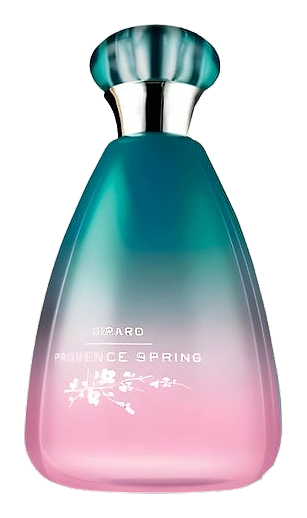

The Story
Why it exists.
The beginning
The name says everything. Beverley Bayne built Provence Spring around a specific sensory memory: the moment in late April when Provence's countryside shifts from green to gold, when the first warm days bring blossoms heavy with scent and the air tastes different. 2008, the perfumer working from that vivid place rather than a brief. She chose Amalfi Lemon for its bright Mediterranean quality, ylang-ylang for its tropical depth, and let the pink rose do the talking in the heart, not white rose, not red, but pink. The choice carries intention: pink rose sits between innocence and seduction, between spring's first flower and summer's fullness.
The clove in the heart is the unexpected move. Spice usually belongs to autumn, to warmth and wool and woodsmoke. Here, it serves a different purpose, it keeps the rose from becoming precious. Without it, Provence Spring would be purely pretty. The clove gives it a pulse, a heartbeat that reads as warmth rather than heat. Combined with the powdery quality that emerges in the drydown, the composition walks a line between the fresh and the intimate, between morning light and evening skin.
The evolution
The opening hits bright and immediate, Amalfi Lemon's sharp citrus cutting through, ylang-ylang already pooling beneath it with its characteristic warm, slightly sweet presence. Within twenty minutes, the hand-off happens: jasmine rises, clove makes its move, and the pink rose asserts itself with a spiced, powdery quality that feels almost like the scent of sun-warmed skin rather than a flower in a vase. This middle phase lasts the longest, three to four hours of intimate floral warmth. The drydown arrives gradually: sandalwood and vetiver root the composition, vanilla adds a quiet sweetness, and musk keeps everything close. By hour five or six, what's left is a soft trace, the memory of the rose more than the rose itself, present mainly to those standing near.
Cultural impact
Provence Spring arrived in 2008 during a period when floral fragrances were making a quiet comeback after years of gourmand dominance. The fragrance occupies an interesting middle ground between traditional Provençal lavender soaps and the more dramatic oriental florals popular at the time. Its use of clove in a pink rose context was relatively unusual for a mass-market release, suggesting a willingness to take risks that few mainstream houses attempted. The Amalfi lemon reference connected the scent to Mediterranean vacation imagery that would later become a dominant fragrance marketing trope.