Pink Rose
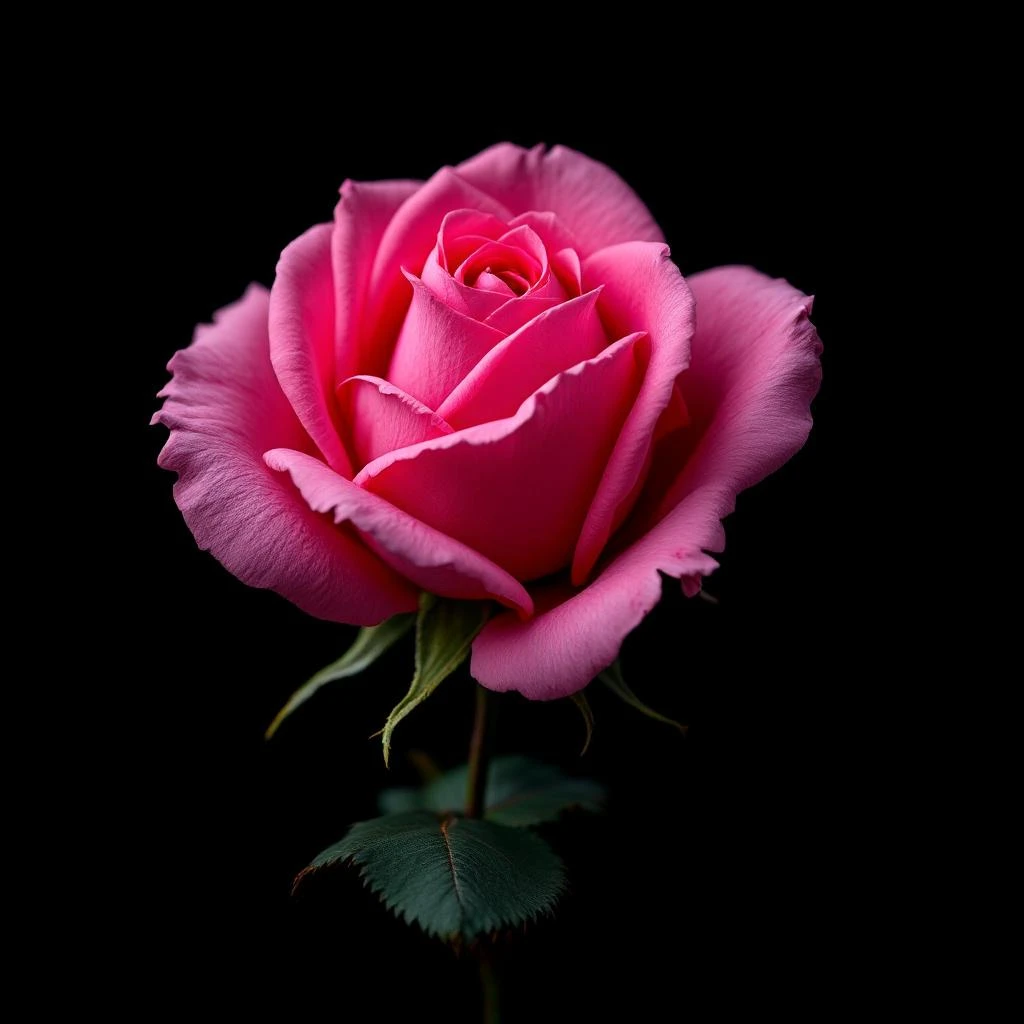
Pink Rose captures the soft, dewy sweetness of rose petals at peak bloom, lighter and more luminous than its deeper-toned counterpart. It carries a honeyed, almost sugared warmth wrapped in green freshness, evoking a garden in full morning light.
Character
How it smells
Soft, sweet, and endlessly romantic
It takes roughly 4,000 pounds of rose petals to produce just one pound of rose absolute, making it one of the most labor-intensive ingredients in perfumery.









Origin
Bulgaria
The rose's presence in perfumery stretches back at least 4,000 years. Ancient Persians distilled rose petals into fragrant oils, and Egyptians incorporated rose into unguents and cosmetics as early as 3000 BCE. The Greeks and Romans crowned the flower as a symbol of love and luxury, using rose water lavishly in baths and banquets.
By the 10th century, the cultivation of Rosa damascena in Persia laid the groundwork for an industry that would later flourish under the Ottoman Empire. Bulgaria rose to dominance in the 19th century, becoming the world's leading producer of rose otto, a title it still holds. In the French town of Grasse, Rosa centifolia earned its nickname 'the May rose' from its brief annual harvest, supplying perfumers with one of the most prized naturals in the craft.
The Victorian era saw rose both distilled from fresh blooms and synthesized in laboratories, cementing its place as the very soul of floral perfumery.
Wears it best
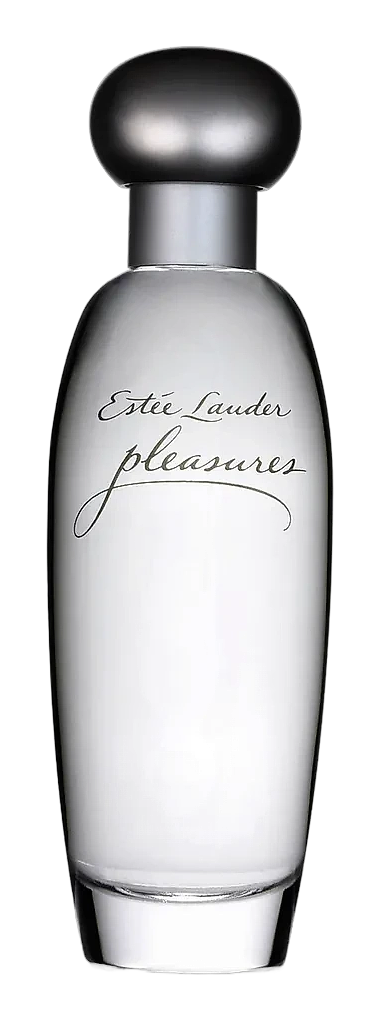
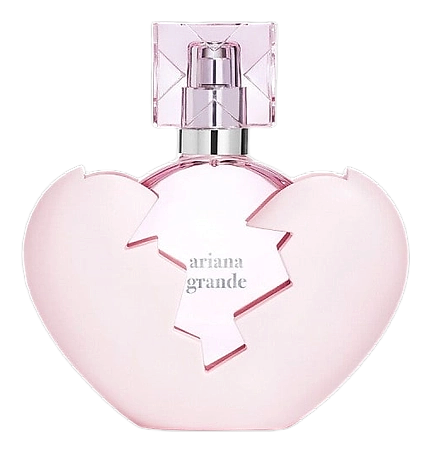
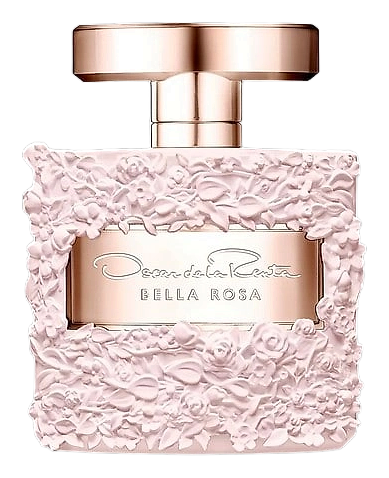
Fragrances featuring Pink Rose

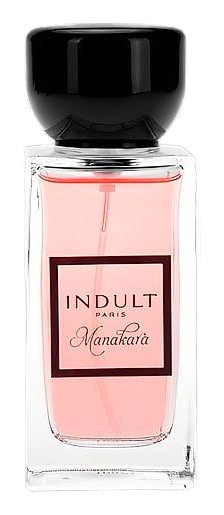
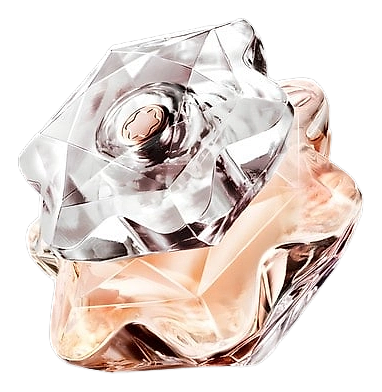
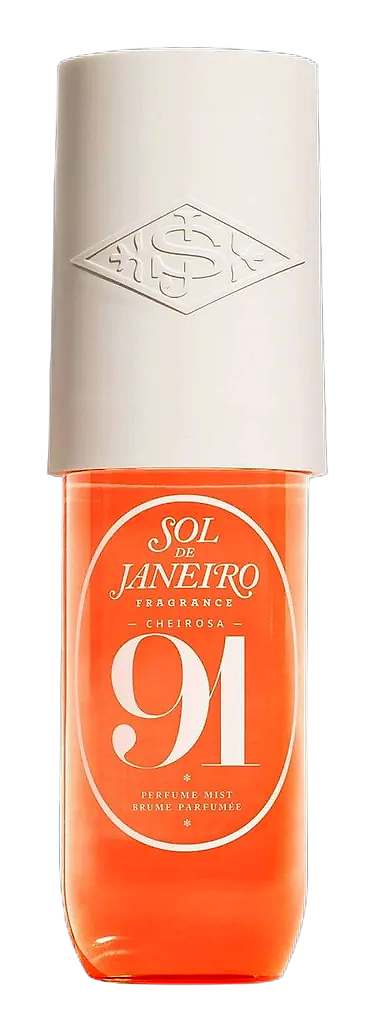
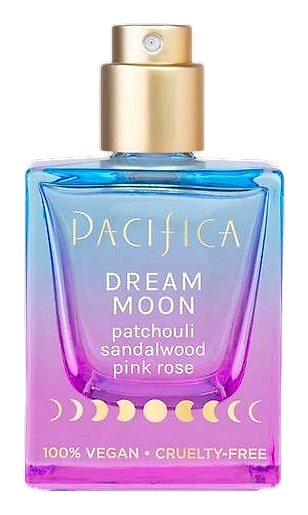
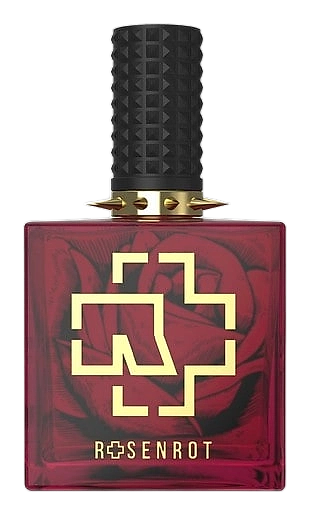
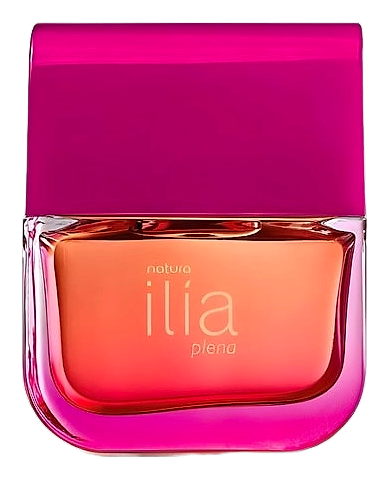
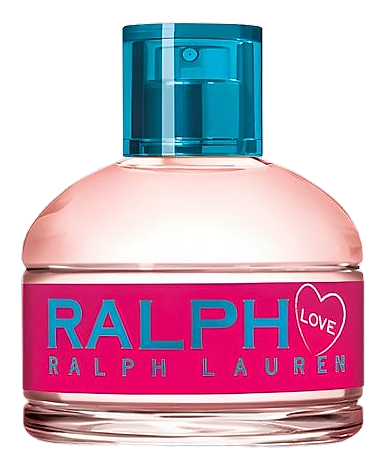

Brands
Brands known for Pink Rose
Good to know
Questions, answered
The essentials on Pink Rose in perfumery: how it smells, where it comes from, and how it behaves on skin.
What does Pink Rose smell like in perfumery?
Pink Rose has a softer, sweeter, and more dewy profile than red rose varieties. It carries honeyed, lightly candied notes balanced by a green, almost linden-blossom freshness, with a powdery softness that feels delicate rather than dense.
How is Pink Rose essential oil produced?
Pink Rose oil is produced mainly through steam distillation of freshly hand-picked petals, yielding rose otto. A secondary method uses solvent extraction to create rose absolute, which captures a slightly sweeter, more rounded aroma.
Is Pink Rose the same as regular rose?
Pink Rose refers to lighter-toned rose varieties like Rosa centifolia, prized for their soft, honeyed sweetness. Regular rose in perfumery often denotes the deeper, more jammy character of Rosa damascena, though both share a floral heart.
Where is Pink Rose most commonly grown?
Bulgaria leads global production of Rosa damascena, while Rosa centifolia is cultivated primarily around Grasse in southeastern France. Both regions have protected designations and centuries-old harvesting traditions.
Why is rose so expensive in perfume?
Rose is expensive because it takes roughly 4,000 pounds of fresh petals to produce one pound of rose absolute. Hand-harvesting at dawn and the short annual bloom window further drive up costs.
Can Pink Rose be synthetic?
Yes. Synthetic molecules like phenylethyl alcohol, geraniol, and citronellol reproduce rose's soft, rosy facets affordably and consistently, and they appear in most modern fragrances alongside or instead of natural extracts.
What perfumeries are famous for using rose?
Houses such as Guerlain, Chanel, and Diptyque have built iconic fragrances around rose. The raw material is sourced primarily from Bulgaria for damascena oil and from Grasse for centifolia absolute.
Is Pink Rose a top, heart, or base note?
Pink Rose is almost always a heart note. Its bright, dewy character provides the central floral structure of a composition, bridging fresh top notes and richer base materials like musk, amber, or woods.




