
The Story
Why it exists.
The beginning
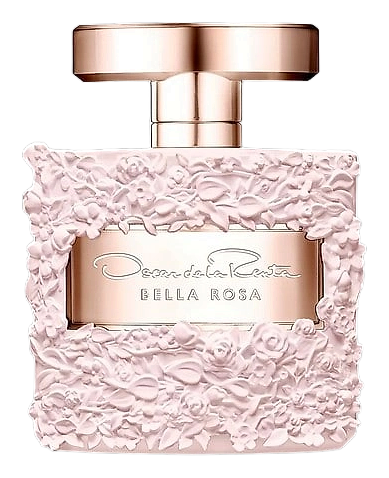
Bella Rosa arrived in 2019 from perfumer Harry Frémont, carrying the house's signature femininity into a modern context. The name says everything, Bella Rosa, beautiful rose, is exactly what it delivers. Frémont built this around a single idea: what if a rose could be elegant without being precious? The brief seems to have been simple, even defiant. A rose that works on a Tuesday.
The composition earns its restraint. Freesia and mandarin orange open clean and crisp, no fanfare, just clarity. The pink rose arrives without pretense, joined by jasmine and orris root for a heart that feels composed rather than confected. What makes it interesting is the base: patchouli and sandalwood don't overpower the florals, they hold them close. Amber provides warmth without sweetness. This is a rose that remembers it grew in soil, not a florist's cooler.
The evolution
The opening lasts maybe fifteen minutes, bright, almost effervescent. Freesia carries the first act, with pink pepper adding a whisper of spice at the edges. Then the rose takes over, but it doesn't rush. The jasmine and orris arrive gradually, layering into something richer and more intimate. By the second hour, the drydown settles. Sandalwood and amber create a warmth that stays close to the skin for the next three to four hours. Patchouli lingers quietly, never animalic, just enough to keep the florals from floating away entirely. On fabric, it lasts longer, the amber seems to catch in cotton and silk, releasing slowly through the evening.
Cultural impact
Bella Rosa arrived at a moment when the fragrance industry was reevaluating what modern femininity smells like. Where 2000s femininity often meant loud, sweet florals, Bella Rosa offered something quieter, a rose that whispers rather than shouts. Its 2019 debut coincided with cultural conversations about women's changing roles, suggesting that strength need not be aggressive. The fragrance found its audience among professionals and creatives who wanted presence without proclamation. Within Oscar de la Renta's lineup, it represented a pivot toward accessibility, proving that house elegance could be achieved at a moderate price point. This democratization of luxury signaled a broader industry shift.