The Story
Why it exists.
The beginning
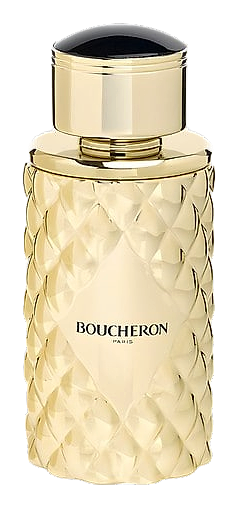
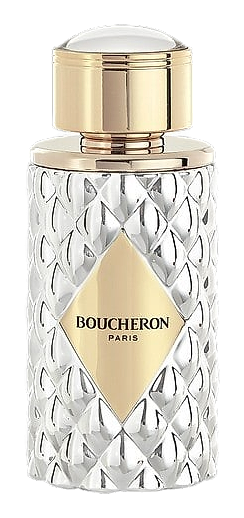
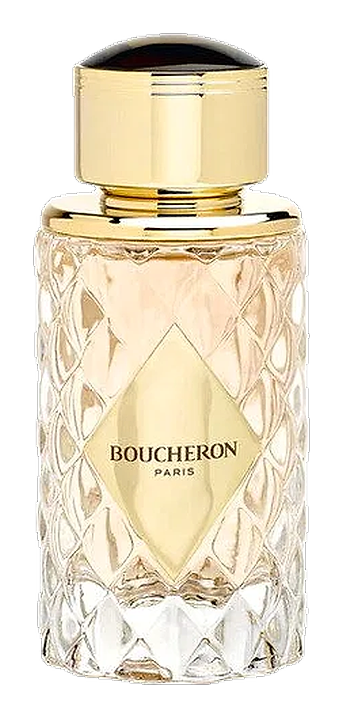
Place Vendôme is named for the address where Frédéric Boucheron opened his first jewelry boutique in 1893, 26 Place Vendôme, Paris. He chose the sunniest corner on the square, flooding his windows with light so passersby could envision his pieces being worn rather than merely observed. That principle of wearability over spectacle became the house's foundation. A century and a quarter later, the fragrance captures the same energy: jewelry as fluid as fabric, light as tangible as gold.
What makes this composition distinctive is how the honey and praline play against the florals. Neither dominates. The honey adds warmth and weight without sweetness overload, while the praline introduces a subtle nuttiness that keeps everything grounded. The pink pepper in the opening isn't there for shock, it's the structural counterpoint, keeping the orange blossom and rose from floating too high. Boucheron treats these materials the way the house treats gems: with the suppleness of fabric.
The evolution
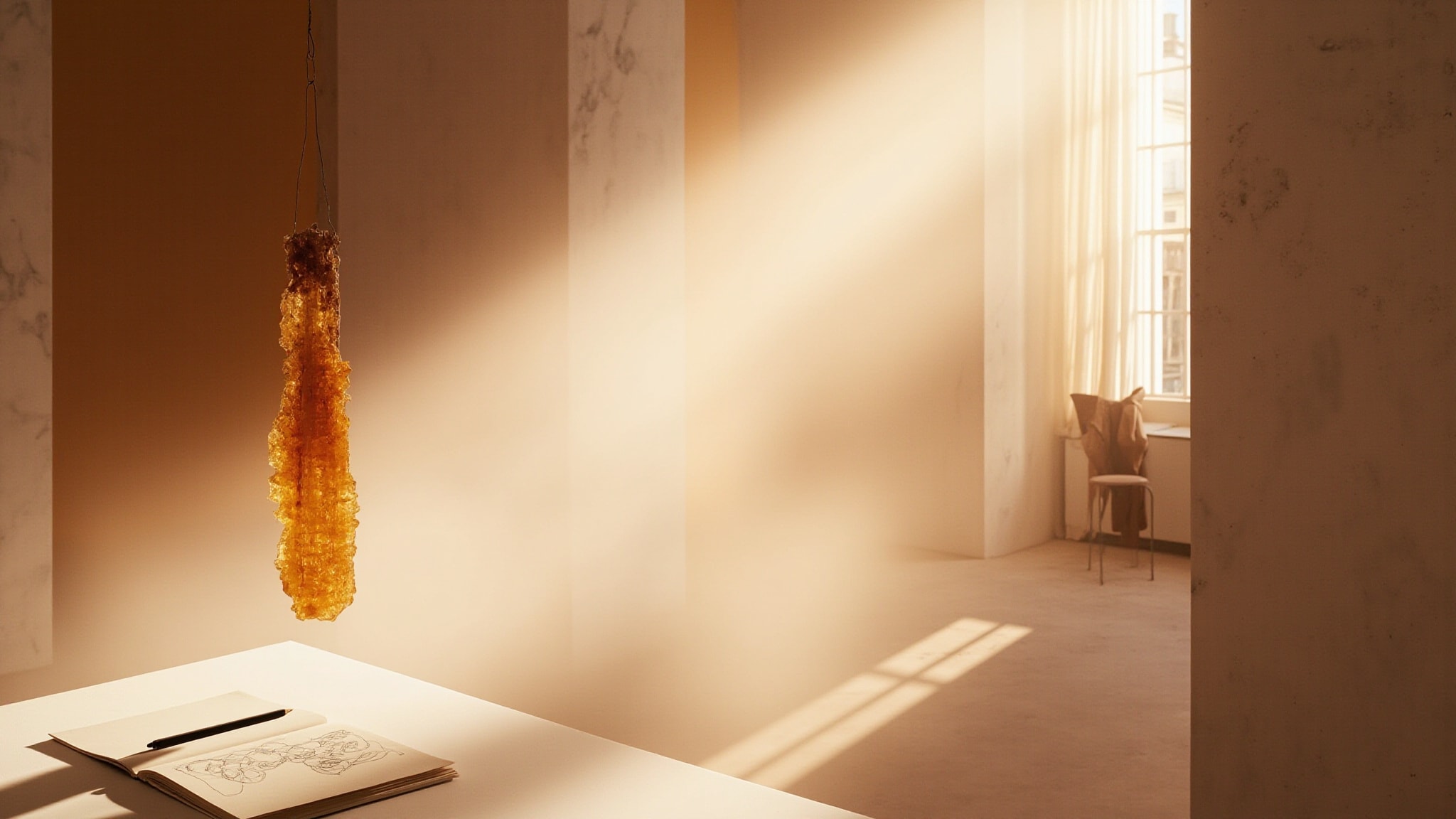
The opening hits bright and clean, pink pepper sparking against orange blossom and rose. For the first thirty minutes, it's crystalline and precise, almost cool. Then the honey arrives. Not all at once. It seeps in, softening the edges, warming the florals from within. Jasmine and peony follow, and the scent takes on a golden quality, late afternoon light, not morning sun. The drydown is where it lives longest. Benzoin and cedar arrive quietly, building a warm, resinous base that stays close to the skin for six to eight hours. Worn on fabric, it lingers until the next wash.
Cultural impact
Place Vendôme occupies a specific space in the fragrance landscape, not the loud, statement florals, not the minimal skin-scents. It's honeyed and warm but composed, earning its place as an everyday fragrance that doesn't apologize for being pretty. Wearers describe it as the scent of someone who doesn't need to announce themselves.