The Story
Why it exists.
The beginning
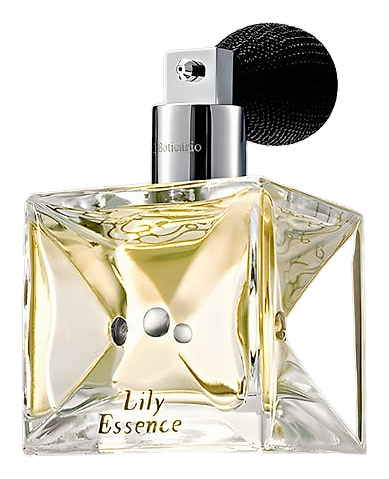
The 2006 brief was simple: white floral, Brazilian soul. O Boticário's perfumers Veronica Casanova Marano and Yves Cassar worked with the house's botanical archives, extracts drawn from the country's diverse flora, from gardenia cultivation in the northeast to osmanthus varieties rarely seen in Western perfumery. The goal wasn't a European-style soliflore. It was a white floral that smelled like it grew somewhere warm, somewhere with real soil. The result is Lily Essence: named for the bulb flower, but built around an entire garden of petals.
The architectural choice here is the powder. Eight florals, lily, jasmine, iris, gardenia, Narcissus, rose, violet, osmanthus, could easily become overwhelming. What keeps it from tipping into chaos is the iris acting as a structural element, its slightly rooty, powdery quality anchoring the florals into something cohesive rather than cloying. Gardenia typically reads creamy; here it contributes a cleaner, almost soap-like facet. The pear and apricot in the top are ripe, not green, they're there to soften the landing before the petals arrive en masse.
The evolution
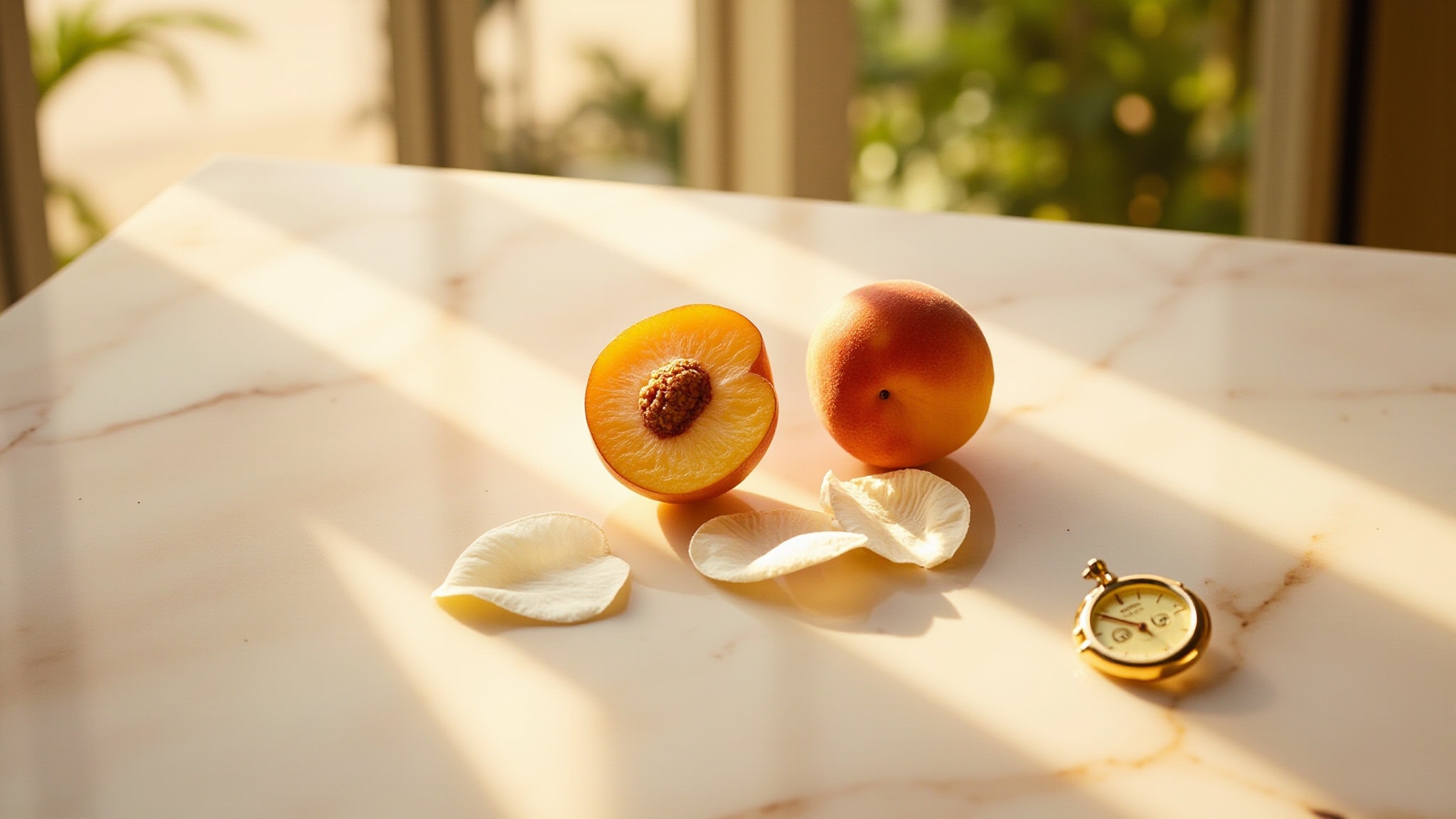
The opening announces itself with pink pepper, a subtle spice that precedes the fruit. Then the peach and apricot arrive, full and sun-warm, with a briefMandarin brightness cutting through before the florals take hold. The heart is where this fragrance earns its name: a lush white floral canopy of lily, jasmine, gardenia, violet. Creamy and intimate, simultaneously clean. By the drydown, sandalwood, vanilla, and amber have settled in, with musk and oakmoss providing just enough animalic warmth to keep it from feeling entirely abstract. The patchouli and vetiver ground everything with an earthy whisper. Moderate sillage means it stays close to the skin, present, not announced. Six to eight hours on most skin types.
Cultural impact
Lily Essence launched in 2006, a period when Brazilian fragrance culture was developing its own vocabulary. The powdery white floral was familiar enough to comfort, but the botanical sourcing and sheer abundance of florals gave it a specificity that set it apart from imported European options. The fragrance found its audience among women who wanted white florals without the sharp edge of more assertive compositions.