
The Story
Why it exists.
The beginning
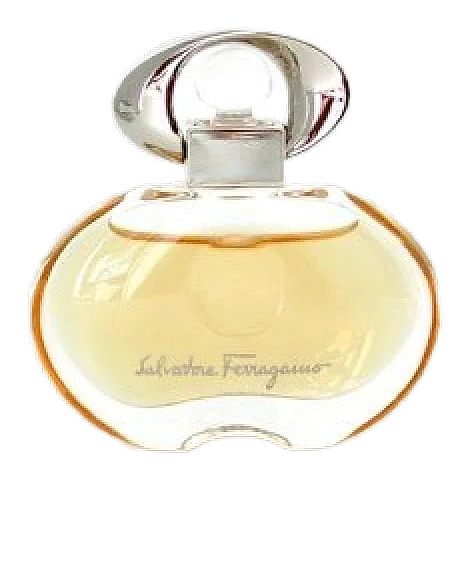
Incanto arrived in 2003, drawing from Salvatore Ferragamo's devotion to feminine beauty. The name itself is a promise, enchantment, transformation, the moment when borrowed becomes belonging. Laurent Bruyère built the scent around sun-ripened stone fruits, a feminine floral heart, and a warm base that stays close. It reads like a modern Cinderella story: sensual, a little magical, rooted in the real world.
The heart of Incanto is where it gets interesting. Peony, jasmine, and red lily form a trio that sounds familiar until you meet the lily. It's not the polite white of a lily arrangement, it's deeper, redder, with a quiet intensity that shifts the whole composition. The jasmine and peony provide the powdery, romantic backdrop while the lily adds dimension and a touch of drama. Sandalwood and white musk hold the base together, warm and intimate without ever becoming heavy.
The evolution
The opening is plum and peach, juicy and immediate, with Jamaican pepper adding a subtle warmth that keeps the fruit from feeling like a default. The pepper doesn't announce itself, it lingers at the edges, a quiet warmth that fades as the heart develops. Within minutes, the lily takes over, pushing past the sweetness into something more floral and slightly heady. This is the fragrance's turning point. The drydown is sandalwood, white musk, and amber, warm, intimate, close to the skin. Expect 6-8 hours of wear on most skin types, with moderate sillage that invites rather than overwhelms.
Cultural impact
Incanto launched in 2003 during a period when fruity-floral fragrances dominated the market, yet it carved a distinct identity through its use of red lily, a note rarely featured prominently in mainstream women's perfumes. Salvatore Ferragamo positioned it as an accessible luxury, bridging the gap between high fashion heritage and everyday wearability. The fragrance became a consistent performer in professional and daytime settings, appealing to women seeking sophistication without overwhelming presence. Its longevity and intimate sillage made it a practical choice for workplace environments, contributing to its longevity in the Ferragamo lineup.