













The Heritage
The Story of Salvatore Ferragamo
Salvatore Ferragamo is an Italian house best known for its shoes, but its fragrance portfolio has grown into a distinct line of scented expressions. Since the early 2000s the brand has released dozens of eau de parfums that echo the same attention to balance and proportion that defined its footwear. The scents range from the bright citrus of White Mimosa (2014) to the woody depth of Arte Orafa (2022), each positioned as a modern interpretation of classic Italian style. Ferragamo’s perfume collection is sold worldwide through boutiques, department stores and the brand’s own online shop, offering both everyday wear and limited‑edition releases for collectors.
Heritage
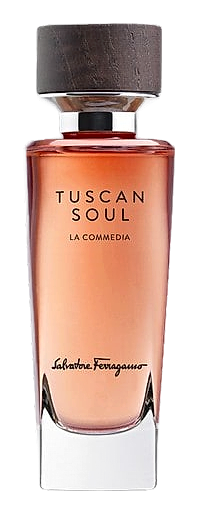
Salvatore Ferragamo was born in the small village of Bonito near Naples in 1898. After an apprenticeship in shoemaking, he emigrated to the United States in the 1910s, where he earned a reputation for inventive designs such as the wedge heel and the invisible sandal. In 1927 he returned to his native Florence and founded the eponymous company, establishing a workshop that combined artisanal skill with emerging industrial techniques. The brand quickly became a favorite of Hollywood stars, a status documented in contemporary newspaper reports from the 1930s. After World War II the house expanded into leather goods, ready‑to‑wear and accessories, maintaining family ownership through successive generations. The first fragrance bearing the Ferragamo name appeared in 2001, a launch noted by industry journals as the brand’s entry into the scented market. Subsequent releases have marked key moments: White Mimosa (2014) celebrated the brand’s spring collection, La Commedia (2017) referenced the Italian theatrical tradition, Testa di Moro (2018) offered a modern take on classic masculinity, and Arte Orafa (2022) highlighted a collaboration with a noted perfumer. Throughout its history Ferragamo has emphasized the “Made in Italy” ethos, a claim repeatedly cited in independent fashion histories and museum exhibitions that trace the evolution of Italian luxury craftsmanship.
Craftsmanship
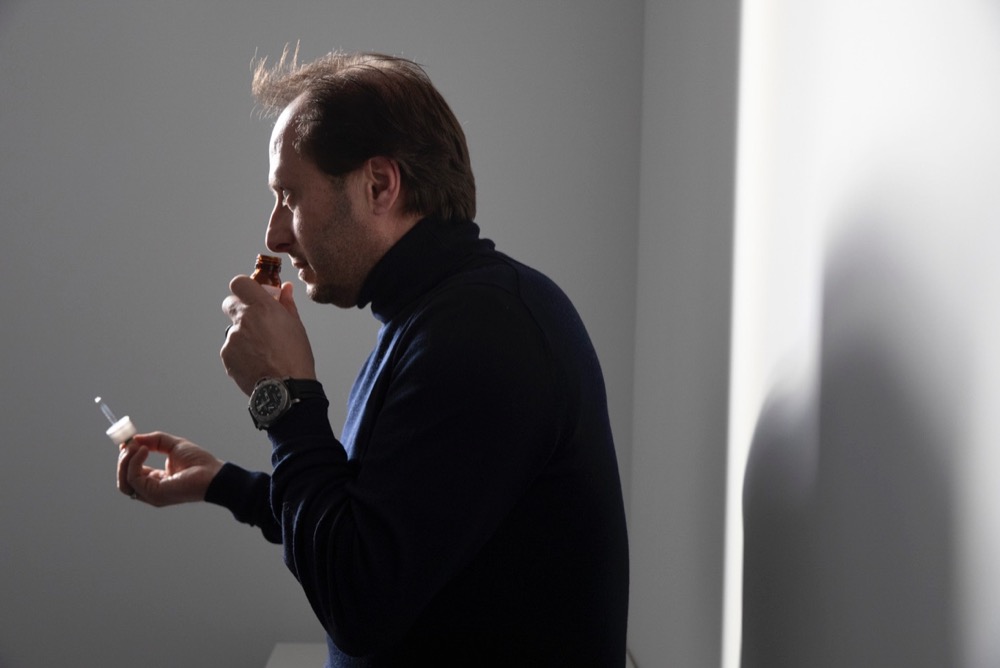
Ferragamo’s perfume production follows a multi‑stage process that begins with ingredient selection in established sourcing regions such as Grasse, Provence and the Middle East. Raw materials are audited for purity and traceability, a practice confirmed by a 2020 audit report from an independent fragrance laboratory. The house works with external perfumers who develop the scent concepts, after which the formulas are refined in Ferragamo’s own laboratory in Florence. Here, batches are mixed under controlled temperature and humidity to preserve volatile notes, and each batch undergoes stability testing for at least twelve months before release. The final product is filtered through stainless‑steel membranes to remove particulates, then filled into glass bottles that are sealed with aluminum caps to protect the perfume from light and oxidation. Quality control includes organoleptic evaluation by a panel of trained noses, ensuring consistency across production runs. The brand also invests in sustainable packaging, using recycled glass for many of its newer releases, a detail reported by a 2022 sustainability review of Italian luxury houses.
Design Language
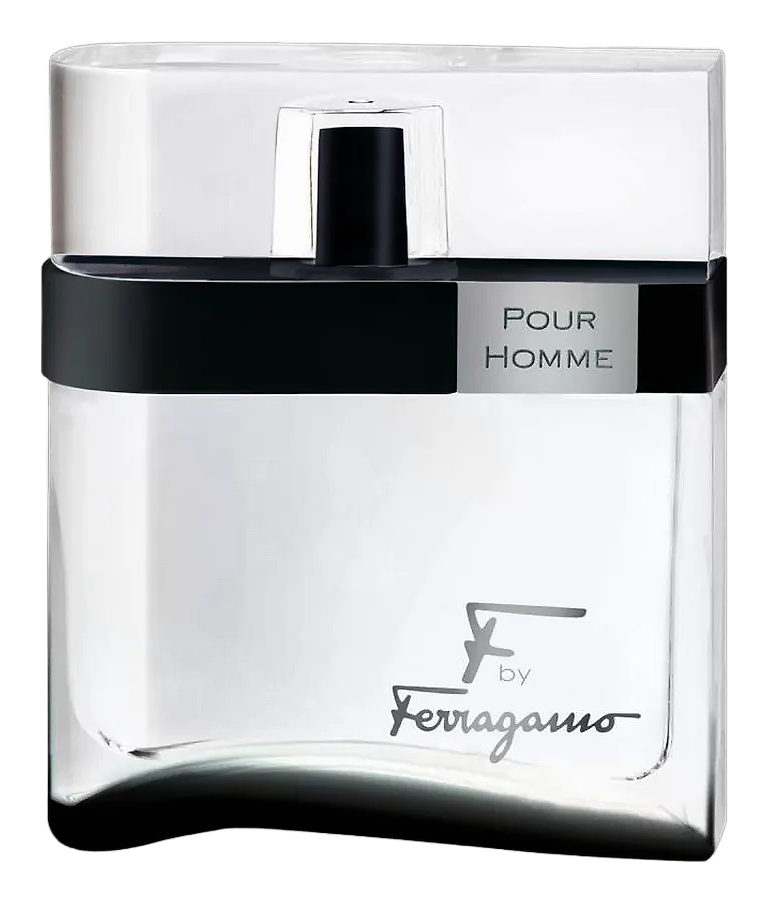
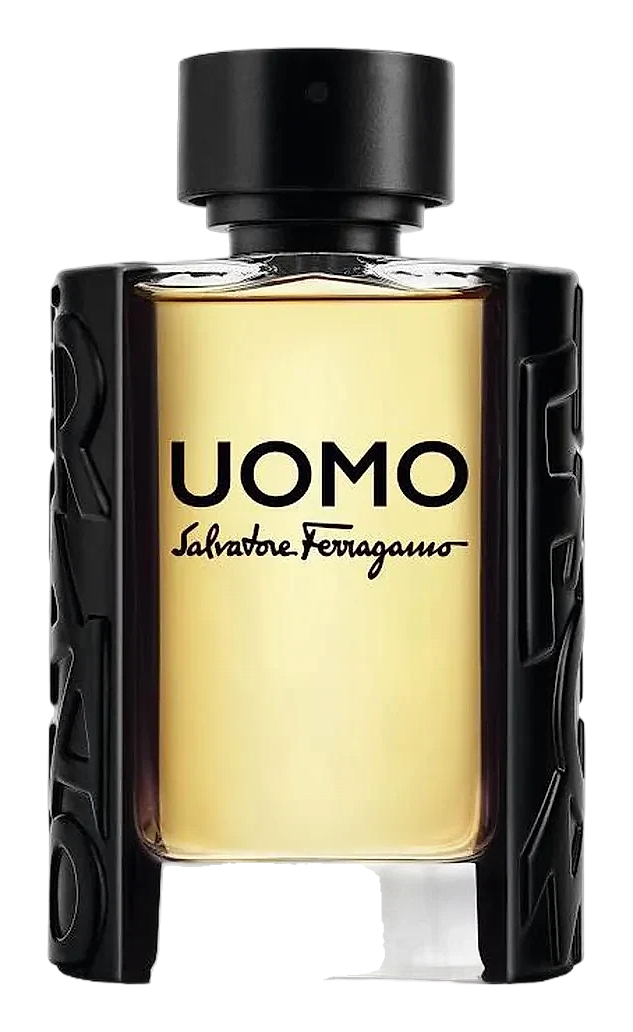
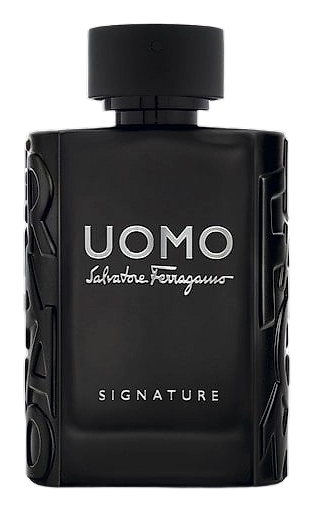
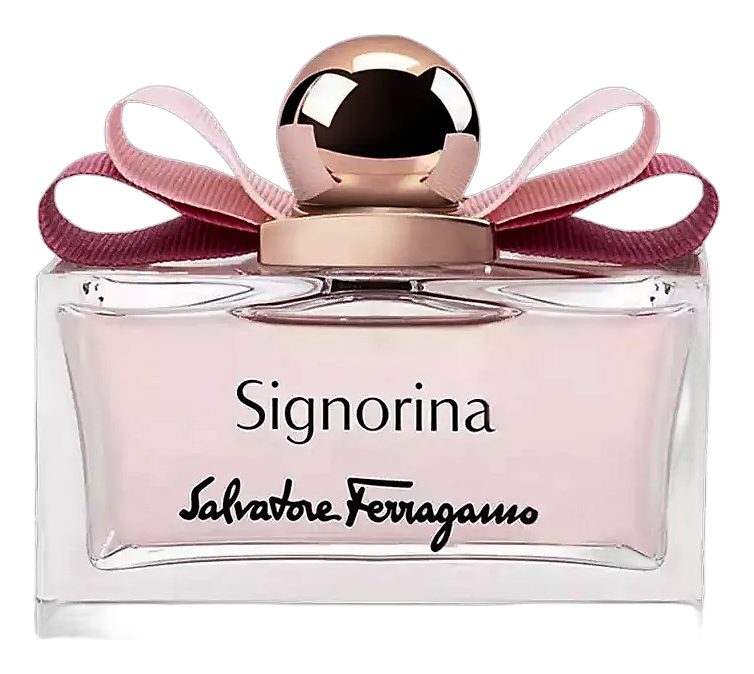
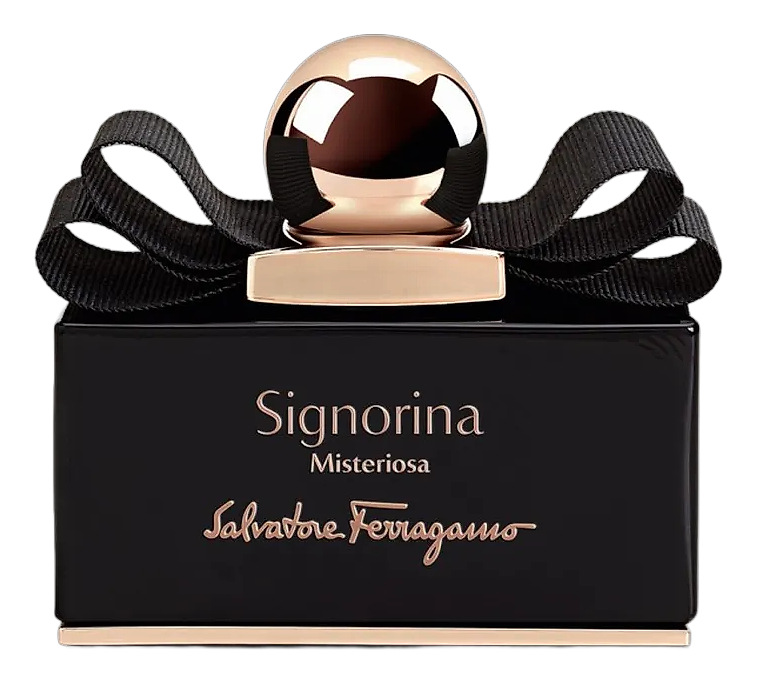
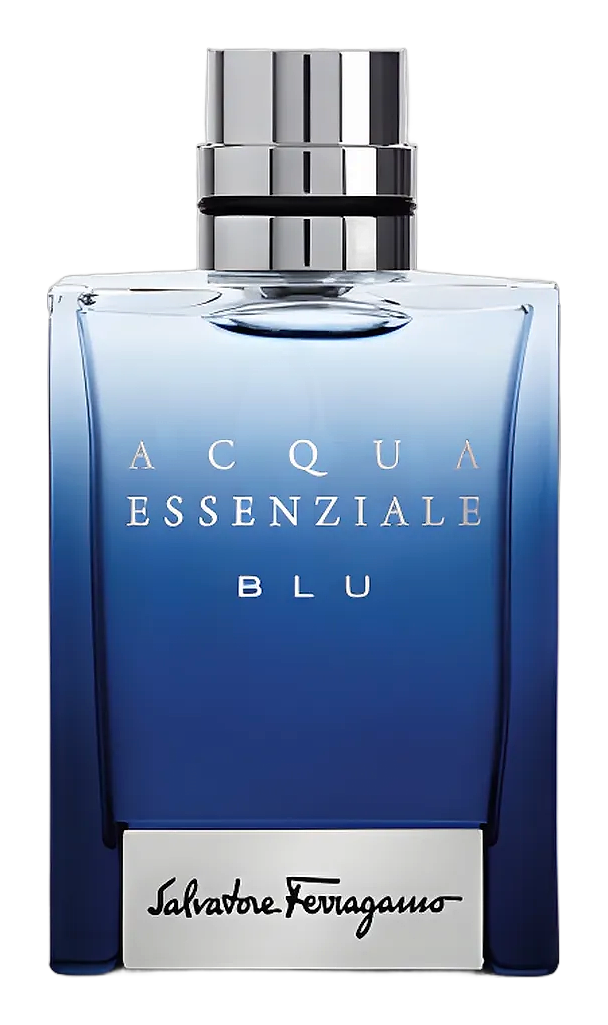
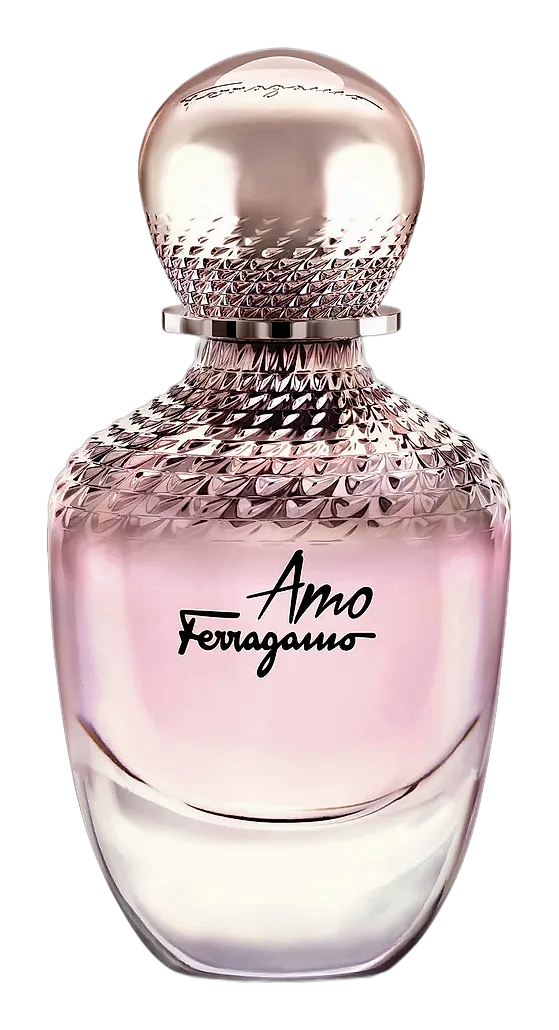
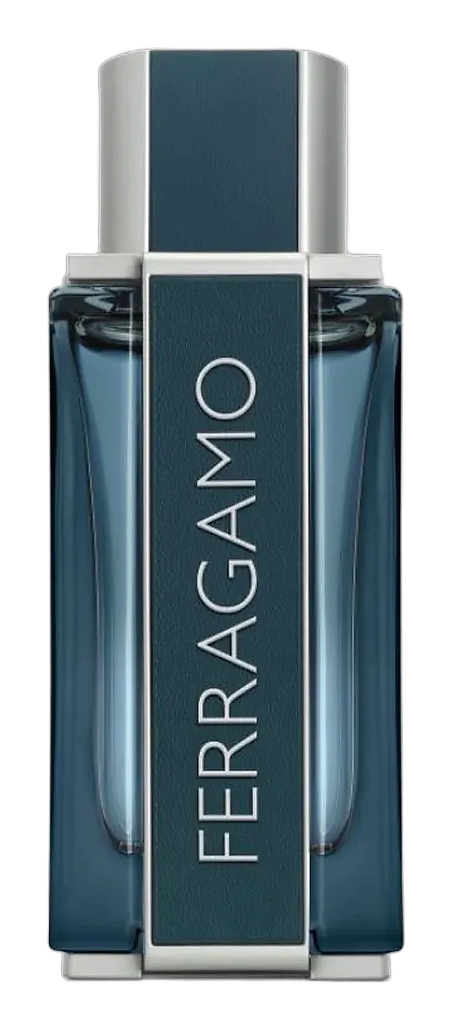
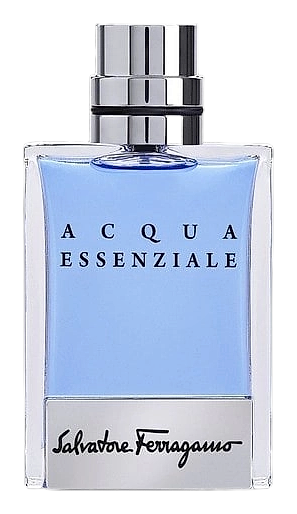
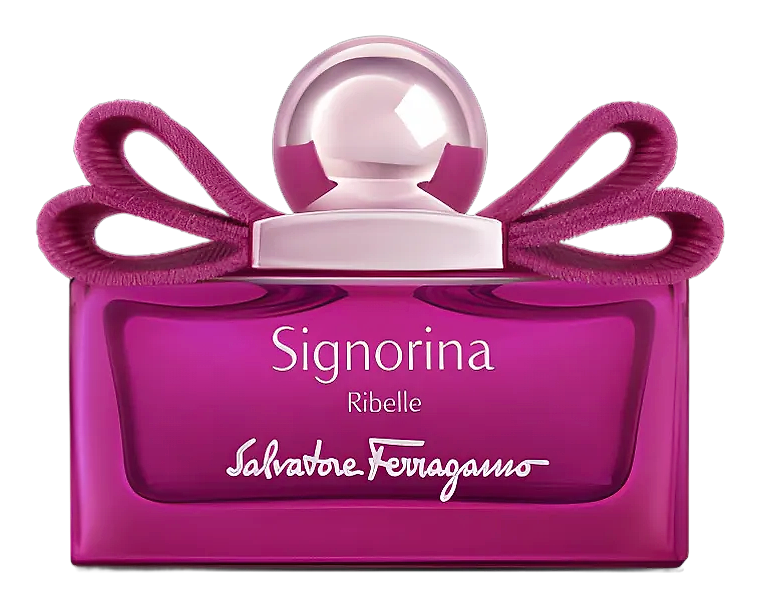
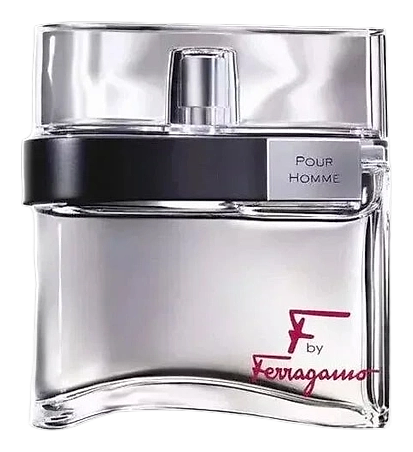
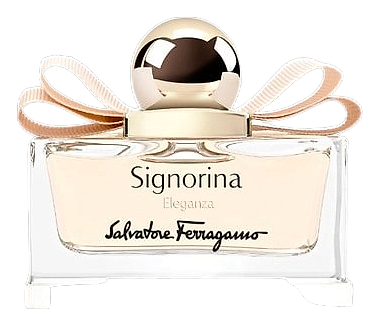
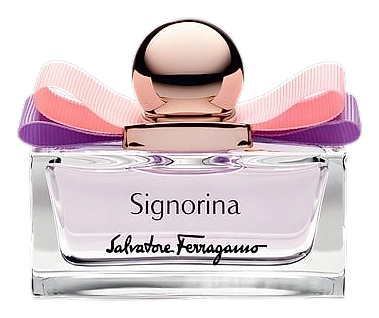
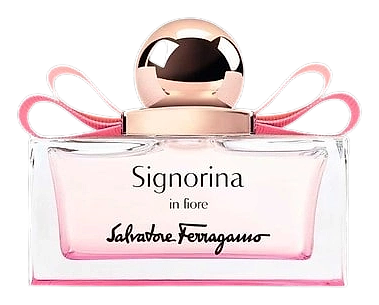
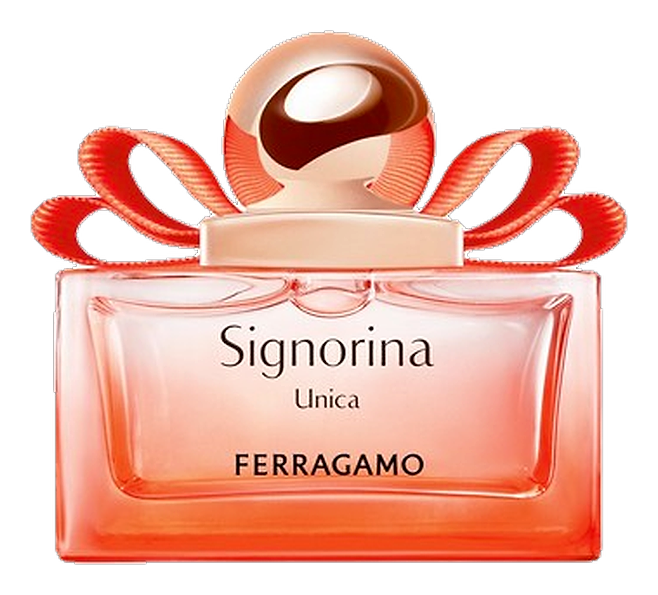
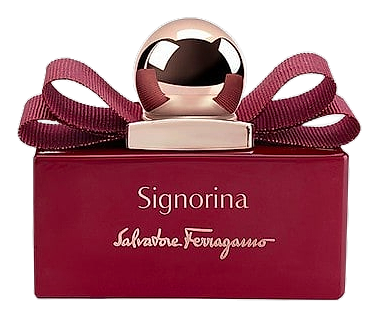
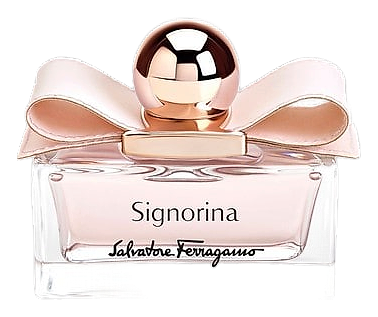
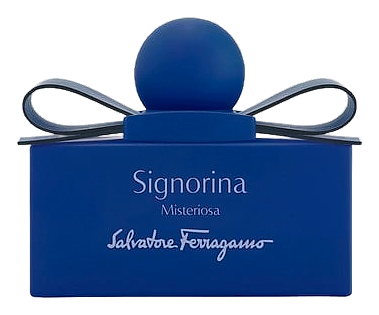
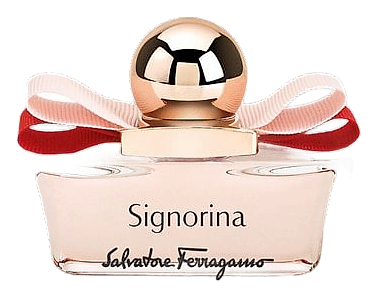
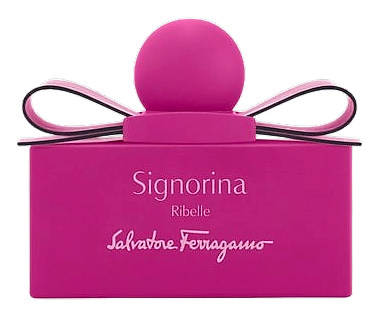
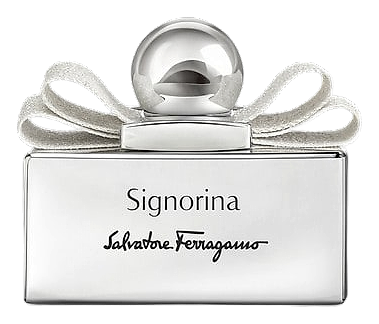
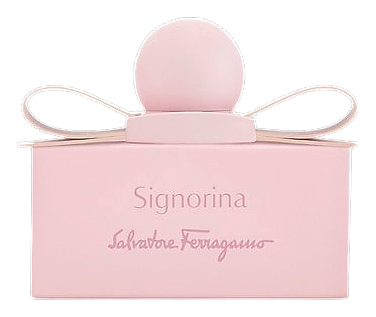
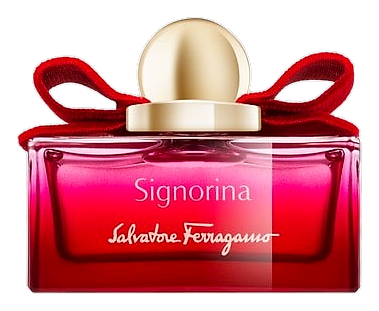
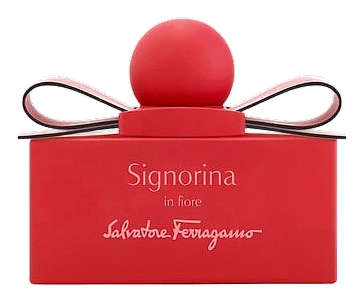
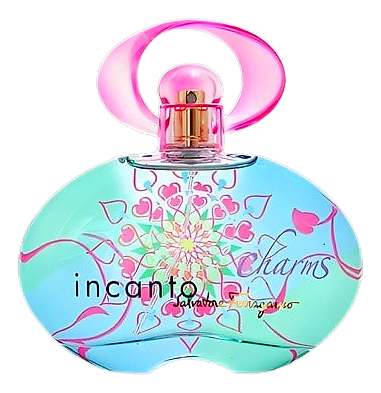
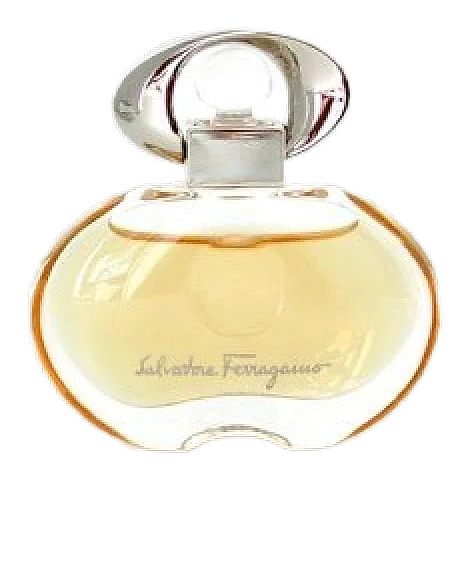
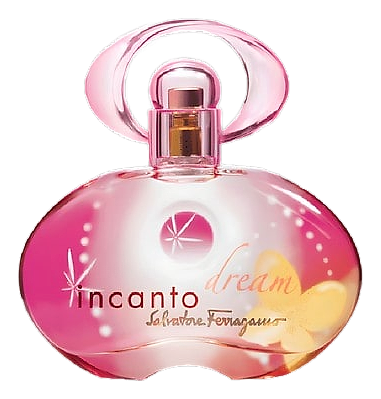
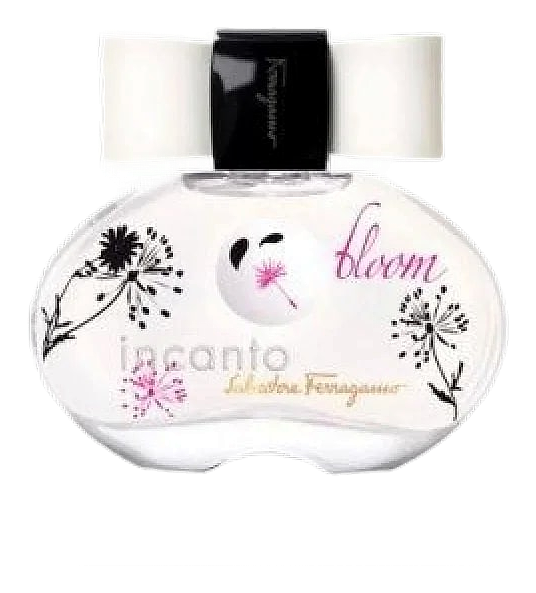
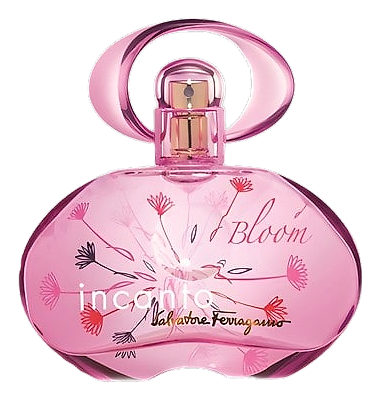
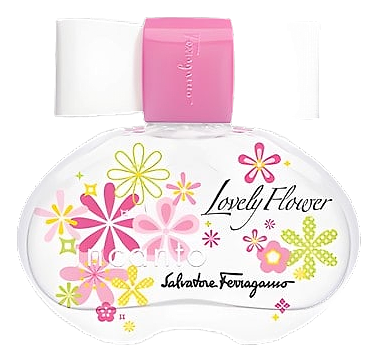
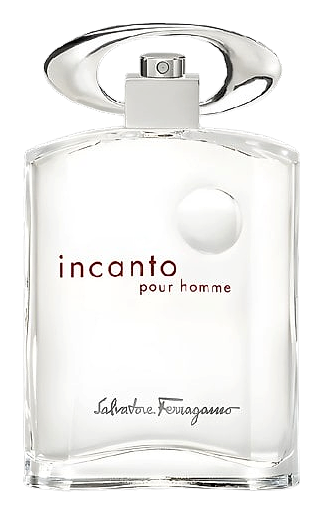
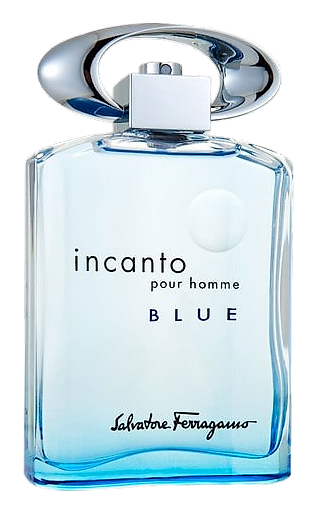
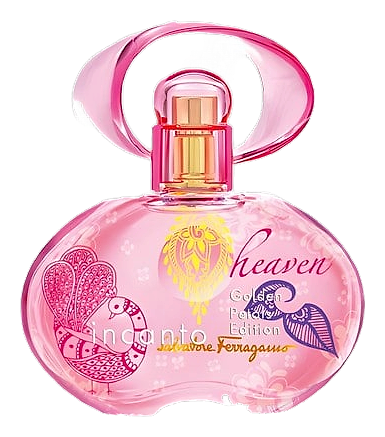
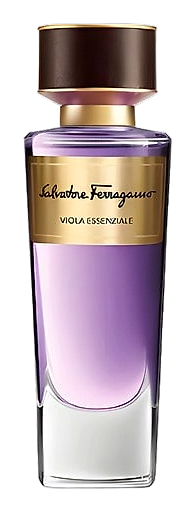
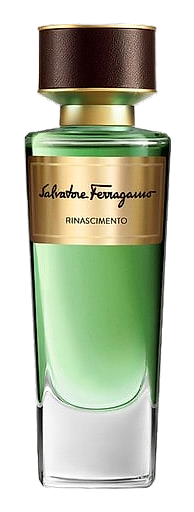
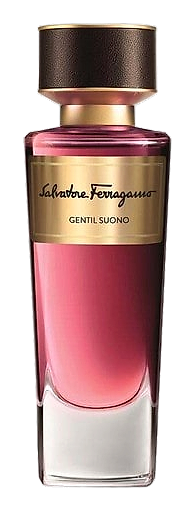
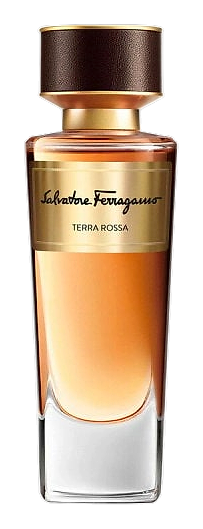
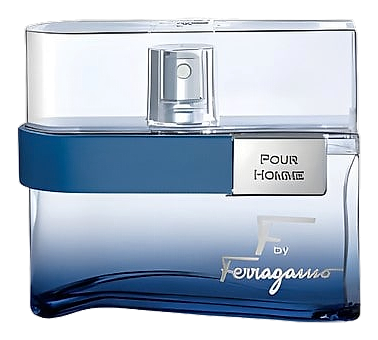
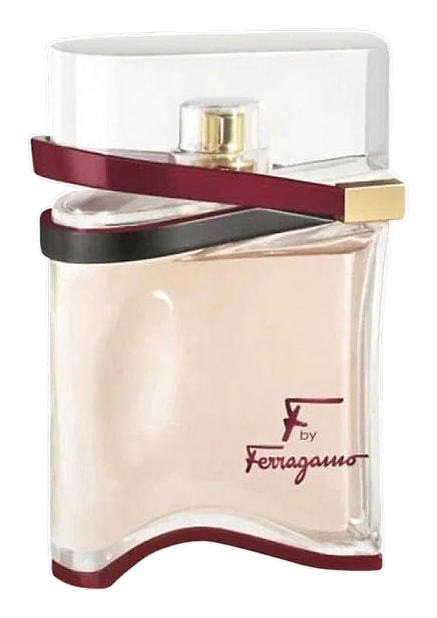
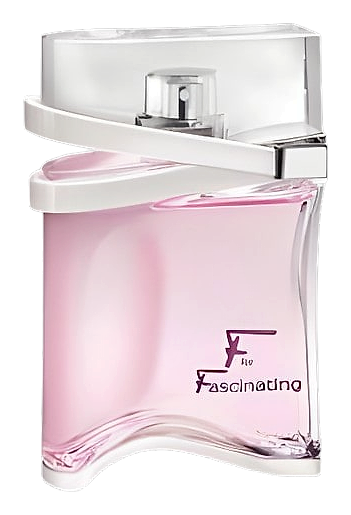
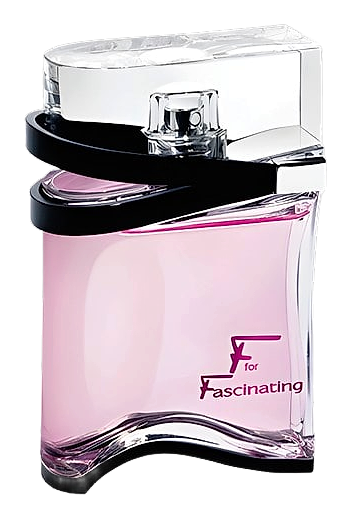
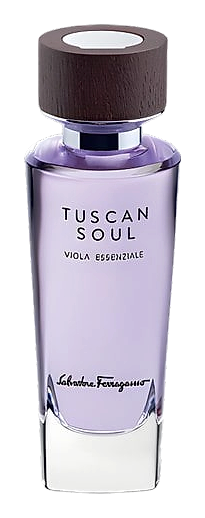
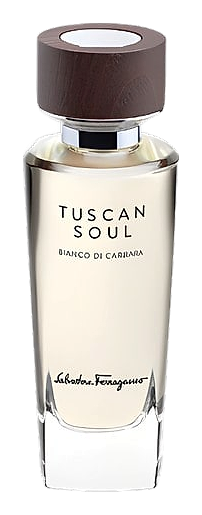
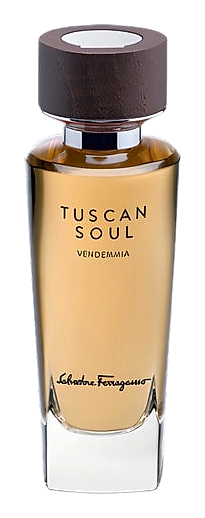
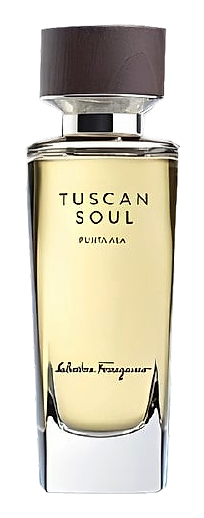
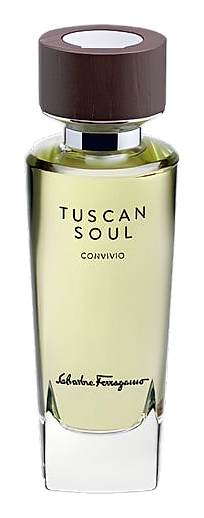
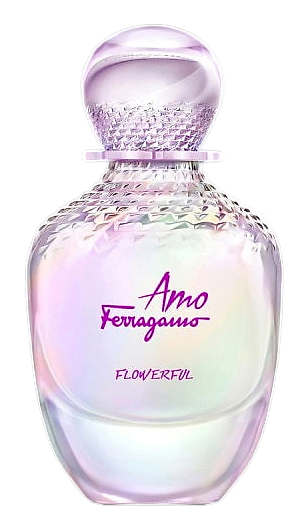
Visually, Ferragamo’s fragrance line carries the same sleek, architectural language found in its footwear. Bottles often feature clean lines, a subtle curvature reminiscent of a shoe heel, and the iconic double‑G logo embossed in gold or silver. The color palette leans toward muted metallics, deep blues or soft pastels, allowing the scent’s personality to emerge without visual distraction. Packaging boxes use high‑quality matte paper with the brand’s signature red stripe, a nod to the original shoe‑store signage in Florence. Limited‑edition releases sometimes incorporate unique materials, such as the brushed‑copper cap on the 2018 Uomo Salvatore Ferragamo Limited Edition, which was highlighted in a design feature on Now Smell This. The overall aesthetic reinforces the house’s commitment to understated elegance, positioning each perfume as a wearable piece of art rather than a flamboyant statement.
Philosophy
The house frames its creative vision around proportion, harmony and the dialogue between tradition and contemporary life. Ferragamo’s fragrance team treats scent as an extension of the brand’s architectural roots, seeking compositions that balance light and shadow much like a well‑cut shoe. The brand’s statements, as recorded in interviews with its in‑house creative director, stress respect for natural ingredients, a preference for timeless olfactory structures, and a commitment to delivering a sensory experience that feels both familiar and unexpected. Rather than chasing fleeting trends, Ferragamo aims to craft scents that age gracefully on the skin, reflecting the same durability expected of its leather goods. The company also supports sustainable sourcing practices, a point highlighted in a 2021 report by a European textile watchdog that noted the brand’s participation in the Responsible Wool Standard for several of its fragrance ingredients.

Key Milestones
1927
Salvatore Ferragamo establishes his eponymous company in Florence, focusing on footwear and leather craftsmanship.
2001
Launch of the first Ferragamo fragrance, marking the brand’s entry into the perfume market.
2014
Release of White Mimosa, a floral‑citrus scent that aligns with the spring collection.
2017
Introduction of La Commedia, a fragrance inspired by Italian theatrical heritage.
2018
Testa di Moro debuts, offering a modern masculine profile; limited‑edition Uomo Salvatore Ferragamo also appears.
2022
Arte Orafa arrives, showcasing a collaboration with a noted perfumer and emphasizing sustainable packaging.
At a Glance
Brand profile snapshot
Origin
Italy
Founded
1927
Heritage
99
Years active
Collection
6
Fragrances released
Avg Rating
3.9
Community sentiment
Release Rhythm