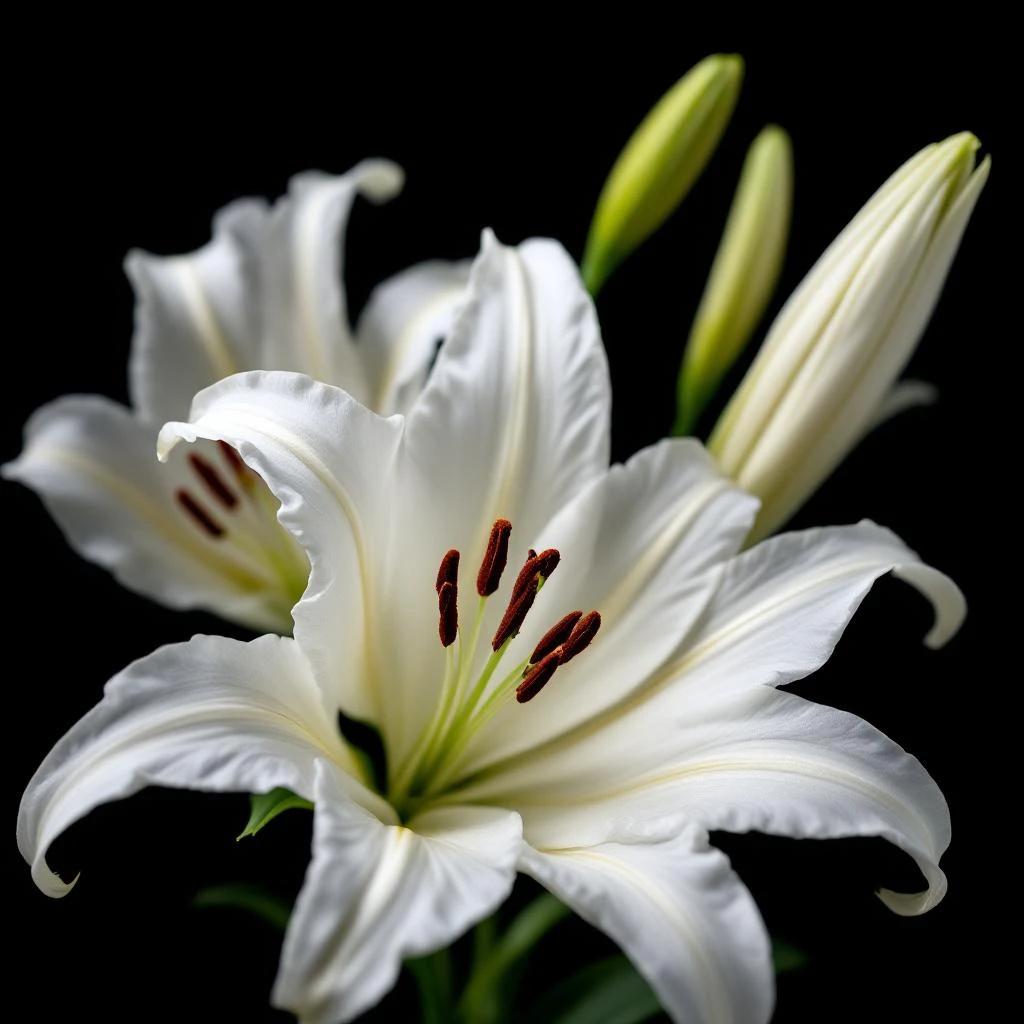
Red Lily
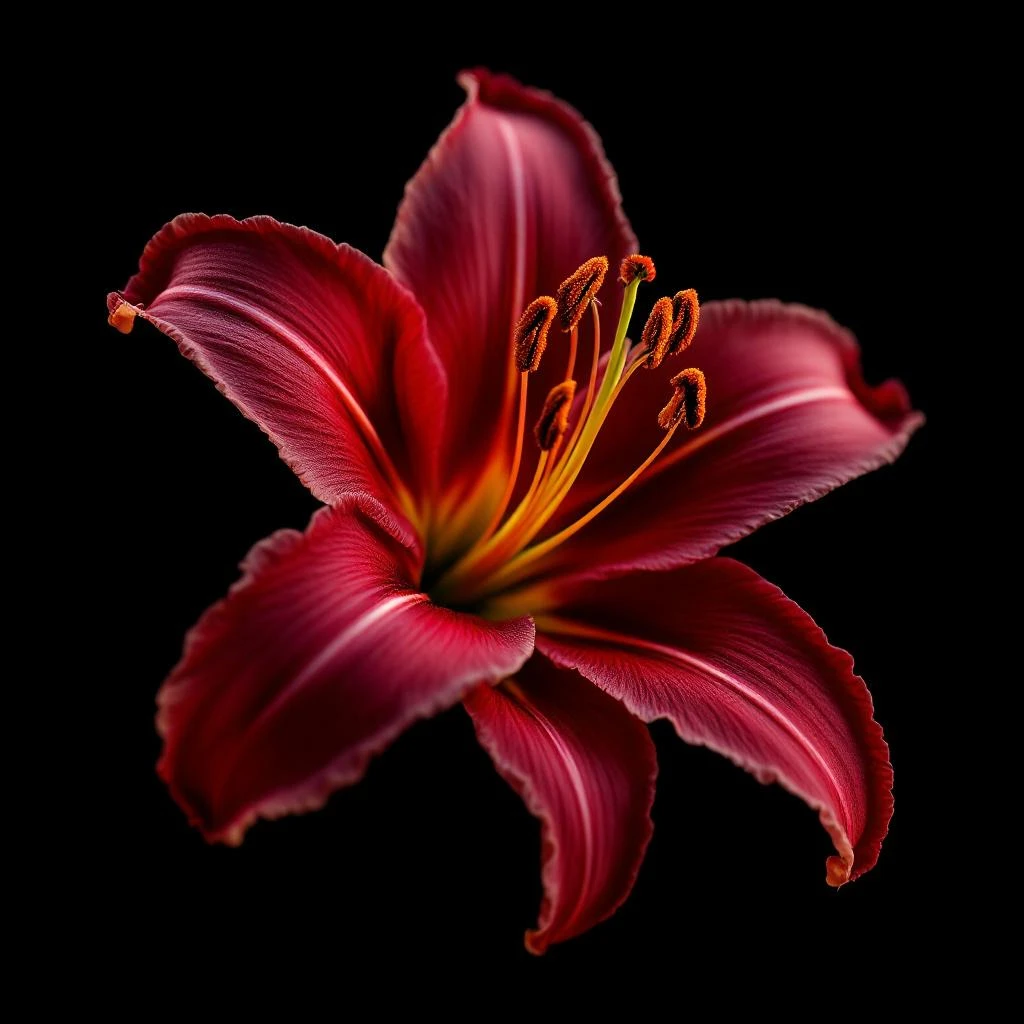
Red Lily carries the weight and richness of velvet petals. Deep, saturated, and intensely sensual, this note brings honeyed sweetness and a creamy, almost spicy floral depth that defines the heart of many legendary fragrances.
Character
How it smells
Wild crimson petals, deeply romantic
Lilies are mute flowers, yielding almost no extractable fragrance naturally. Perfumers reconstruct their scent using synthetic molecules.







Origin
Japan
Lilies held profound significance across ancient Mediterranean cultures. The Greeks and Romans prized lilies for their beauty and incorporated them into fragrant oils and cosmetics. The Madonna lily held particular religious significance in ancient Egypt, appearing in tomb paintings, and in ancient Greek mythology where it symbolised femininity and fertility. The Romans used lilies widely in perfumery and cosmetics.
The flower's sacred status extended into early Christian art, where white lilies symbolised purity and the Annunciation. By the 19th century, the rise of modern perfumery drove demand for lily absolutes through solvent extraction, producing potent materials that remain among the costliest in perfumery. The name itself derives from the Greek word leirion, unchanged across millennia of use.
Wears it best
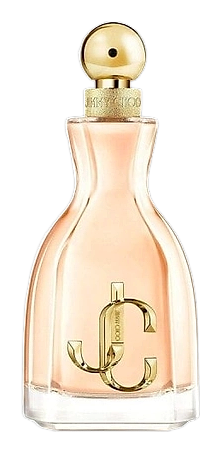
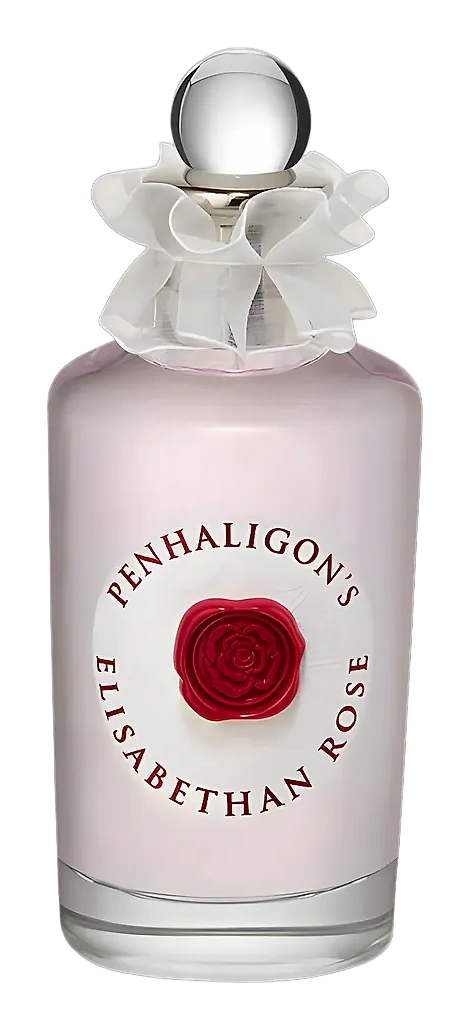
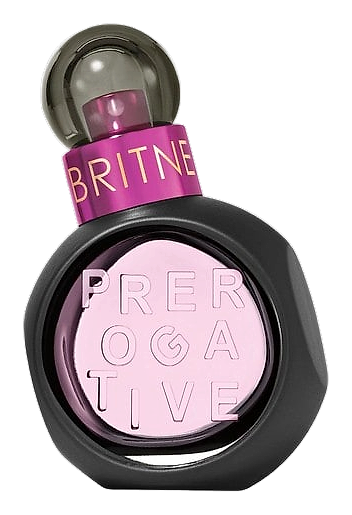
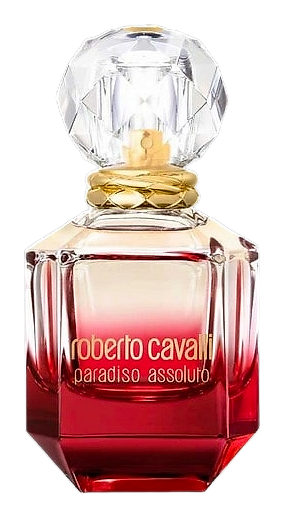
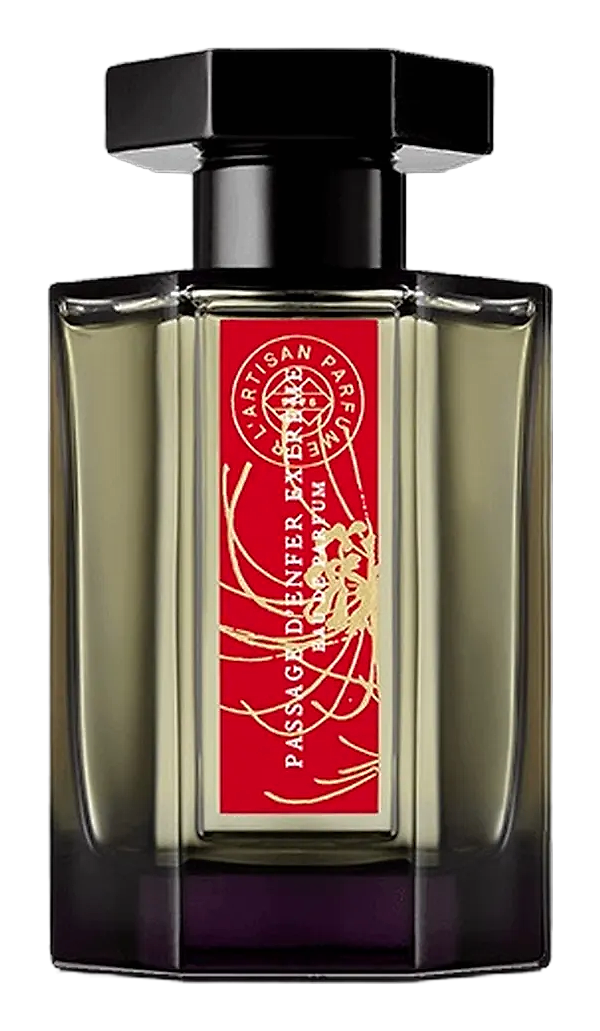
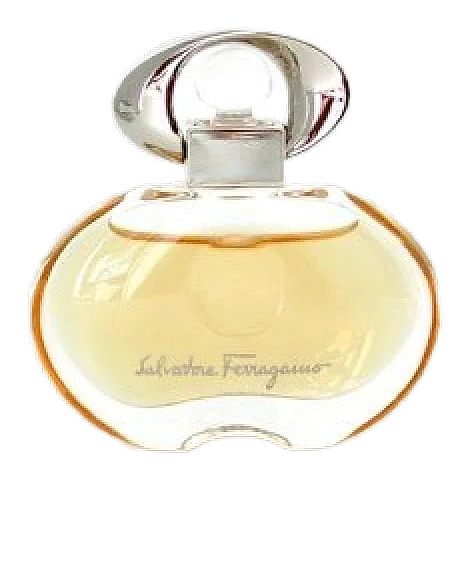
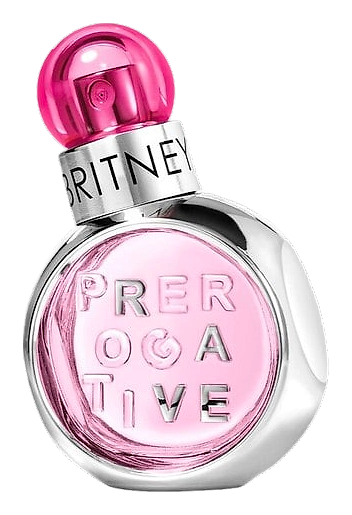
Fragrances featuring Red Lily
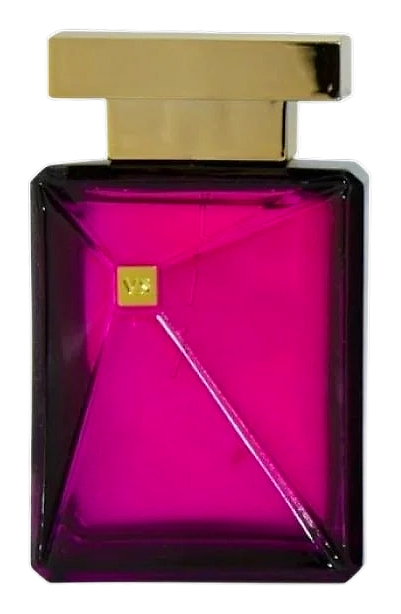
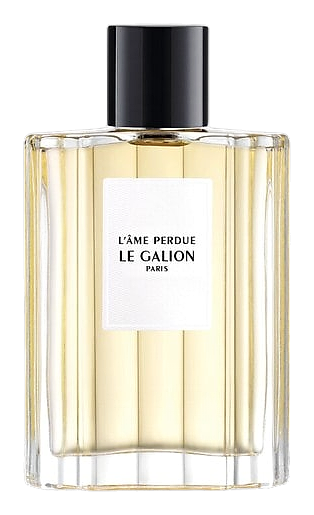
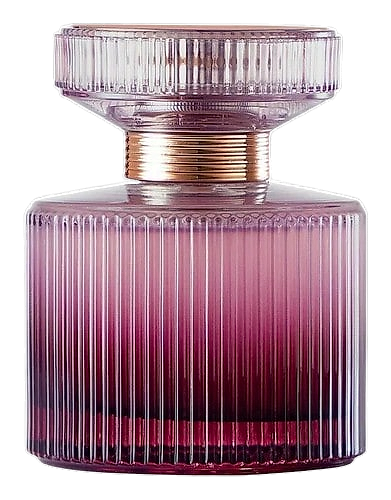
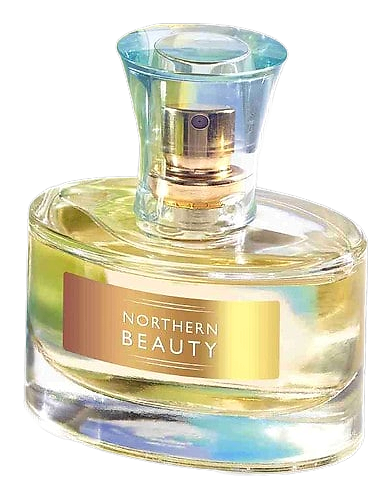
Brands
Brands known for Red Lily
Good to know
Questions, answered
The essentials on Red Lily in perfumery: how it smells, where it comes from, and how it behaves on skin.
What is Red Lily in perfumery?
Red Lily refers to Lilium species producing red or pink flowers, most commonly Lilium speciosum and its relatives. In perfumery, it describes a deeply romantic, saturated floral note with honeyed sweetness, creamy texture, and a slightly spicy character that distinguishes it from lighter lily varieties.
Why is natural Red Lily extract so rare and expensive?
Lilies are mute flowers, meaning they yield almost no extractable fragrance through conventional methods. The petals produce minimal aromatic compounds, requiring enormous quantities to yield even small amounts of absolute. Cultivation, harvesting, and solvent extraction add significant cost, making natural Red Lily absolute among the costliest perfume materials.
How is Red Lily absolute produced?
Fresh Red Lily petals are processed with food-grade volatile solvents such as hexane or heptane in extraction batteries. This produces a concrete, which is washed with ethanol to separate the aromatic compounds from the waxy residue. The ethanol is removed, yielding a concentrated absolute. Steam distillation produces nothing for lilies.
What is the historical significance of lilies in perfumery?
Lilies held sacred status across ancient Mediterranean civilisations. The Madonna lily appeared in ancient Egyptian tombs and Greek mythology symbolising femininity and fertility. Romans used lilies widely in cosmetics and perfumery. By the 19th century, solvent extraction made lily absolutes accessible, though they remain among the costliest materials in perfumery.
What does Red Lily smell like?
Red Lily presents as an opulent, deeply romantic floral with honeyed sweetness, creamy undertones, and a distinctive slightly spicy character. Nature-identical molecules including linalool and ionones recreate this profile. The note anchors the heart of a fragrance with a lush, saturated effect often blended with ylang-ylang, jasmine, or tuberose.
Where is Red Lily cultivated?
The Lilium genus grows across East Asia, Southern Europe, and North America. Japan is the primary origin for commercial Red Lily production, particularly Lilium speciosum and related species. The warm, humid climate suits the plants. The Madonna lily has origins in the Eastern Mediterranean and Asia Minor.
How can I identify Red Lily in a fragrance?
Natural Red Lily absolute appears rarely in fine fragrance due to cost, more commonly used in luxury or niche juices. Search perfume ingredient lists for "lily absolute" in the middle notes. Reconstituted Red Lily appears more broadly, typically alongside ylang-ylang or jasmine as part of a blended floral heart.
Can Red Lily be extracted through steam distillation?
No. Lilies are mute flowers with essentially no extractable fragrance via steam distillation. Any lily material in perfumery must be a solvent-extracted absolute or a nature-identical reconstruction using synthesised aromatic molecules. Most commercial lily notes are recreations rather than natural extracts.