

The Heritage
The Story of Oscar de la Renta
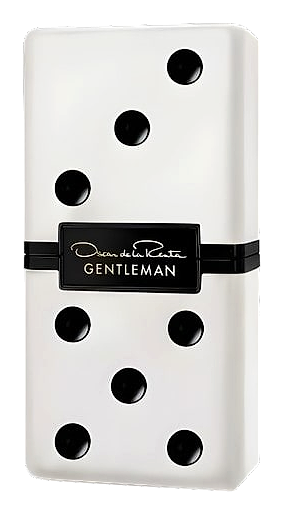
Oscar de la Renta began as a couture house in 1965 and later entered the fragrance world with the launch of Oscar in 1977. The scent introduced a floral bouquet softened by woody notes, setting a tone that mirrors the brand’s reputation for refined elegance. Over the decades the house has added a series of niche releases, from Oscar Violet in 2005 to Gentleman in 2016, each reflecting a distinct facet of the designer’s aesthetic while staying rooted in the original vision of timeless femininity and understated luxury.
Heritage
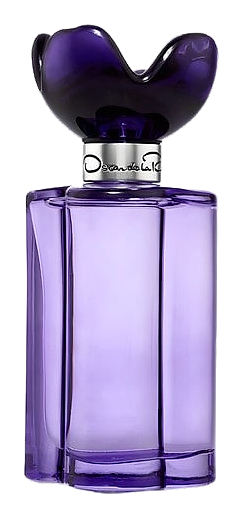
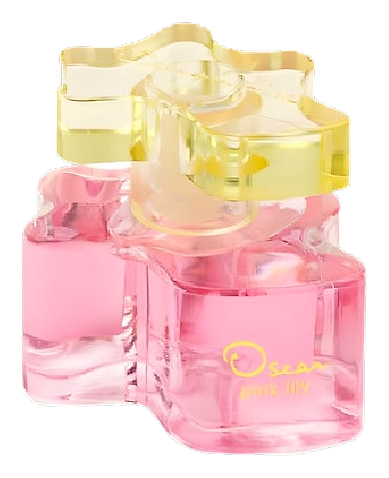
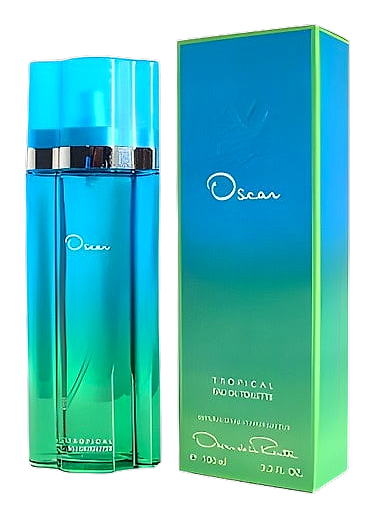
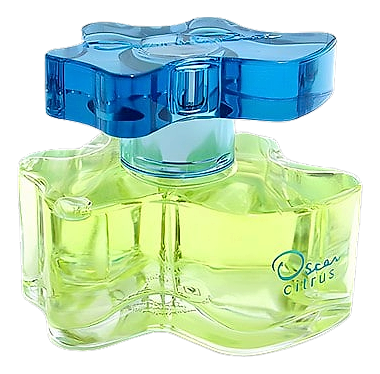
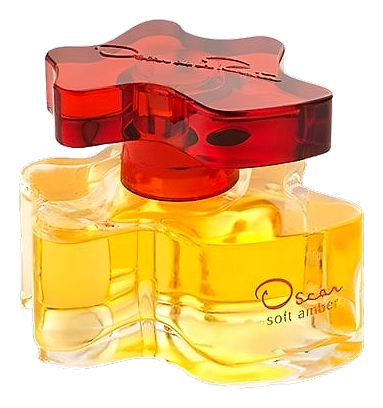
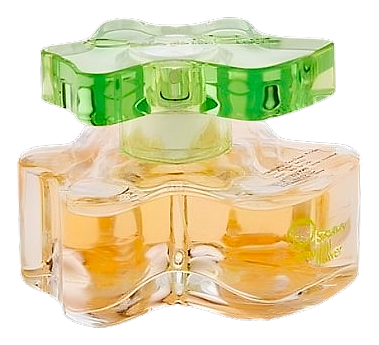
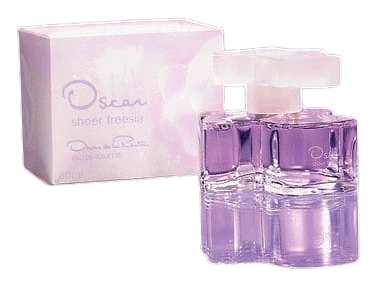
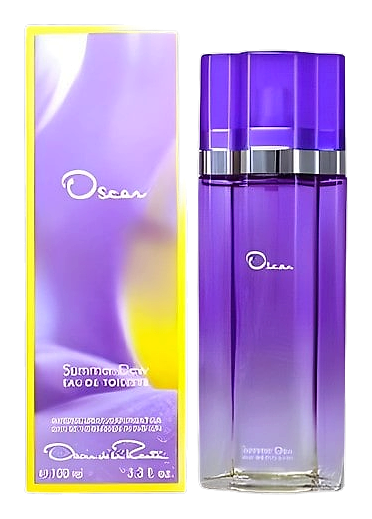
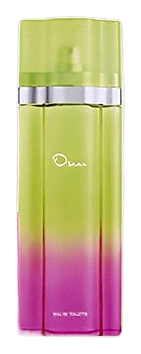
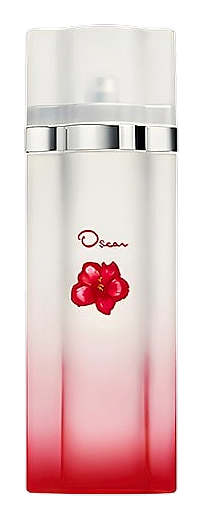
Óscar Arístides Renta Fiallo, a Cuban‑born designer, founded his eponymous fashion house in New York in 1965 after a successful stint with Elizabeth Arden. The label quickly became known for its romantic silhouettes and red‑carpet gowns, attracting a clientele that included Jacqueline Kennedy and Hillary Clinton. In 1977 the brand extended its creative language into perfume with Oscar, a fragrance described as an abundant floral bouquet with soft woody accents. The launch marked the first American‑origin scent to be listed in the Fragrances of the World reference guide as an "American Legend," a distinction that highlighted its influence beyond the fashion runway. The early 2000s saw the brand diversify: an accessories line arrived in 2001 followed by a homewares collection in 2002, reinforcing the house’s lifestyle ambition. Between 2005 and 2016 Oscar de la Renta introduced a series of niche fragrances—Oscar Violet (2005), Oscar Pink Lily (2006), Oscar Bamboo (2006), Oscar Summer Tropical Colors (2007), and the masculine Gentleman (2016). Each new launch was positioned as an extension of the house’s signature elegance, often referencing the designer’s love of vibrant colour and refined tailoring. The brand’s fragrance portfolio, while smaller than some competitors, maintains a steady cadence of releases that echo the original couture ethos, ensuring that the scent narrative remains closely tied to the fashion heritage that began in the mid‑sixties.
Craftsmanship
Oscar de la Renta works with seasoned perfume houses that specialize in both natural extracts and high‑grade synthetics, a practice common among luxury fragrance houses. The original Oscar fragrance is built on a floral sweet‑spicy composition, featuring notes such as jasmine, rose, and lily layered over amber and sandalwood, according to Fragrantica. Production takes place in facilities that adhere to IFRA safety standards, ensuring that each batch meets strict quality controls. The brand sources key ingredients from established growers in France, Italy, and the United States, while also employing modern aroma chemicals to achieve consistency across releases. Bottling is performed in glass factories that use a vacuum‑seal process to preserve volatile top notes, and each flacon undergoes a visual inspection for clarity and finish. The house’s approach to new launches involves a brief testing period with select retailers, allowing the brand to gauge consumer response before a wider rollout. This measured process reflects a commitment to delivering scents that align with the house’s aesthetic without compromising on olfactory integrity.
Design Language
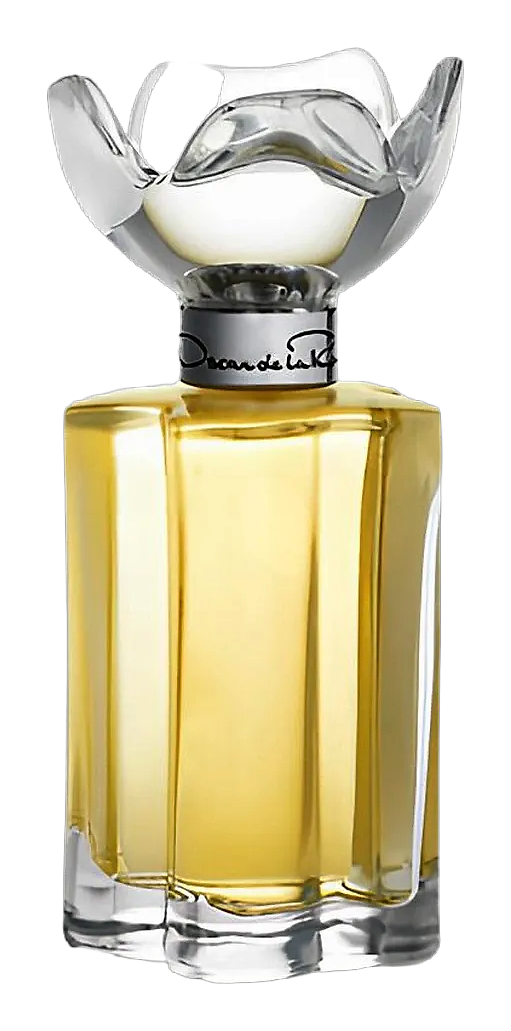
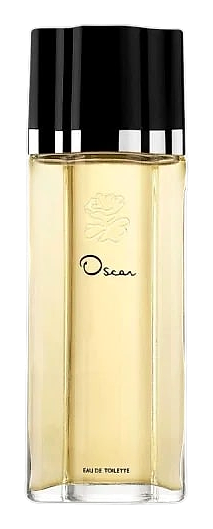
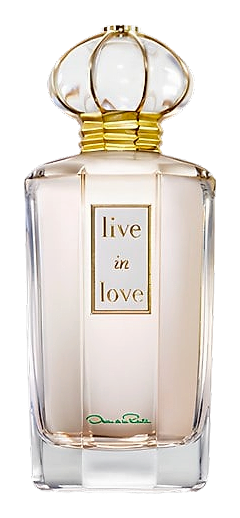
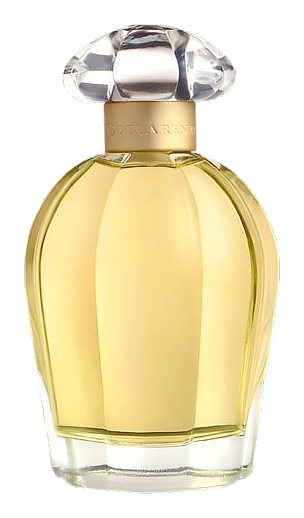
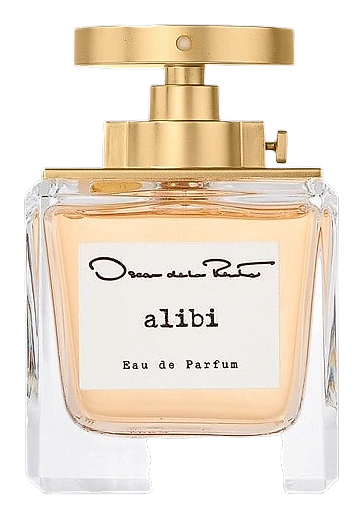
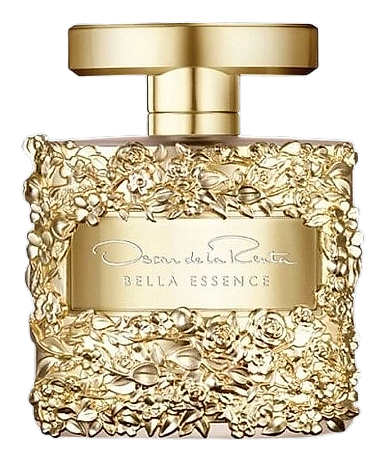
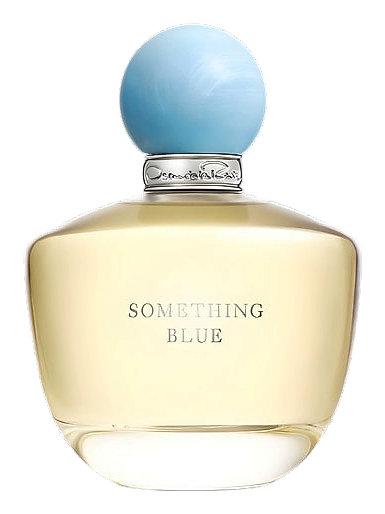
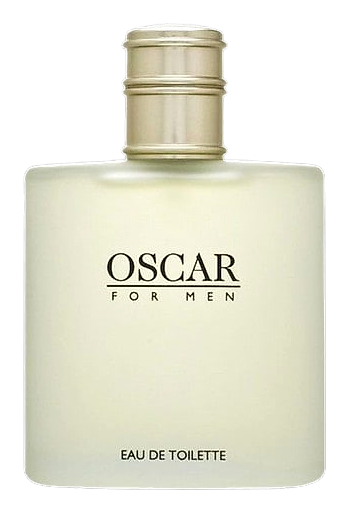
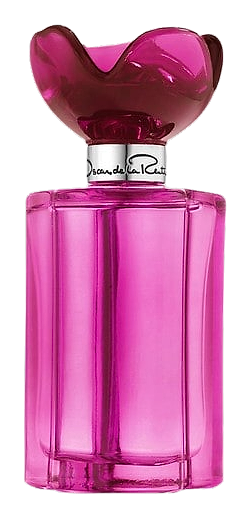
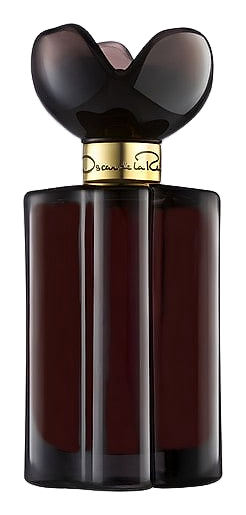
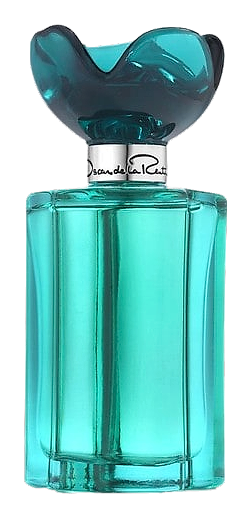
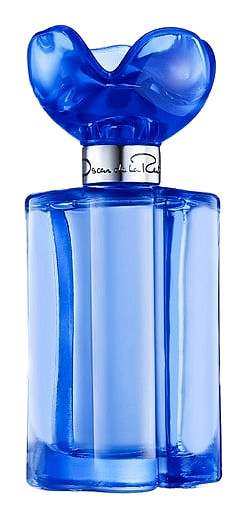
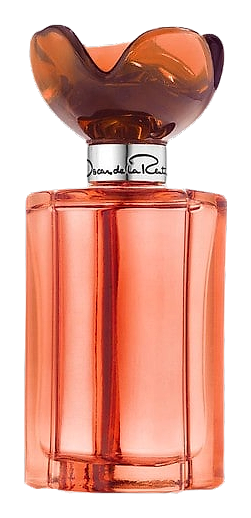
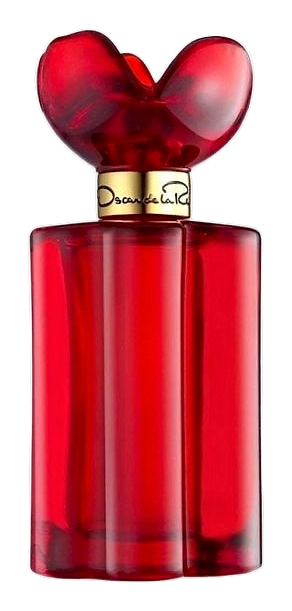
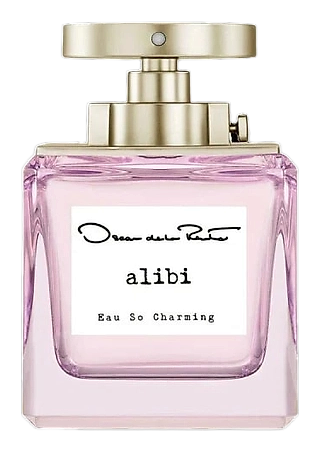
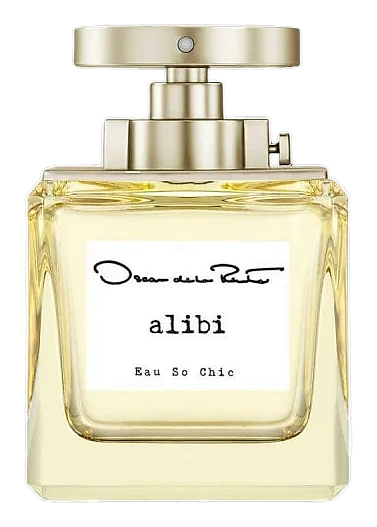
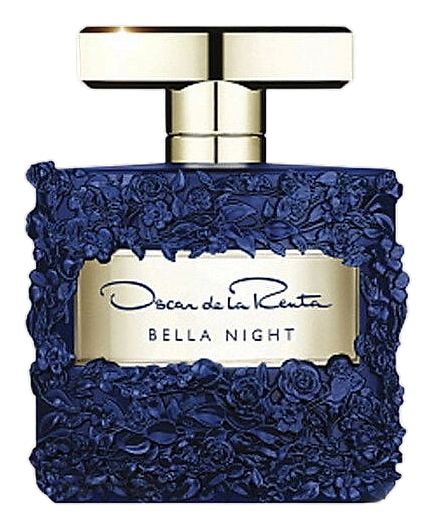
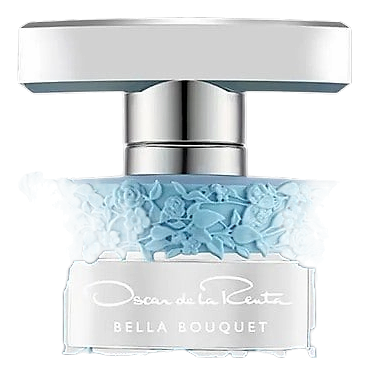
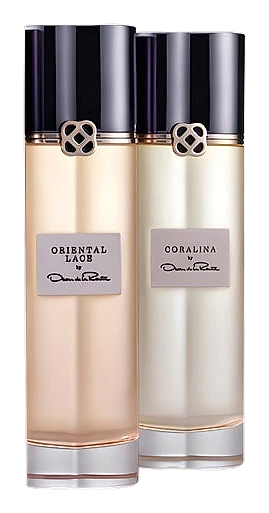
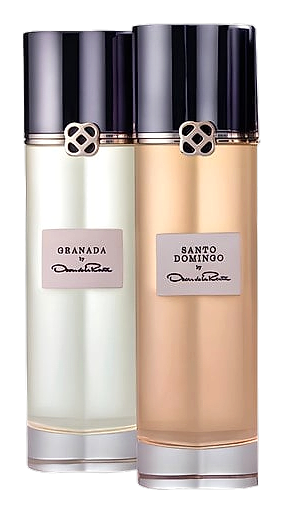
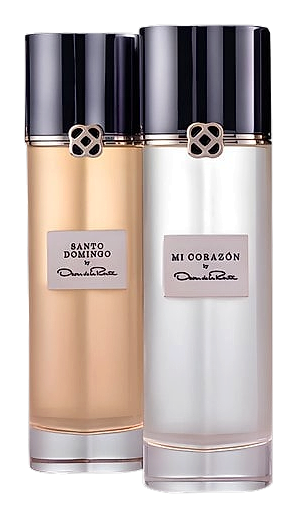
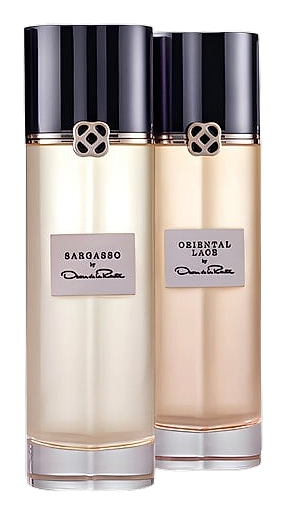
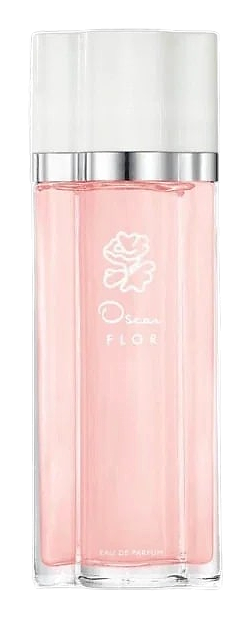
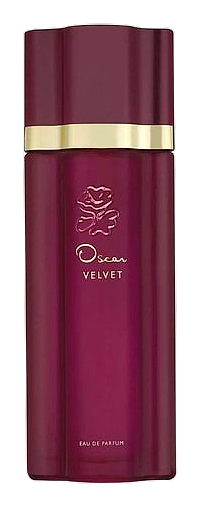
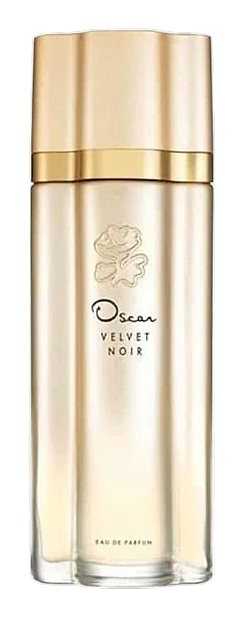
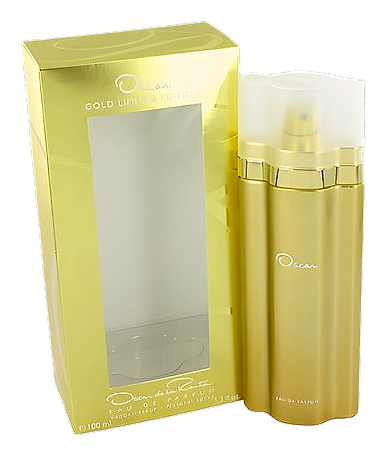
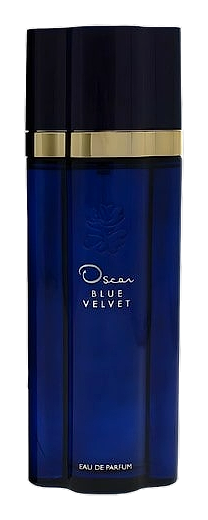
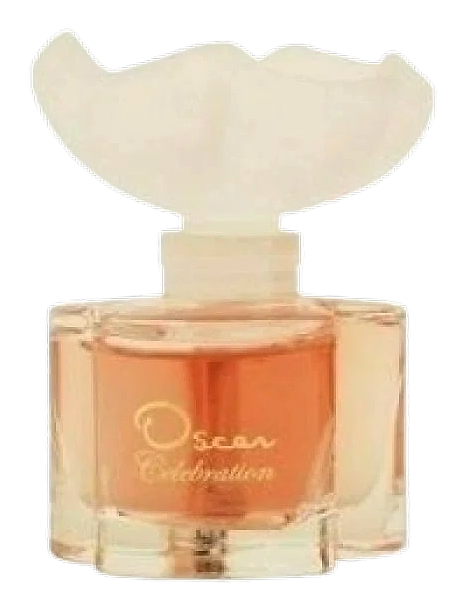
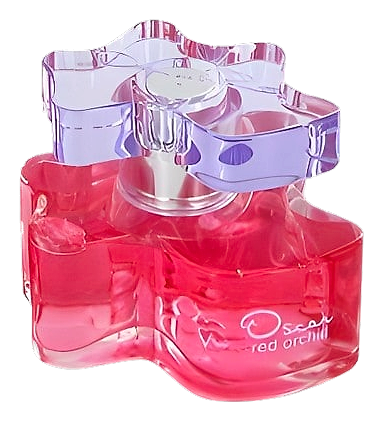
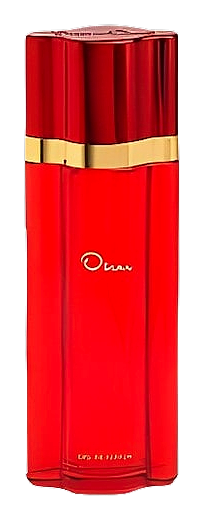
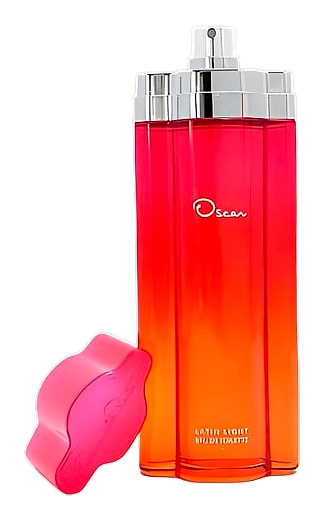
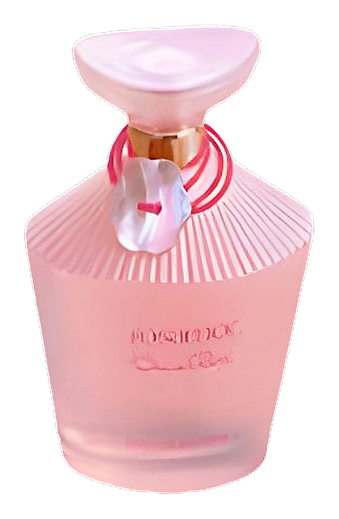
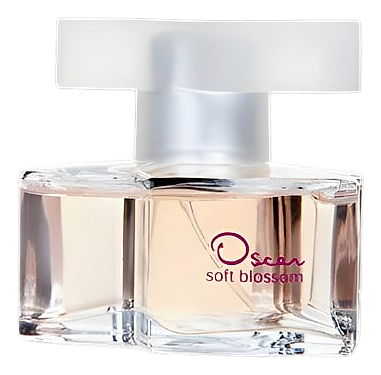
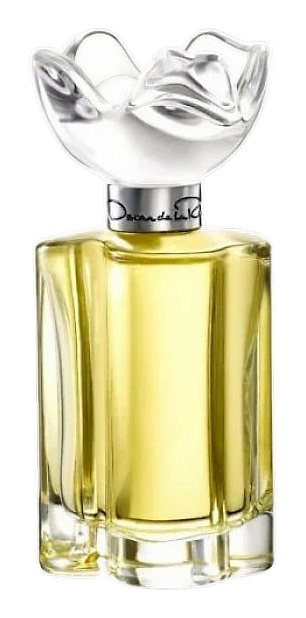
Visual identity for Oscar de la Renta draws directly from the fashion house’s runway language: clean lines, soft curves, and a restrained colour palette that lets the product speak for itself. The Oscar bottle, for example, presents a clear glass silhouette with a modestly proportioned neck and a polished gold‑tone spray cap, echoing the understated glamour of the designer’s gowns. Typography on packaging often uses a classic serif font, reinforcing a sense of heritage while remaining legible on modern shelves. Marketing imagery frequently features the brand’s signature use of natural light and elegant settings, positioning the fragrance as an extension of the couture experience. Seasonal campaigns incorporate subtle floral motifs that reference the scent’s core notes, creating a cohesive visual narrative that ties fragrance to fashion. The overall aesthetic remains consistent across the line, ensuring that each new release feels like a logical addition to the house’s storied portfolio.
Philosophy
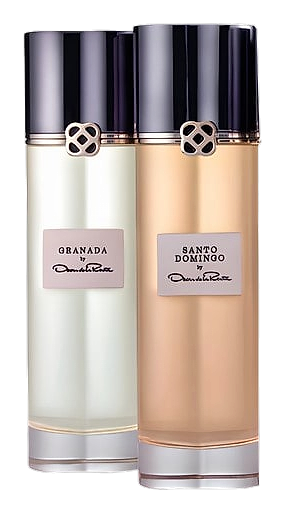
The creative direction of Oscar de la Renta rests on a belief that style should feel effortless yet intentional. In perfume, this translates to compositions that balance classic floral structures with contemporary accents, allowing the wearer to experience a sense of graceful confidence. The house emphasizes craftsmanship over trend chasing, preferring ingredients that convey depth rather than fleeting novelty. Sustainability has become a growing concern; the brand reports that recent releases incorporate responsibly sourced raw materials where possible, reflecting a broader industry shift toward transparency. Collaboration with established fragrance houses ensures that each scent benefits from technical expertise while staying true to the designer’s original vision of romance and refinement. The philosophy also embraces storytelling: each bottle is meant to evoke a moment—whether a summer garden in Santo Domingo or an evening in Granada—inviting the wearer to create personal memories linked to the scent.
Key Milestones
1965
Óscar de la Renta establishes his fashion house in New York, debuting a collection of romantic, tailored garments.
1977
Launch of the first fragrance, Oscar, recognized later as an "American Legend" by Fragrances of the World.
2001
Introduction of an accessories line, expanding the brand beyond clothing.
2002
Homewares collection debuts, further broadening the lifestyle offering.
2005
Release of Oscar Violet, a floral fragrance aimed at a younger audience.
2016
Gentleman arrives, marking the house’s first major masculine scent.
At a Glance
Brand profile snapshot
Origin
United States
Founded
1965
Heritage
61
Years active
Collection
4
Fragrances released
Avg Rating
3.9
Community sentiment
Release Rhythm


