Beverley Bayne
Beverley Bayne built her career the slow, deliberate way that separates working perfumers from the mythologized ones. She started in a fragrance laboratory, drawn to the precision of chemistry, and within a year made the decision to train as a perfumer. That trajectory took her to CPL Aromas, the English fragrance house where she refined her craft over years of compounding and evaluation. Her rise to Master Perfumer and eventual appointment as Director of Perfume at Molton Brown marked a milestone rarely achieved outside the traditional Parisian training routes. She remains tied to CPL Aromas while overseeing Molton Brown's fragrance development, a dual role that reflects both her versatility and her deep roots in British perfumery. Bayne has also shared her knowledge through educational lectures, teaching students the technical foundations that formal training programs often skip. She operates largely outside the fine fragrance spotlight, which suits her. The work speaks.
The hits
Notable creations







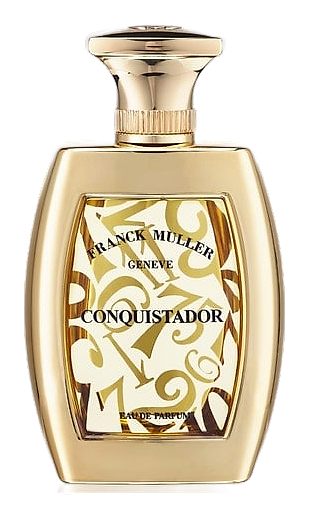
The signature
How Beverley composes
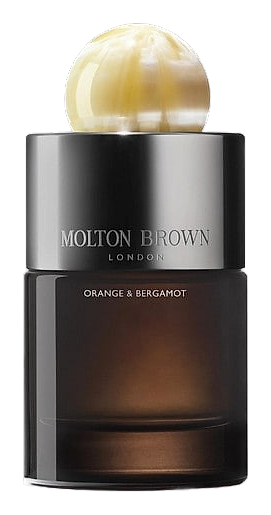
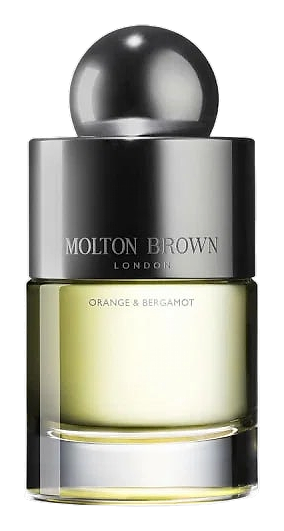
Bayne's signature work with Molton Brown, particularly Orange and Bergamot, reveals a preference for bright, citrus-driven compositions with clean structural lines. Her background in functional fragrance has sharpened her ability to create scents that perform consistently across product types, from body washes to candles, without losing diffusion or character. She favors transparent, well-blended constructions over heavy sillage formulas, suggesting an aesthetic aligned with modern British taste: accessible but not ordinary. Ingredients she gravitates toward appear to include citrus oils, aromatic herbs, and crystalline synthetic materials that add lift without cloying sweetness. When working on fine fragrance, she tends toward restraint, building around a single clear concept rather than layering complexity for its own sake.
Philosophy
What drives Beverley
Bayne approaches perfumery with the mindset of someone who started in a lab and never fully left it. She believes in understanding materials at a molecular level before exploring their emotional registers. Her creative process appears grounded in restraint and problem-solving, the same discipline required for functional fragrances applied to personal care and home products. Behind the scenes, she describes perfumery as a form of applied intuition, translating sensory impressions into formulas that behave predictably across bases and formats. She has spoken about the importance of smell as a communication channel, noting that the profession demands both extraordinary sensitivity and the patience to develop it. Her work with clients involves listening closely, then distilling briefs into olfactory solutions that meet commercial requirements without sacrificing character.
The houses