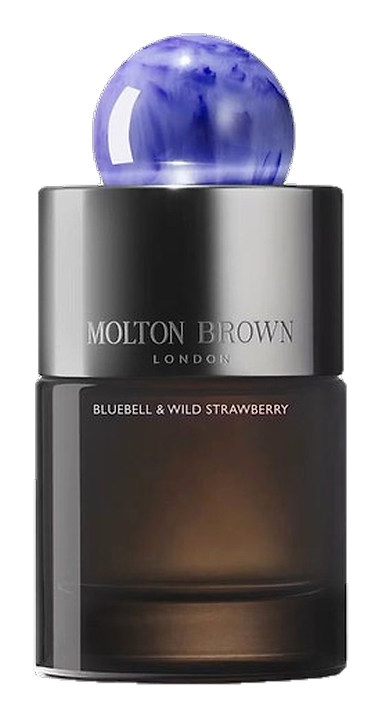
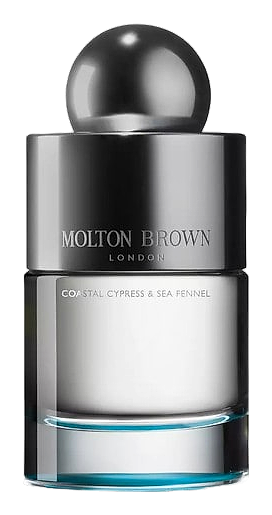
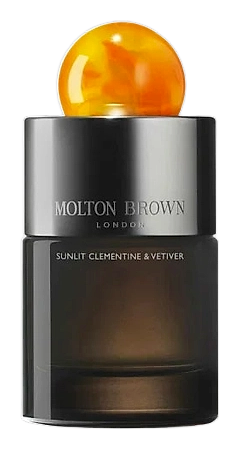
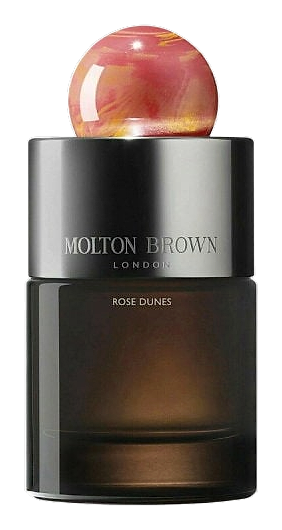
The Heritage
The Story of Molton Brown
Molton Brown began as a modest hair salon on South Molton Street in London in 1971. Over the decades the brand expanded into bath, body and fragrance, keeping a focus on bold scent combinations and tactile textures. Today it offers a curated range of eau de parfums, scented candles and grooming essentials that reflect a distinctly British sensibility while inviting global discovery. The company balances heritage with contemporary creativity, delivering products that feel both familiar and surprising.
Heritage
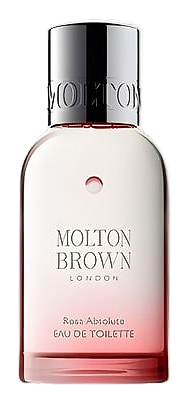
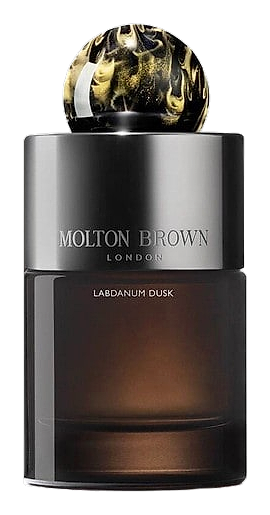
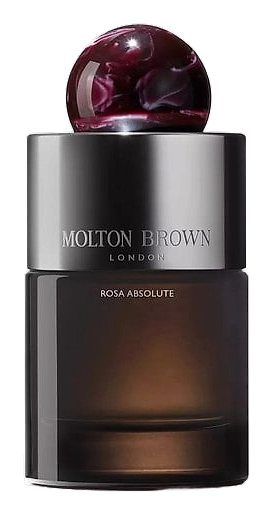
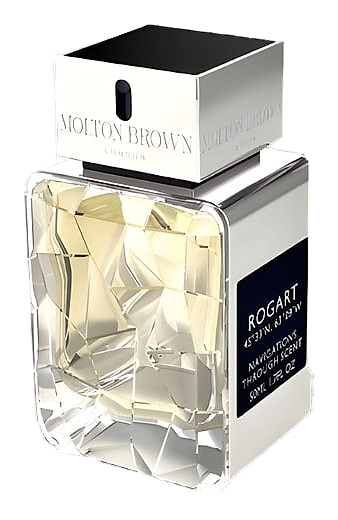
Caroline Burstein and Michael Collis opened a hair salon at 58 South Molton Street in 1971. They used the space to experiment with scented hair treatments, and the positive response encouraged them to broaden the offering. By 1973 the duo opened the first Molton Brown shop on the same street, turning the salon into a retail destination for scented cosmetics. In 1984 the brand introduced its inaugural signature collection, the Orange Grove Bath & Body line, which set a precedent for using fresh, natural ingredients in everyday rituals. The company earned a Royal Warrant in 1995, confirming its status as a supplier to the British royal household. In 2005 LVMH acquired Molton Brown, providing resources for international expansion while preserving the founders' independent spirit. The 2010s saw a series of niche fragrance launches, including Rogart (2011), a scent inspired by a Scottish village, and the Rosa Absolute Eau de Parfum (2016, refreshed in 2019). Labdanum Dusk arrived in 2021, showcasing the brand's continued willingness to explore darker, resinous accords. Throughout its history Molton Brown has remained anchored to its original ethos: a commitment to quality, a love of bold aromas, and an emphasis on the personal experience of scent.
Craftsmanship
Molton Brown manufactures its fragrances in a dedicated facility in the United Kingdom, where a team of chemists and perfumers oversees each batch from raw material to finished bottle. The brand sources essential oils, absolutes and extracts from regions known for quality, such as Grasse for jasmine, Madagascar for vanilla, and the Atlas Mountains for labdanum. Suppliers must meet strict criteria for ethical harvesting and environmental stewardship, and Molton Brown conducts regular audits to verify compliance. Production follows a multi‑stage blending process: ingredients are weighed, macerated, and then combined in temperature‑controlled vats to preserve volatile aromatics. The mixture rests for several weeks, allowing the accords to integrate fully before filtration. Quality control technicians test each batch for scent fidelity, stability and safety, referencing both internal standards and EU regulations. Bottles are hand‑finished in glass workshops that employ low‑impact methods, and caps are crafted from recycled metal. The brand also offers refill stations in select locations, encouraging customers to reuse containers and reduce plastic waste.
Design Language
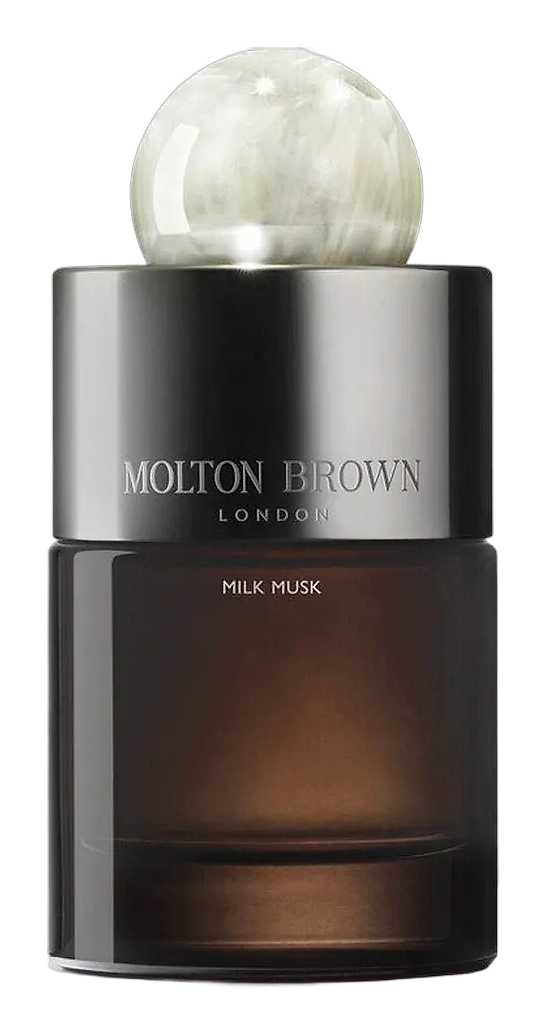
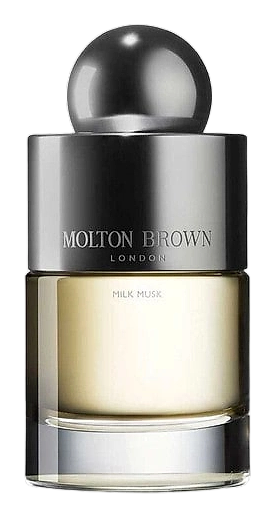
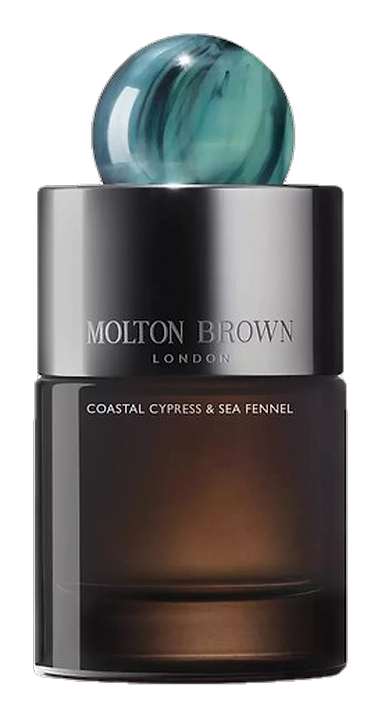
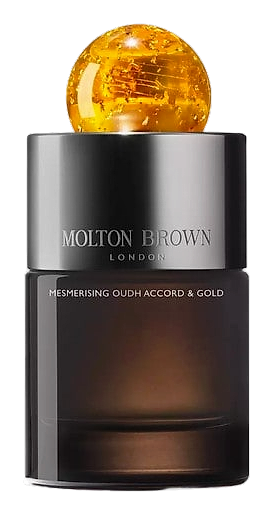
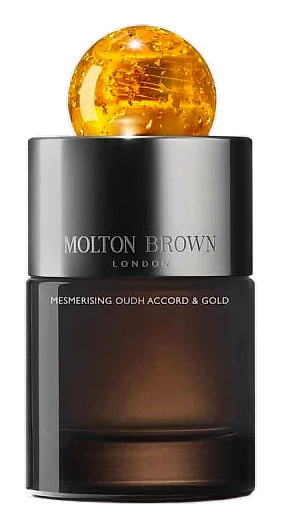
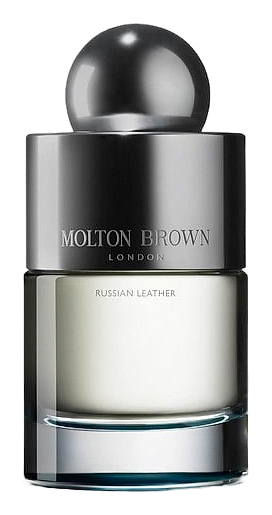
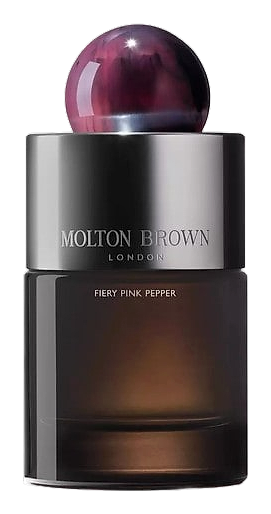
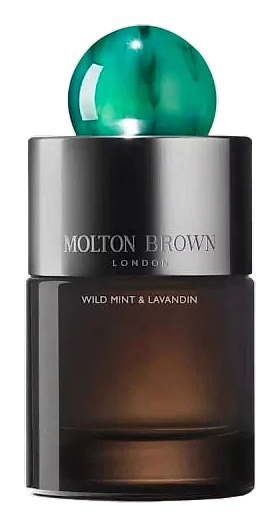
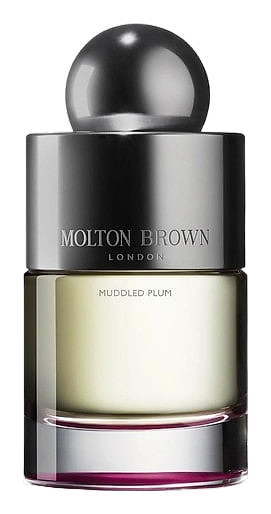
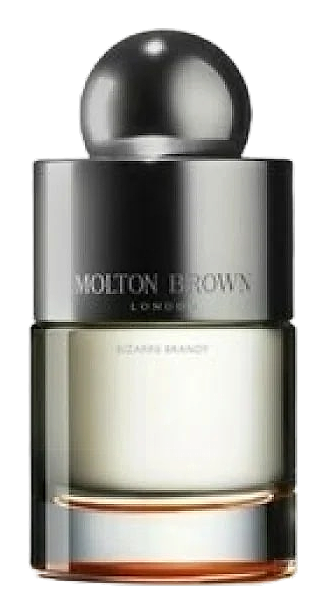
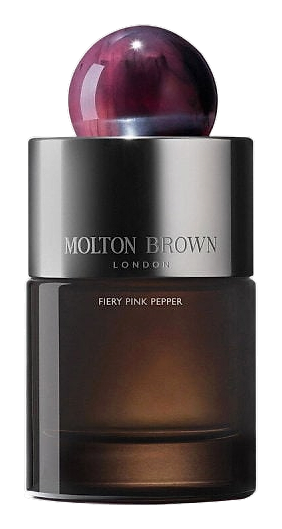
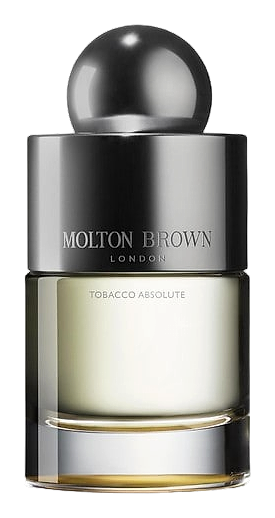
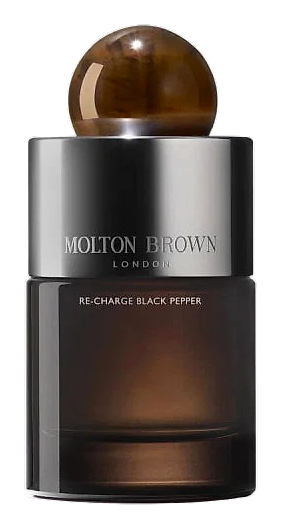
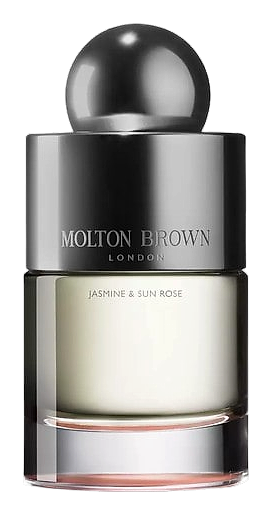
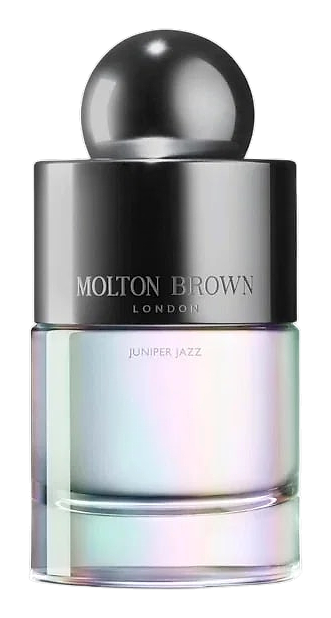
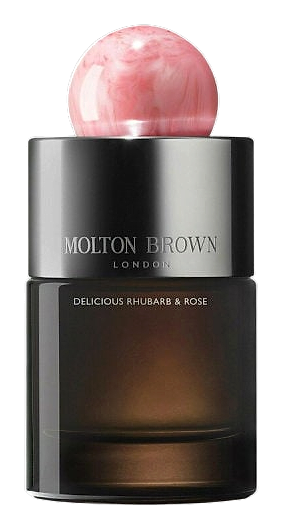
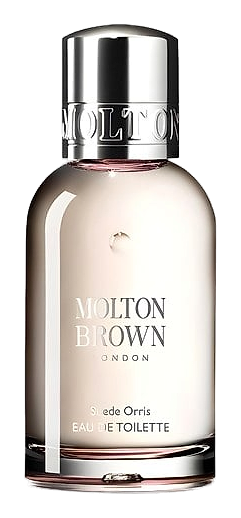
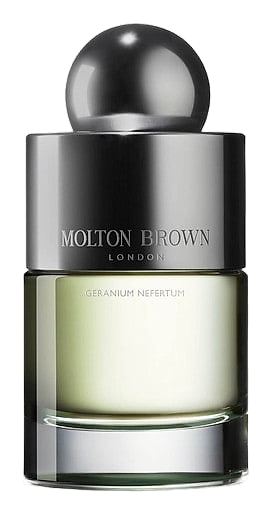
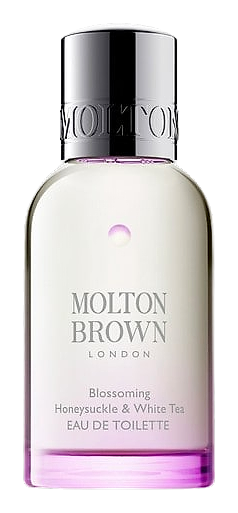
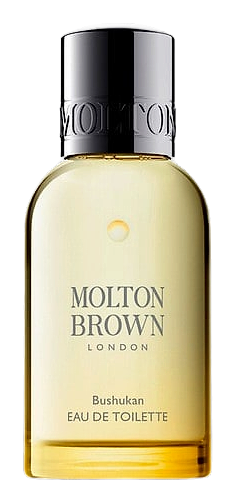
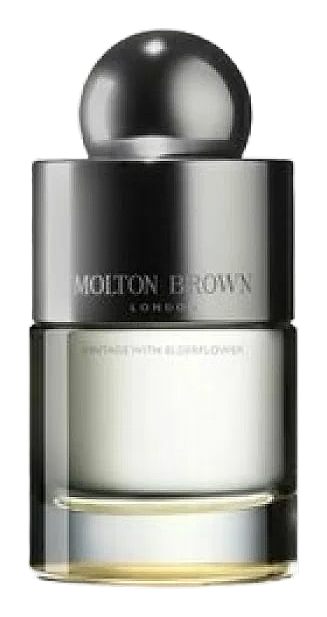
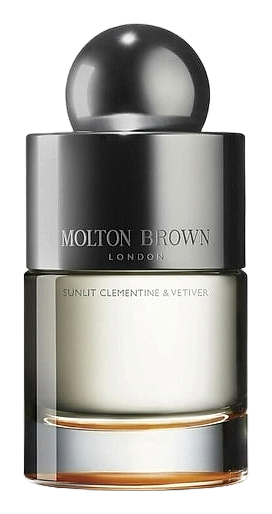
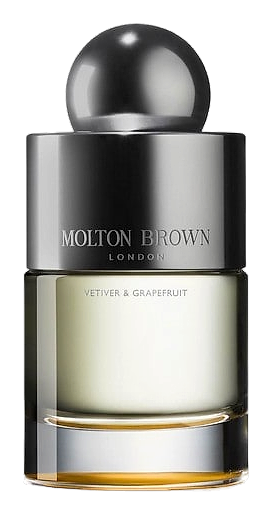
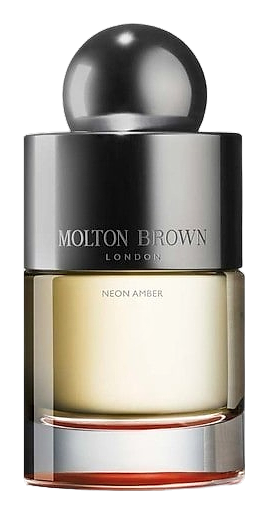
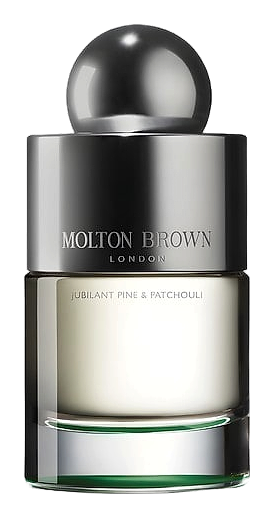
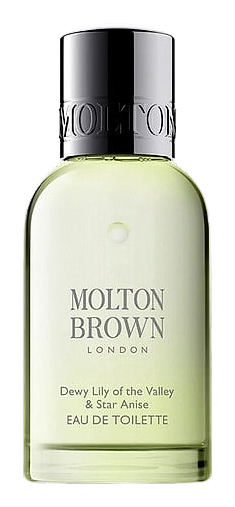
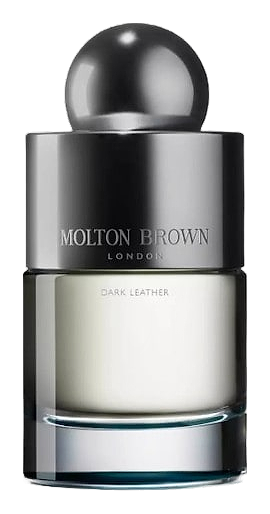
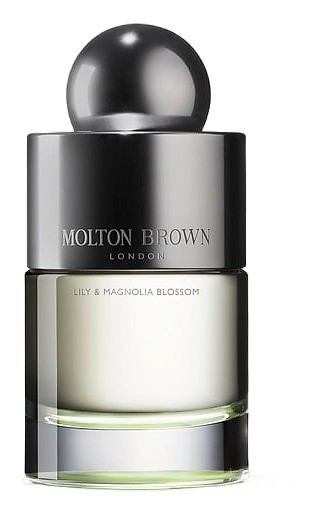
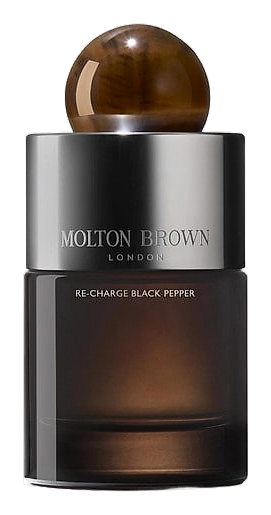
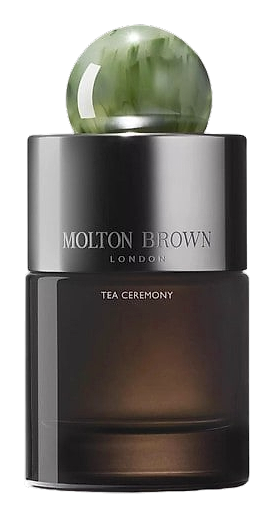
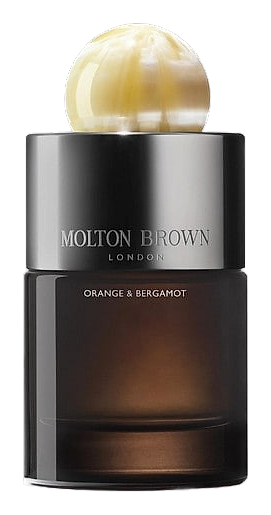
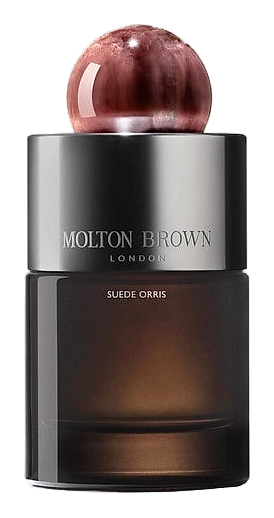
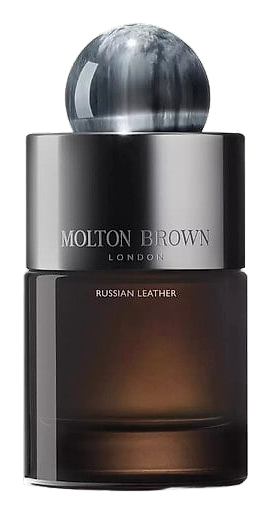
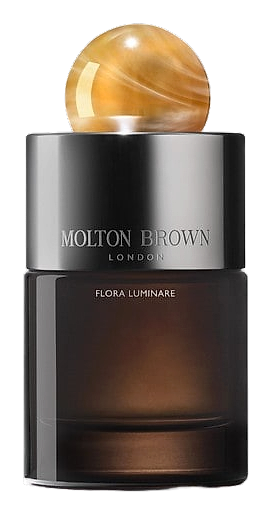
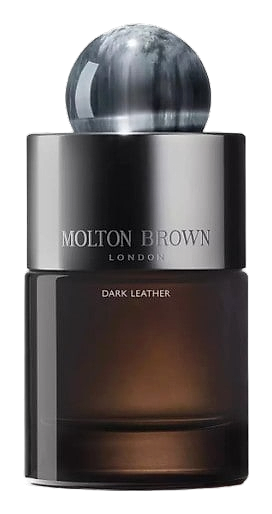
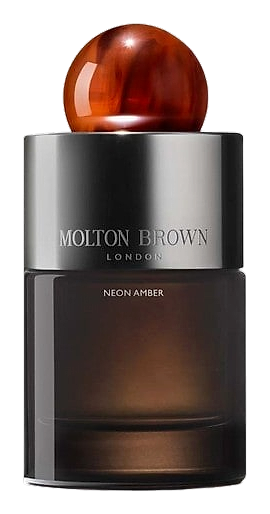
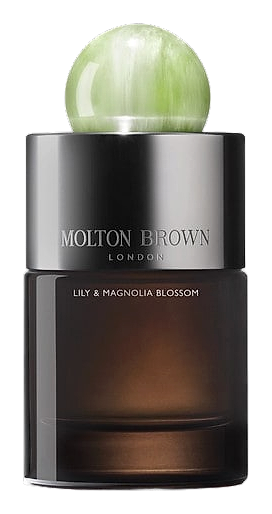
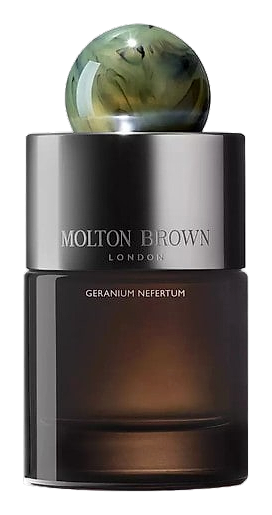
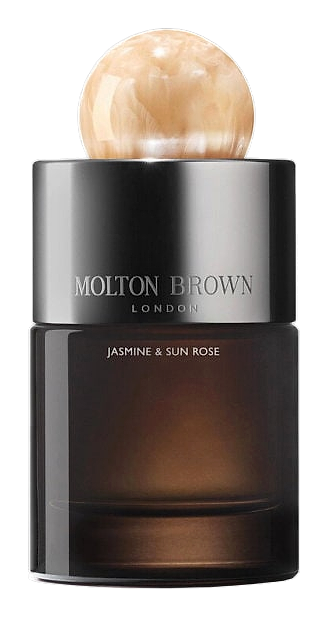
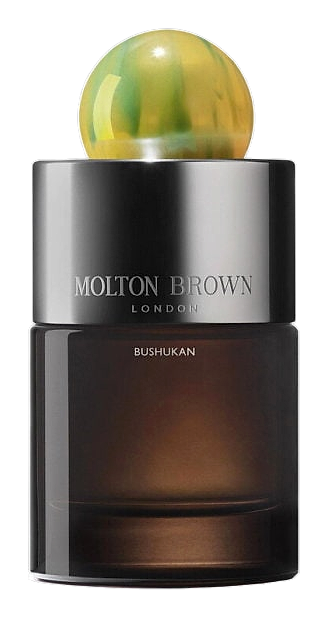
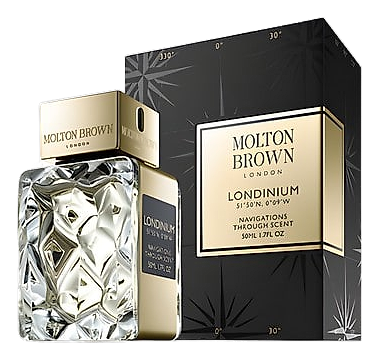
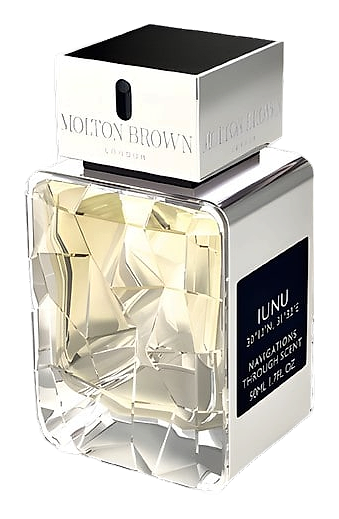
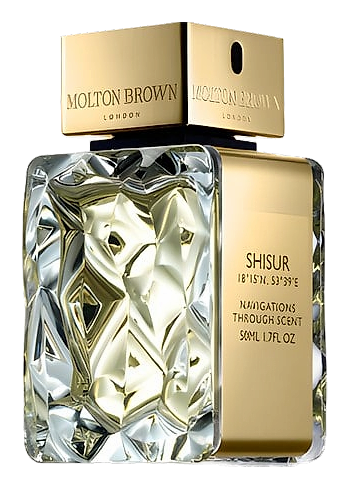
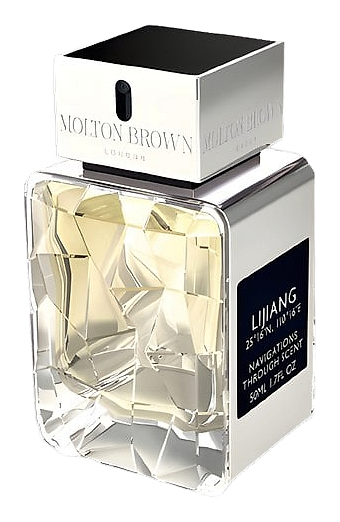
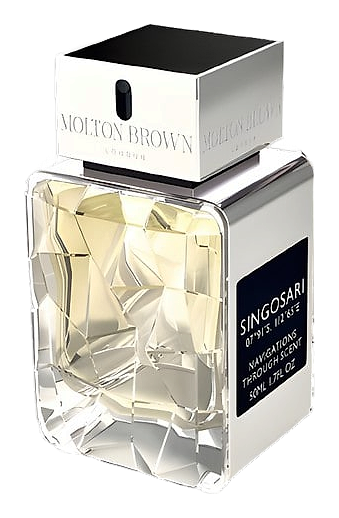
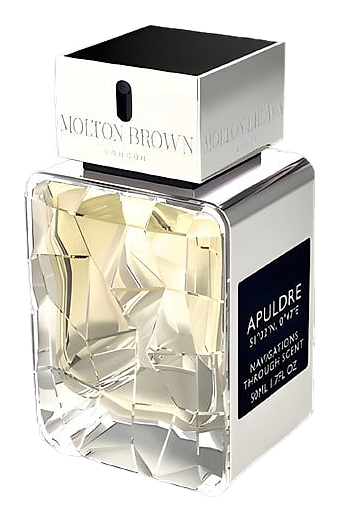
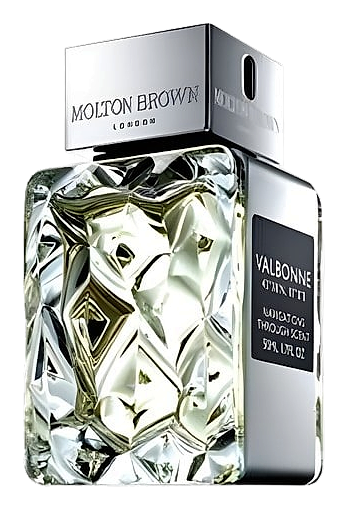
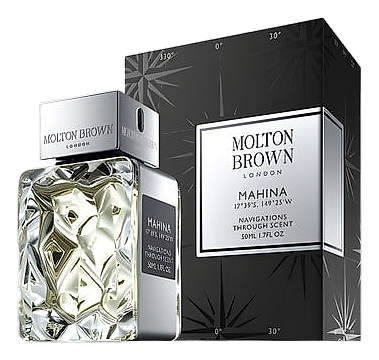
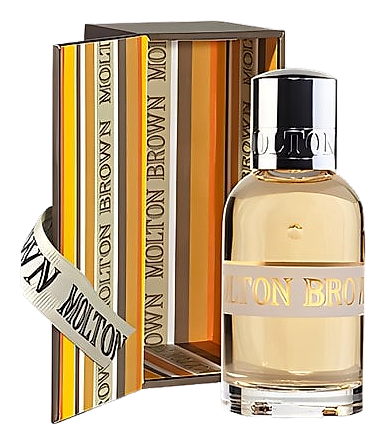
Molton Brown’s visual language blends classic British tailoring with contemporary minimalism. The brand’s logo features a clean, sans‑serif wordmark set against a deep navy background, evoking the elegance of a Savile Row suit. Bottle designs employ simple geometry: square or rectangular silhouettes with matte black or deep amber glass, punctuated by a brushed metal cap that feels substantial in the hand. Labels use a restrained palette of white type on dark fields, allowing the fragrance name to stand out without decorative flourishes. Seasonal campaigns often showcase the products against monochrome backdrops, highlighting texture and form rather than elaborate scenery. In retail spaces, the brand favors polished wood, brushed steel and soft lighting, creating an environment that feels both luxurious and approachable. This aesthetic reinforces the brand’s promise of refined, tactile experiences while remaining accessible to a broad audience.
Philosophy
Molton Brown approaches perfumery as a dialogue between scent and skin. The brand believes that fragrance should provoke a tactile response, prompting the wearer to pause and notice. It values transparency, sourcing ingredients that can be traced to their origin and sharing those stories with customers. Sustainability informs the creative process; the team selects raw materials that support responsible farming practices and reduces waste through refillable packaging where possible. Collaboration drives innovation; Molton Brown works with independent perfumers and artisans to translate unconventional ideas into market‑ready products. The company also places the individual at the center of its narrative, encouraging people to experiment with layering and personalizing scents rather than adhering to a single signature note. This philosophy reflects a broader British tradition of understated confidence paired with a willingness to push sensory boundaries.
Key Milestones
1971
Caroline Burstein and Michael Collis opened a hair salon at 58 South Molton Street, London.
1973
Molton Brown launched its first retail shop on South Molton Street, expanding into scented hair and body products.
1984
The brand introduced the Orange Grove Bath & Body collection, its first signature scent line.
1995
Molton Brown received a Royal Warrant, becoming an official supplier to the British royal household.
2005
LVMH acquired Molton Brown, supporting global distribution while retaining the brand’s creative independence.
2011
Rogart Eau de Parfum launched, inspired by a Scottish village and noted for its smoky, woody profile.
At a Glance
Brand profile snapshot
Origin
United Kingdom
Founded
1971
Heritage
55
Years active
Collection
2
Fragrances released
Avg Rating
4.2
Community sentiment
Release Rhythm


